Two Easy Ways to Start Earning Rewards!
Become a member today! Members-only pricing and offers, personalized care notifications, Vital Care points back on every purchase and more!
 Become a credit card member today!
Earn 2X Pals Rewards points at Petco
when you use Petco Pay!APPLY NOWLearn More About Petco Pay Benefits
Rep-Cal Reptile Vitamins & Supplements
Get It Today


Related Articles & Questions
- New Pet
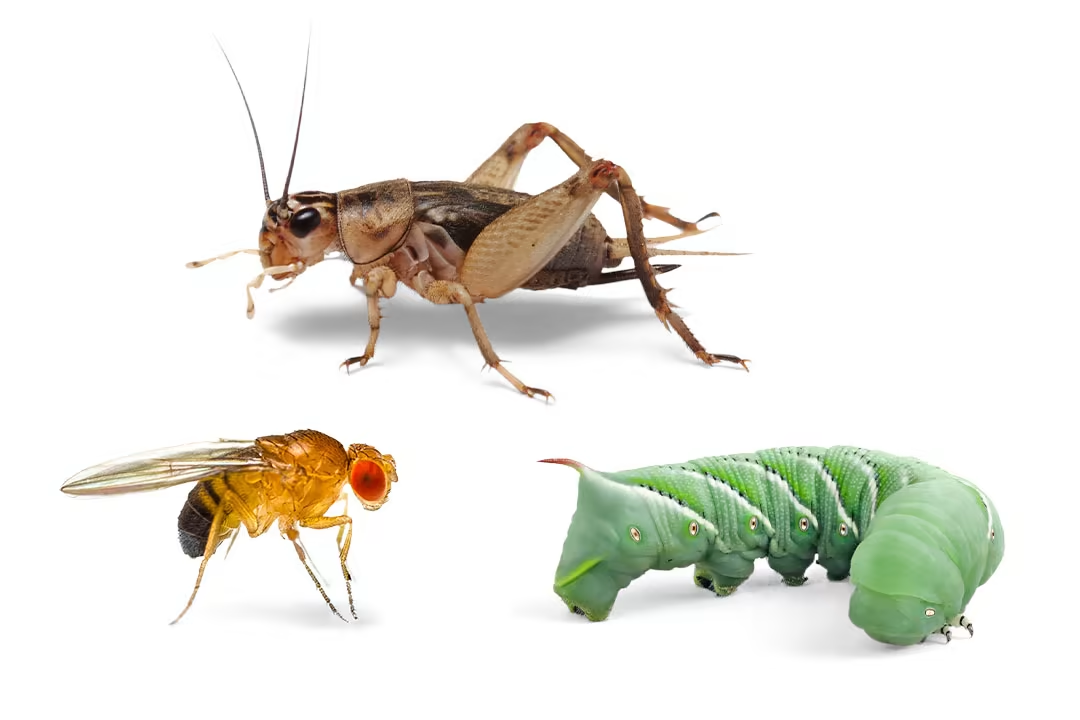
Reptile Feeding: Live Insect Selection & Care for Optimal Health
Learn about live insects for reptile feeding, recommended diet & habitat setup. Find the right food, supplies & equipment at your neighborhood Petco.
Updated on November 13th, 2025
- New Pet
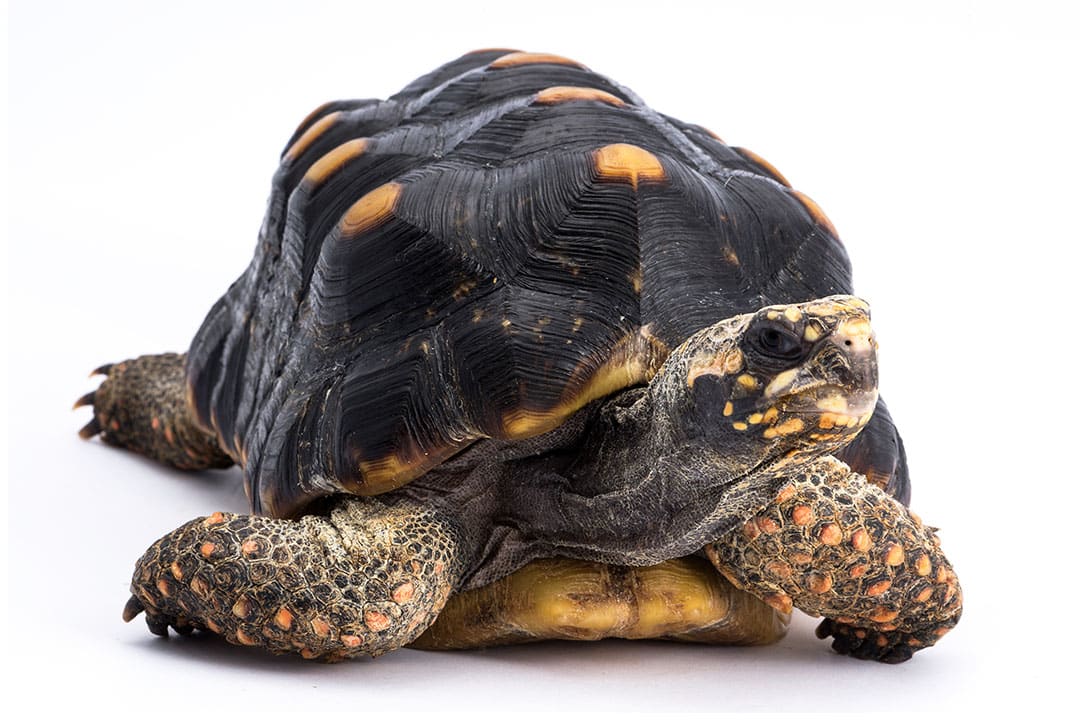
Pet Tortoise Care: Essential Guide to Food, Habitat & Health
Learn how to care for tropical tortoise, recommended diet & habitat setup. Find the right food, supplies & equipment at your neighborhood Petco.
Updated on November 13th, 2025
- Home & Habitat
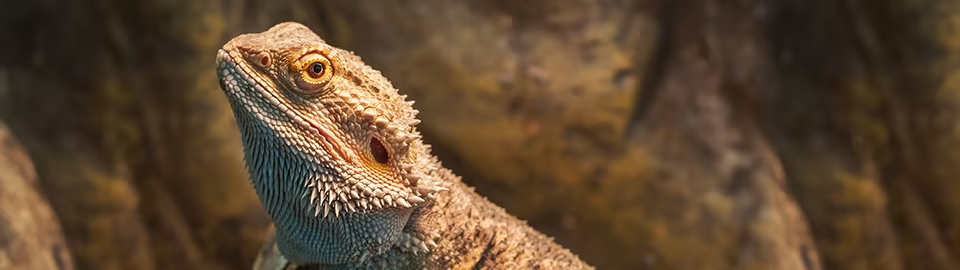
Bearded Dragon Lighting: Your Guide to Essential UVA & UVB for Health
Bearded dragons have specific lighting requirements that emulate their natural warm and dry habitat. Learn about their lighting needs at Petco.
Updated on November 13th, 2025
- New Pet
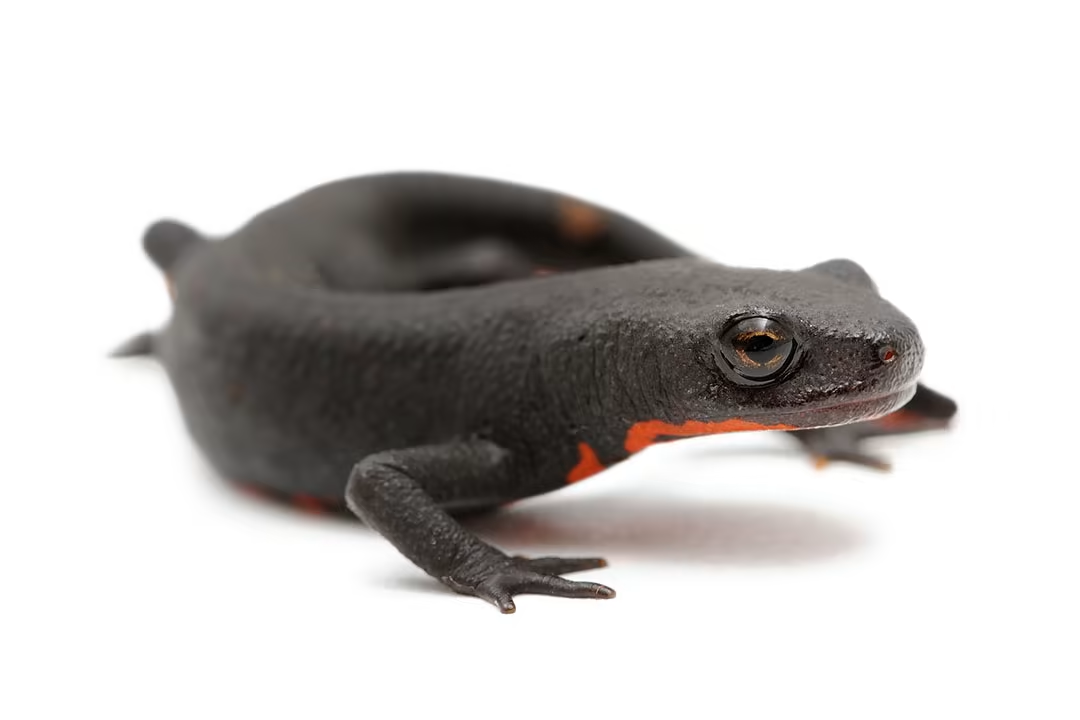
Mastering Pet Salamander & Newt Care: Food, Habitat, Health Guide
Learn How to Care for a Salamander & Newts, recommended diet and habitat setup. Find the right food, supplies and equipment at your neighborhood Petco.
Updated on November 13th, 2025
- New Pet
Leopard Gecko Care: The Ultimate Guide to Habitat, Food & Health
Learn how to care for a Leopard Gecko, recommended diet and habitat setup. Find the right food, supplies and equipment at your neighborhood Petco.
Updated on November 13th, 2025
- Food & Nutrition
hello i have a baby red iguana that is getting the bumps on his lower jaw. How can i prevent it from getting worse? What lighting do i need? What calcium supplements should they be getting? _ Elizabeth C
He should be examined by your veterinarian or a vet experienced in treating reptiles to diagnose infection, injury or metabolic bone disease. Provide unfiltered UVB lighting as well as a heat source. Calcium(D3) and multivitamin supplementation is essential as is a healthy diet of fresh greens, vegetables and fruits. You can also supplement the diet with a commercial iguana food. Review iguana care at the link below. Yes, it says "green iguana" however care is the same. http://www.reptilesmagazine.com/Care-Sheets/Lizards/Green-Iguana/
Updated on August 12th, 2025
- Food & Nutrition
I have a small turtle, it always feared & hidden. I want some vitamins & diatry system for it. How can i calculate its age
Thanks for reaching out about your turtle. Unfortunately, there aren't great ways to calculate ages in turtles - the reason for this is that their size and physical characteristics can vary depending on their husbandry. For example, too much or too little nutrition can cause a turtle to become too large or remain very small instead of growing at a normal pace. As far as the vitamins and diet - to get advice on this, it would be important to know what species of turtle you have. There are many different species that are commonly kept as pets, and they can require very different things in their diet and environment to help them thrive and live a long and healthy life. You could repost your question with some photos, or what may be better is to have a consultation. As another alternative, you can also take your turtle to a veterinarian who is familiar with turtles, and they can assist you with this as well. I hope that gives you a place to start, and thanks for using Boop by Petco.
Updated on August 12th, 2025
- Health & Wellbeing
My Pet is a mid size lizard. Tegu began to tremble upper and lower toes. I could see his muscles spaz. He really cares for no food such as crickets and worms. He had a mouse 5 days ago. There was some soured watermelon in his cage I removed. I rea
Check the temperature in his enclosure. Low temps can affect appetite in reptiles. If he isn't eating or not exposed to high quality UVB lighting, he can become calcium deficient which could account for the tremors. If he is less than 30 inches long, confirm a basking temp of around 115 F. If he is bigger, bump basking temp to between 125 F and 135 F. Multiple lower wattage lights over a larger area are recommended over one high intensity light source. Try to get him to eat and offer a calcium supplement. If you can get a liquid supplement, that would be best right now. Zoo Med and Fluker's offer such a supplement.Soak him in a warm 50/50 solution of water and unflavored PediaLyte to treat or prevent minor dehydration. if he doesn't eat or if the tremors worsen, have him examined by your veterinarian or a vet experienced in treating reptiles as soon as possible.
Updated on August 12th, 2025
- Health & Wellbeing
Ever since Ash shed he hasn’t ate much. He’s only ate a couple worms here and there. The same goes for crickets. I have tried so hard to get him to eat better but he doesn’t seem to want to. What should I do?
Often when a reptile doesn’t want to eat, it is a sign that they don’t feel well. The most common reason behind them not feeling well is imperfections in their husbandry and diet. I would recommend consulting an online care sheet to ensure that your husbandry is as perfect as possible. Common areas of imperfection include temperature, lighting, and humidity. I would also recommend having Ash seen by a veterinarian, as they can help to counsel you about Ash’s husbandry as well. In addition to a thorough physical examination, they may recommend diagnostic testing including radiographs (x-rays) and blood work to evaluate systemic health. I hope that gives you a place to start, and thanks for using Boop by Petco!
Updated on August 12th, 2025
- Health & Wellbeing
I have a gargoyle gecko all OK last two years but very recently lost weight to point I can see his ribs, his legs and feet are weak. Has wood chip substrate Cork board walls hollow logs and branches. He eats phelsuma mix and locusts mist once day or
Bump the temperature up to between 26 and 28 C. It's a small change, but 25C may be a bit to cool for Gargoyle geckos. Low temps can affect appetite and activity. The heat mat should be on one half of the tank. Lights can be turned off at night, but the heat source should stay on if nighttime temps drop. Makes sure the diet contains adequate amounts of vitamin D3. Without it, he is at risk of developing metabolic bone disease (MBD). A recommended diet is Repashy Crested Gecko diet. It is a powdered diet that can be reconstituted as needed. It can be found online or in most pet stores. The locusts fed should be gut loaded 24 hours prior to feeding. If he has a healthy appetite, submit a stool sample to your veterinarian or a vet experienced in treating reptiles to diagnose intestinal parasites. An exam with an experienced herp veterinarian would be strongly recommended to diagnose metabolic bone disease and to begin treatment. Supportive care may be indicated in light of the recent r
Updated on August 12th, 2025