Two Easy Ways to Start Earning Rewards!
Earn 2X Pals Rewards points at Petco
when you use Petco Pay!
Get It Today
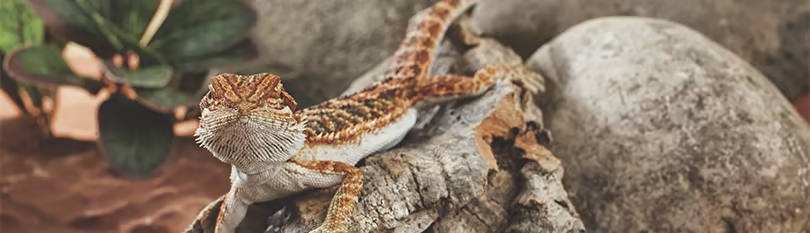
When it comes to reptile habitats, one of the most essential elements to creating a happy home for your pet is including the appropriate type of lighting. Zoo Med helps outline which lights are right for your pet.
Updated on November 13th, 2025
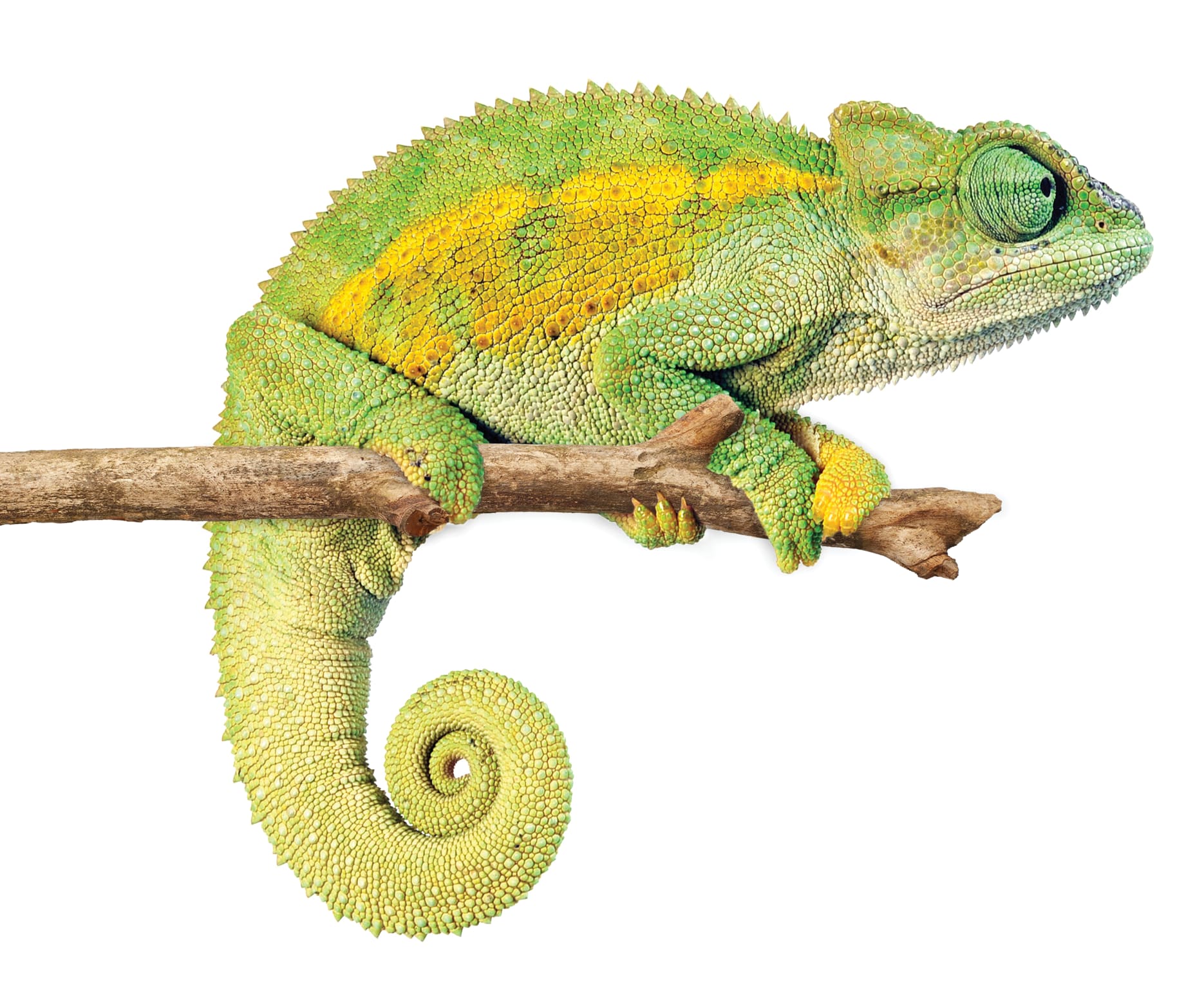
Learn how to care for cool climate Chameleons, recommended diet & habitat setup. Find the right food, supplies & equipment at your neighborhood Petco.
Updated on November 13th, 2025
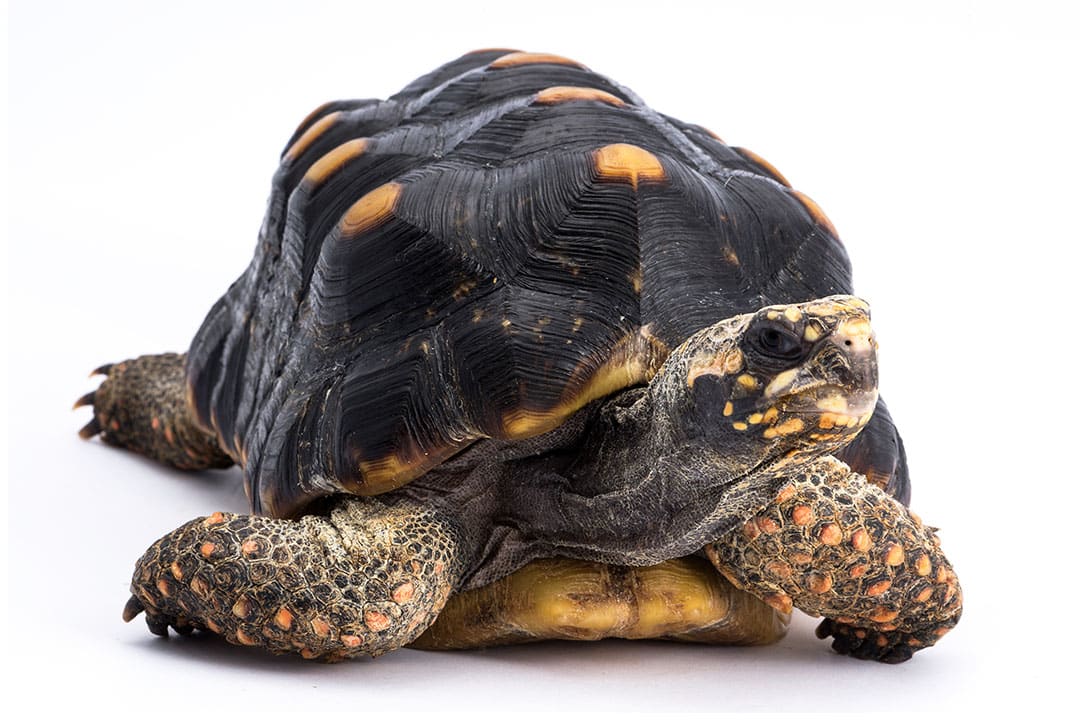
Learn how to care for tropical tortoise, recommended diet & habitat setup. Find the right food, supplies & equipment at your neighborhood Petco.
Updated on November 13th, 2025
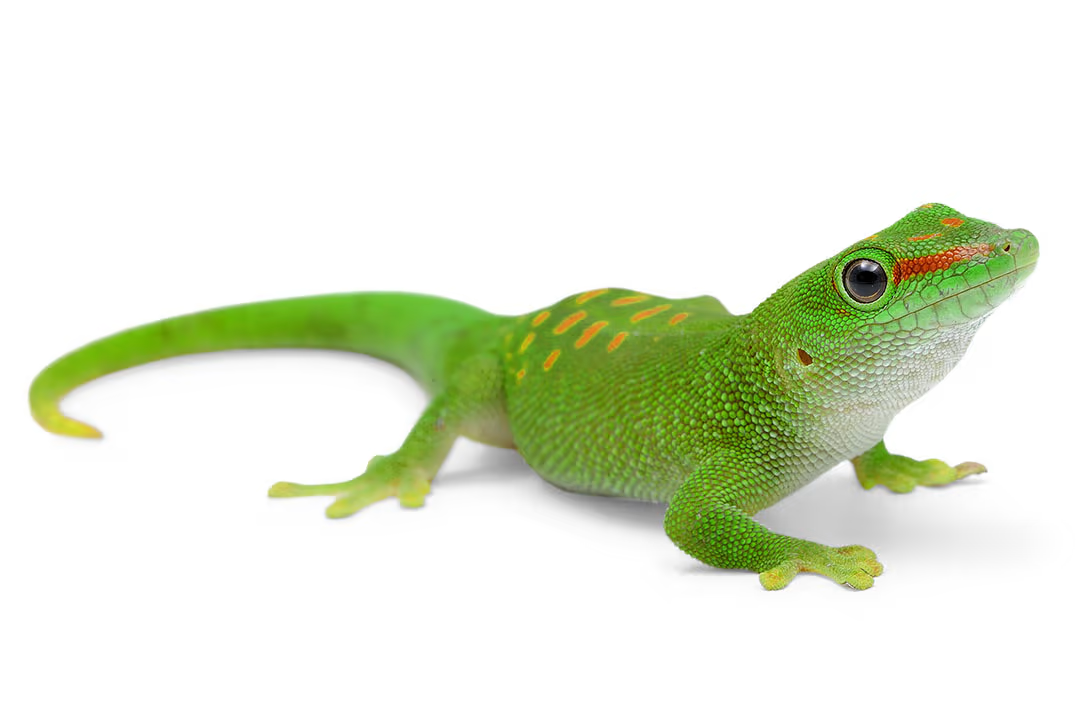
Learn how to care for a Giant Day Gecko, recommended diet & habitat setup. Find the right food, supplies & equipment at your neighborhood Petco.
Updated on November 13th, 2025
Regular cleaning and disinfecting of your pet's cage and accessories is one of the keys to keeping your reptile healthy. Learn how often you should clean your cage.
Updated on November 13th, 2025
Feed as many pellets as would fit in her head if it was empty. Do this once daily. Offer greens daily, in the morning about 2 hours after the heat/light comes on. Supplement with a multivitamin and calcium supplement several times a week. I like Rep-Cal HerptiVite and Rep-Cal Calcium (w/o D3 as long as she has UVB lighting). An incandescent bulb or spot light will be sufficient for use as a heat lamp. Use thermometers or an infrared temperature gun to monitor ambient temp and basking spot temp.
Updated on August 12th, 2025
It is always recommended to gut load all prey to maximize nutritional value. Crickets, mealworms and other prey typically arrive from suppliers with a piece of fruit or gel for moisture and cardboard or simple oats for food. When you get them home, offer a high quality baby cereal mix, tropical fish flakes and fresh greens and veggies. The nutrition they receive will then be passed on to Rio. Crickets are more nutritious than mealworms, especially adequately gut loaded crickets. Less chitin as well unless they are freshly molted mealworms. If you feed a diet such as Repashy, Rio shouldn't need additional calcium unless he has a deficiency. This would need to be diagnosed by your herp veterinarian. Since you feed other foods as well, he may not be getting enough calcium, so dusting any live prey would be recommended.
Updated on August 12th, 2025
As you probably know MBD is a metabolic disease due to lack of Calcium. Treatment must be done properly at your local vets, while prevention (or cure of mild forms of MBD) can be achieved by following these recommendations: Gut load live food prior to feeding making them more nutritious, dust live food with Nutrobal, Calcium, and/or Calcium D3, use correct UVB light, avoid excessive phosphorous in a diet (most fruits are high in P and low in Ca).
Updated on August 12th, 2025
Go back to basics. Check the temperature and humidity in the enclosure, make sure prey aren't too big and confirm she isn't ill or injured. This may require a physical exam with your veterinarian. Consider supplementing with Fluker's Repta-Boost, or similar product, to get additional nutrients and calories into her.
Updated on August 12th, 2025
Consider an exam with your veterinarian or an experienced herp vet to confirm good health. Provide the proper environment and a varied diet with calcium/vitamin supplementation. Regular handling is also recommended. You can read more about general care here: http://www.anapsid.org/leopardgek.html
Updated on August 12th, 2025