Two Easy Ways to Start Earning Rewards!
Earn 2X Pals Rewards points at Petco
when you use Petco Pay!
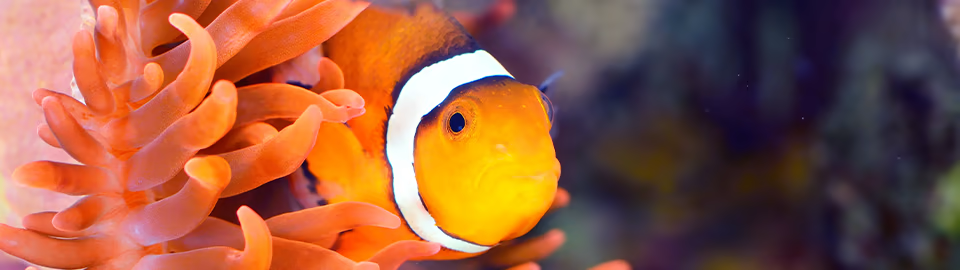
Learn about nitrates in your saltwater aquarium. Find out what is safe for your fish and how to improve your aquarium’s nitrate levels.
Updated on November 13th, 2025
Learn how to care for brackish water fish, recommended diet & aquarium setup. Find the right food, supplies & equipment at your neighborhood Petco.
Updated on November 13th, 2025
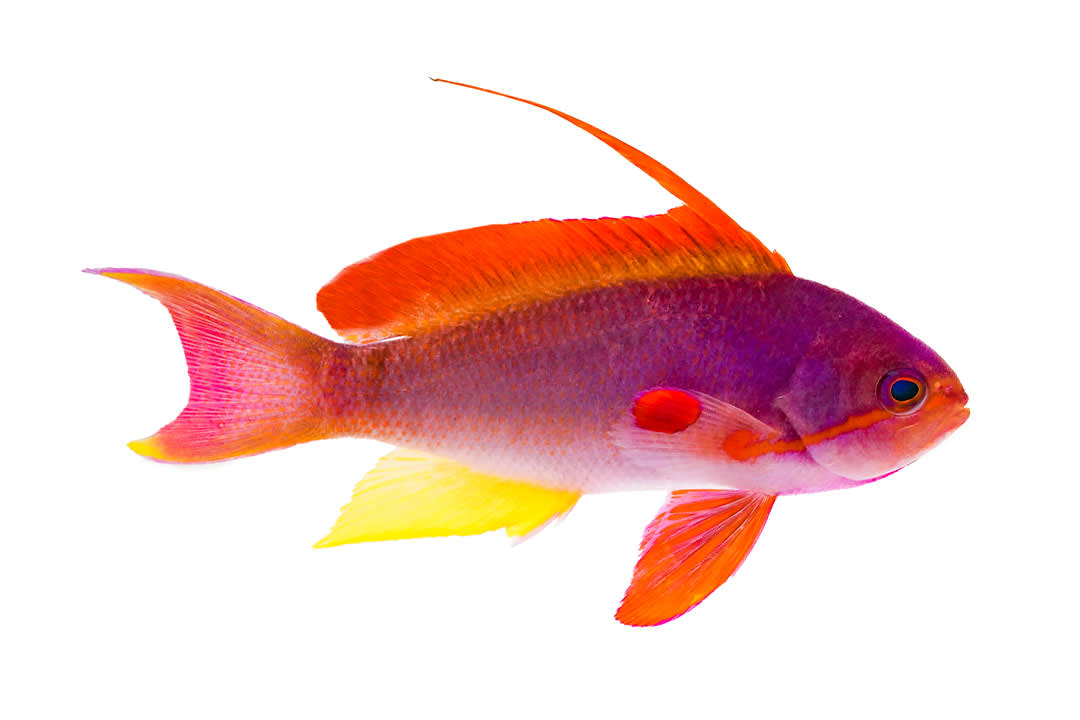
Learn how to take care of Anthias, recommended diet and tank setup. Find the right food, supplies and equipment at your neighborhood Petco.
Updated on November 13th, 2025
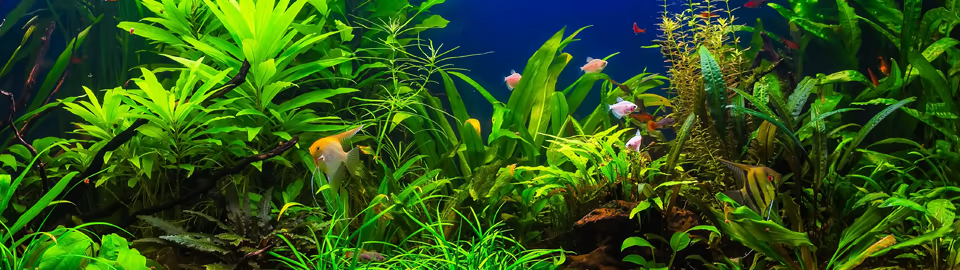
Search Petco to find out the harm of high nitrates in freshwater fish aquariums. We provide vital information to help keep your fish happy & healthy.
Updated on November 13th, 2025
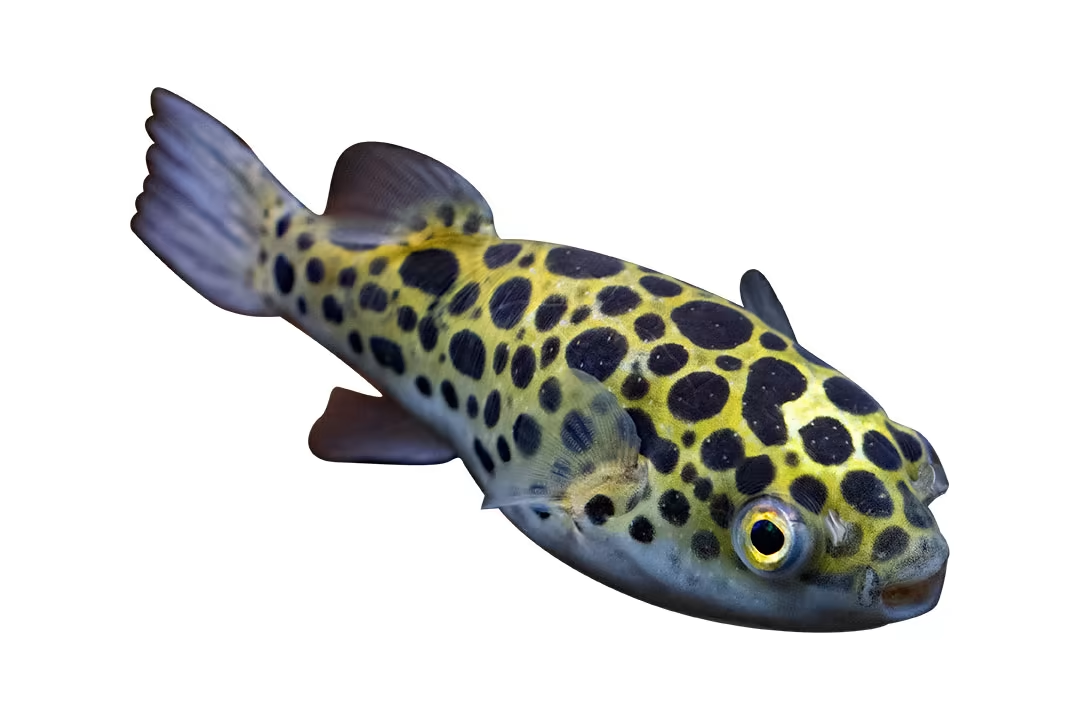
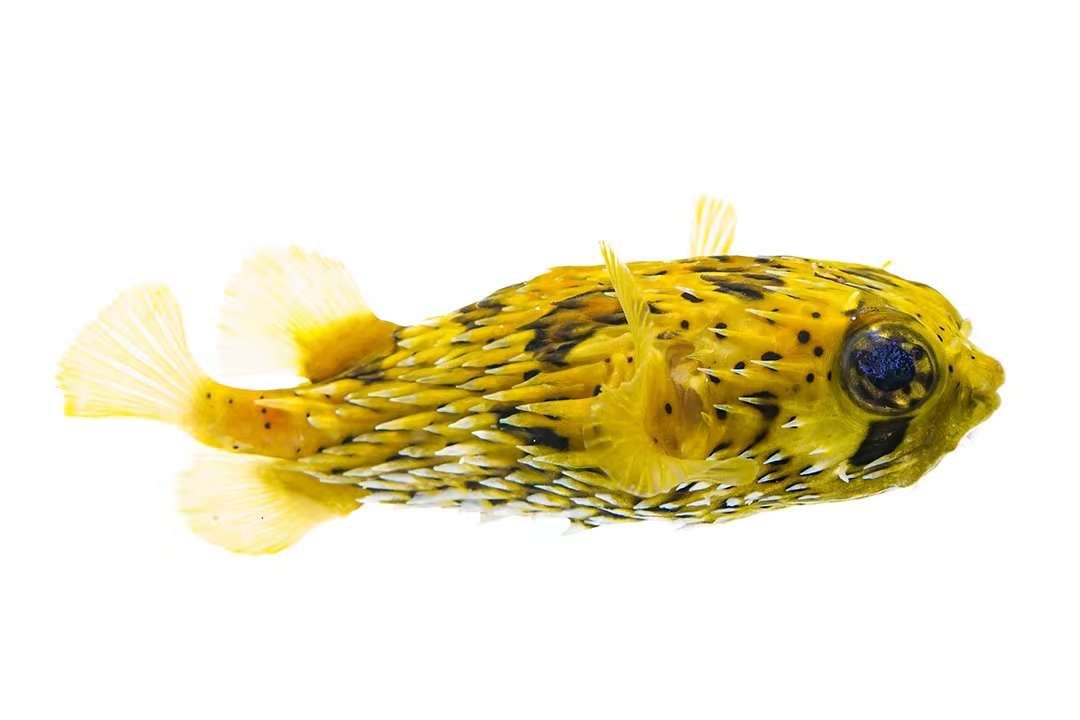
Learn how to take care of Puffer Fish, recommended diet and tank size. Find the right food, supplies and equipment at your neighborhood Petco.
Updated on November 13th, 2025
Salt water aquarium requires a great deal of regular maintenance to keep the fish alive. This can be helped by adding live rock (similar to live coral) to the aquarium. Below is a link to some great information for maintaining a salt water. aquarium.http://www.madhattersreef.com/20-ways-improve-aquarium-husbandry/ I hope that helps and all is well with your fish.
Updated on August 12th, 2025
A fish tank will need a filter, a light/hood and a heater. Make sure the filter is rated for at least twice the tank volume. The heater should be adjustable since water temperature will depend on the species of fish. Good "starter" fish include Tetras, Mollies, Danios or Tetras. A new tank should be set up and left running empty for several weeks before adding fish. A pinch of flake food can be sprinkled in daily. This "cycling" will allow a population of beneficial bacteria to colonize the tank and filter. These bacteria will break down wastes (ammonia, nitrites and nitrates) which are toxic to fish.
Updated on August 12th, 2025
Check water chemistry first. Use a home test kit or submit a water sample for testing. The local Petco may do this for free or for a small fee. Aim for an absence ( 0 ppm) of ammonia and nitrites with nitrates at 20 ppm or less. Perform partial water changes, no more than 30% at a time, to stabilize chemistry and/or to improve water quality. Use only conditioned water that is temperature matched to prevent stress or shock. Check water temp as well. Any of these can drive a fish to the surface. The "flashing" (darting about) can be due to infection (bacterial, fungal or parasites). Consider a broad spectrum antibiotic or an "all in one" product to treat multiple infections. Look in the Aquarium section of the local Petco for options. Follow label directions carefully and remove the carbon filter insert during treatment if indicated.
Updated on August 12th, 2025
The experts here on the forum at Boop by Petco do not work at Petco stores and I don't think anyone would have knowledge of inventory at local stores. I cannot find this particular product on the Petco website. It's possible that it's available at your local store and you could try giving them a call. There are a number of other fatty acid supplements listed on the Petco website that may or may not be available in your local store: https://www.petco.com/shop/SearchDisplay?searchTermScope=&searchType=12&filterTerm=&maxPrice=&top_category=&showResultsPage=true&langId=-1&beginIndex=0&advancedSearch=&sType=SimpleSearch&metaData=%5BLjava.lang.String%3B%4065f965f9&pageSize=24&manufacturer=&resultCatEntryType=2&catalogId=10051&pageView=grid&searchTerm=fatty+acid&minPrice=&urlLangId=-1&categoryId=10056&storeId=10151
Updated on August 12th, 2025
Hi, and thanks for your question. Begin by submitting a water sample for quality testing. Most pet stores will do this for free or a nominal fee. Clinical examination should always include a water quality check, even if you have done so already. Water testing should be performed with a quality test kit, measuring NH4, NO2 and NO3. High ammonia levels, PH imbalances may be responsible for these signs. Oxygen concentration and quality of the filters should be determined as well. If water quality is good and there are no major imbalances, your fish should get examined to look for any sign of bacterial/fungal infection and eventually water should be treated. Hope this answer was helpful, but please do not hesitate to contact us again on the forum or by requesting a consultation if you have any more questions or to discuss it any further. If this answer was helpful please let us know, this will be used to improve our service!
Updated on August 12th, 2025