Two Easy Ways to Start Earning Rewards!
Earn 2X Pals Rewards points at Petco
when you use Petco Pay!
Get It Today
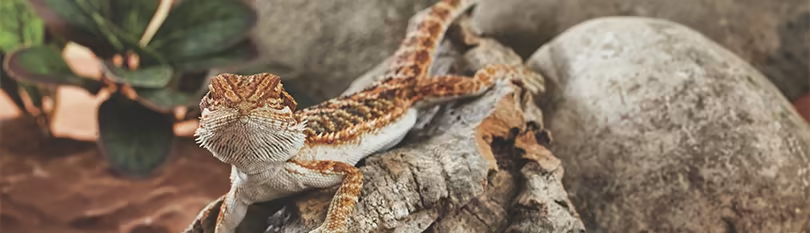
When it comes to reptile habitats, one of the most essential elements to creating a happy home for your pet is including the appropriate type of lighting. Zoo Med helps outline which lights are right for your pet.
Updated on November 13th, 2025
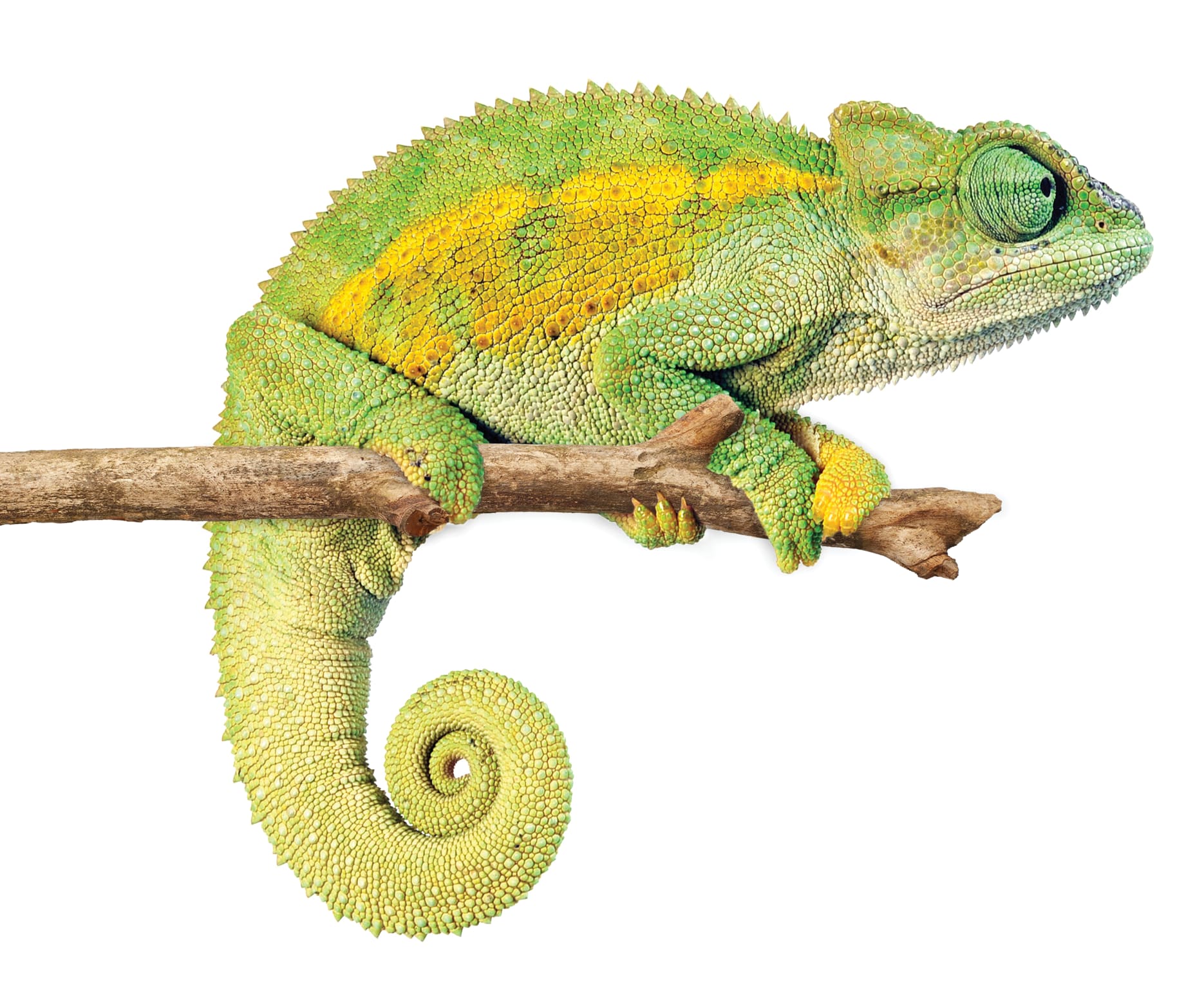
Learn how to care for cool climate Chameleons, recommended diet & habitat setup. Find the right food, supplies & equipment at your neighborhood Petco.
Updated on November 13th, 2025
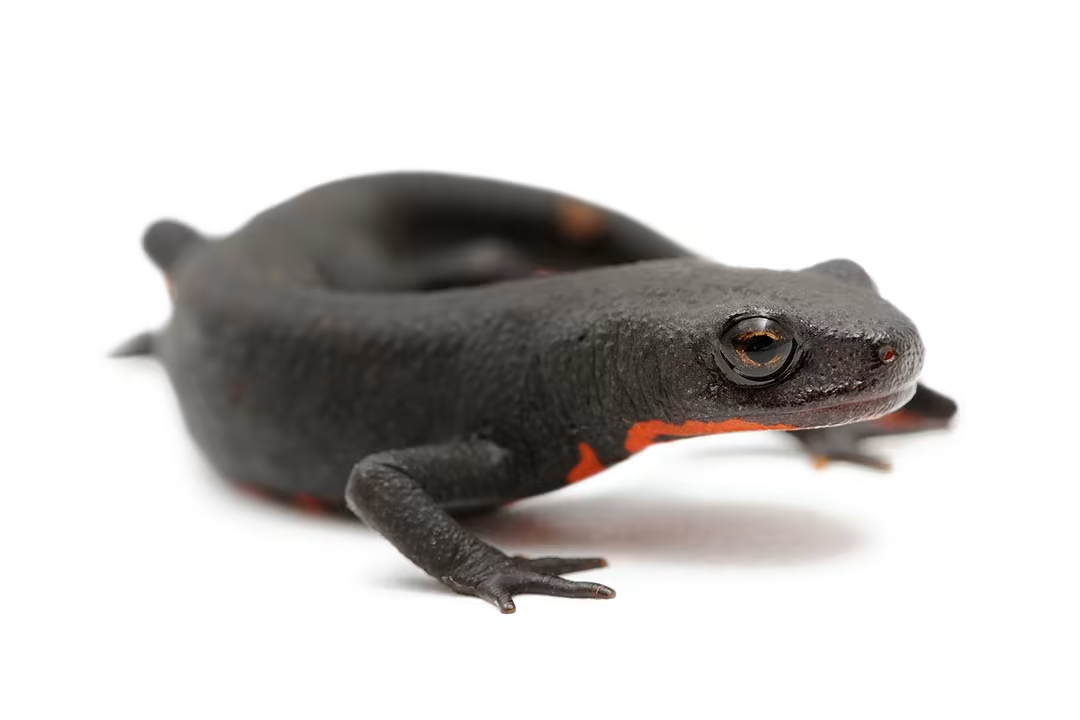
Learn How to Care for a Salamander & Newts, recommended diet and habitat setup. Find the right food, supplies and equipment at your neighborhood Petco.
Updated on November 13th, 2025

A few ideas to use to get your pet safely through a power outage, regardless of the time of year.
Updated on November 13th, 2025
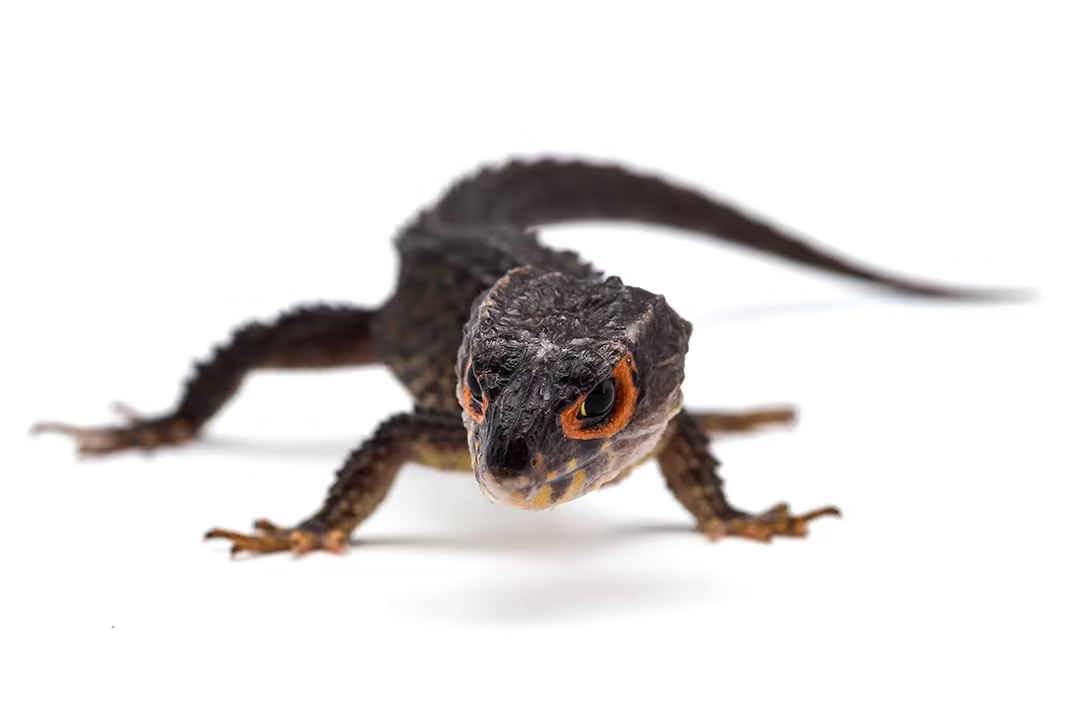
Learn how to care for Red-Eyed Crocodile Skink, recommended diet & aquarium setup. Find the right food, supplies & equipment at your neighborhood Petco.
Updated on November 13th, 2025
Thanks for your question about Smaug, and thanks for the photo as well! I think that you have a good start to your set up, and that we can tweak a few items. First, your lighting situation appears adequate - I see a UVB light (please change this bulb every 4-6 months), a basking light, and a ceramic heat bulb. I would ensure that your temperatures are appropriate for this species, and that you are monitoring them using digital thermometers (I think that you see both a digital and analog thermometers currently) at the level of Smaug. Analog thermometers are inaccurate, so I don't recommend using them (also, they are high up on the sides of the enclosure, so they wouldn't be giving an accurate temperature read for Smaug). For the cage furniture that you have, I like that you have places for Smaug to climb and hide. However, I would recommend having a hide on both the warm side of the enclosure and the cool side so that Smaug has choices. Same for the climbing structures. I may have misse
Updated on August 12th, 2025
Hi, For heat you could do a number of things e.g. place any incandenscent bulb above him, place other types of heaters near the tank etc. Please make sure that the temperature is not too high. As for food, this is more of a problem. If he's used to eating crickets it would be difficult to switch him at once to something else. I assume meal worms or otjer insects are also unavailable? You could very temporarily try some soft cat food but it may not work.
Updated on August 12th, 2025
Leopard geckos are great "starter" reptiles. They don't require special lighting (UVB) like other reptiles. A 20 gallon tank is big enough for one. Add a heat source, hides and a water bowl and you are good to go. You can review gecko care at the links below. http://www.reptilesmagazine.com/Care-Sheets/Lizards/Leopard-Gecko/ http://www.anapsid.org/leopardgek.html
Updated on August 12th, 2025
Why change a working system? You are obviously doing very well in the way you keep your turtle. Since apparently your turtle is doing well, it is getting everything it needs with the Reptomin. You could try offering it leafy greens, freeze-dried shrimp or krill, crickets, superworms, rosy red minnows and even pinky mice as an occasional treat.
Updated on August 12th, 2025
Here are some tips on how to care for pets who require continuous heat, such as reptiles and snakes: - Before a power outage, if possible, buy a generator. This will allow you to keep your reptiles warm during the outage. - Amphibians will do okay without heat for a period of time. Try to limit the number of times you open the habitat. - For a heat source, you can go to your local sporting goods store and purchase the heat packs used to warm feet and hands. These can be placed underneath the habitat (just like you would place an electric heating pad). This will allow your reptile to get heat. Do not put the pack into habitat with the reptile. - Another way to warm cold reptiles is to use a pillowcase. Place the reptile gently in the case and place the pillowcase next to your body under your shirt for warmth. - Pillow cases can also be used to transport reptiles if needed. - Do not feed your reptile as they need heat to digest their food. - You can save plastic milk
Updated on August 12th, 2025