Two Easy Ways to Start Earning Rewards!
Become a member today! Members-only pricing and offers, personalized care notifications, Vital Care points back on every purchase and more!
 Become a credit card member today!
Earn 2X Pals Rewards points at Petco
when you use Petco Pay!APPLY NOWLearn More About Petco Pay Benefits
Nature Zone Reptile Health & Wellness


Related Articles & Questions
- Food & Nutrition
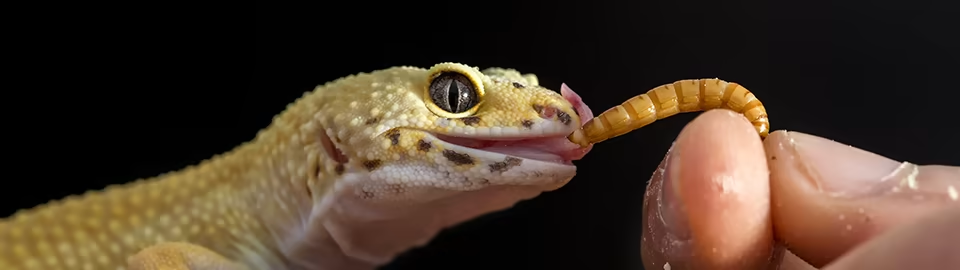
Optimal Reptile Diet: Feed Your Pet for Peak Health & Vitality
Do you have questions about what to feed a reptile? Petco has the answers! Visit us to learn about reptile dietary needs.
Updated on November 13th, 2025
- New Pet
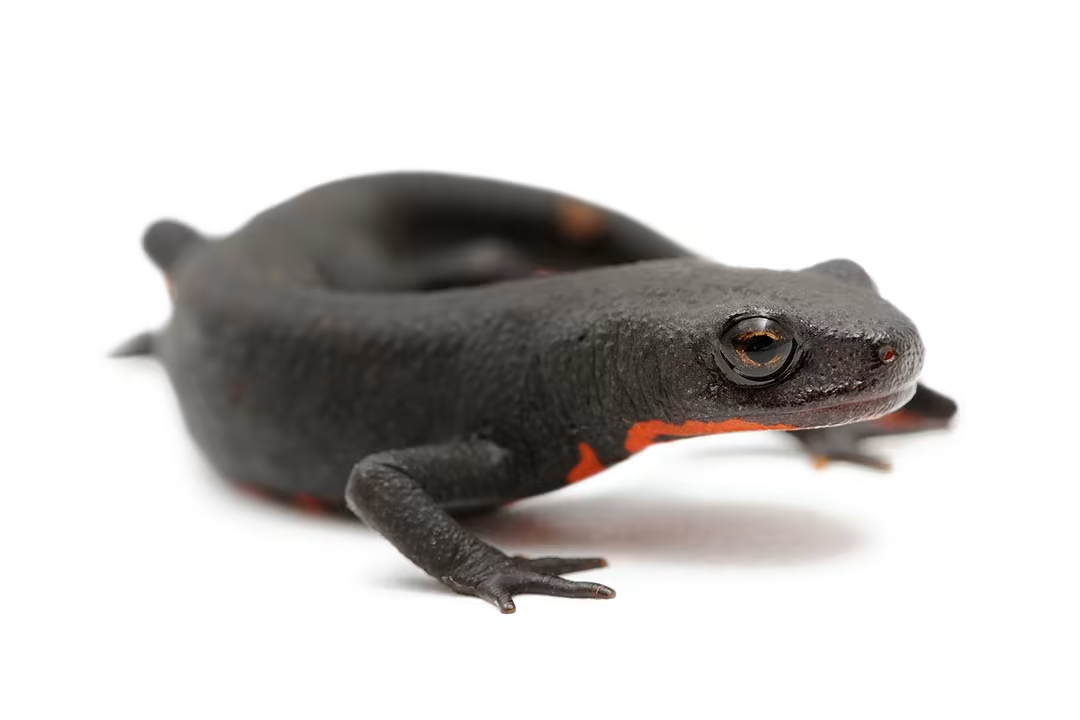
Mastering Pet Salamander & Newt Care: Food, Habitat, Health Guide
Learn How to Care for a Salamander & Newts, recommended diet and habitat setup. Find the right food, supplies and equipment at your neighborhood Petco.
Updated on November 13th, 2025
- New Pet
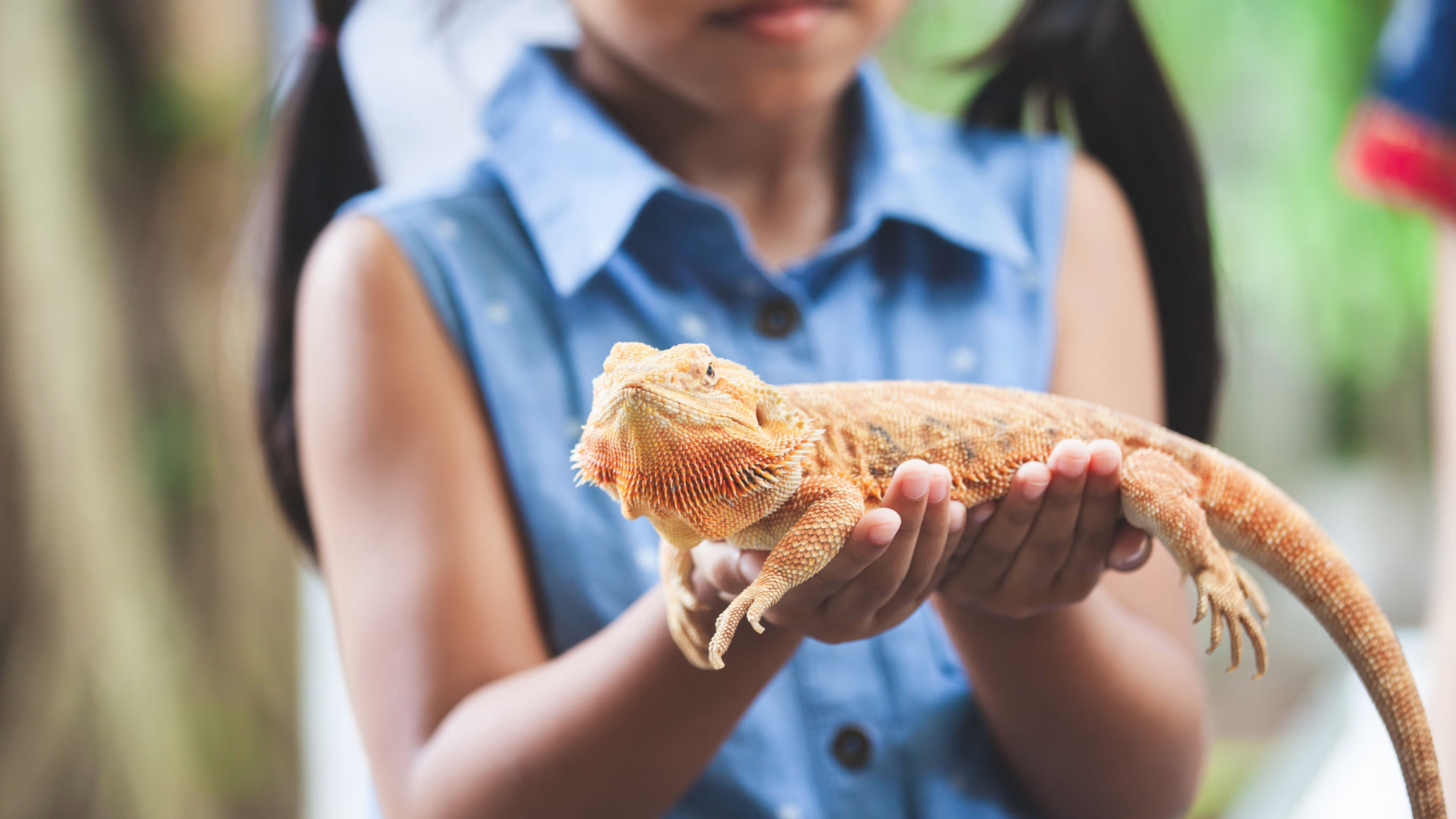
How to Safely Handle Reptiles: Stop Salmonella, Protect Your Family
Read more about our recommendations for preventing the transmission of infectious diseases in reptiles. Keep pets safe with these best practices.
Updated on November 13th, 2025
- New Pet
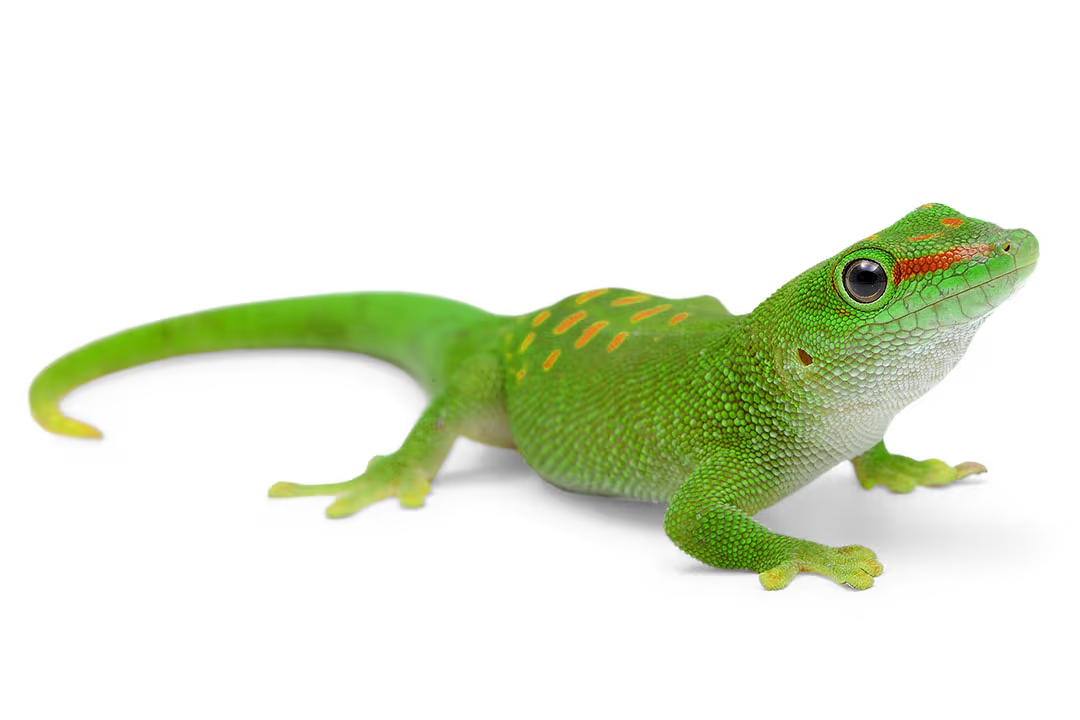
Raise a Thriving Giant Day Gecko: Habitat, Food & Health Guide
Learn how to care for a Giant Day Gecko, recommended diet & habitat setup. Find the right food, supplies & equipment at your neighborhood Petco.
Updated on November 13th, 2025
- New Pet
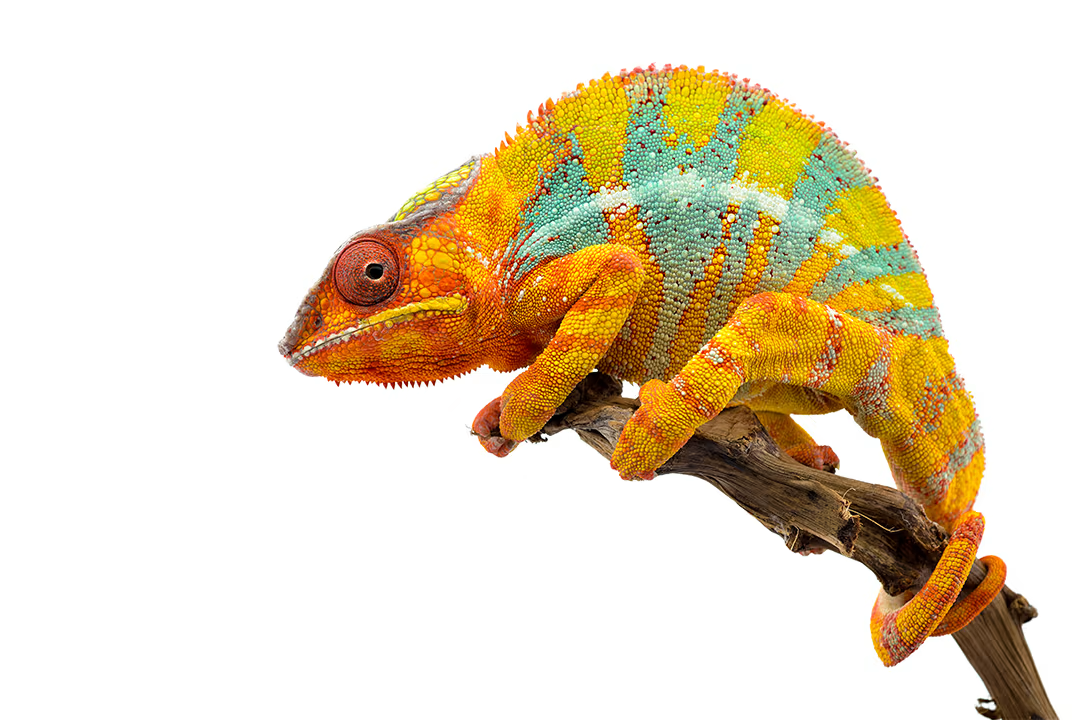
Panther Chameleon Care: Master Habitat, Diet & Health Secrets
Learn how to take care of your Panther Chameleon, tank size, diet & habitat setup. Find the right food, supplies and equipment at your neighborhood Petco.
Updated on November 13th, 2025
- Health & Wellbeing
I have a nile monitor and would just like to know some in dept tips on how to make sure he is getting what he needs and how he acts.
Thanks for reaching out about Sanic and including photos. Several of the nationally renowned herpetological societies (Chicago, Arizona), have good online information on husbandry and diet. As medical advise, an initial visit with a veterinarian for a physical examination and fecal testing (at least) is recommended. Annual visits are also recommended as follow ups. Husbandry and nutrition are key starting points for long term health, just like in people. A well rounded diet with multiple components, is more likely to avoid vitamin and mineral deficiencies and excesses. As with any animal, exercise is important. Good luck.
Updated on August 12th, 2025
- Health & Wellbeing
My sister's cat brought in a Southern Alligator Lizard and we have been trying to provide what we can to help him. He lost his tail, he's about 4 in. long, and mildly sluggish. He is docile and has not displayed any aggression and allows us to hold a
Just like any reptile, these guys are going to require special habitats and nutritional requirements in order to maintain their health. This will include special lighting UVB, special substrate, and supplemental heating. Here is a link to some information on the general care of these guys: http://www.repticzone.com/caresheets/367.html This should get you started off pretty good on general husbandry and care. The main concern you should have is making sure that there are no injuries to it since your cat grab it pretty good. He may be sluggish right now just from the general shock of the entire experience, but if his demeanor doesn't start changing soon, I would look into finding a reptile vet or wildlife rehabber to obtain some advise and/or medical treatments. Hope this helps.
Updated on August 12th, 2025
- Health & Wellbeing
Is my set up for my bearded dragon good? (See attachment)
Thanks for your question about Smaug, and thanks for the photo as well! I think that you have a good start to your set up, and that we can tweak a few items. First, your lighting situation appears adequate - I see a UVB light (please change this bulb every 4-6 months), a basking light, and a ceramic heat bulb. I would ensure that your temperatures are appropriate for this species, and that you are monitoring them using digital thermometers (I think that you see both a digital and analog thermometers currently) at the level of Smaug. Analog thermometers are inaccurate, so I don't recommend using them (also, they are high up on the sides of the enclosure, so they wouldn't be giving an accurate temperature read for Smaug). For the cage furniture that you have, I like that you have places for Smaug to climb and hide. However, I would recommend having a hide on both the warm side of the enclosure and the cool side so that Smaug has choices. Same for the climbing structures. I may have misse
Updated on August 12th, 2025
- Health & Wellbeing
1)Raptor didnt shed real well because he only shed his back legs and neck. 2)Both of his eye are shut. 3)green liquid on his enclosure bedding.
Soak Razor in warm water for 15-20 minutes. Gently rub off any loose shed but do not pull or tear at it. If he is wiggly, you can place him in a small container with paper towels moistened with warm water for 15-20 minutes. The moist heat and humidity should help with the shed. Make sure he can breathe in the container. You can put this moist hide in his enclosure so he has a place to go when he is shedding. Monitor his stool and submit a sample to your vet to diagnose intestinal parasites if you see more "green liquid".
Updated on August 12th, 2025
- Health & Wellbeing
What should I feed my red ear slider with shell pyramiding and how often?Also which heat lamp would you recommend?Picture 1 or 2?How many watts should I get for the heat lamp?
A proper diet for red-eared sliders includes a complete pellet, such as those made by ReptoMin, and dark leafy green vegetables. This can be fed once per day, and the amount should be based on how many pellets Cooper can eat in 5-7 minutes. This is just a guideline, and your veterinarian can help you to determine if this is appropriate based on Cooper's body condition score (i.e. whether she is overweight or not). For a heat lamp - photo 1 just looks like the dome, and there doesn't appear to be a bulb in it. The second lamp looks like it is a daytime only heat lamp - it is often beneficial to have a heat source that can be used during the day or at night, and if that is what you are looking for, I would recommend a ceramic heat bulb. If you are looking for only a daytime basking bulb, there are many brands that would be appropriate. The key words that you should look for are "daytime basking bulb." For watts - it depends on how far the bulb is away from your turtle - there are some b
Updated on August 12th, 2025