Two Easy Ways to Start Earning Rewards!
Become a member today! Members-only pricing and offers, personalized care notifications, Vital Care points back on every purchase and more!
 Become a credit card member today!
Earn 2X Pals Rewards points at Petco
when you use Petco Pay!APPLY NOWLearn More About Petco Pay Benefits
Fritz Fish Health & Wellness
Get It Today


Related Articles & Questions
- New Pet
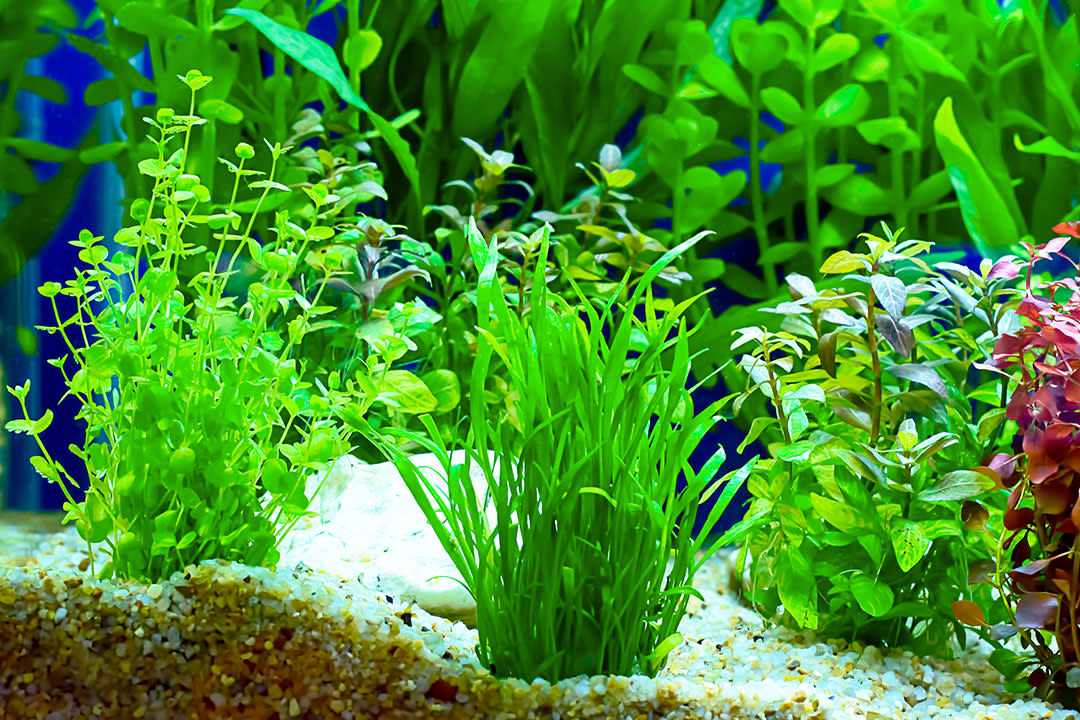
Master Aquatic Plant Care: Lush Aquarium Plants & Happy Fish
Tanks with live plants can be excellent additions to your home, bringing a touch of nature indoors. Learn how to take care of aquatic plants.
Updated on November 13th, 2025
- Health & Wellbeing
Is Your Aquarium Fish Sick? Spot & Treat Cotton Wool Disease Fast!
Cotton wool disease is a common ailment that affects aquarium fish. Learn more about the signs, symptoms and treatment solutions at Petco.
Updated on November 13th, 2025
- Home & Habitat
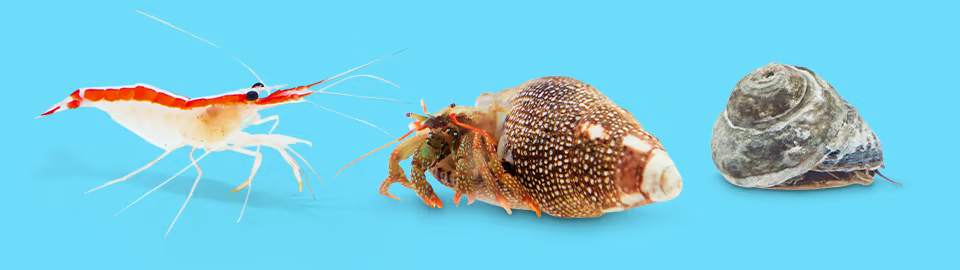
Saltwater Cleanup Crew: Banish Algae, Keep Your Tank Pristine
Visit Petco to learn about cleanup crews and how they can help your aquarium health.
Updated on November 13th, 2025
- New Pet
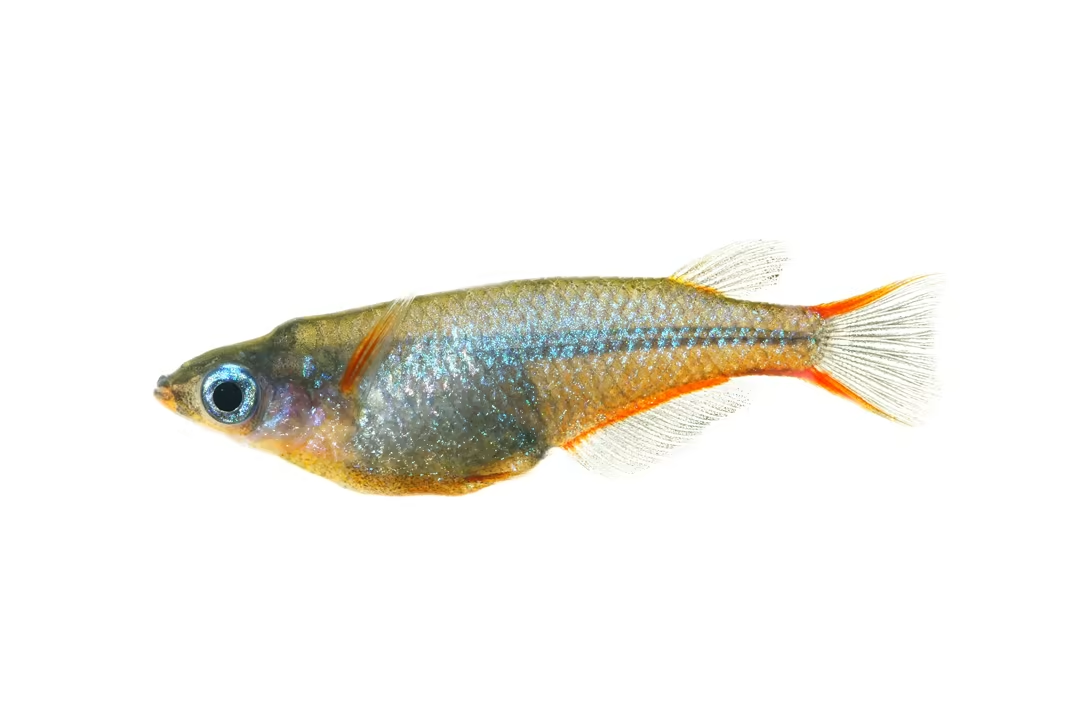
Complete Ricefish Care: Setup, Diet, & Habitat for Thriving Fish
Learn more about these slow moving fish and the care they need when added to your aquatic environment.
Updated on November 13th, 2025
- Health & Wellbeing
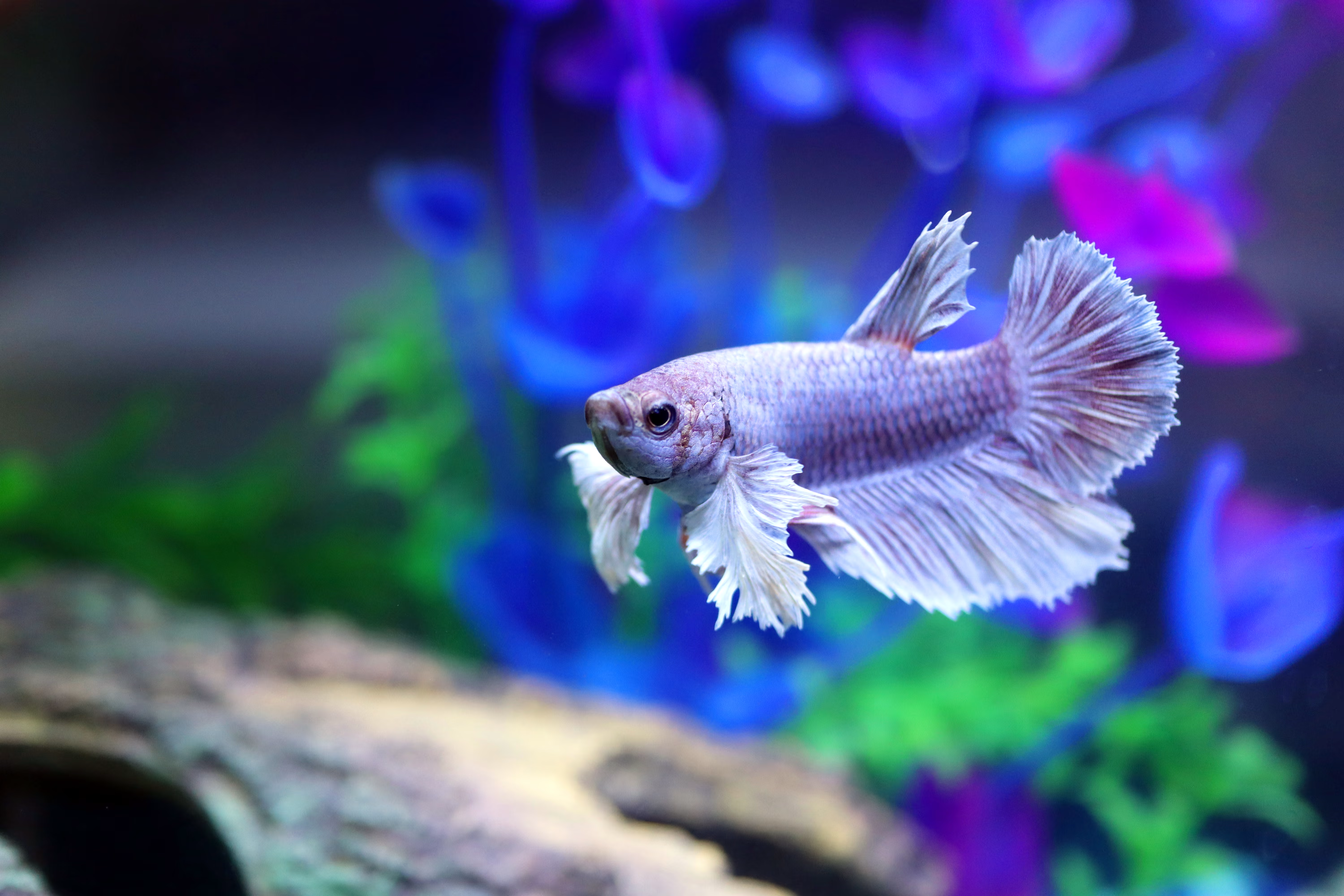
Play with Your Betta Fish: Easy Ways to Engage & Keep Them Happy
You may not take your betta fish for a walk, but this aquatic pet still needs daily activity. Petco shares how to encourage daily exercise and play into your betta fish's life.
Updated on November 13th, 2025
- Health & Wellbeing
My fish have white fuzz all over their bodies. I have been treating them since Monday and it keeps spreading am I treating them the wrong way? Is there more I should be doing.
Maintain pristine water quality. This is the foundation of treatment. It will require partial water changes every few days and a complete cleaning of the substrate (if any) and any tank furniture. I see you have frogs, which can make treatment trickier. In tanks without amphibians or scaleless fish, plain aquarium salt (NOT table or Epsom salt) can be used at 1 tablespoon per 5 gallons of water for 14 days. You can remove the frog(s) and treat them separately if you want to use salt. The Pimafix, or Melafix also, can be used in conjunction with salt.
Updated on August 12th, 2025
- Health & Wellbeing
My fish has fin rot and seems lethargic. He will just sit at the bottom of his tank or in his flower. He might also have a swim bladder issue. What can I do to fix him?
Check the water chemistry and quality first. Poor quality can predispose him to infection. Use a home test kit or submit a water sample for testing. Your local Petco may do this for free or for a small fee. If ammonia and/or nitrite levels are elevated, perform partial water changes until both read 0 ppm and nitrates are 20 ppm or less. Use only conditioned water that is temperature matched to prevent further stress or shock. Providing pristine water quality is the foundation for treatment and healing. Check the water temperature since low temps can affect appetite and activity in fish. If the water is too warm, it can also affect activity since warm water does not hold as much oxygen as cooler waters. Fast the fish for 2-3 days then feed tiny bits of cooked and shelled green peas. This will aid in defecation if there is constipation. Plain aquarium salt (not table salt or Epsom salt) can be used for most fish as a general tonic to reduce stress, improve gill function, treat minor in
Updated on August 12th, 2025
- Health & Wellbeing
All of my fish died after using a product purchased at Petco called ACUREL-F. How do I get their water safe to put in new fish?
I would recommend to have the water completely changed. New water should be ideally submitted for quality testing. Most pet stores will do this for free or a nominal fee. High ammonia levels, PH imbalances may be responsible for that as well. Oxygen concentration and quality of the filters should be determined as well. Please do not hesitate to contact us again on the forum or by requesting a consultation if you have any more questions or to discuss it any further.
Updated on August 12th, 2025
- Health & Wellbeing
Are these steps good for this fish's wound and finrot? Part of the fish fin fell off but it is okay now. We're planning to quarantine him and use aquarium salt. Is there any last minutes subs for the salt? Tomorrow is Christmas so the stores will be
Generally speaking you can follow these guidelines: - set up quarantine tank: make sure the tank is well oxygenation and has some plants for hiding; - add 1 teaspoon of aquarium salt per gallon; unfortunately it is very difficult to replicate the composition of aquarium salt back home so I would strongly suggest to buy a specific product. - add this product https://www.liveaquaria.com/product/4410/?pcatid=4410 as indicated; - leave your fish there and feed him regularly for 3-4 days until you don't see any improvement - If no results at all are seen after 4 days a check up would be needed as more specific tests may be needed to establish a specific diagnosis. Hope this answer was helpful, but please do not hesitate to contact us again on the forum or by requesting a consultation if you have any more questions or to discuss it any further. Please find the time to give us a feedback about the consultation as that will be used to improve our service.
Updated on August 12th, 2025
- Health & Wellbeing
My fish is laying down at the bottom of the tank.
If persistent this is a very concerning but generic sign, which requires a logic but quite radical approach. Begin by submitting a water sample for quality testing. Most pet stores will do this for free or a nominal fee. High ammonia levels, PH imbalances may be responsible for that. Oxygen concentration and quality of the filters should be determined as well. If water quality is good and there are no major imbalances, your fish should get examined to look for any sign of bacterial/fungal infection and eventually water should be treated. Hope this answer was helpful, but please do not hesitate to contact us again on the forum or by requesting a consultation if you have any more questions or to discuss it any further.
Updated on August 12th, 2025