Two Easy Ways to Start Earning Rewards!
Become a member today! Members-only pricing and offers, personalized care notifications, Vital Care points back on every purchase and more!
 Become a credit card member today!
Earn 2X Pals Rewards points at Petco
when you use Petco Pay!APPLY NOWLearn More About Petco Pay Benefits
Fritz Fish Fungus & Bacteria Control


Related Articles & Questions
- Health & Wellbeing
Cloudy Fish Tank? Find Causes, Get Crystal Clear Water & Happy Fish!
Have cloudy water in your fish tank? In order to clear up your water, first you need to understand the potential causes to apply the correct solution.
Updated on November 13th, 2025
- Health & Wellbeing
High Nitrates in Your Fish Tank? Protect Fish Health & Prevent Deaths
Search Petco to find out the harm of high nitrates in freshwater fish aquariums. We provide vital information to help keep your fish happy & healthy.
Updated on November 13th, 2025
 Product Guides
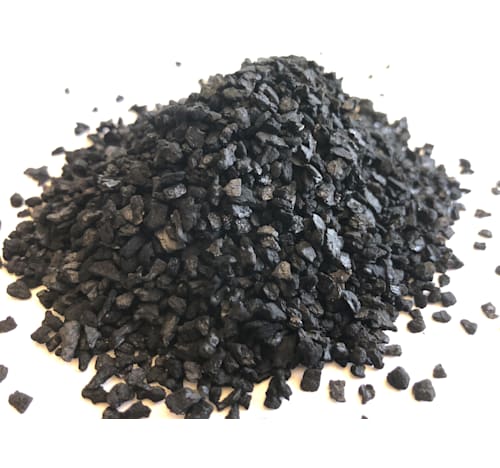
Activated Carbon for Aquariums: Get Crystal Clear Water & Healthy Fish
What is activated carbon and should you add it to your aquarium filter? Learn about activated carbon's uses, maintenance, and how to add it to your filter.
Updated on November 13th, 2025
 New Pet
Aquatic Pet Owners: Stop Invasive Species, Save Our Waterways
Read about Habitattitude and Petco's commitment to protect our environment. At Petco, animals always come first. Learn how you can help.
Updated on November 13th, 2025
- Health & Wellbeing
Turtle & Tortoise Bacterial Infections: Spot, Treat, Prevent
Learn about the common bacterial infections of turtles and tortoises and their corresponding treatments.
Updated on November 13th, 2025
- Health & Wellbeing
Please help I love my Fish more than anything and one of them is lying on the ground with white stuff peeling off It and One of them is swimming around and it has the same white stuff all over it and it’s fins are like pushed down and all of my 11 fi
Thanks for reaching out about Fish. Test and correct water quality for pH, ammonia, nitrites and nitrates. If all fish are affected, water quality problems the most likely. Alteration can lead to increased mucous production from the skin (white stuff), but fungal dermatitis or parasites are also possible. A veterinary visit is recommended if the water quality if appropriate, to assess and provide a diagnostic/treatment plan. Good luck.
Updated on August 12th, 2025
- Health & Wellbeing
I keep axolotl and am having a continuous fungus problem, my water tests are great. I can provide the parameters if I actually speak with someone. It’s been a period of a few months and the fungus keeps coming back. This is just one of them 3 out of
Thanks for reaching out about your axolotl. Fungal spore are ubiquitous in the environment but a UV sterilizer can help. There are anti-fungal treatments to add to the water or dip treatments that could also help. A veterinary visit is recommended to assess and provide a diagnostic/treatment plan. Fungal infections are usually secondary problems, so review environmental parameters such as water temperatures, pH, ammonia, nitrates and nitrites. Review diet to ensure well rounded nutrients. If wanted, you can arrange for a private consultation. Good luck.
Updated on August 12th, 2025
- Health & Wellbeing
After using metronidazole 400mg×2 tablets in 75 litre aquarium tank, my two parrot fish has thread like some seeing near gills and genital area ? How to treat them ?
Without an image, it is difficult to make detailed recommendations. In general, maintain pristine water quality and chemistry. Monitor for elevated ammonia or nitrite levels and perform partial water changes as needed. Use only conditioned water that is temperature matched to prevent stress or shock. Consider adding in a second antibiotic, such as Kanamycin, to treat gram negative bacterial infection. When treating the tank, be sure to remove the carbon filter insert during treatment.
Updated on August 12th, 2025
- Health & Wellbeing
My 8 year old comet esco is getting these white spots on his back. He is a white spot survivor, but this does not look like white spot. In the pictures below, their is a shiny pink/ white growth on his tail, head back fins ect. He is eating and s
It could be early ich (white spot) infection or another infection (bacterial or fungal). To be safe, separate him into a quarantine tank and monitor for any change. You can treat for ich as you did it in the past if indicated. Bacterial and fungal infections have different treatments, so I would be hesitant to recommend a specific medication without more information or a definitive diagnosis. You can use plain aquarium salt (NOT table salt or Epsom salt). As a general tonic to reduce stress, increase gill function, treat minor infection of many types and to aid in recovery. This can be added to the quarantine tank at 1 teaspoon per gallon of water. Treat for 10-14 days then reassess the condition.
Updated on August 12th, 2025
- Health & Wellbeing
My goldfish is covered in red splotches and has two large white fuzzy bulbs on the top of its head. Also there appears to be long stringy things attached to its body. My fish does not swim to the top of the tank when fed, eats less, and is lethargic.
Thanks for reaching out about Gerald. First, test and correct water quality for pH, ammonia, nitrites and nitrates, as first need healthy conditions to prosper. A veterinary visit can assist with a skin scrape and microscopic examination in an attempt to conclude a diagnosis and prescribe a treatment. Infections, parasites, water quality and dietary deficiencies are just a few of the potential problems. Antibiotics in the water do not penetrate deep and do not treat internal infections, this would require oral or injectable medications. Good luck.
Updated on August 12th, 2025