Two Easy Ways to Start Earning Rewards!
Earn 2X Pals Rewards points at Petco
when you use Petco Pay!
Get It Today
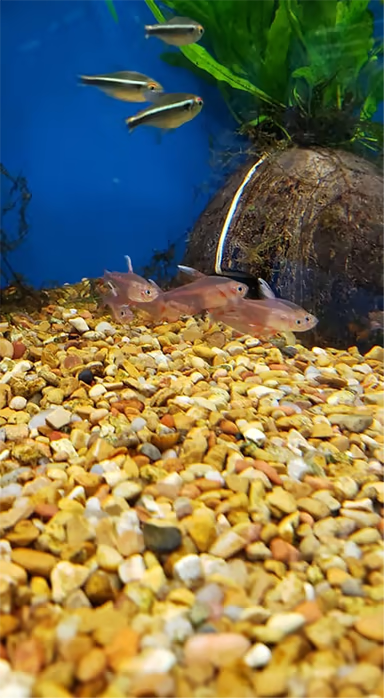
Choosing the right substrate for your aquarium is important and provides an area for beneficial bacteria to grow which keeps your aquatic environment safe.
Updated on October 29th, 2025
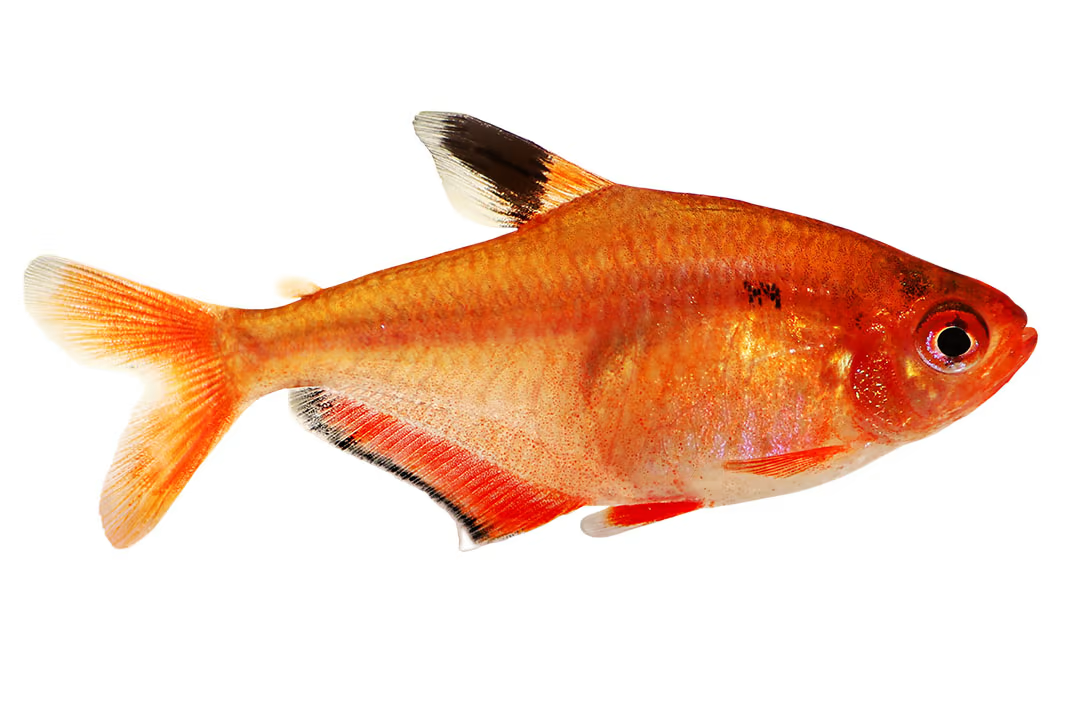
Learn how to care for freshwater community fish, recommended diet & aquarium setup. Find the right food, supplies & equipment at your neighborhood Petco.
Updated on October 29th, 2025
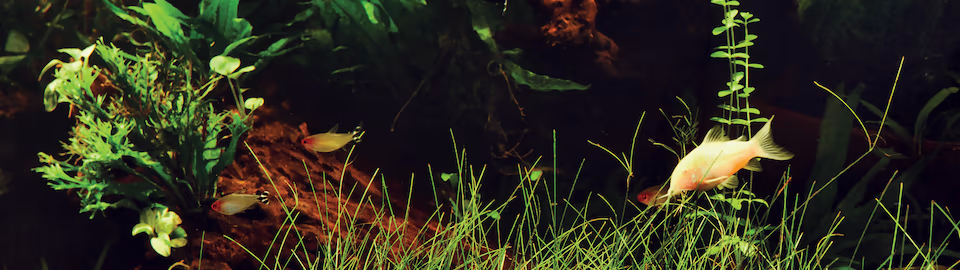
Learn how to pick the right aquarium plants, substrate, lighting, and fertilizers to ensure that your aquarium plants thrive and stay healthy.
Updated on October 29th, 2025
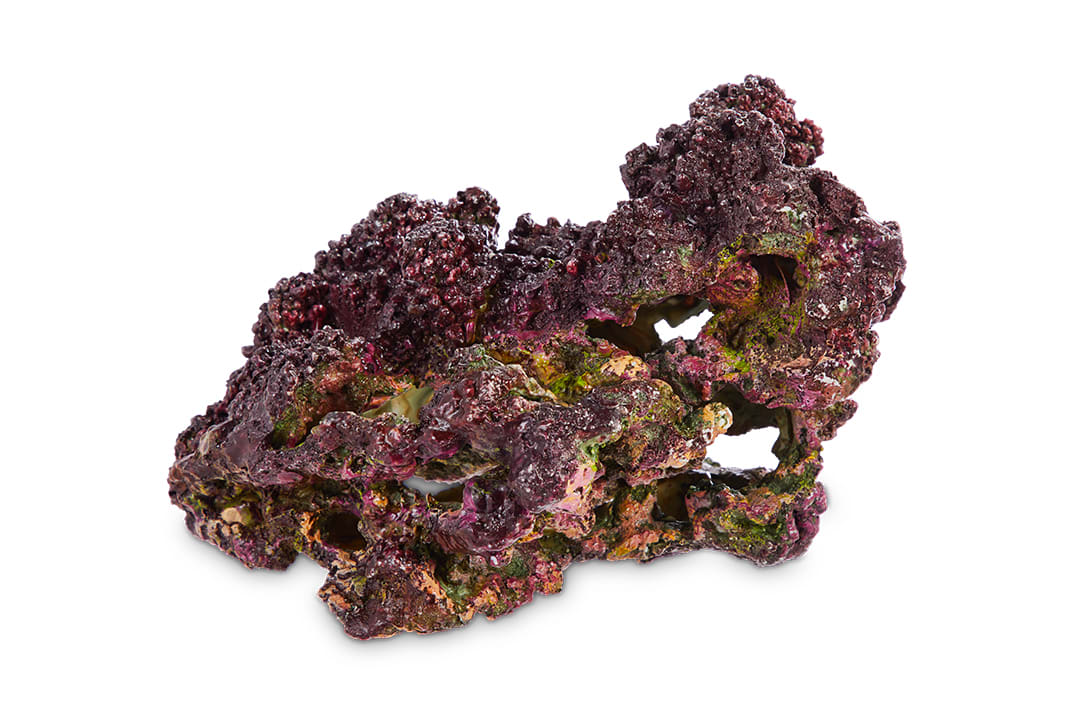
Learn how to care for live rock & sand. Live rock serves as a platform for coral and invertebrates and provides a surface for beneficial bacteria to live.
Updated on October 29th, 2025
Learn how to use aquarium salt in freshwater aquariums to promote healthy gill functions, reduce stress, and treat infections in fish.
Updated on October 29th, 2025
Our Standard Aquarium Plant Pack provides a convenient solution for your dilemma. This package includes Micro Sword or Dwarf Hairgrass, Anubias Nana or Anubias Barteri Round Leaf, Java Fern, Red Cryptocoryne or Green Cryptocoryne, Water Sprite, Hornwort, and Cabomba. http://www.liveaquaria.com/product/prod_display.cfm?c=768+2145+2146&pcatid=2146 A substrate specifically designed for live aquarium plants such as CaribSea Eco-Complete Plant Substrate is recommended for long-term success. http://www.drsfostersmith.com/product/prod_display.cfm?pcatid=9087 Be sure to provide proper lighting conditions by employing aquarium light fixtures specifically designed for planted aquarium use.
Updated on August 12th, 2025
Thanks for using Boop by Petco! Ideally, no. It is better to use coarse small rocks instead of sand and in general it would be better to get them from the store where they come already clean and free of other organisms which may affect the environment of the tank. Good luck!
Updated on August 12th, 2025
You can, however it isn't as simple as collecting a few bucketsful and dumping them in your tank. You will need to properly clean the sand to remove impurities and parasites. This involves soaking the sand, water changes, more soaking amd more water changes. It may take several weeks. There are videos you can watch on the bigger video hosting sites. It is much easier, and safer for your fish, to buy sand that has been prepared already.
Updated on August 12th, 2025
That's terrific news! It is great to read of your frog's recovery. Most keepers will keep a bare bottom tank. This will prevent ingestion of substrate and makes finding food easier for the frogs. It also makes it easier to keep the tank clean. Sand would be fine. If they inadvertently ingest some, it should pass easily. If you decide on gravel or river rock, make sure it it large enough to prevent ingestion.
Updated on August 12th, 2025
Sand substrate is always a problem as it promotes decay and anaerobic bacteria. If you need sand in a tank for a fish species (none of the ones you mentioned above actually need sand) you should not use it in the whole aquarium , but only in a small spot to accomodate the fish. Rust-colored spots on the glass and gravel are due to diatom algae. They likely were brought in with the silicates in the sand.Diatom algae need the silicates to make a shell they carry around with them. Remove the silicates, and the algae should die. Removing silicates can be done with a silicate and phosphate filter, or, in your case, I would remove the sand completely and refill your aquarium with washed gravel. Algae also need lots of nutrients, so if you overfeed your fish, algae will increase. Feed only what your fish eat in one minute, no more.
Updated on August 12th, 2025