Two Easy Ways to Start Earning Rewards!
Earn 2X Pals Rewards points at Petco
when you use Petco Pay!
Get It Today
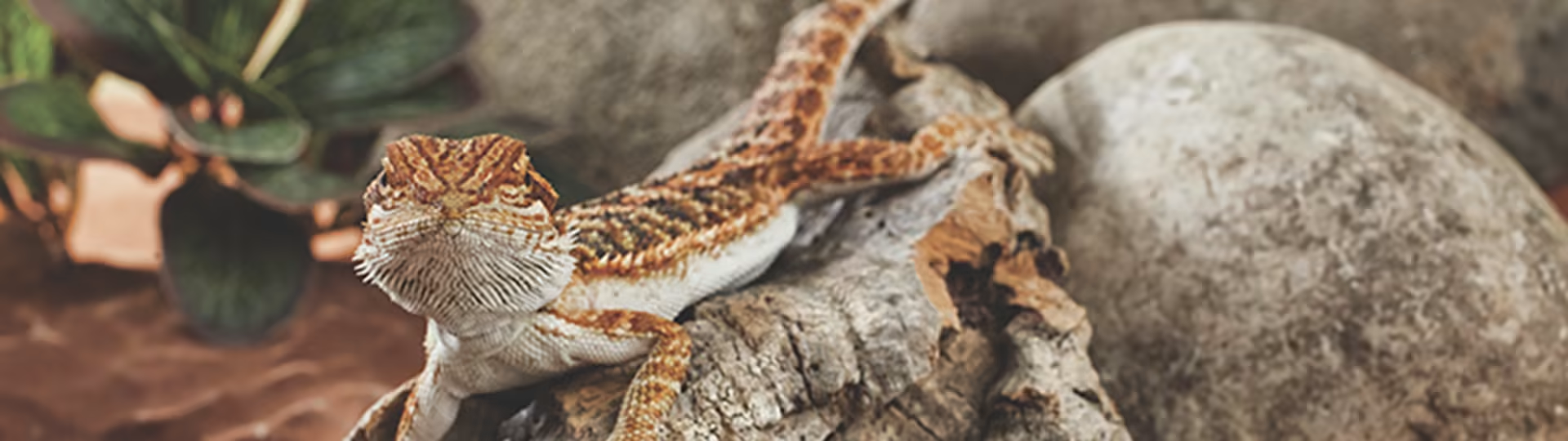
Do you have questions about bearded dragon poop? Visit Petco.com to find all the answers about the health of your bearded dragon poop.
Updated on November 13th, 2025
Are you concerned about your bearded dragon’s health and wondering why your bearded dragon’s beard is turning black? Find common causes here.
Updated on November 13th, 2025
Search Petco for information about metabolic bone disease, which is fairly common in many reptiles. Use our tips to help keep your reptile comfortable.
Updated on November 13th, 2025
Explore our tips about what to keep in mind when choosing the right pet reptile for your family. Consider what they need to stay happy and healthy.
Updated on November 13th, 2025
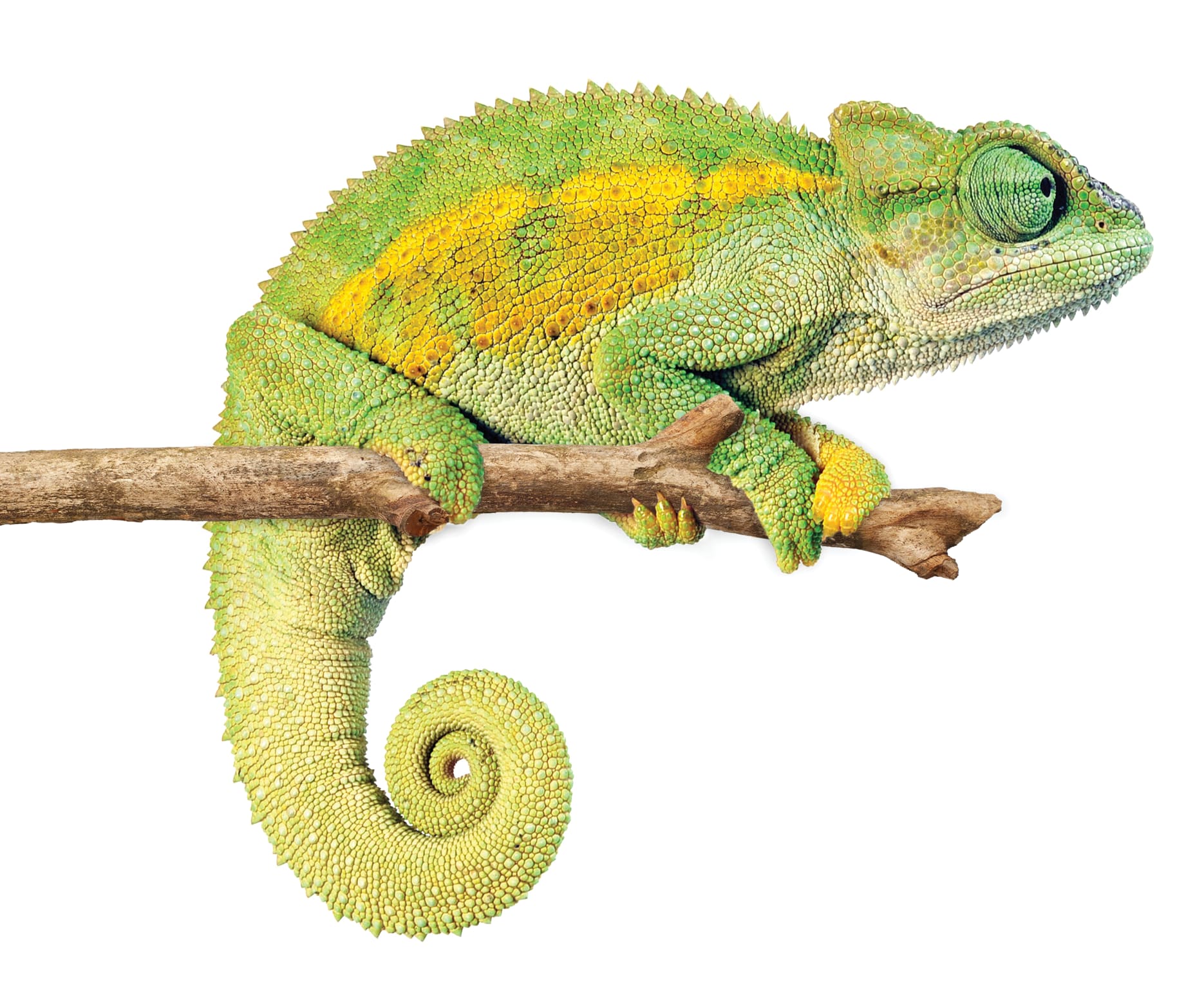
Learn how to care for cool climate Chameleons, recommended diet & habitat setup. Find the right food, supplies & equipment at your neighborhood Petco.
Updated on November 13th, 2025
One of the most reliable sites for beardie care is found at the link below. http://www.anapsid.org/bearded.html You can find additional information here: http://www.reptilesmagazine.com/Care-Sheets/Lizards/Bearded-Dragon/ Provide heat, UVB lighting, water and a balanced diet while she recovers and beyond. Once she is healthy again, acclimate her to your presence slowly then gradually introduce her to handling by holding her for ever increasing periods of time.
Updated on August 12th, 2025
If he is weak, then yes, remove any climbing branches to prevent falls. You can soak him in a warm 50/50 solution of water and unflavored PediaLyte. This will provide warmth and may treat or prevent minor dehydration. Repta-Boost is an excellent supplement, however you should still provide a powdered multivitamin and calcium supplement. Also, replace the UVB light if it is old.
Updated on August 12th, 2025
Thanks for reaching out about Draco. Tremors or twitching in young reptiles can often be due to low calcium levels, often associated with an inadequate diet. Check and correct diet and husbandry including temperature and UVB exposure. A veterinary visit is highly recommended to assess, provide a diagnostic plan and review diet/husbandry. Good luck.
Updated on August 12th, 2025
First, have him physically examined by your veterinarian or a vet experienced in treating reptiles to diagnose and treat any underlying medical causes. Submit a stool sample to diagnose intestinal parasites. Confirm proper environmental parameters, especially temperature. Low temps can affect appetite and digestion in reptiles. You can review dragon care at the link below. http://www.anapsid.org/bearded.html Offer a variety of prey including, crickets, dubia roaches, mealworms and phoenix worms. Butterworms can be used as treats to get some weight on him. Gut load all prey for 24 hours prior to offering to maximize nutritional value. This can be done by feeding a high protein baby cereal, tropical fish and fresh fruits and greens.
Updated on August 12th, 2025
Confirm proper enclosure temperatures. Young dragons need warmer temps than adults. You can review care and feeding at the link below. http://www.anapsid.org/bearded.html Soak him in a warm 50/50 solution of water and unflavored PediaLyte for 20-30 minutes daily. This will provide warmth and hydration. be careful when feeding or administering water by syringe, you can easily cause him to aspirate fluids into his lungs which will cause respiratory infection. Fluker's Repta Boost is another supplement that can be used if the EmerAid is not sufficient. Submit a stool sample to your veterinarian to diagnose intestinal parasites.
Updated on August 12th, 2025