Two Easy Ways to Start Earning Rewards!
Become a member today! Members-only pricing and offers, personalized care notifications, Vital Care points back on every purchase and more!
 Become a credit card member today!
Earn 2X Pals Rewards points at Petco
when you use Petco Pay!APPLY NOWLearn More About Petco Pay Benefits
Lee's Hermit Crab Shop


Related Articles & Questions
- New Pet
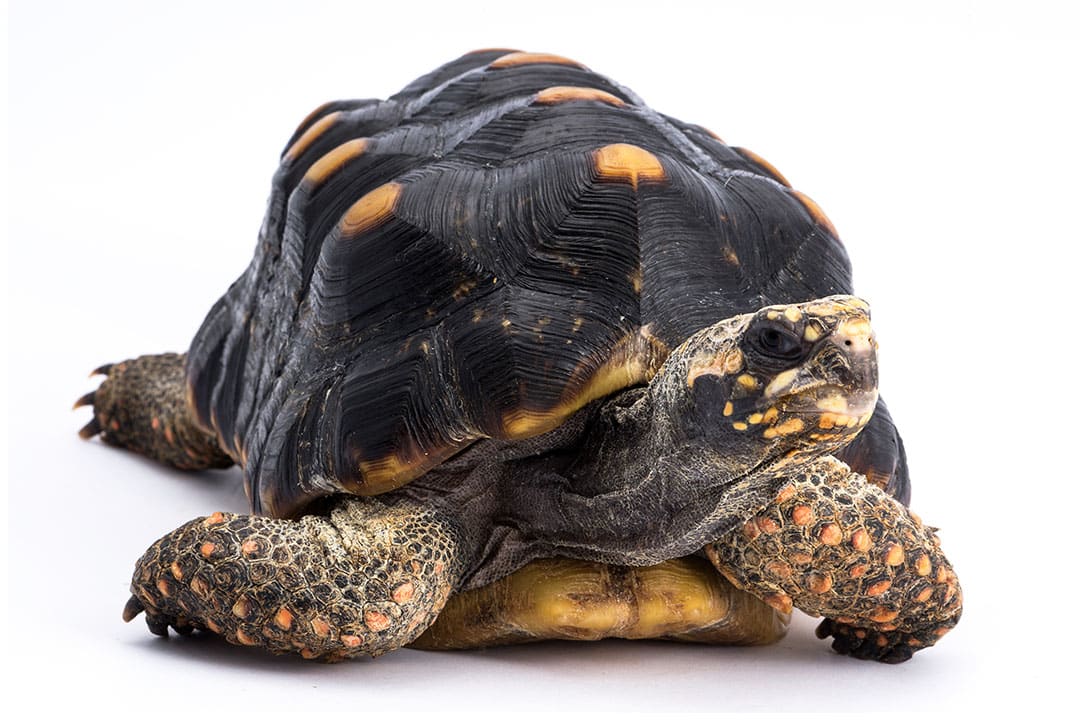
Pet Tortoise Care: Essential Guide to Food, Habitat & Health
Learn how to care for tropical tortoise, recommended diet & habitat setup. Find the right food, supplies & equipment at your neighborhood Petco.
Updated on November 13th, 2025
- Health & Wellbeing
Reptile Metabolic Bone Disease: Understand, Prevent & Treat MBD
Search Petco for information about metabolic bone disease, which is fairly common in many reptiles. Use our tips to help keep your reptile comfortable.
Updated on November 13th, 2025
- New Pet
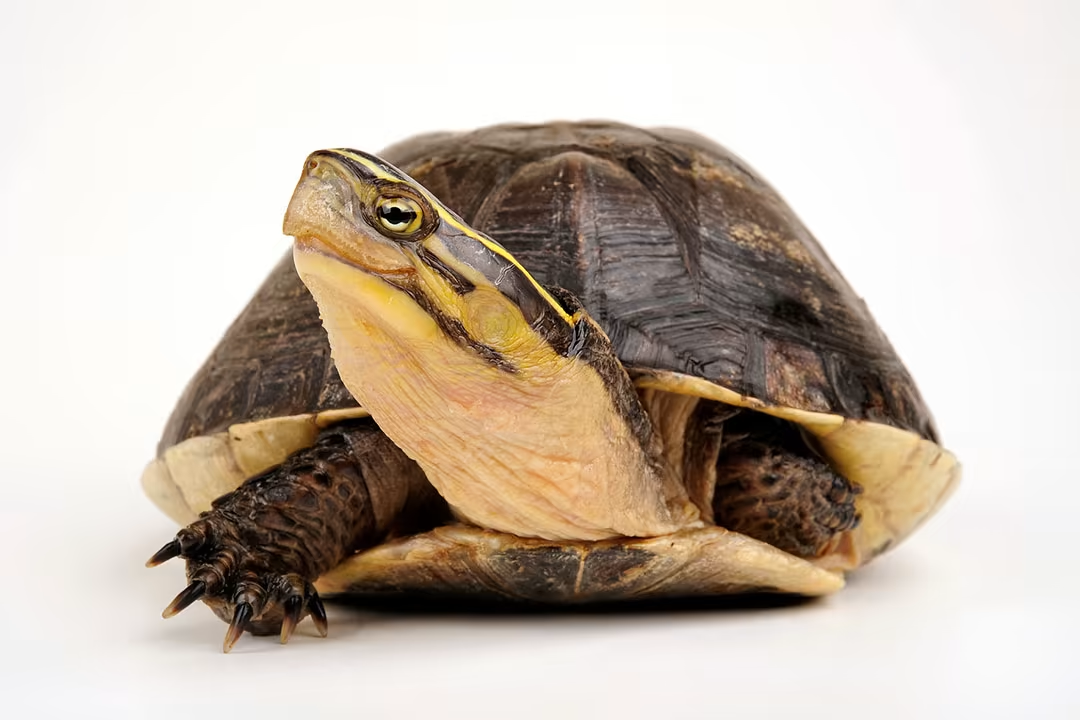
Terrestrial Turtle Care Guide: Food, Habitat, & Setup for a Happy Pet
Learn how to care for terrestrial turtles, recommended diet & habitat setup. Find the right food, supplies & equipment at your neighborhood Petco.
Updated on November 13th, 2025
- New Pet
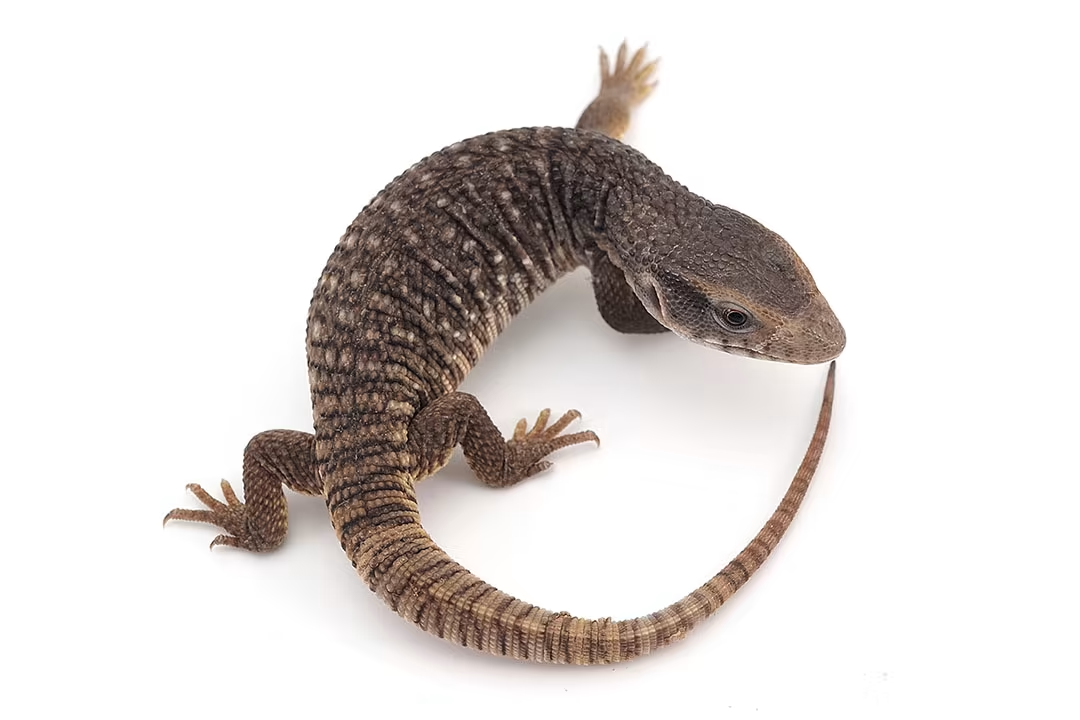
Savannah Monitor & Tegu Care: Setup, Feeding & Health Tips
Learn how to care for a monitor lizard, recommended diet and habitat setup. Find the right food, supplies and equipment at your neighborhood Petco.
Updated on November 13th, 2025
- New Pet
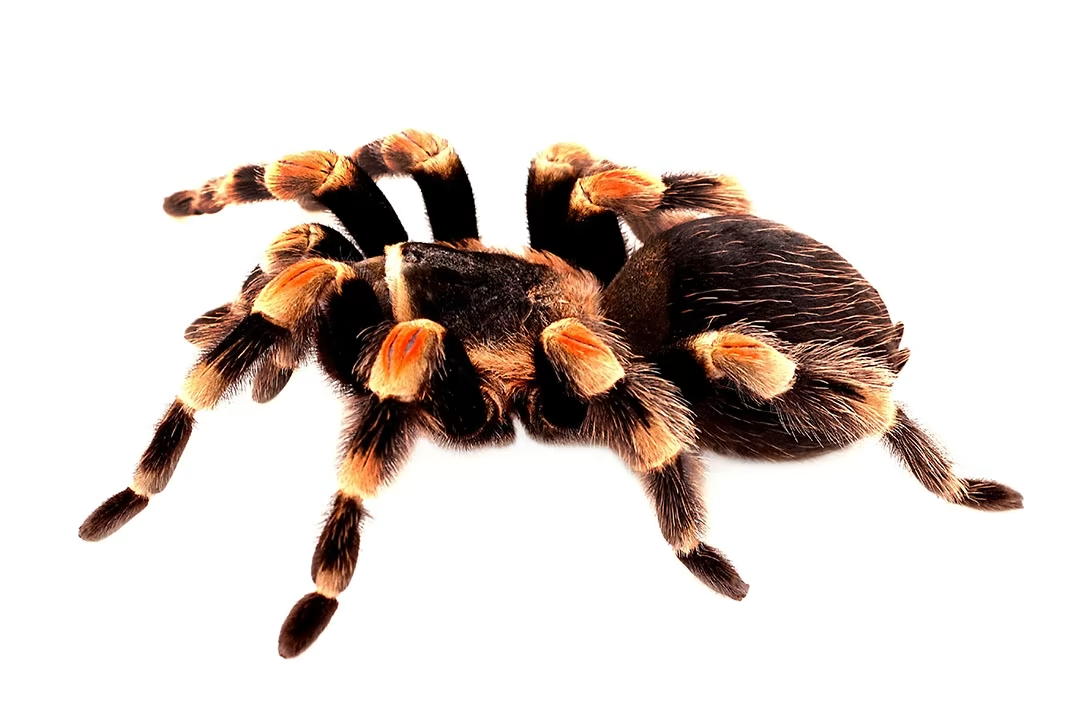
New Pet Parent? Terrestrial Tarantula Care & Setup Guide
Learn how to care for terrestrial tarantulas, recommended diet & habitat setup. Find the right food, supplies & equipment at your neighborhood Petco.
Updated on November 13th, 2025
- Health & Wellbeing
Hello I need to know my pet is turtle or totrise ... I am confused weather to keep him on land or in aquarium
What you have appears to be an aquatic/semi-aquatic species of turtle. Basic requirements include a tank of at least 10 gallons initially, a water heater, a water filter, a basking area out of the water, a heat lamp and a UVB light source.
Updated on August 12th, 2025
- Health & Wellbeing
We have a 6-9 month old leopard gecko. He is currently shedding at his head and tail and acting very lethargic. This is a rapid change from a few days ago. He seems lighter too. Any thoughts or insights would be most appreciated.
Thanks for your question about Leo lela, and I am sorry that this is happening to you both! Typically leopard geckos should shed all of their skin in a short period of time, and they often eat it so owners may not realize they have shed at all. When we see shed sticking around, like in Leo lela's case, we begin to worry about dysecdysis (retained shed). This is common when there are imperfections in the husbandry that is provided. Most frequently, there is not enough humidity present. For leopard geckos, we recommend having a humid hide available for them that is lined with moist sphagnum moss. It is recommended to have a humid hide on the warm end of the enclosure as well as the cool end to provide your gecko with options regarding humidity. As far as him being lighter - I am not sure if you mean lighter in color, which may be associated with the shedding, or lighter in weight. If you mean lighter in weight, then I would be concerned that he has an underlying issue occurring. To hel
Updated on August 12th, 2025
- Training & Behavior
1 year ago my leopard gecko escaped outside. 5 minutes ago we heard our dogs barking.When we found them we found our lizard Diana. She was and still is in terrible shape. She has a bloody eye and lost her tail. She is very pale but that may be becaus
Ideally, she should be physically examined by your veterinarian, at the nearest veterinary ER or by a vet experienced in treating reptiles. If this is not possible, get her under a heat lamp to start warming her up. You can also soak her in a warm 50/50 solution of water and unflavored PediaLyte for 15-20 minutes. Afterwards, clean the tail stump with a diluted Betadine or chlorhexidine (Hibiclens) solution. Dab a bit of triple antibiotic ointment on it after each cleaning. Clean it gently once daily and dry thoroughly afterwards. Keep her on paper towels and change it daily. Pick up some Fluker's Repta Boost and use that to feed her initially. When she is more active, you can introduce prey slowly. She may eventually regrow her tail. Even with care, she may not recover. It cannot be determined without a physical exam. https://www.petco.com/shop/en/petcostore/product/flukers-reptaboost-insectavore-and-carnivore-high-amp-boost
Updated on August 12th, 2025
- Health & Wellbeing
my gecko recently had something similar to a seizure i think. I did a bunch of research and I think it had to do with calcium deficiency but I'm not sure. I've heard many people saying to take him to the vet but my parents refuse because its "not wor
Thanks for reaching out about Leafy. Seizures in reptiles can definitely due to calcium deficiencies, either lacking in the diet, too cold of an environ or lack of UVB exposure. Diet and husbandry to be corrected, but a veterinary visit can provide injections of these medications, and anti-seizure medications during recovery. Mealworms kept in the refrigerator or crickets straight from the store are insufficient. All insects need to be gut-loaded with dark greens and red/yellow/orange vegetables. Good luck.
Updated on August 12th, 2025
- Health & Wellbeing
Ever since Ash shed he hasn’t ate much. He’s only ate a couple worms here and there. The same goes for crickets. I have tried so hard to get him to eat better but he doesn’t seem to want to. What should I do?
Often when a reptile doesn’t want to eat, it is a sign that they don’t feel well. The most common reason behind them not feeling well is imperfections in their husbandry and diet. I would recommend consulting an online care sheet to ensure that your husbandry is as perfect as possible. Common areas of imperfection include temperature, lighting, and humidity. I would also recommend having Ash seen by a veterinarian, as they can help to counsel you about Ash’s husbandry as well. In addition to a thorough physical examination, they may recommend diagnostic testing including radiographs (x-rays) and blood work to evaluate systemic health. I hope that gives you a place to start, and thanks for using Boop by Petco!
Updated on August 12th, 2025