Two Easy Ways to Start Earning Rewards!
Become a member today! Members-only pricing and offers, personalized care notifications, Vital Care points back on every purchase and more!
 Become a credit card member today!
Earn 2X Pals Rewards points at Petco
when you use Petco Pay!APPLY NOWLearn More About Petco Pay Benefits
Python Aquarium Cleaning Supplies


Related Articles & Questions
- New Pet
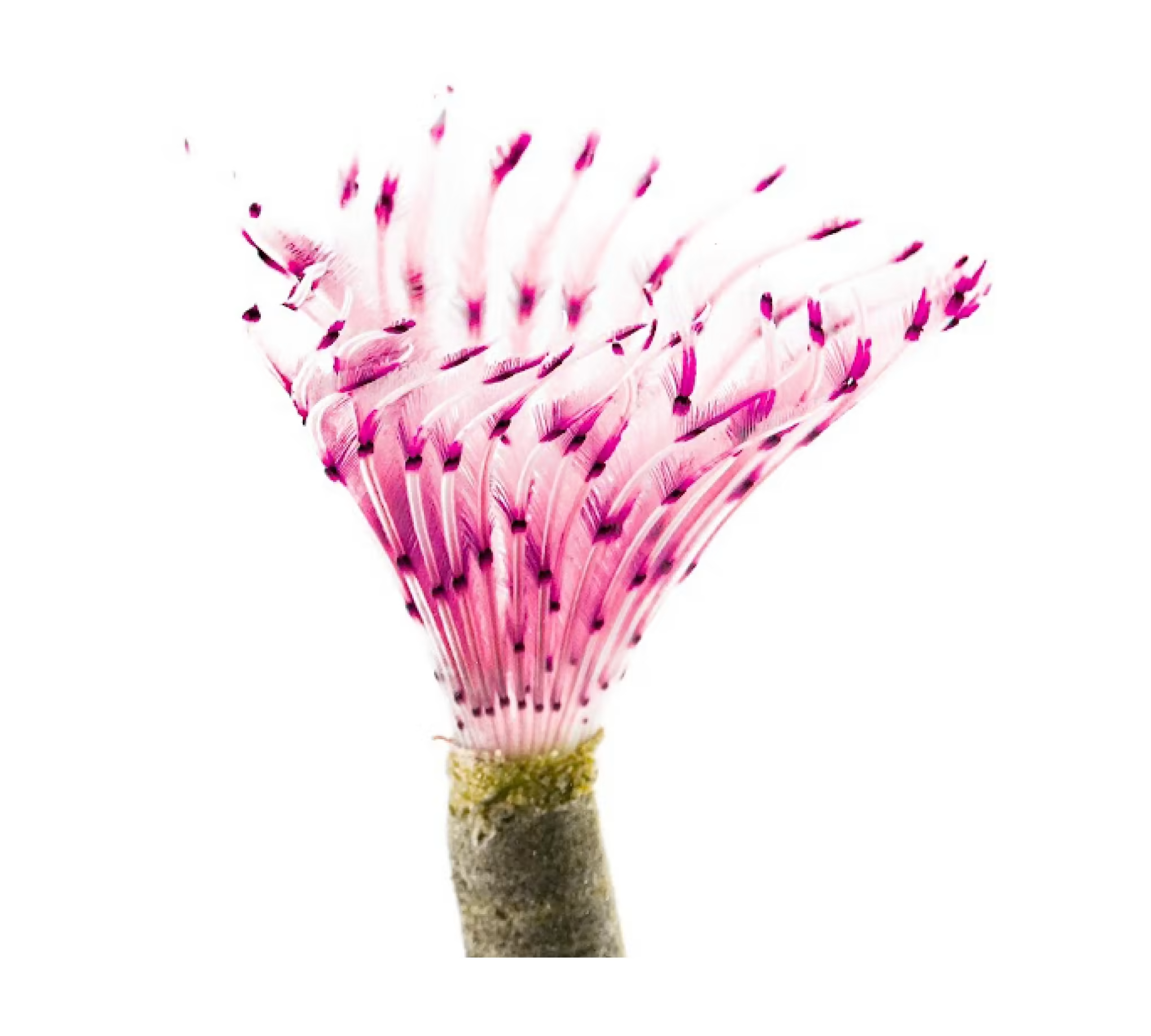
Keep Feather Dusters Thriving: Habitat, Diet, & Water Care Guide
Learn how to care for Feather Dusters. Find the right food, supplies & equipment at your neighborhood Petco.
Updated on November 13th, 2025
- New Pet
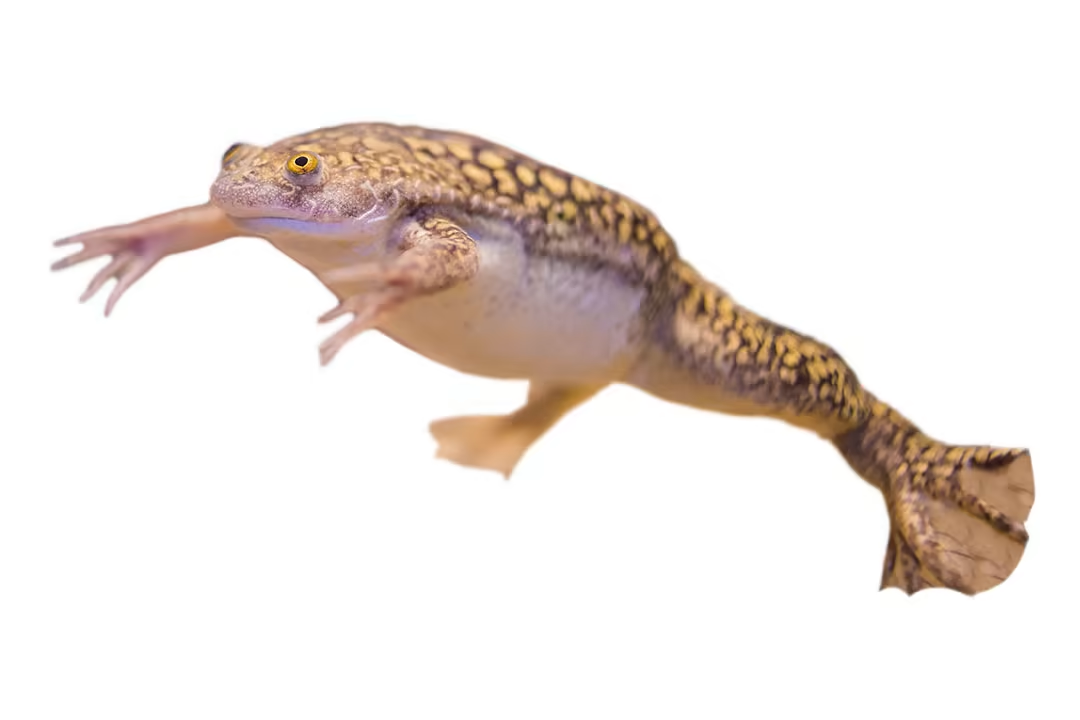
Freshwater Amphibian Care: Ultimate Tank, Food & Habitat Guide
Learn how to care for Freshwater Amphibians, recommended diet and habitat setup. Find the right food, supplies and equipment at your neighborhood Petco.
Updated on November 13th, 2025
- Training & Behavior
Finally! 10 Easy Ways to a Crystal Clear, Algae-Free Fish Tank
Our top ten most important tips for removing and keeping algae out of your aquarium.
Updated on November 13th, 2025
- New Pet
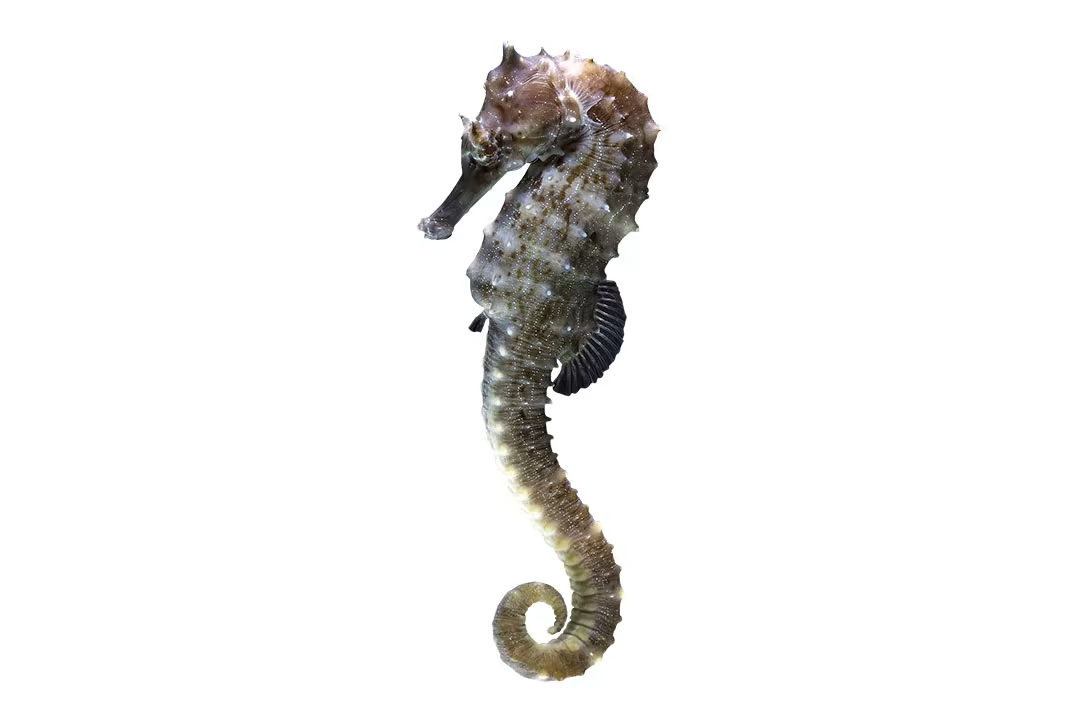
Ultimate Guide to Seahorse & Pipefish Care: Tank, Food & Setup
Learn how to take care of your Seahorses and Pipefish, recommended diet and tank setup. Find the right food, supplies and equipment at your neighborhood Petco.
Updated on November 13th, 2025
- Home & Habitat
Emergency Aquarium Care: Keep Your Fish Safe During Power Outages
It can seem a little scary at first, but having the proper equipment and preparation can help you care for your aquarium during a power outage.
Updated on November 13th, 2025
- Health & Wellbeing
I'm about to buy some new fishes mostly Tetra Can you help me what fish should I buy because I am beginner in this things. Please tell me what sort of things I should bring I have a one foot tank now other than that What should I purchase from Aquar
Before you buy any fish, you will need to set up the tank. A basic set up includes: a tank, filter, hood/light, heater, gravel and some decor. The tank should run without fish for at least 4 to 6 weeks. This gives it time to cycle. The Nitrogen Cycle is critical to the health of the tank and any fish you will be keeping. During this time, beneficial bacterial will populate the filter and substrate (gravel). These bacteria will be responsible for breaking down fish wastes and other wastes (uneaten food, dead plants, etc.). You will need a home test kit to monitor water chemistry (ammonia, nitrites, nitrates, pH) or you will have to submit water samples for testing. Most pet stores will do this for free or for a small fee. At first, you will see high levels of ammonia and nitrites. Over time, as bacteria grow, these levels will drop. When ammonia and nitrites are at 0 ppm and nitrates are below 20 ppm, you can consider adding fish. Regular (every 1 or 2 weeks) partial water changes as we
Updated on August 12th, 2025
- Health & Wellbeing
I went on vacation and put a vacation feeder in the tank when I came home his tank was a sandy color. After cleaning his tank complete I put him back in and after that he hasn't been the same going on a week with out eating. What did I do wrong? Now
Check the water chemistry. Confirm ammonia and nitrite levels are 0.25ppm or less and nitrates are 40ppm or less. Use a liquid test kit or submit a sample for testing. Most pet stores or aquarists will do this for free or for a small fee. Partial water changes, about 30% can be done to decrease high levels. Use only aged or conditioned water that is temperature matched to prevent further stress or shock. My preferences for water conditioning are AmQuel Plus and NovAqua in addition to StressCoat. Confirm water temperature between 78F and 80F. You can soak pellets in some garlic juice to stimulate his appetite.
Updated on August 12th, 2025
- Health & Wellbeing
My son rubbed bedtime lotion in our fish tank how do i clean it out safely?
If it is on the glass, remove enough water to drop levels below the lotion and wipe with paper towels until clean. Avoid soaps or cleaners which can cause more harm to your fish than the lotion. Replace water with aged or conditioned water that is temperature matched to prevent further stress or shock. Use a fresh carbon filter insert to remove any residual lotion or chemicals. If the lotion is on tank furniture, remove and wash with a mild soap then rinse very well before returning it to the tank.
Updated on August 12th, 2025
- Health & Wellbeing
My new fish tank is being occupied by some white cotton web like thing at the bottom.. the are found on the natural plants and food remainings in the tank.. please help .. how to get rid of it? I tried changing the water 3 times..
Thanks for reaching out. This problem is perplexing, but possibilities include fungal or bacterial overgrowths. A good cleaning might help to alleviate your problems. Continue to test water quality and correct problems. Sometimes the over-growth of anaerobic bacteria (those which grow in low or no oxygen conditions, at the bottom of the tank), can form strange formations of detritus. Submitting a sample to a lab might help determine an answer. Good luck.
Updated on August 12th, 2025
- Health & Wellbeing
I have 3 plattys 2 mollys 3 neon tetras and 2 catfish. I feed them worms and flakes once a day ( night time) and do a water change once a month. Is this good?
It depends on how big the tank is as well as the type of filter in use. Smaller tanks and more heavily stocked tanks will require more frequent water changes, about 20% every week or two. Check the chemistry (ammonia, nitrites, nitrates, pH) regularly. This will give you a better idea of when to perform tank maintenance. Tetras and platys are schooling fish and ideally, do better in groups of at least 5 or six.
Updated on August 12th, 2025