Two Easy Ways to Start Earning Rewards!
Earn 2X Pals Rewards points at Petco
when you use Petco Pay!
Get It Today
Being a sustainable pet parent involves good practices and habits. Learn more about eco-friendly dog products, eco-friendly cat products and other solutions.
Updated on November 13th, 2025
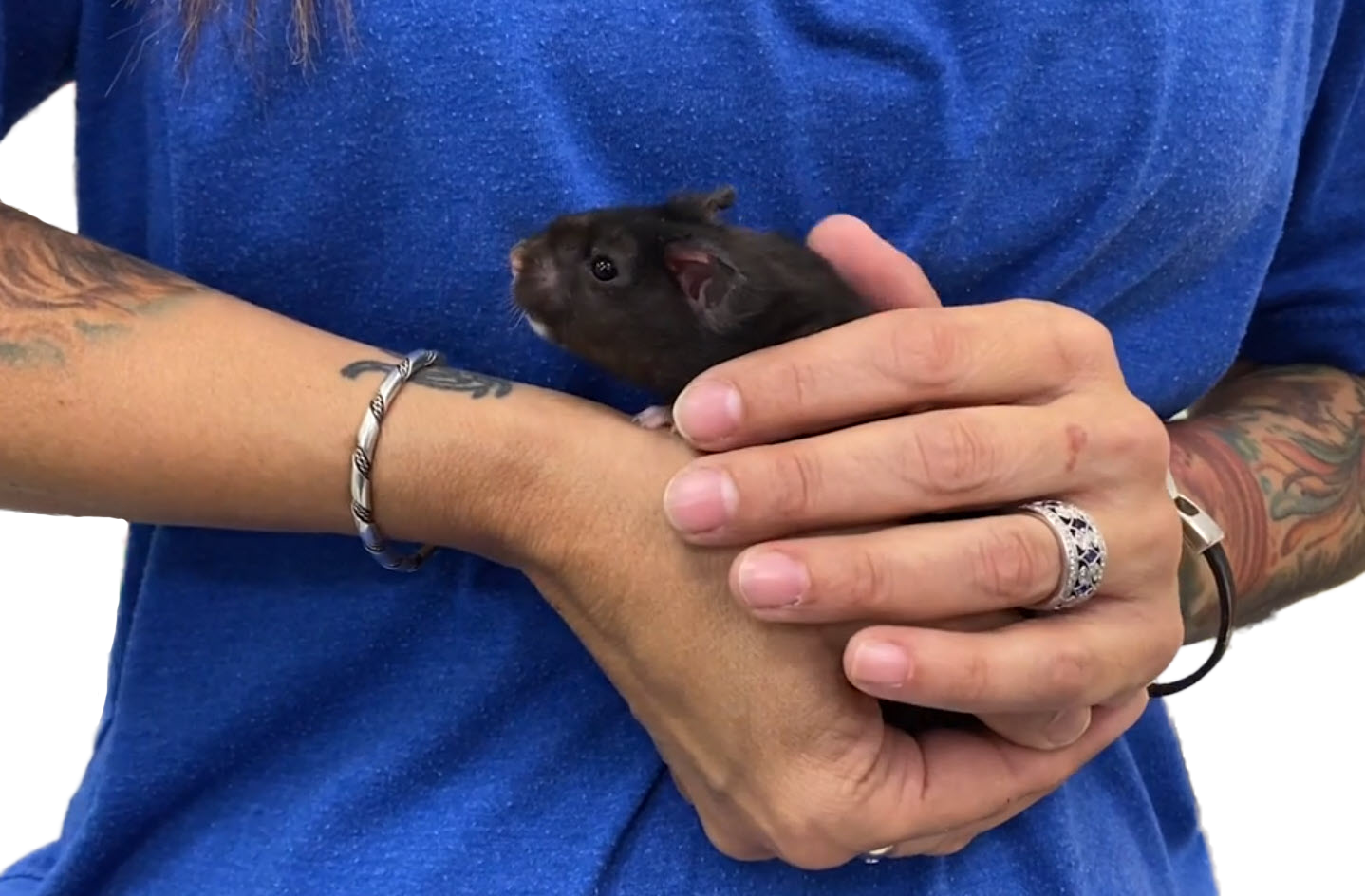
Learn about hamster habitats, bedding and nesting which will help your hamster to live a long and happy life.
Updated on November 13th, 2025
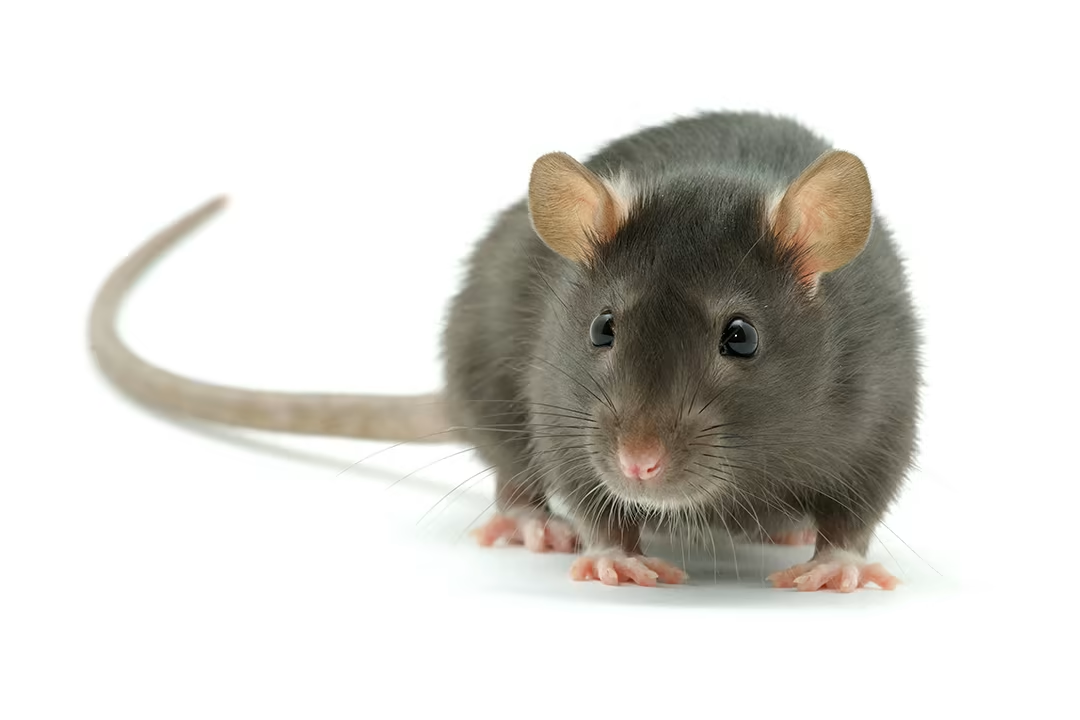
Learn how to care for pet rat, recommended diet and habitat setup. Find the right food, supplies and equipment at your neighborhood Petco.
Updated on November 13th, 2025

Learn how to prepare your pet with our pet disaster plan. Learn how to evacuate with pets or shelter in place & what you may need in your pet emergency kit.
Updated on November 13th, 2025
Learn why exercise is essential for guinea pigs and discover fun ways to keep them active, healthy, and happy in their habitat.
Updated on November 13th, 2025
Thanks for reaching out. Sound like you have a full house. 1. Birds will often bond together but continue to work with them in a quiet environ, offering treats to win and re-enforce trust. Toys, the radio or tv, can all assist with boredom. Setting up foraging toys so birds need to spend time looking for food. 2. There is no such thing as too big a cage. 3. Heating rocks are rarely approved for use, as they will eventually become faulty and get too hot, potentially damaging the animal. A heat lamp is recommended. 4. The bunny's litter box should be spot cleaned daily and full clean weekly. If you can smell it you waited too long. Good luck.
Updated on August 12th, 2025
Thanks for reaching out about Fluffy. Oxbow Critical Care is basically, mulched hay, with added nutrients. The high fiber content is important for the health of the intestinal tract. It being mulched, allows less energy needed to masticate prior to ingestion. Added vitamins and other nutrients will help sick/ill animals in recovery. Good luck.
Updated on August 12th, 2025
Oxbow has pellets and timothy hay in their product line. The majority of the diet should be timothy hay or similar grasses. Pellets should be limited to no more than a 1/2 cup daily. Alfalfa should not be offered after 7 months of age. Trim nails every 3-4 weeks if necessary. Your veterinarian can show you how initially. Teeth should be checked monthly. A yearly exam should include a dental exam and teeth trimming if indicated. Symptoms of overgrown teeth include decreased appetite, drooling, pawing at the mouth, swelling or discharge.
Updated on August 12th, 2025
Nikki is adorable! Thank you so much for posting pictures. You posted about a number of concerns, so hopefully I can address all of them. As far as her teeth go, it is always recommended to have a full dental cleaning under anesthesia to resolve any underlying problems and pain, then follow up with something like a water additive to decrease additional dental calculus from forming. My favorite dental product is PetSmile, but it does need to be applied to the teeth. https://petsmileusa.com There has been a lot of evidence that increasing the amount of Omega 3 fatty acids in the diet can make a big difference for inflammation and itching. Since a diet change and adding Omega 3 fatty acids to the diet can both cause loose stool, I normally only recommend that clients make one change to a diet at a time (which includes supplements). Both Acana and Wellness make a wonderful fish based diet, so I do not have a preference between the 2 of those. Make sure you do a gradual diet change ov
Updated on August 12th, 2025
Dog: I personally recommend that they live indoors, it's safer for them inside and they always will be sheltered from the weather. If the dog is kept outdoors, the kennel needs to be big enough that they can stand in it, turn around, lay down, and stretch out as well as move around. There should be a roof on it, and the sides should be made of a metal mesh to allow air flow. Horse: Typically horses are kept in stalls. A 12x12 foot stall is suitable for a 1000+ pound horse. Rabbit: They are kept in hutches or cages, and the minimum recommended living space is is 12 square feet (1.1 square meters) with the addition of a larger area of 32 square feet for exercise. Bird: They are kept in cages, and it should be big enough to allow the bird to fly freely through the cage and have plenty of room for toys and enrichment.
Updated on August 12th, 2025