Two Easy Ways to Start Earning Rewards!
Become a member today! Members-only pricing and offers, personalized care notifications, Vital Care points back on every purchase and more!
 Become a credit card member today!
Earn 2X Pals Rewards points at Petco
when you use Petco Pay!APPLY NOWLearn More About Petco Pay Benefits
Nature Zone Dry Reptile Food
Get It Today


Related Articles & Questions
- New Pet
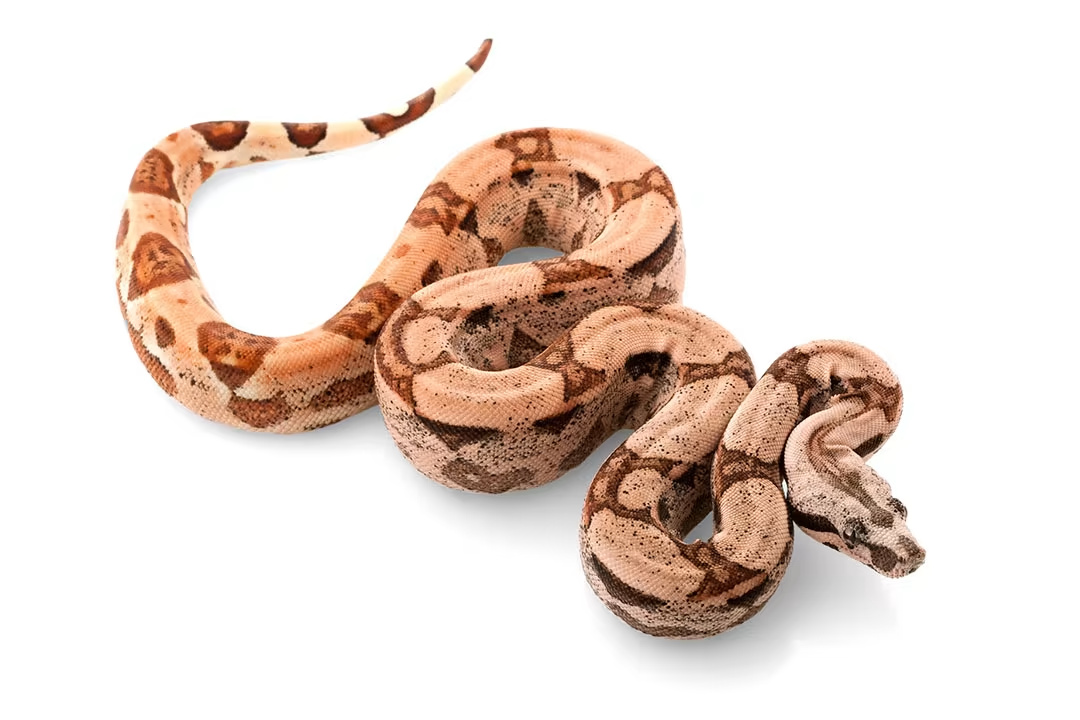
Boa Constrictor Care: The Ultimate Food, Habitat & Health Guide
Learn how to care for Boas, recommended diet & habitat setup. Find the right food, supplies & equipment at your neighborhood Petco.
Updated on November 13th, 2025
- New Pet
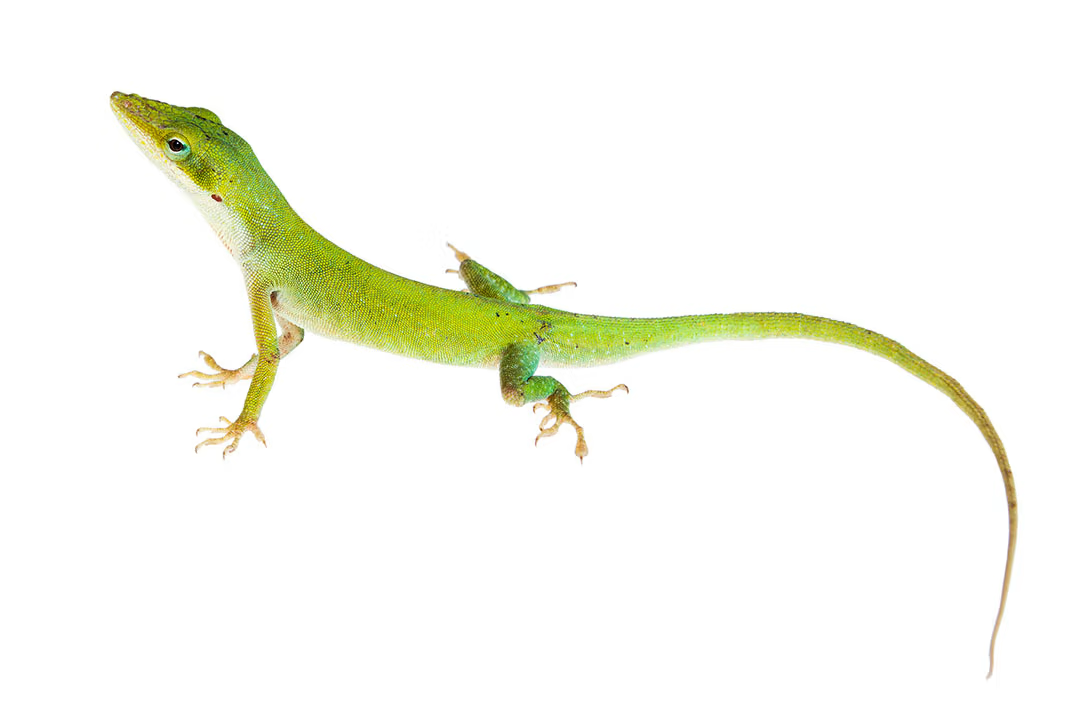
Green & Bahama Anole Care: Your Guide to Habitat, Food & Health
Learn how to take care of Green & Bahama Anoles, recommended diet and tank size. Find the right food, supplies and equipment at your neighborhood Petco.
Updated on November 13th, 2025
- New Pet
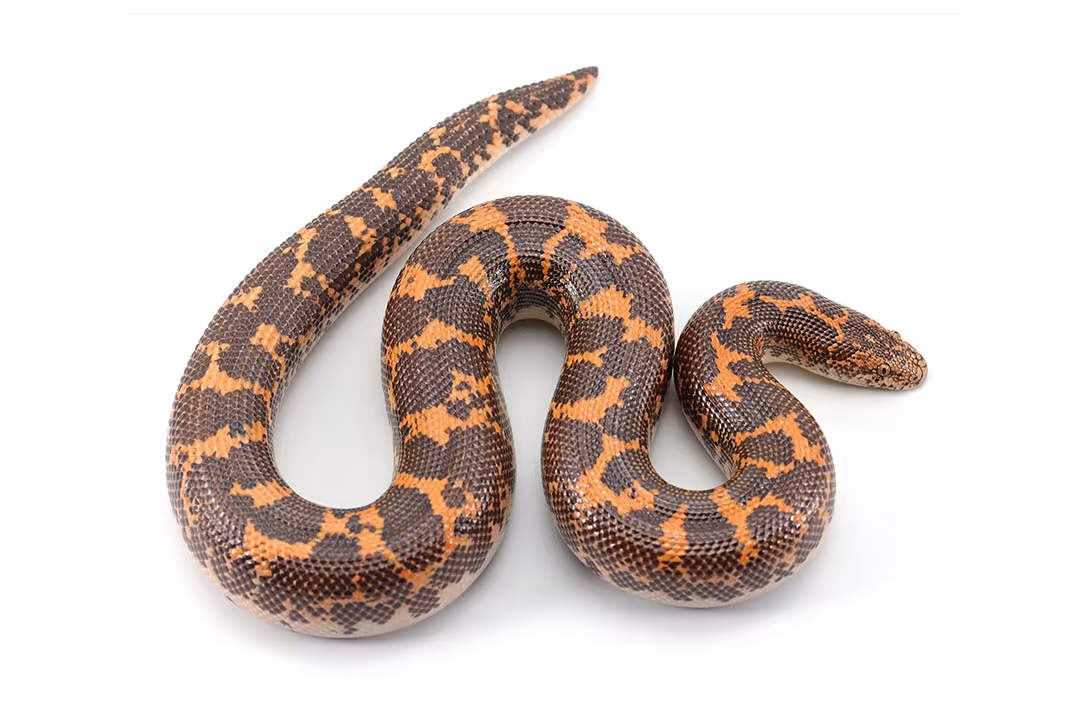
Sand Boa Care: The Ultimate Beginner's Guide to Food, Habitat & Health
Learn how to care for a Sand Boa, recommended diet and habitat setup. Find the right food, supplies and equipment at your neighborhood Petco.
Updated on November 13th, 2025
- New Pet
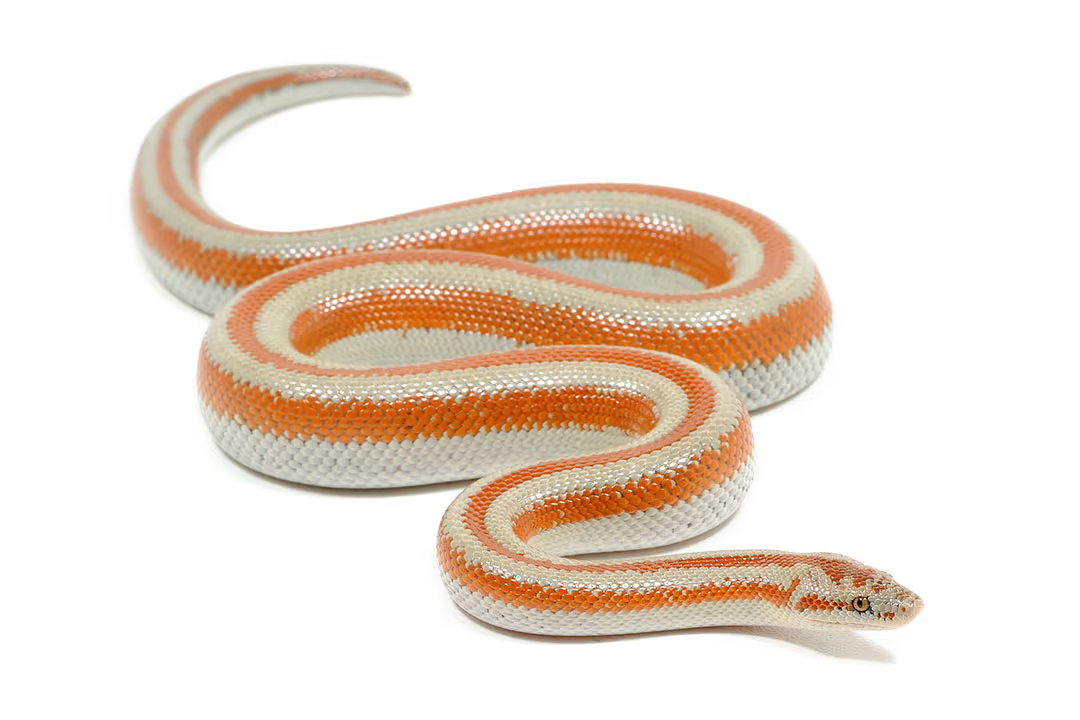
Rosy Boa Care: Your Complete Guide to Food, Habitat & Health
Learn how to care for a Rosy boa, recommended diet and habitat setup. Find the right food, supplies and equipment at your neighborhood Petco.
Updated on November 13th, 2025
- New Pet
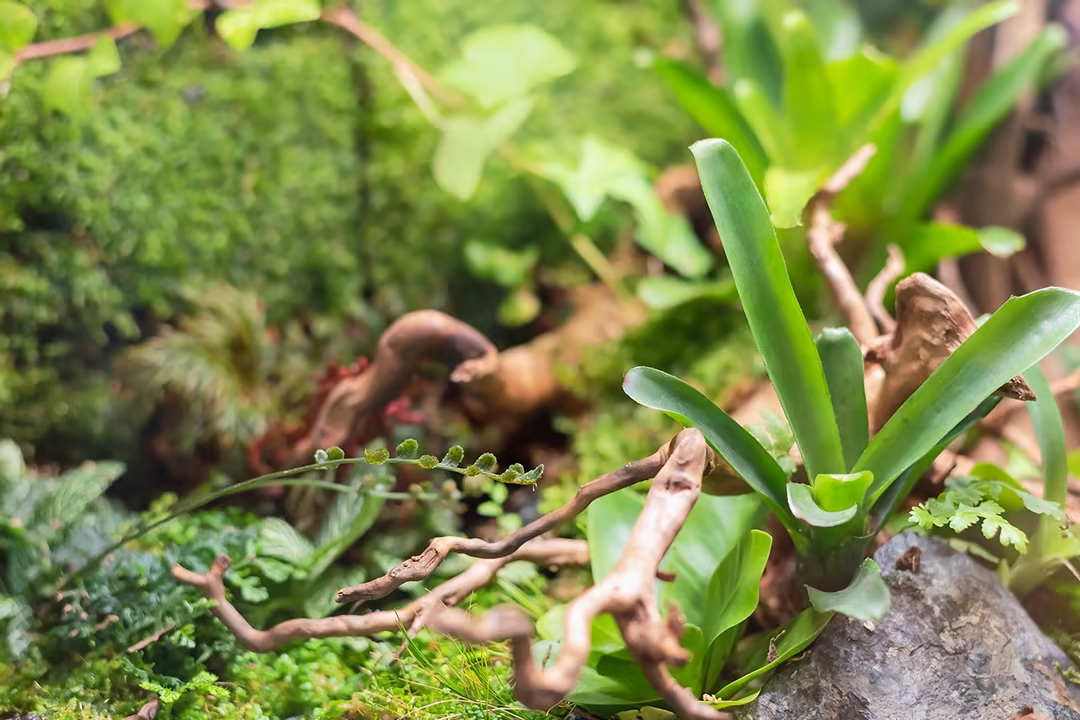
Terrarium Plant Care: Setup, Propagation & Reptile-Safe Plants
Tropical and desert terrarium plants are not only beneficial to terrestrial environments, but they also bring a more natural appearance to your reptile’s habitat.
Updated on November 13th, 2025
- Health & Wellbeing
my gf caught this lizard in Jeju, South Korea; we think it's of the Takydromus family; she is caring for him because she's worried about his injury - she has ordered mealworms for him to eat--any other recommendations? - he has had one of his hi
It does appear to be of the takydromus species. These grass lizards are common and fairly easy to keep. Being adept climbers, more vertical space should be offered in an enclosure. Branches and vines can be placed for climbing. Bring reptiles, they need an external heat source and UVB lighting. Daytime temps can range from 24 C to 30 C (75-85 F). Provide a basking spot of around 35 C to 38 C (95-100 F) using a heat lamp. Aim for 70-80% humidity. Provide a shallow bowl for water. Mist the cage daily. Feed appropriately sized prey, no bigger than the space between the eyes, that have been gutload for 24 hours prior to offering. This will maximize nutritional value. Crickets, mealworms, dubia roaches, waxworms or wingless fruit flies can all be offered. Dust prey with a calcium supplement and a multivitamin supplement several times weekly. Ideally, the wound should be addressed by a veterinarian experienced in treating reptiles. You can clean it with dilute Betadine or chlorhexidine
Updated on August 12th, 2025
- Health & Wellbeing
What is the appropriate temp and humidity is the enclosure suppose to be for him to eat regularly.
The basking spot should be about 90 F. If you use a standard heat lamp on one end of the enclosure, it should produce an acceptable temperature gradient across the tank. Nighttime temps should drop no lower than the low 70s F. This species is a desert species. Relative humidity in the tank should range between 20% and 40%. When in shed, provide a moist or humid hide box to aid in shedding.
Updated on August 12th, 2025
- Health & Wellbeing
Our 5 year old Bearded Dragon seems sick. We’ve had him since birth. He’s always loved to eat meal worms crickets and greens. He’s very picky on the greens we’ve never been able to get him to eat any other fruits or veggies. Few months ago he started
Check the temperature in the enclosure. Low temps can affect activity and appetite in reptiles. You can soak him in a warm 50/50 solution of water and unflavored PediaLyte for about 20 minutes every few days to prevent or treat mild dehydration. In case he is constipated, you can gently massage the abdomen, front to back, during the soak. You can supplement his diet with Fluker's Repta-Boost ( https://www.petco.com/shop/en/petcostore/product/flukers-reptaboost-insectavore-and-carnivore-high-amp-boost ). Find it in the local Petco. Continue to offer fresh, chopped greens and prey. Place them in a shallow cup to make it easy for him to eat. Survey the area in and around the cage for any negative stimuli. This may include loud noises, strong vibrations, high traffic or cold drafts. Reduce or eliminate any if found. Consider a tank surround to limit his view in case something he sees is causing him stress or making him angry. If symptoms persist or worsen, he will need to be physically e
Updated on August 12th, 2025
- Training & Behavior
My baby red eared slider turtle is not eating from months and now he is having soft shell........ And their is not any good vet. Where I live............ So what do I do??
Check the water and ambient temperature. Low temps can affect appetite in reptiles. Mae sure the water is not too deep, no deeper than twice his shell length, and keep it clean via filtration or regular water changes. Offer a commercial pellet or stick diet supplemented with dark, leafy greens and some protein (crickets, feeder fish, earthworms). A UVB light source is also critical for shell health as is regular vitamin and mineral supplementation. You can read more about slider care here: http://www.anapsid.org/reslider.html
Updated on August 12th, 2025
- Food & Nutrition
My female leopard gecko has gone slightly pale and has lost some weight. She goes for the live foods I hand feed her but when she strikes at it and gets it in her mouth, she then just drops it and let's it go. Then she will follow it, sometimes catch
Go back to basics. Check the temperature and humidity in the enclosure, make sure prey aren't too big and confirm she isn't ill or injured. This may require a physical exam with your veterinarian. Consider supplementing with Fluker's Repta-Boost, or similar product, to get additional nutrients and calories into her.
Updated on August 12th, 2025