Two Easy Ways to Start Earning Rewards!
Become a member today! Members-only pricing and offers, personalized care notifications, Vital Care points back on every purchase and more!
 Become a credit card member today!
Earn 2X Pals Rewards points at Petco
when you use Petco Pay!APPLY NOWLearn More About Petco Pay Benefits
Lixit Lovebird Health & Grooming


Related Articles & Questions
- New Pet
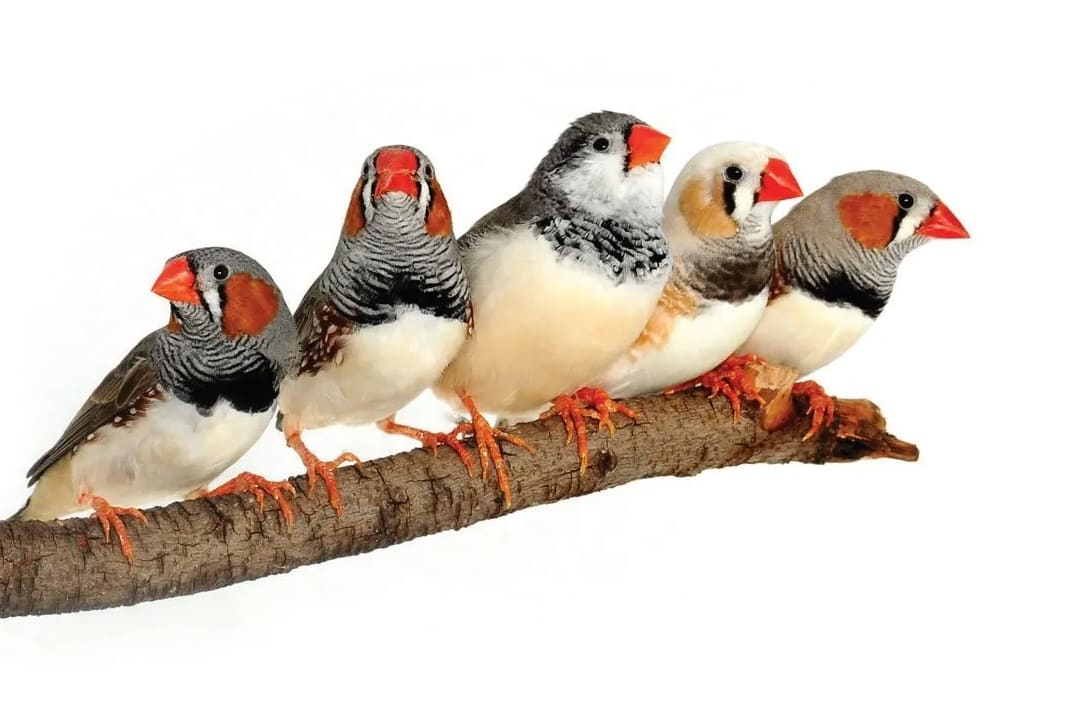
New Finch Owner: Master Finch Care for Food, Habitat & Health
Learn how to take care of your pet Finches, recommended cage size, diet & housing setup. Find the right food, supplies & equipment at your local Petco.
Updated on November 13th, 2025
- Training & Behavior
Why Is Your Bird Acting Out? Decode & Fix Common Bird Issues
Read more about changes in your pet birds' behavior like biting, feather plucking and more.
Updated on November 13th, 2025
- New Pet
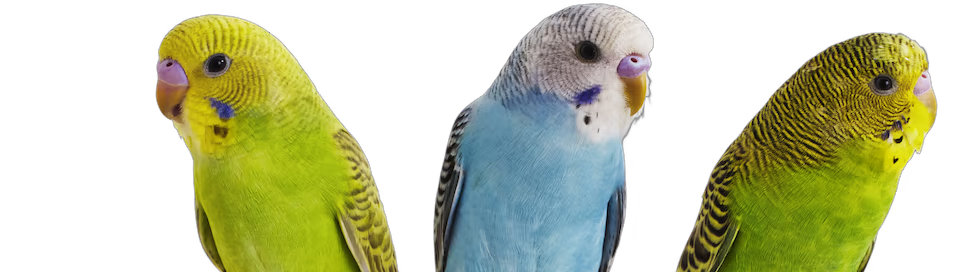
Ultimate Parakeet Care: Feeding, Housing, Health & Fun Facts Guide
Parakeets can make great pets. Take a look at these fun facts about these winged companions and wow your friends with your knowledge.
Updated on November 13th, 2025
- New Pet
Choosing Your Pet Bird: Find the Perfect Feathered Companion
A number of factors go into finding the best pet bird for you and your family. Read through these questions and tips to select which life long companion is right for you.
Updated on November 13th, 2025
- Home & Habitat
Clean Pet Toys, Beds & Habitats: Stop Germs, Keep Pets Healthy
Learn how to keep your pet's toys, bed, and habitat clean with these easy-to-follow tips, ensuring a healthier and happier environment for your pet.
Updated on November 13th, 2025
- Health & Wellbeing
It is possible we could be taking in my friends two parakeets. Where do I start? I want to know how to care for them properly before possible owning them. Do you have any tips, tricks, must know things?
Parakeets, also called Budgerigars, are small members of the parrot family and they can become good mimics. The average adult size is 7 inches long, head to end of tail. The average life span is between 10 to 20 years with proper care. A well-balanced Parakeet diet consists of: Specialized pellets should make up 60-70% of diet, fresh vegetables and fruits and small amounts of fortified seeds Clean, fresh, filtered, chlorine-free water, changed daily. Do not feed birds: avocado, fruit seeds, chocolate, caffeine or alcohol; it can cause serious medical conditions. Avoid sugar and high fat treats. Things to remember when feeding your Parakeet: Fresh food and water should always be available. Vegetables and fruits not eaten within a few hours should be discarded. Remember, treats should not exceed 10% of total food intake. Housing Parakeets acclimate well to average household temperatures, not to exceed 80°F; be cautious of extreme temperature changes. The habitat should area that is w
Updated on August 12th, 2025
- Health & Wellbeing
Hey guys I have an opaline lutino love bird and I noticed a weird dropping that I will attach it in the photos down bellow. And I think he has been dehydrated I gave him antibiotic but it didn't work I think and also I think he has a respiratory infe
The consistency and appearance of droppings can be affected by diet. It is possible Flint had some fruit or fluids which resulted in looser droppings than normal. If he is behaving normally, keep an eye on what he eats and his droppings. If they remain loose and larger than normal, consider an exam with your veterinarian or an experienced avian veterinarian. You may want to submit the droppings to diagnose intestinal parasites or bacterial/fungal overgrowth. It is never recommended to medicate a pet without the advice of your veterinarian. Inappropriate antibiotic use can lead to resistant bacteria and may complicate any underlying condition which can delay diagnosis. If Flint did have an infection that was not susceptible to the antibiotic used, then there would be no improvement. An exam would be recommended to diagnose and properly treat any infection. Your vet can also take a look at the wing feathers to rule out infection (mites, bacterial, viral, fungal). You can bathe or mist
Updated on August 12th, 2025
- Food & Nutrition
My bird, Karu hasn’t been acting himself. He’s been hiding under his food and water bowls and doesn’t seem to be eating much. It’s concerning me and I need to no what to do to help my baby. Also, sorry about the messy cage in the pictures, I’m planni
Thanks for reaching out about Karu and including photos. There are many things that can make lovebirds ill: metabolic disorders (liver, kidney), infections (bacterial, viral, fungal), malnutrition and husbandry problems, just to name a few. A veterinary visit is recommended to assess and provide a diagnostic/treatment plan. Heat support in the 80-85 F range can give some aid but is not in lieu of a veterinary examination. Good luck.
Updated on August 12th, 2025
- Health & Wellbeing
I just got a lovebird that's about 4 weeks old (seller didn't know its age/gender, so I looked this up), so his feathers are obviously still not 100% out. His head, wing, and tail feathers seem to be coming out alright but his back seems almost bare
Thanks for your question, and thanks for the photos - they are very helpful. From the photos, it looks like the feathers on the back and around the crop/underside of your bird are not present. The black spots you are seeing appear to be areas of blood, and this may be where feathers were removed. Usually the body feathers come in before some of the major wing feathers, so I would be worried that your bird is destroying the feathers itself. This can be due to a number of medical issues, and also behavioral ones. With a bird that is so young, I would be suspicious of a nutritional deficiency leading to feather destruction. From the photos, the feathers that are present look ragged and dull in color. If you are not feeding a pelleted diet, I would recommend switching to one. I would also recommend that your bird be evaluated by a veterinarian. They’ll be able to provide husbandry recommendations, and may be able to find what the underlying issue is through this and a physical exam. They
Updated on August 12th, 2025
- Health & Wellbeing
Cloud flew into fly paper a few days ago. I used oil to remove the glue and Dawn to remove the oil. We turned the AC off to keep her warmer. She is pooping, eating and drinking normally however she has been losing feathers around her beak, having cru
I would separate the birds for a few days with the heat lamp just so your healthier bird doesn't overpreen or stress out your other bird further. It is also a good idea to seek veterinary care in person ASAP to make sure she doesn't have any lasting injuries from the fly paper, stress, or anything used on her feathers, especially since she is showing so many general signs of illness.
Updated on August 12th, 2025