Two Easy Ways to Start Earning Rewards!
Become a member today! Members-only pricing and offers, personalized care notifications, Vital Care points back on every purchase and more!
 Become a credit card member today!
Earn 2X Pals Rewards points at Petco
when you use Petco Pay!APPLY NOWLearn More About Petco Pay Benefits
Josh's Frogs Chameleon Food


Related Articles & Questions
- New Pet
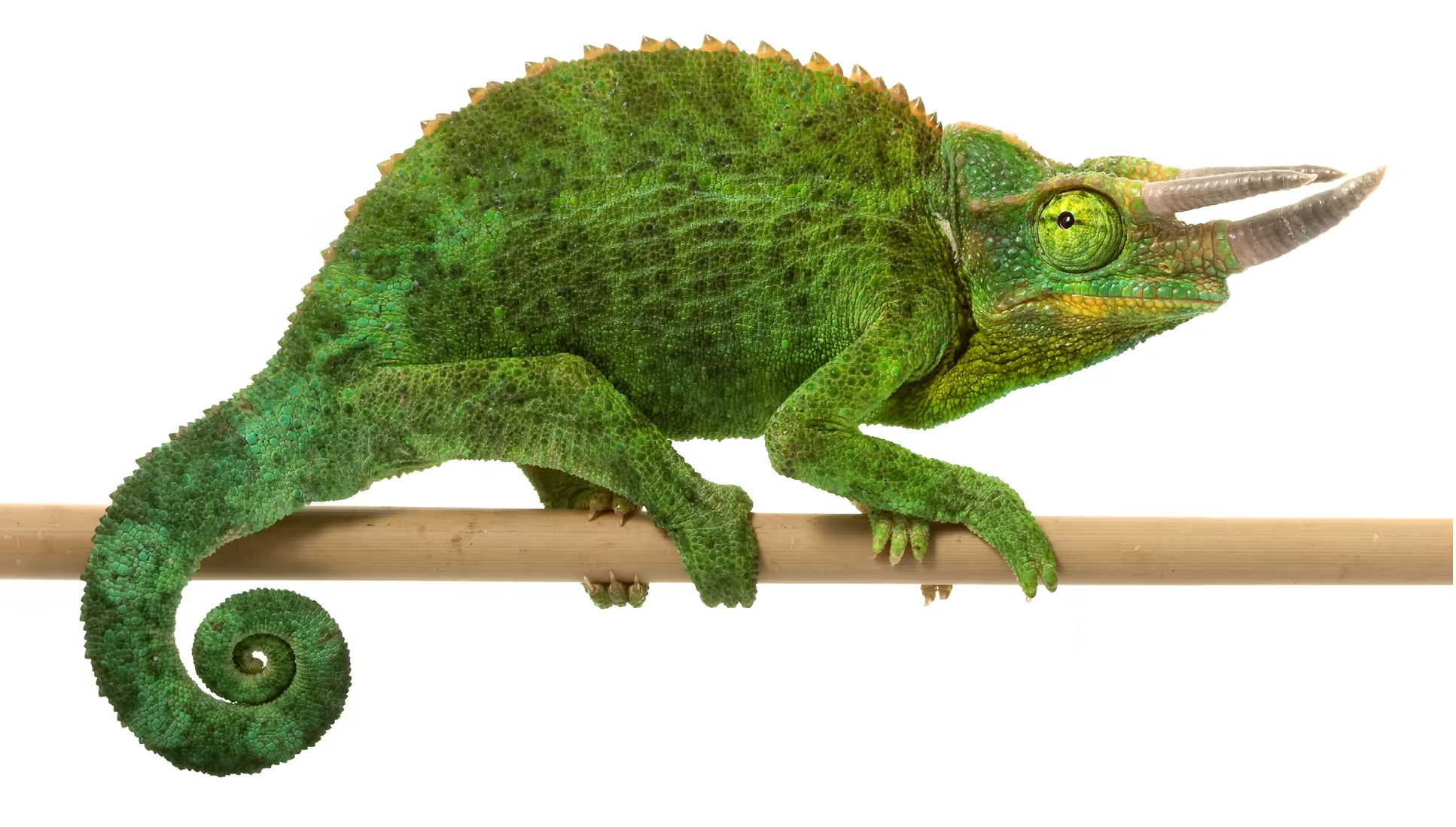
Jackson's Chameleon Care: Thrive Guide for Food, Habitat & Health
Learn how to care for Jackson's Chameleons, recommended diet & habitat setup. Find the right food, supplies & equipment at your neighborhood Petco.
Updated on November 13th, 2025
- New Pet
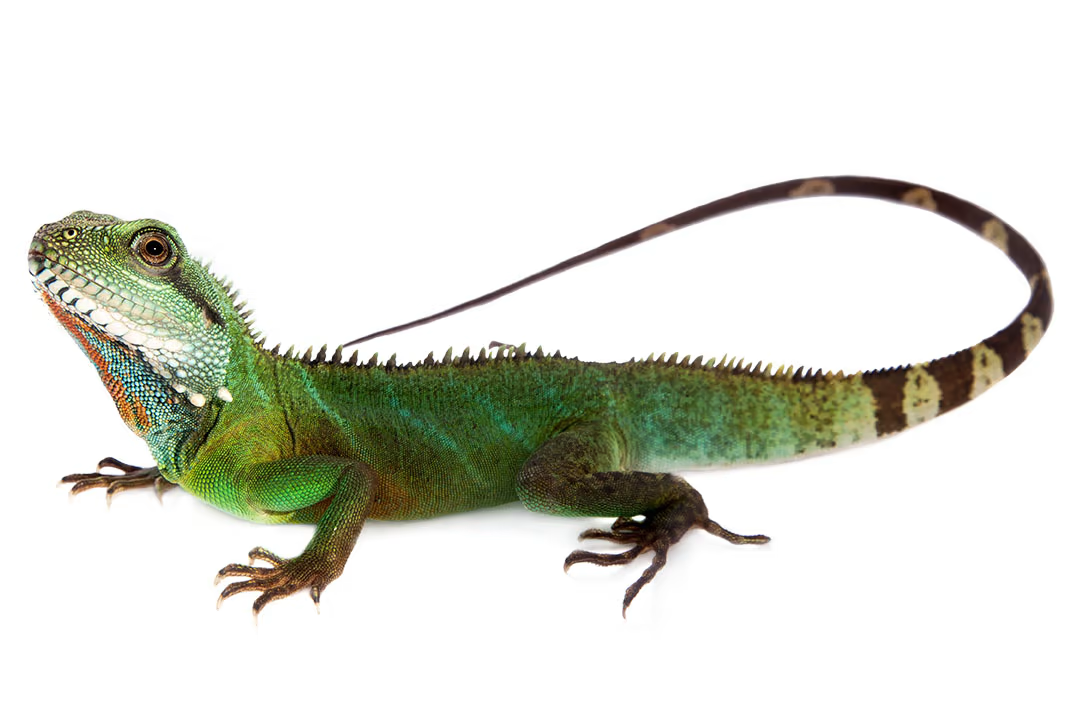
Ultimate Tropical Lizard Care: Habitat, Food & Health for a Happy Pet
Learn how to care for tropical lizards, recommended diet & habitat setup. Find the right food, supplies & equipment at your neighborhood Petco.
Updated on November 13th, 2025
- New Pet
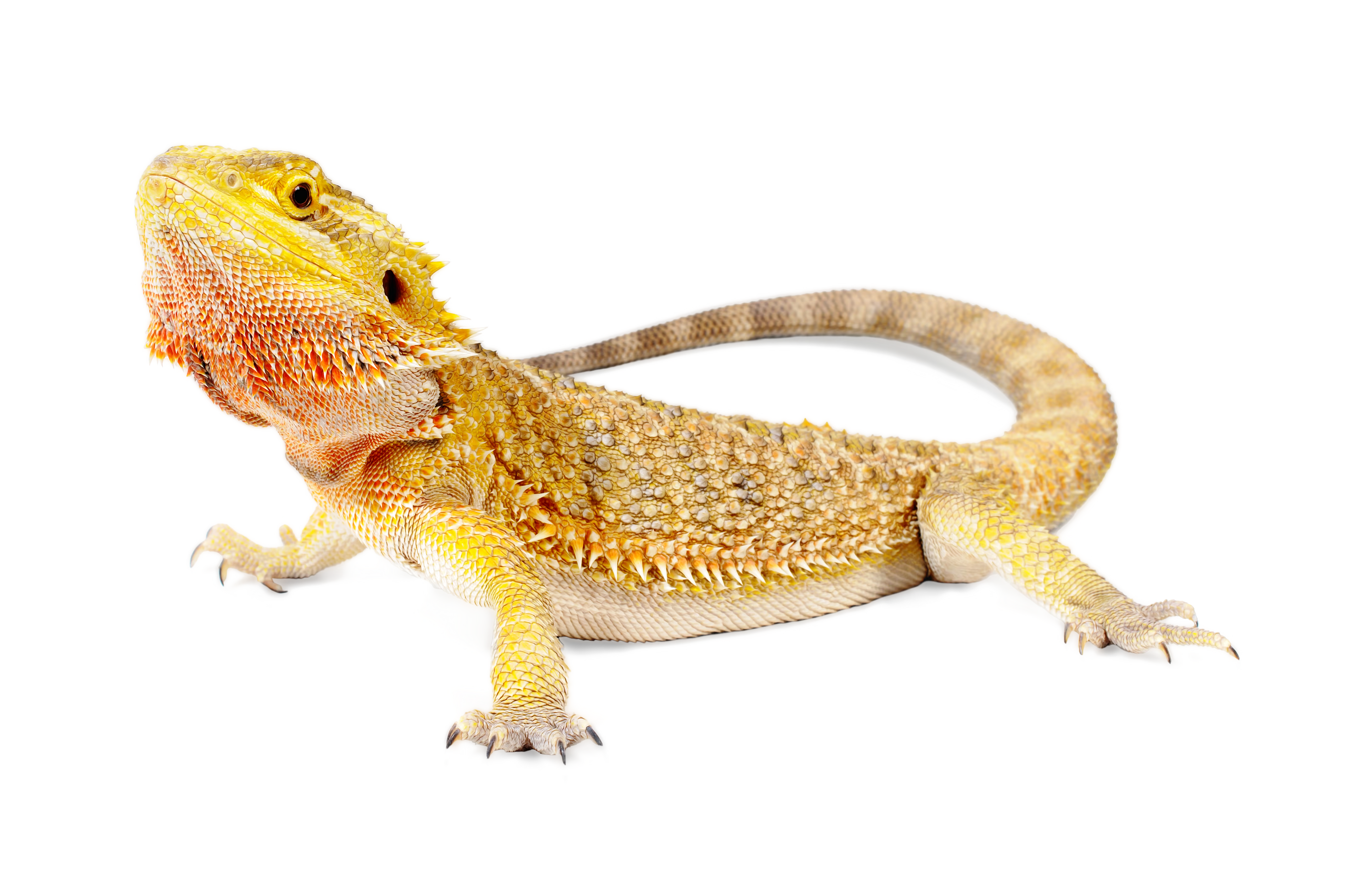
Arid Lizard Care: Expert Tips for Optimal Habitat, Diet & Health
Learn how to care for arid lizards, recommended diet & habitat setup. Find the right food, supplies & equipment at your neighborhood Petco.
Updated on November 13th, 2025
- New Pet
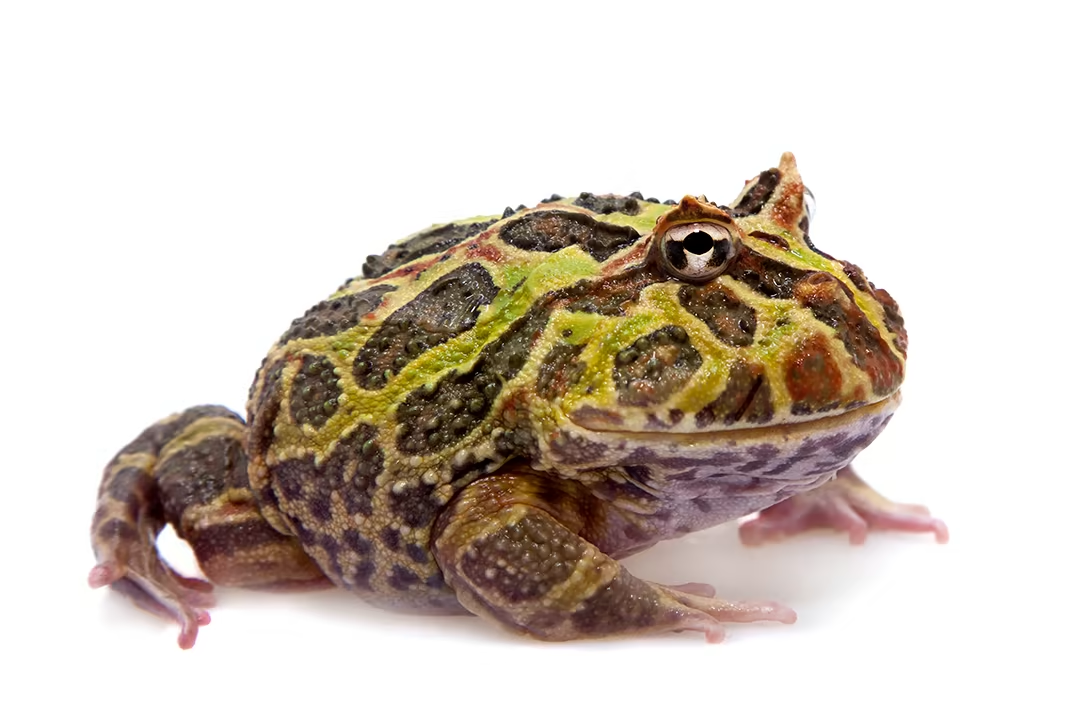
Pacman Frog Care: Tank Setup, Diet, & Beginner's Guide
Learn how to take care of Pacman frogs, along with their recommended diet and housing setup. Find the right food, supplies and equipment at your neighborhood Petco.
Updated on November 13th, 2025
- New Pet
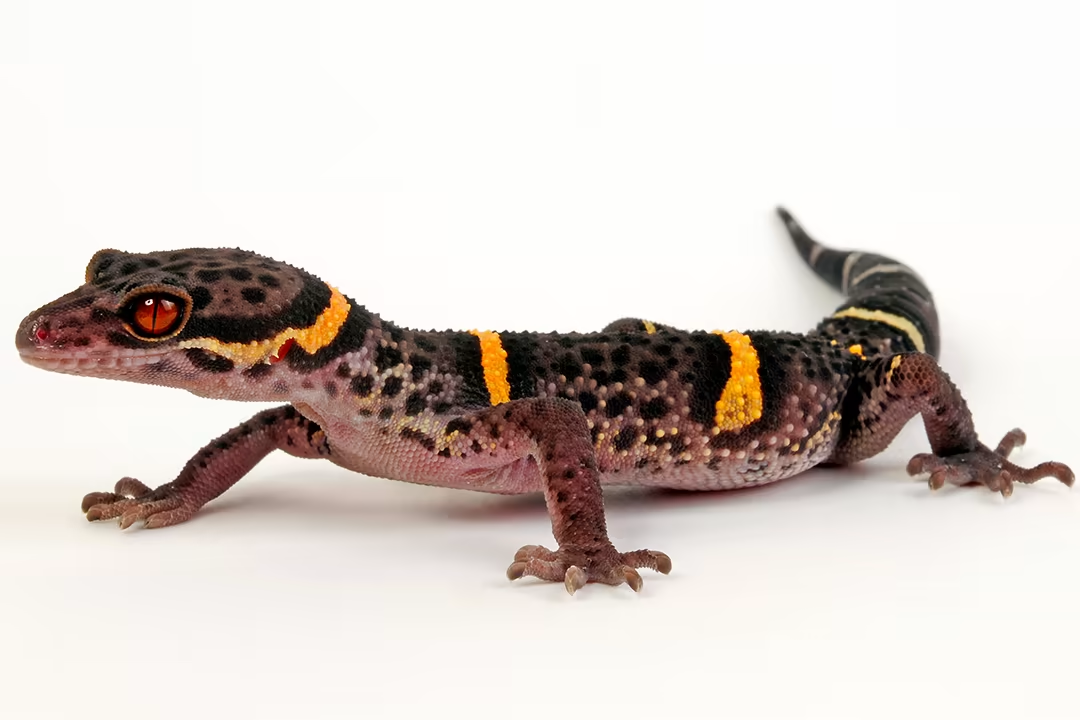
Chinese Cave Gecko Care: Expert Tips for Habitat, Food & Health
Learn how to take care of your Chinese Cave Gecko, tank size, diet & habitat setup. Find the right food, supplies and equipment at your neighborhood Petco.
Updated on November 13th, 2025
- Health & Wellbeing
She is currently neglecting food and treats. Is this a problem?
Check the temperature an dlighting. Low temps can affect appetite and digestion in reptiles. Offer a biologically appropriate diet. This can include a commercial pelleted or stick diet, and being omnivorous, should also include insects, fresh fruit and vegetables. See your veterianrian or vet experienced in treating reptiles if she does not regain her appetite.
Updated on August 12th, 2025
- Health & Wellbeing
I have 2 green tree frogs in the same tank. Both were plump and grass green. They eat the same food, drink same water, have a heart pad for winter.. One is now skinny and light green. Any ideas
Have the skinny one examined by a veterinarian experienced in treating reptiles/amphibians. Submit a stool sample to diagnose intestinal parasites. Although this is a docile species, monitor for bullying or aggression in case the larger one is not allowing its cagemate to eat.
Updated on August 12th, 2025
- Food & Nutrition
Hello. I can’t get my baby crested gecko to even be interested in taking a cricket. Crickets are the right size the breeder feed and also the breeder said that this gecko was eating crickets and would hunt them. I feed Repashy. Does that supplement c
Check the temperature in his enclosure. Low temps can affect appetite in reptiles. Offer prey about 2 hours after the heat lamp turns on in the morning. Make sure he is well hydrated by soaking or misting him regularly. It may be a preference. If he is eating the Repashy CGD regularly, don't worry too much about him eating crickets or not.
Updated on August 12th, 2025
- Health & Wellbeing
I am feeding my leopard gecko every day and he sometimes he eats nothing like only twice that happened but what really worries me is sometimes he eats 15 mealworms!
Juveniles should be fed daily. they can be little eating machines. s long as he is eating, don't worry. Offer crickets and dubia roaches as well as mealworms. Try to get freshly molted mealworms, since they are "softer" and easier for a young gecko to digest. Gut load all prey for 24 hours prior to offering to maximize nutritional value. This can be done by feeding them a high protein baby cereal, tropical fish flakes and fresh fruits/vegetables. You can review gecko care at the link below. http://www.anapsid.org/leopardgek.html
Updated on August 12th, 2025
- Health & Wellbeing
Question is too long to fit in this text box, please see attached photo! Regarding a leopard gecko & trouble eating
Confirm proper environmental parameters, especially temperature. If it is too cold, reptiles will not eat or properly digest meals. The crickets pictured may be a bit too big for her. Feed prey no larger than the space between her eyes. You can go down in size, just feed more of them. Gut load crickets for 24 hours prior to feeding and dust regularly with calcium and multivitamin supplements to maximize nutritional value. Give her a few days to acclimate to her new surroundings. Soak in a warm 50/50 solution of water and unflavored PediaLyte to prevent or treat mild dehydration. If her appetite does not improve, have her examined by a veterinarian experienced in treating reptiles. Submit a stool sample to diagnose intestinal parasites. This link will provide more information regarding care: http://www.anapsid.org/leopardgek.html You can find an experienced herp vet here: http://www.anapsid.org/vets/califs.html
Updated on August 12th, 2025