Two Easy Ways to Start Earning Rewards!
Become a member today! Members-only pricing and offers, personalized care notifications, Vital Care points back on every purchase and more!
 Become a credit card member today!
Earn 2X Pals Rewards points at Petco
when you use Petco Pay!APPLY NOWLearn More About Petco Pay Benefits
Josh's Frogs Chameleon Shop


Related Articles & Questions
- New Pet
Warm Climate Chameleon Care: Best Food, Habitat & Health Tips
Learn how to care for warm climate Chameleons, recommended diet & habitat setup. Find the right food, supplies & equipment at your neighborhood Petco.
Updated on November 13th, 2025
- New Pet
Amphibian Safety: Essential Tips for Healthy Handling & Care
Learn how to safely handle your pet amphibian to avoid toxin & bacterial exposure. Find amphibian care supplies at your neighborhood Petco pet care center.
Updated on November 13th, 2025
- New Pet
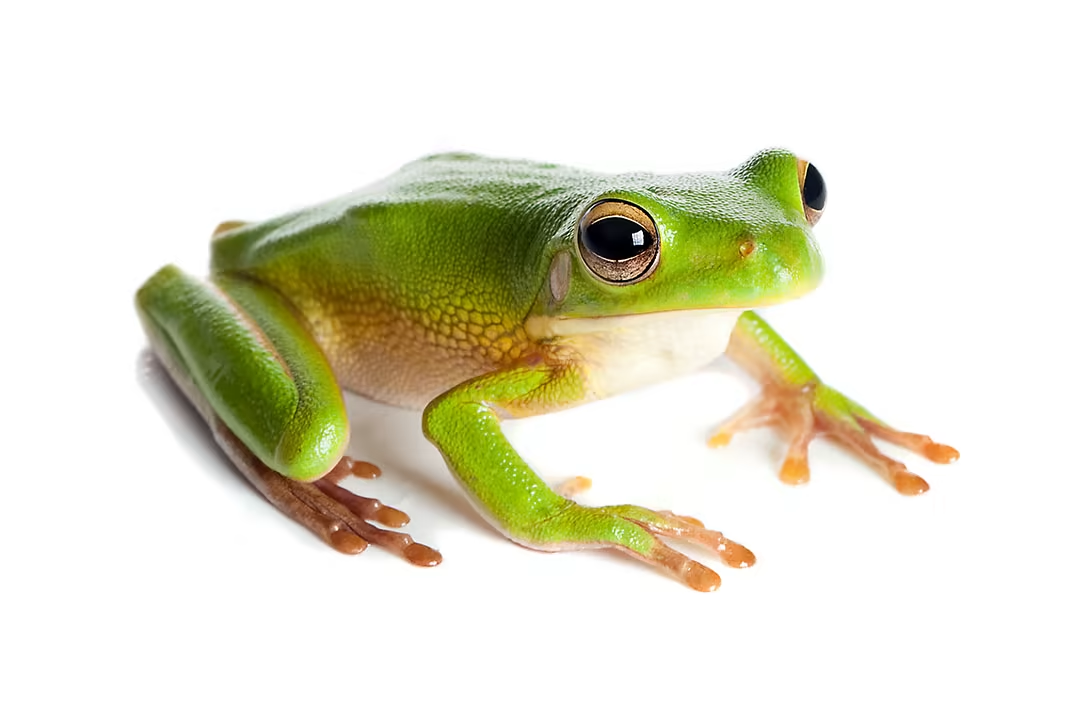
Ultimate Tree Frog Care Guide: Habitat Setup, Feeding & Health Tips
Tree Frogs love to climb, and become active and vocal and dusk. Learn how to take care of tree frogs, what to feed them, and how to set up their habitat.
Updated on November 13th, 2025
- New Pet
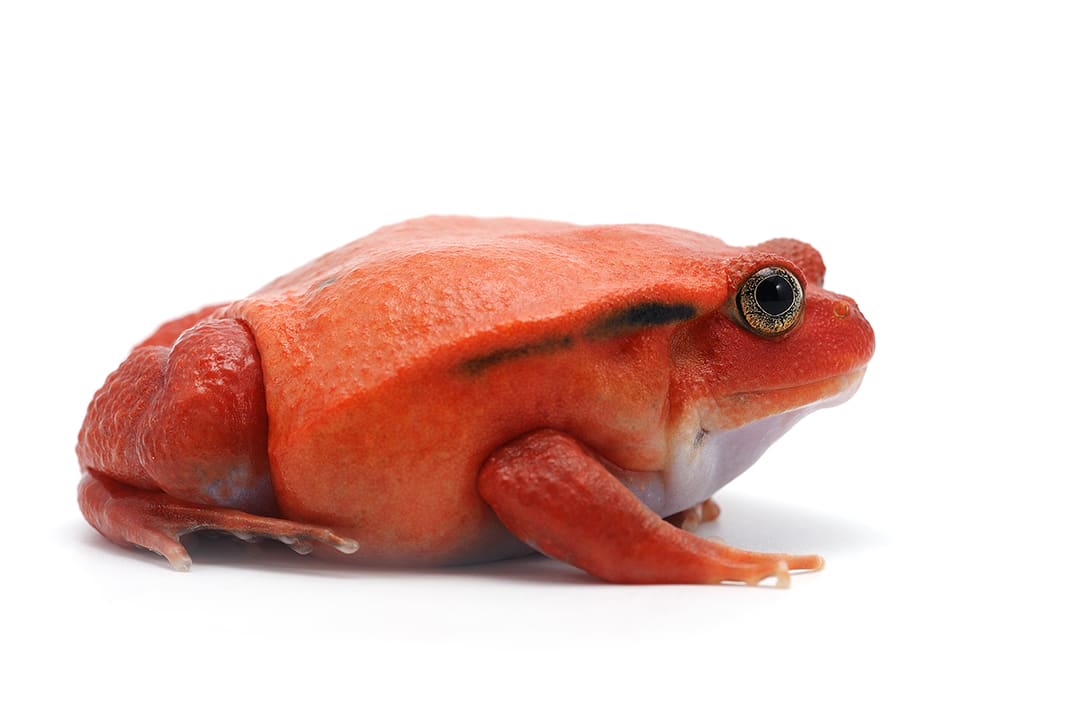
Tomato Frog Care: Ultimate Guide to Habitat, Food & Health Success
Learn how to take care of your Tomato Frog, tank size, diet & habitat setup. Find the right food, supplies and equipment at your neighborhood Petco.
Updated on November 13th, 2025
 Product Guides
Leopard Gecko Substrate Guide: Best Bedding for a Healthy Pet
Picking the best leopard gecko substrate can be an overwhelming task; learn about some great options to help your leopard gecko live a happy & healthy life!
Updated on November 13th, 2025
- Health & Wellbeing
I went back to petsmart where I bought my chameleon, asked for the information on it like sex, age, hatch date, etc. And they said they had no information at all and couldn't contact the people they got it from. I'm furious and very mad; is there any
Not all states have laws on the books pertaining to animal Care. There may be consumer protection laws that may give you recourse. At most, you may get a refund of purchase price or another chameleon. You would need to contact your state consumer protection board, the Better Business Bureau or PetSmart corporate offices.
Updated on August 12th, 2025
- Health & Wellbeing
I have just purchased a whites tree frog from petco. I was wondering if my 29 gallon long tank 30x12x12 is suitable for this species(petco advised me it was but I'm not sure). I noticed that he/she is very active at night climbing all over the branch
A 29L is a good sized enclosure for this species of tree frog. Juvenile frogs are much more active than adults. As your frog matures, it will "settle down" and spend more time on the ground. You can still use branches and perches to make use of the vertical space. You can keep two in the tank if you choose as long as there isn't a significant size difference. Different species cannot be kept together though. They do not need a night light. They do best with a 12 hours on/off light cycle.
Updated on August 12th, 2025
- Food & Nutrition
I own a african fat-tailed gecko and she seems really sick. I'm really worried for her and would like to know what's wrong, and how I can help. Her symptoms are she seems exhausted, she's extremely pale (more than if she was about to shed), her feet
Thanks for reaching out about Chloe and including photos. Lethargy are just general signs of illness and not specific for anything. Check and correct husbandry and diet, as these animals needs to be kept warm and nutritional deficiencies can add up. Ultraviolet B wavelength exposure is very important for calcium metabolism and other concerns. Intestinal parasites or infections, metabolic disorders (liver, kidney), stomatitis (oral infections), nutritional deficiencies are all possible. A veterinary visit is recommended to assess and provide a diagnostic/treatment plan. Try offering food and water via a syringe. Good luck.
Updated on August 12th, 2025
- Health & Wellbeing
My veiled chameleon stopped eating, is getting very lethargic. Is approx 1 yr old. Feed her crickets with sprinkled vitamins and wax worms since I've had her. Keep a daylight on her and a red heat light at night. She's pretty cranky! Also have a
Check the temperature of the enclosure. Low temps can affect appetite and activity in reptiles. Soak her in a warm 50/50 solution of water and unflavored PediaLyte for 20-30 minutes daily to treat or prevent minor dehydration. Make sure prey is appropriately sized, no bigger than the space between her eyes. If the behavior persists, have her physically examined by your veterinarian or a vet experienced in treating reptiles to diagnose and treat illness or injury. Review the information at the link below for care of veiled chameleons. http://www.reptilesmagazine.com/Care-Sheets/Lizards/Veiled-Chameleon/
Updated on August 12th, 2025
- Health & Wellbeing
Are crested geckos good beginner reptile?
Yes, crested geckos are an excellent choice if you have never kept reptiles. An enclosure is easy to set up and the proper diet is easy to purchase. Follow the link for a caresheet. http://www.reptilesmagazine.com/Care-Sheets/Lizards/Crested-Gecko/
Updated on August 12th, 2025