Two Easy Ways to Start Earning Rewards!
Become a member today! Members-only pricing and offers, personalized care notifications, Vital Care points back on every purchase and more!
 Become a credit card member today!
Earn 2X Pals Rewards points at Petco
when you use Petco Pay!APPLY NOWLearn More About Petco Pay Benefits
Instant Ocean Saltwater Fish Shop
Get It Today


Related Articles & Questions
- New Pet
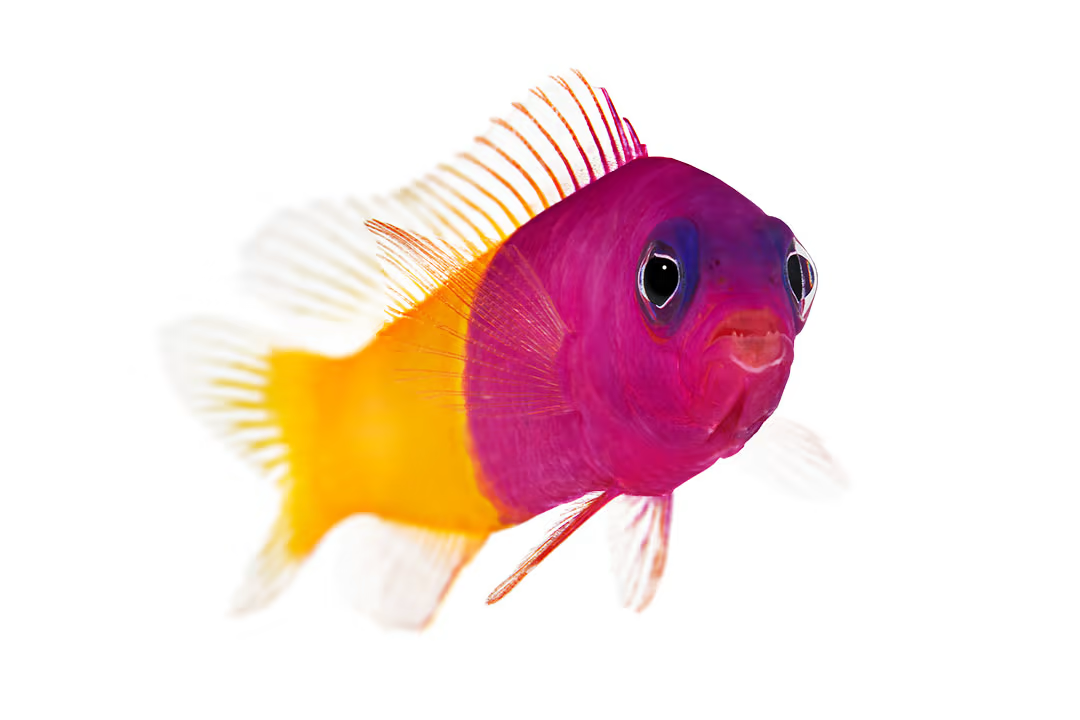
Master Small Marine Fish Care: Tank Setup, Food, & Compatibility Guide
Small Marine Fish are favorites with marine aquarists and includes a wide range of species.
Updated on November 13th, 2025
- Home & Habitat
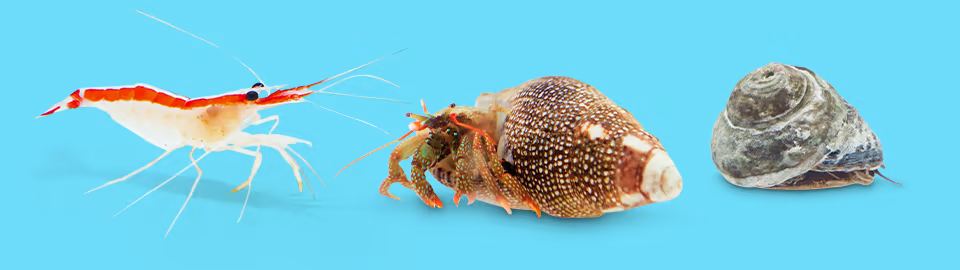
Saltwater Cleanup Crew: Banish Algae, Keep Your Tank Pristine
Visit Petco to learn about cleanup crews and how they can help your aquarium health.
Updated on November 13th, 2025
- New Pet
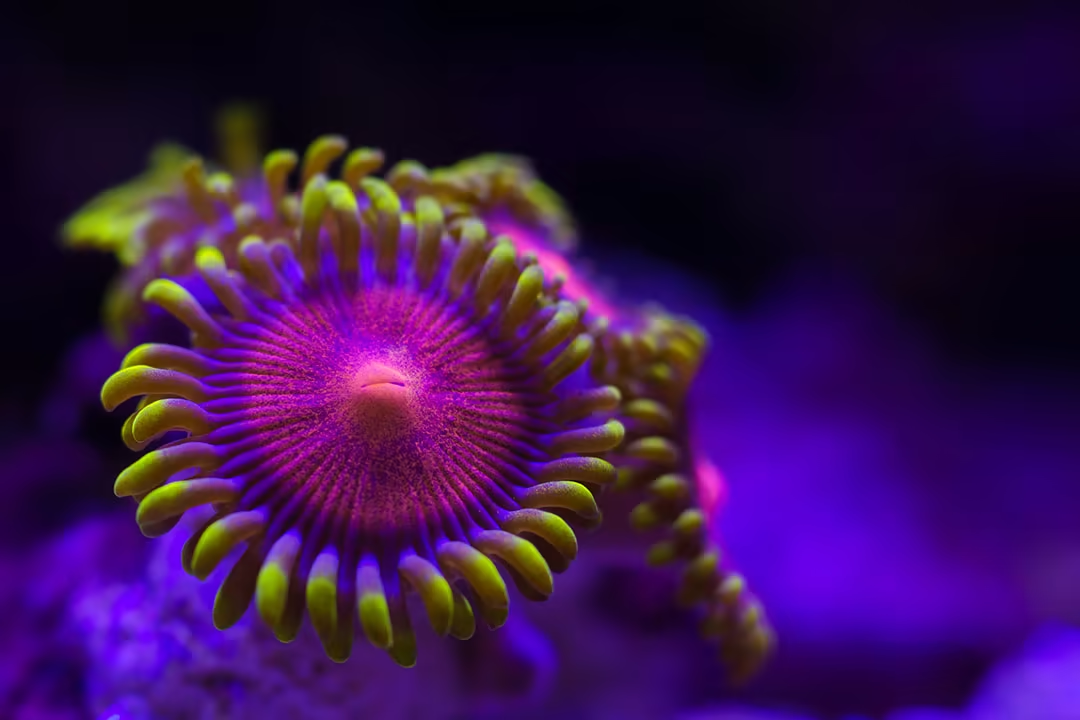
Mastering Soft Coral Care: Setup, Feeding, & Water for a Healthy Reef
Learn how to care for soft coral, recommended care & habitat setup. Find the right food, supplies & equipment at your neighborhood Petco.
Updated on November 13th, 2025
- New Pet
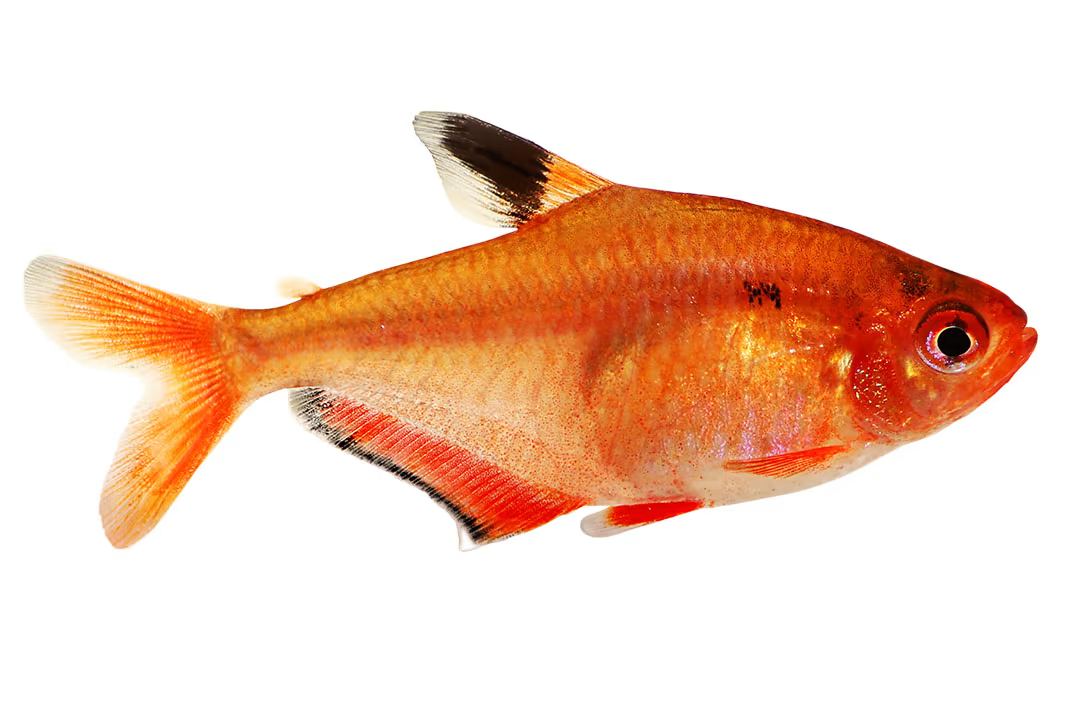
Freshwater Community Fish: Care, Setup & Compatibility Guide
Learn how to care for freshwater community fish, recommended diet & aquarium setup. Find the right food, supplies & equipment at your neighborhood Petco.
Updated on November 13th, 2025
- New Pet
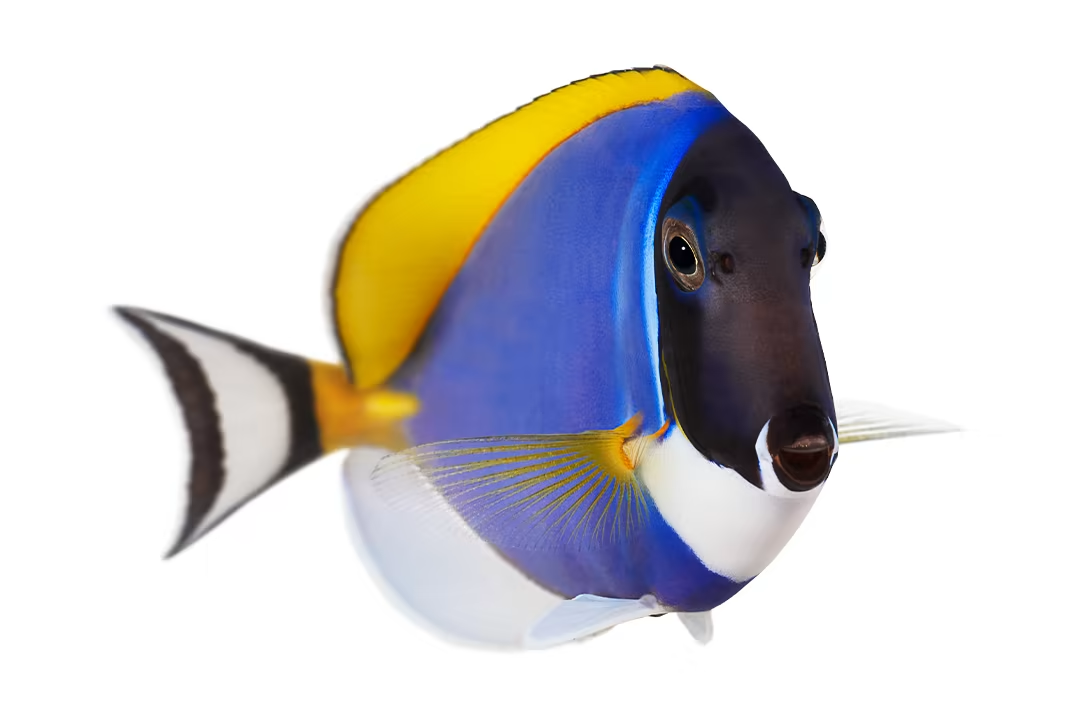
Your Ultimate Tang & Surgeonfish Guide: Tank, Food & Habitat
Learn how to care for a tang fish, recommended diet and aquarium setup. Find the right food, supplies and equipment at your neighborhood Petco.
Updated on November 13th, 2025
- Health & Wellbeing
Is it suitable to make a 1 feet marine tank. What fish should i keep in it?
It is very difficult to get a good biotope in a just 1 foot long tank unless it is a few feet high. You will not be able to keep fish in it, only invertebrates, maybe a few shrimp or sea anemones. It is much harder to keep the water healthy in a small tank,and the appliances needed for running a salt water aquarium cost pretty much the same (if available) as appliances for a larger tank. I suggest you join a club of salt water aquarists who will be able to start you off perfectly. Your local fish/pet shop should be able to point you to a club.
Updated on August 12th, 2025
- Health & Wellbeing
Are these steps good for this fish's wound and finrot? Part of the fish fin fell off but it is okay now. We're planning to quarantine him and use aquarium salt. Is there any last minutes subs for the salt? Tomorrow is Christmas so the stores will be
Generally speaking you can follow these guidelines: - set up quarantine tank: make sure the tank is well oxygenation and has some plants for hiding; - add 1 teaspoon of aquarium salt per gallon; unfortunately it is very difficult to replicate the composition of aquarium salt back home so I would strongly suggest to buy a specific product. - add this product https://www.liveaquaria.com/product/4410/?pcatid=4410 as indicated; - leave your fish there and feed him regularly for 3-4 days until you don't see any improvement - If no results at all are seen after 4 days a check up would be needed as more specific tests may be needed to establish a specific diagnosis. Hope this answer was helpful, but please do not hesitate to contact us again on the forum or by requesting a consultation if you have any more questions or to discuss it any further. Please find the time to give us a feedback about the consultation as that will be used to improve our service.
Updated on August 12th, 2025
- Health & Wellbeing
Hi so I don't really like freshwater tanks so I have never been that committed and never had much success except keeping a koi and breeding cherry shrimp which I still have so I was wondering am i ready for a saltwater tank? since I love saltwater ta
Hi there! Thanks for using Boop by Petco! This is the same question I asked myself a few years ago when I started with my first saltwater aquarium. It really depends on a lot of factors. Consider that it requires a significant amount of time and money commitment if you want to do it the right way. It is really time consuming though extremely rewarding. Water quality and equilibrium of the tank are key and ensuring both requires using the right equipment and constantly testing the water and adjusting things as needed. I would consider reading a lot about it before commiting any money to it. I personally love it but it really is a second job I have every Saturday morning just to take care of my tank. Good luck!
Updated on August 12th, 2025
- Health & Wellbeing
hello, i bought a fish tank last week ans followed all the instructions the lady gave me for example leave the water in there for 3 days before buying the fish, cleaning the decorations bought the liquid that promotes good bacteria ect. yesterday I b
The quick start liquid will add nitrifying bacteria but will not eliminate ammonia or nitrites. Both are harmful and can kill fish in high enough concentrations. You can use a home test kit to test the water or you can submit a sample for testing. Most pet stores or aquarists will do this for free or for a nominal fee. There are chemical additives you can use to decrease levels. When adding water, use treated water or aged water. Ideally, the tank should be left empty for about 4 weeks to properly establish the nitrogen cycle before adding fish. At this point, you may lose the second fish regardless of treatment. Test the water, make adjustments, let the tank cycle and start fresh. Adding an airstone can increase oxygen levels.
Updated on August 12th, 2025
- Health & Wellbeing
My fish can’t open it’s mouth, and Is resting on the bottom of the tank, has a swim then goes back to the bottom of the tank
Check the water chemistry and quality first. Elevated ammonia or nitrite levels can be toxic. Partial water changes can be done to stabilize and improve water chemistry. Use only aged or conditioned water that is temperature matched to prevent further stress or shock. For goldfish, a range of 65F to 72F is recommended. Check the filter and rinse the sponge with tank water, not tap water, to spare beneficial bacterial populations and to maintain water quality. The tank may not be large enough to support 5 goldfish. Generally, 20 gallons should be allowed for the first goldfish then a 10 additional gallons should be provided for each additional goldfish. This is due to the larger than average bio load (wastes) they produce. Consider a larger tank or decrease the number of fish in one tank. Use a filter that is rated for at least twice the volume of the tank and add an airstone and pump for increased oxygenation. Plain aquarium salt (NOT table salt). Can be used as a general tonic. I
Updated on August 12th, 2025