Two Easy Ways to Start Earning Rewards!
Earn 2X Pals Rewards points at Petco
when you use Petco Pay!
Get It Today
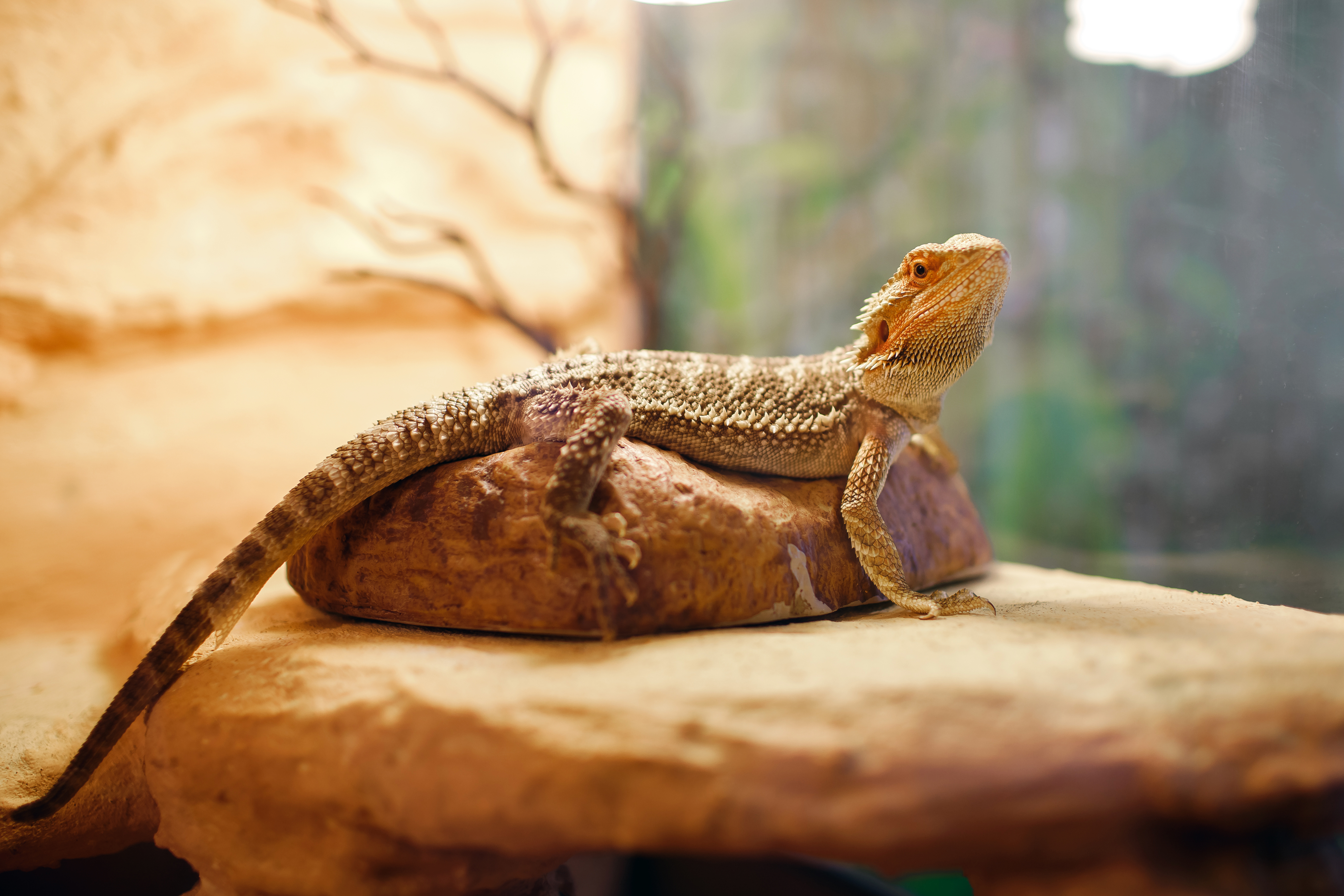
Whether you temporarily lose access to AC or are experiencing unexpected temperature changes, you can use these tips to keep your reptiles happy and healthy.
Updated on November 13th, 2025
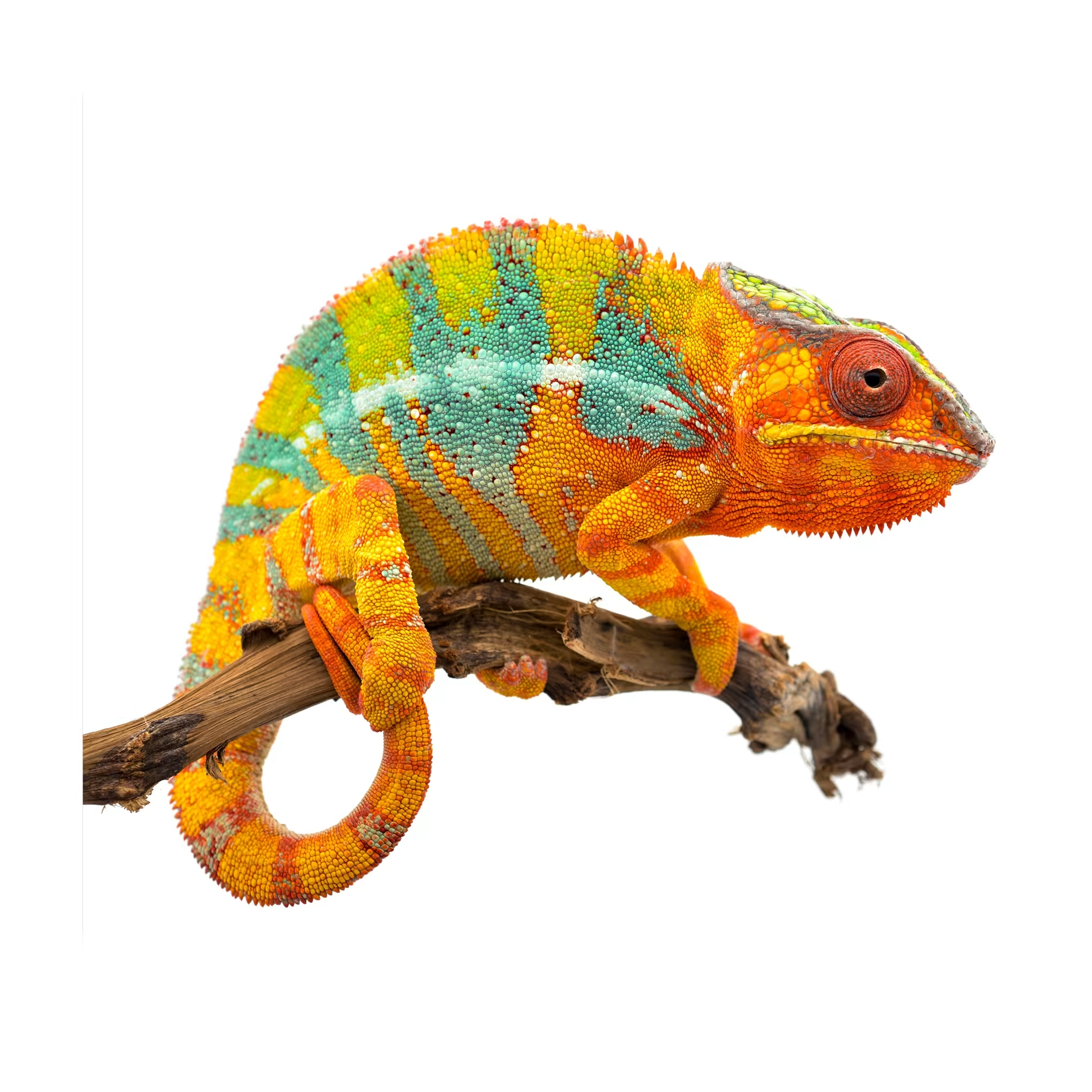
Learn how to care for warm climate Chameleons, recommended diet & habitat setup. Find the right food, supplies & equipment at your neighborhood Petco.
Updated on November 13th, 2025
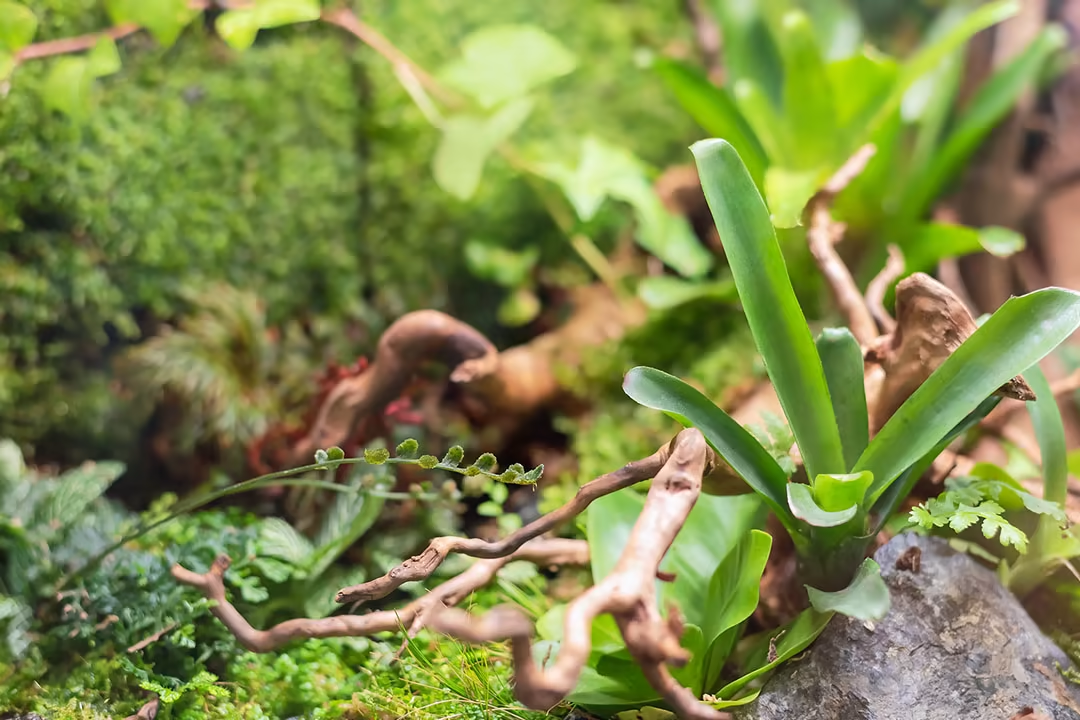
Tropical and desert terrarium plants are not only beneficial to terrestrial environments, but they also bring a more natural appearance to your reptile’s habitat.
Updated on November 13th, 2025
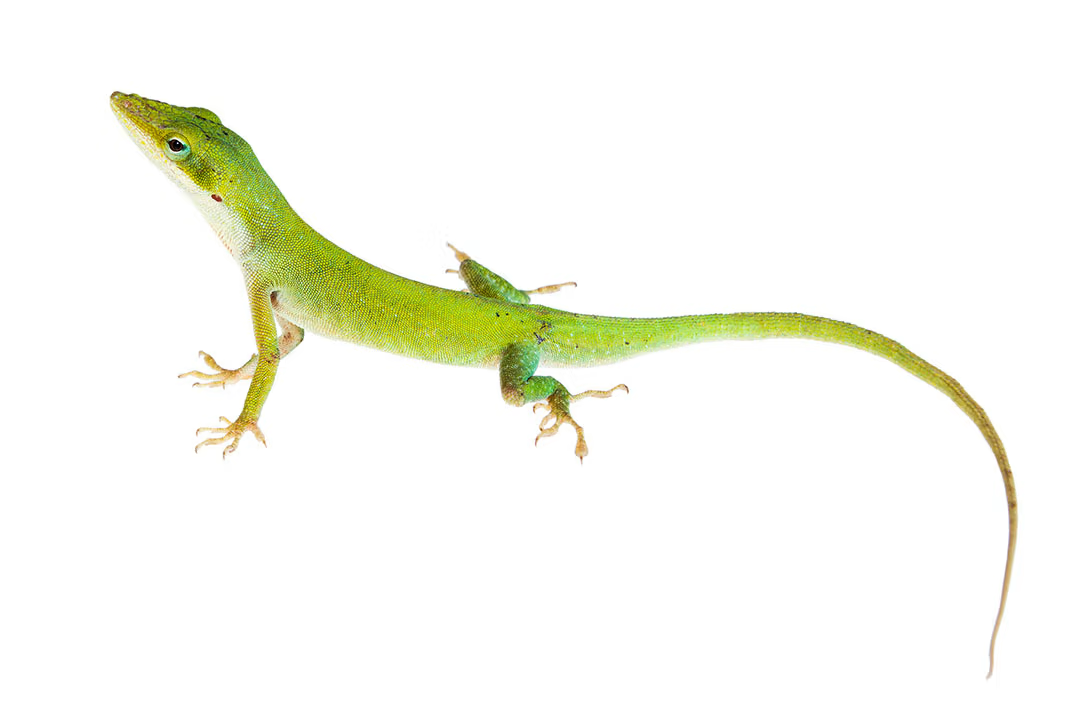
Learn how to take care of Green & Bahama Anoles, recommended diet and tank size. Find the right food, supplies and equipment at your neighborhood Petco.
Updated on November 13th, 2025
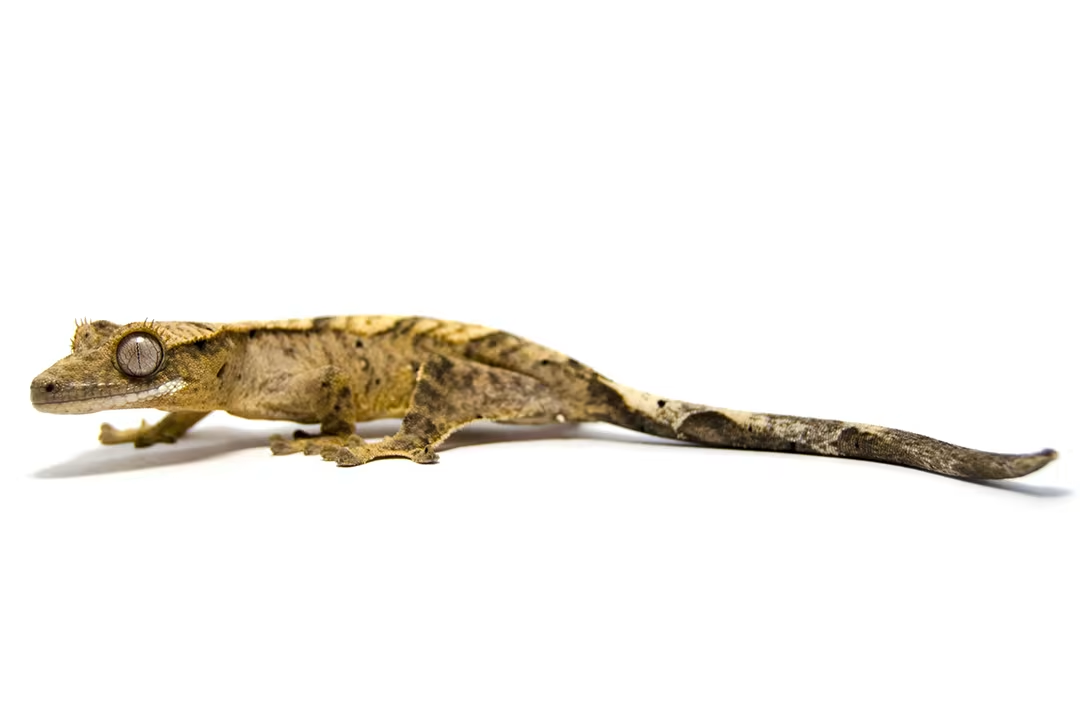
Learn how to take care of your Crested Gecko, tank size, diet & habitat setup. Find the right food, supplies and equipment at your neighborhood Petco.
Updated on November 13th, 2025
50-watt spot/heat bulb is usually sufficient.Put a 10 to 12% UVb fluorescent tube up to one half the length of the vivarium and fix it as far into the hot end as possible Please do not hesitate to contact us again on the forum or by requesting a consultation if you have any more questions or to discuss it any further.
Updated on August 12th, 2025
Natural sunlight can be substituted for artificial UV light as long as the light is not filtered. If the light has to travel through glass, or a mesh covering, then it will not allow UV light through and an artificial source will need to be substituted. If the sunlight is completely unobstructed, then you can subtract the amount of time that sunlight is available from the 10- 12 hours and have an artificial UV source for the rest of the time. The UV light will be limited, or nonexistent in the shade, but it's expected that he will not spend the entire day basking in UV light, so it's OK if he spends some time in the shade. Make sure that there is a good area of unobstructed light in the enclosure and he should get the necessary amount of UV rays. I hope that helps and all is well with Loki.
Updated on August 12th, 2025
Thanks for reaching out about your turtles and including photos. Not sure if a lesion is recognized on the photos. Is the shell soft and bulging slightly? If so a calcium or vitamin D deficiency should be considered. Basking lights need to contain UVB radiation, and often that wavelength burns out in 6-8 months, even though the bulb continues to produce white light. If you have further concerns, a veterinary visit is recommended. Good luck.
Updated on August 12th, 2025
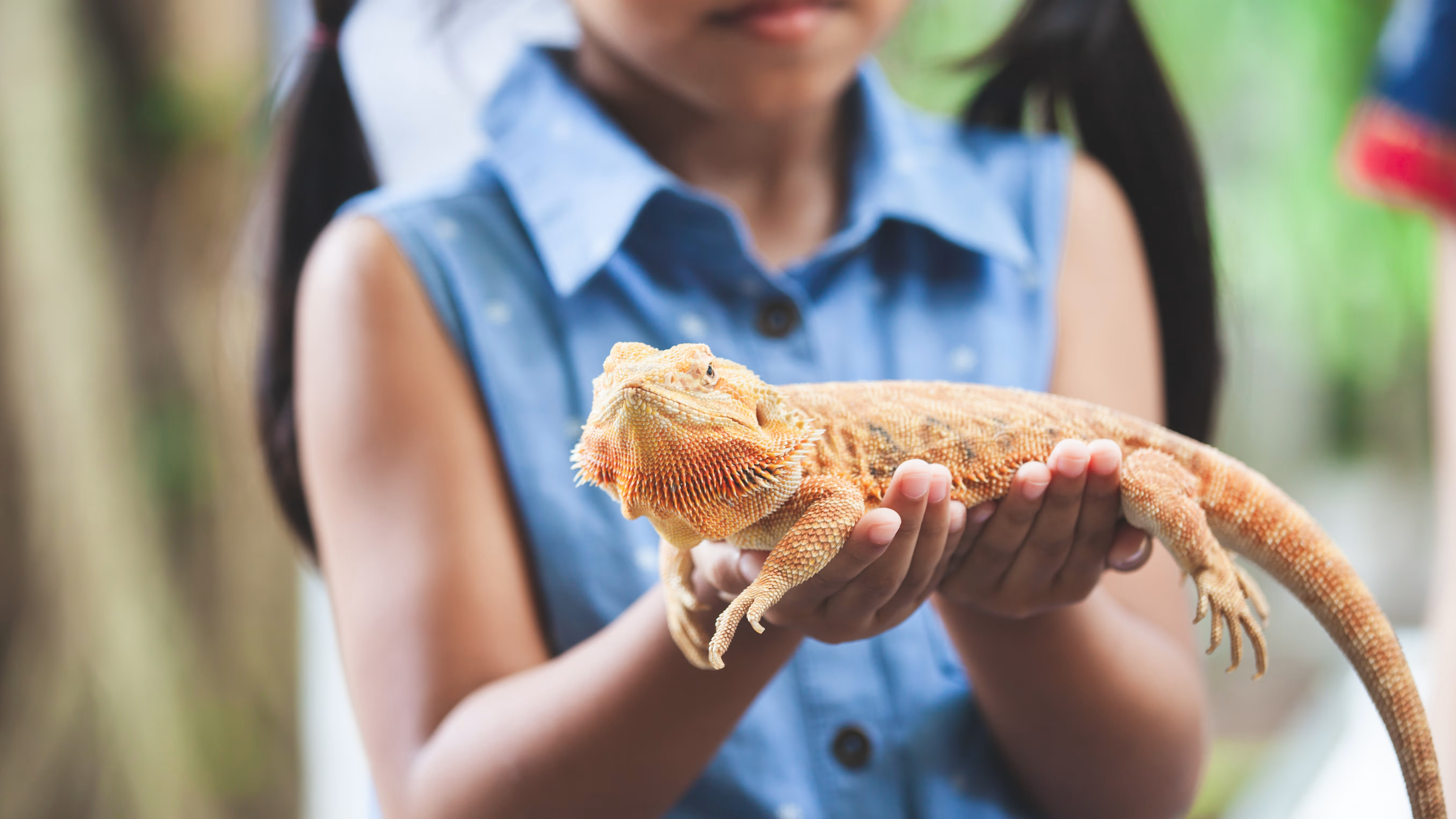
If it projects light, then yes, it should be turned off at night, so their natural circadian rhythm preserved. However, you should ensure that there is an alternative heat source (i.e. a heat pad). I always found it difficult to ensure that the light is turned off at night and had timers set to do the job for me. I hope that helps and all goes well with Scratch. These are great pets! Below is a link to some very good (veterinary recommended) information about caring for your Beardy: http://www.anapsid.org/bearded.html
Updated on August 12th, 2025
Hi there! We have a Crested Gecko and have so much fun with him! Don’t worry, they are a great starter reptile and are pretty easy to keep. In the winter we use a red light to keep the tank warmer, but not a specific heat lamp. This keeps the tank warm enough without getting too hot. Also very important is the humidity of the tank. Keeping it spritzed several times a day is necessary. We started with a tank your size and it probably would have been just fine long term, but we ended up purchasing a larger tank because we wanted a different look. Best of luck and have fun with your crestie! Thank you for using Pet Coach.
Updated on August 12th, 2025