Two Easy Ways to Start Earning Rewards!
Become a member today! Members-only pricing and offers, personalized care notifications, Vital Care points back on every purchase and more!
 Become a credit card member today!
Earn 2X Pals Rewards points at Petco
when you use Petco Pay!APPLY NOWLearn More About Petco Pay Benefits
All-Glass Saltwater Fish Shop
Get It Today


Related Searches
Related Articles & Questions
- New Pet
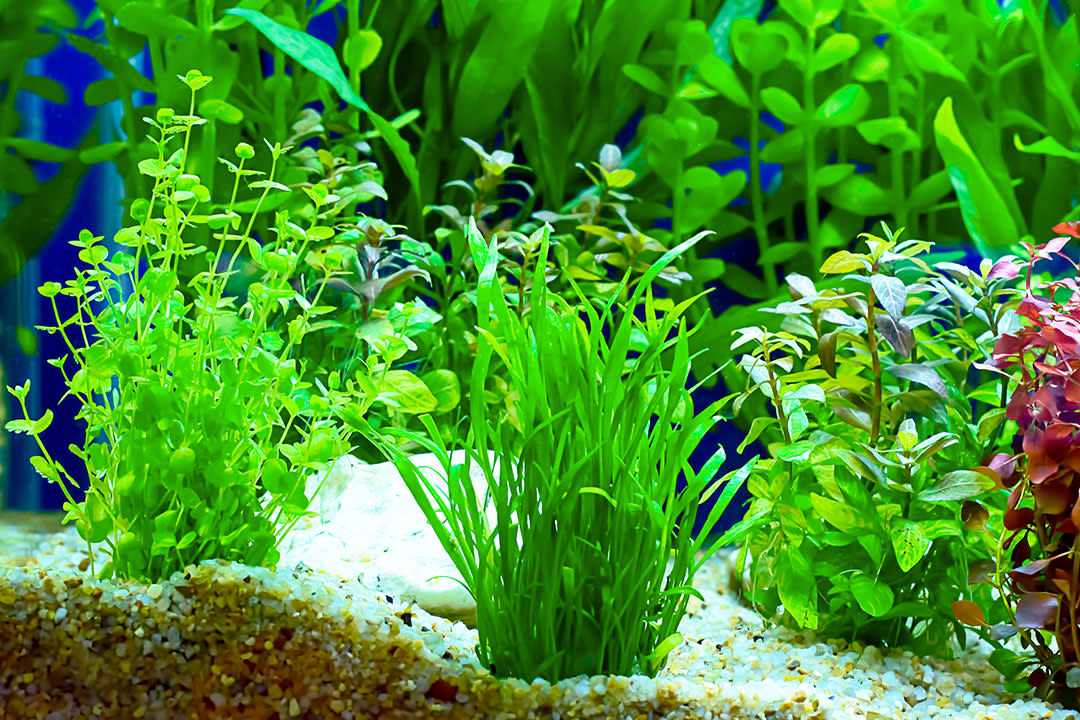
Master Aquatic Plant Care: Lush Aquarium Plants & Happy Fish
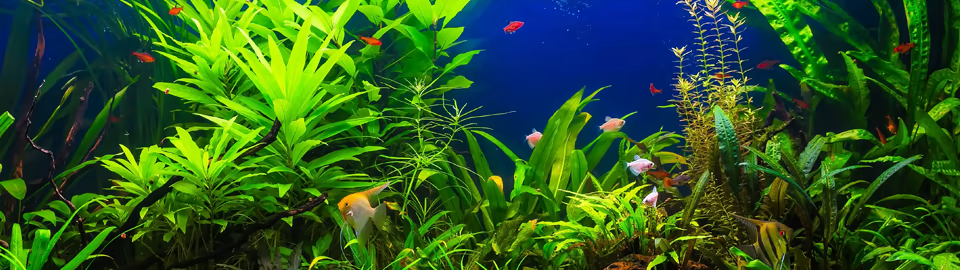
Tanks with live plants can be excellent additions to your home, bringing a touch of nature indoors. Learn how to take care of aquatic plants.
Updated on November 13th, 2025
- Home & Habitat
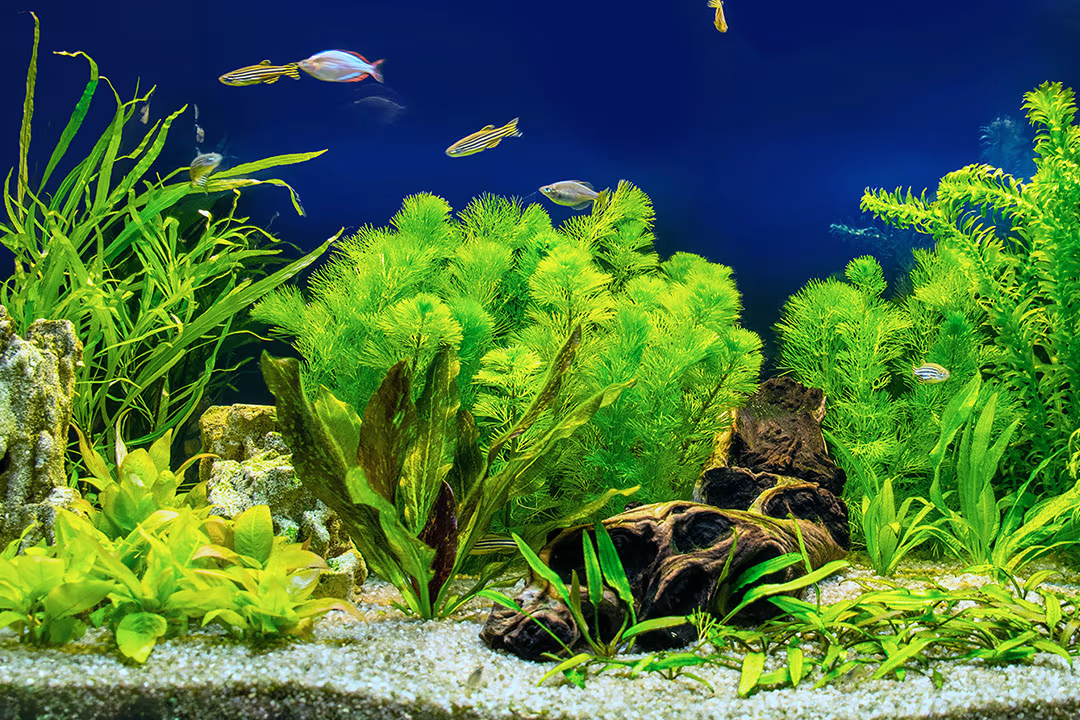
Freshwater vs. Saltwater Aquarium Costs: Which Is Cheaper for You?
Wondering how much it costs to set up and maintain an aquarium? Find out the costs of freshwater versus saltwater tanks in our fish cost guide, complete with handy charts outlining common costs.
Updated on November 13th, 2025
- New Pet
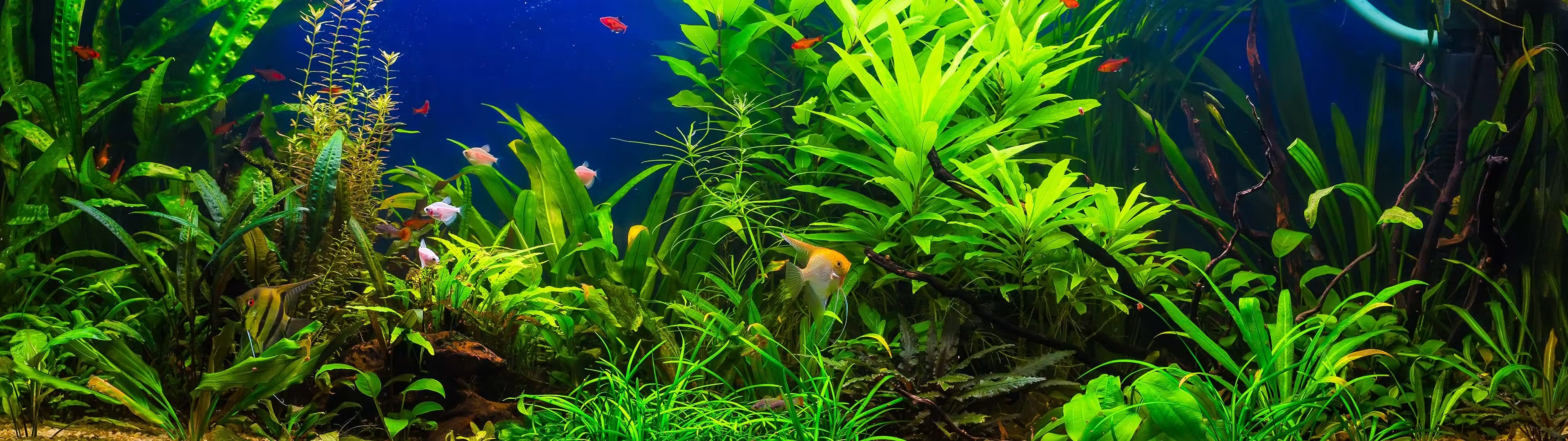
Freshwater Aquarium Setup: A Step-by-Step Guide for Beginners
Learn how to set up a freshwater fish tank and key considerations regarding placement, supplies needed, and the set up process.
Updated on November 13th, 2025
- New Pet
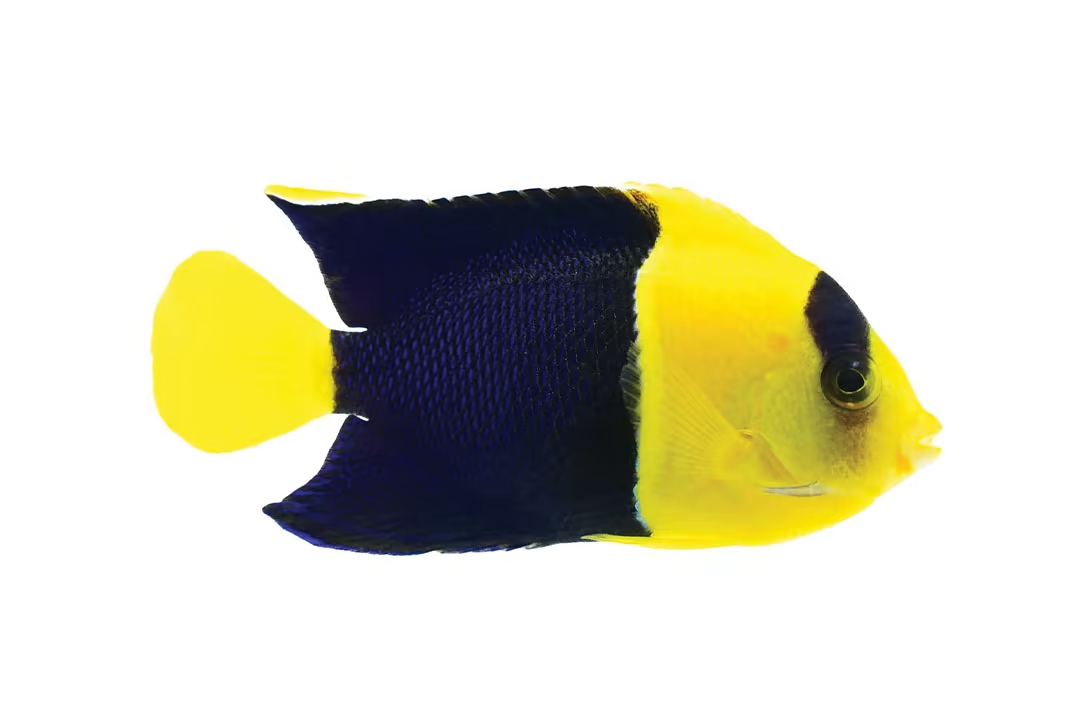
Dwarf Marine Angelfish Care: Tank Setup, Feeding & Compatibility
Learn how to take care of Dwarf Marine Angelfish, recommended diet and tank setup. Find the right food, supplies and equipment at your neighborhood Petco.
Updated on November 13th, 2025
- New Pet
Perfect First Fish: Easy & Hardy Freshwater Pets for Beginners
Some fish species generally do well in smaller aquariums, are more adapted to aquarium life, & can be slightly more forgiving with water quality fluctuations.
Updated on November 13th, 2025
- Food & Nutrition
What types of fish should I buy because I'm a beginner in this . I have a 1 feet tank . One more thing I have heard that live-bearers could be best But I want your suggestion. And also what other Things I should buy and can you tell me a site that ca
Without anything to use for scale, it is hard for me to tell how big your tank is, but in general it seems very small. Also, the water that is in the tank appears very cloudy right now, so that would be the first place to start. Water quality is very important, and will make or break your ability to house and care for fish. I would recommend getting a good filter system (you can visit a local pet store to assist you with brands in your area, as I am not familiar with what you can get in India). Be sure to bring the measurements (height, length, width) of your tank, or the gallons or liters so they can tell you what capacity of filter you will need. Everything else will depend on what types of fish you get - if you plan on getting multiple fish, they will need to be small - a general rule of thumb is one square inch of fish per gallon of water. Depending on the species you get, you may need to also get a bubbler to ensure there is enough oxygen in the water for them, and you will also
Updated on August 12th, 2025
- Health & Wellbeing
I have 2 glo fish what kind of tank should I get?
At the very least, a 10 gallon tank with a filter, heater, hood and light. Ideally, the tank should be up and running (without fish) until it cycles properly. This means there needs to be sufficient time for beneficial bacteria to colonize the tank and filter to be able to break down wastes, namely ammonia and nitrites and to a lesser degree, nitrates. This can take several weeks to occur. You can cycle a tank with fish in it, but it will require daily testing of water chemistry to prevent a toxic build up of ammonia and/or nitrites. Either can kill your fish if not treated. Follow this link for a FAQ regarding Glo Fish: https://www.glofish.com/about/faq/ Follow this link for more about cycling a tank: http://www.firsttankguide.net/cycle.php
Updated on August 12th, 2025
- Food & Nutrition
I don't know what to feed my glass catfish we've tried shrimp pellets algae tablets in the flakes nothing seems to catch his attention so we are getting alive food next if live food doesn't work we will return him to the pet store
Glass catfish should be kept in groups of 5 or more or they will not feed properly. They will eat flakes better when there is competition from other glass catfish. Glass catfish do prefer other foods and need more than flakes. Try to get brine shrimp, blood worms, or California blackworms from your pet store. It is also important to keep them in a dusky environment, they do not like bright lights, and will be more active in the evening and night, and therefore also eat during that time. Water temperature should be around 75–81 °F, better at the high end.
Updated on August 12th, 2025
- Health & Wellbeing
I have a few problems in my cichlids tank currently. 1. There are these tiny white gnat like flying bugs coming out of the water? 2. Brown algae on the glass won’t go away! But I have snails and an eel so I don’t know what to use that won’t kill the
Those could be copepods. They are typically harmless and difficult to completely eradicate. On the good side, they are a sign of a healthy tank and are useful in eating decaying matter in the aquarium. The brown algae can be due to insufficient lighting or lighting periods. You can wipe down the glass and plants, perform a partial water change and increase lighting. It can take weeks to month to resolve. Use only aged or conditioned water that is temperature matched to prevent stress or shock. Confirm stable water chemistry and quality. Make sure the water temperature is correct as well. Too warm or too cold can cause stress. Look the Jack Dempsey over for signs of injury or infection. Ich, bacterial infection or fungal infection can cause the fish too twitch or shiver. Plain aquarium salt (NOT table salt or Epsom salt) dissolved at 1 tablespoon per 5 gallons of water is a great general tonic that can reduce stress, improve gill function, treat minor infection and aid in any recover
Updated on August 12th, 2025
- Health & Wellbeing
hello, i bought a fish tank last week ans followed all the instructions the lady gave me for example leave the water in there for 3 days before buying the fish, cleaning the decorations bought the liquid that promotes good bacteria ect. yesterday I b
The quick start liquid will add nitrifying bacteria but will not eliminate ammonia or nitrites. Both are harmful and can kill fish in high enough concentrations. You can use a home test kit to test the water or you can submit a sample for testing. Most pet stores or aquarists will do this for free or for a nominal fee. There are chemical additives you can use to decrease levels. When adding water, use treated water or aged water. Ideally, the tank should be left empty for about 4 weeks to properly establish the nitrogen cycle before adding fish. At this point, you may lose the second fish regardless of treatment. Test the water, make adjustments, let the tank cycle and start fresh. Adding an airstone can increase oxygen levels.
Updated on August 12th, 2025