Two Easy Ways to Start Earning Rewards!
Earn 2X Pals Rewards points at Petco
when you use Petco Pay!
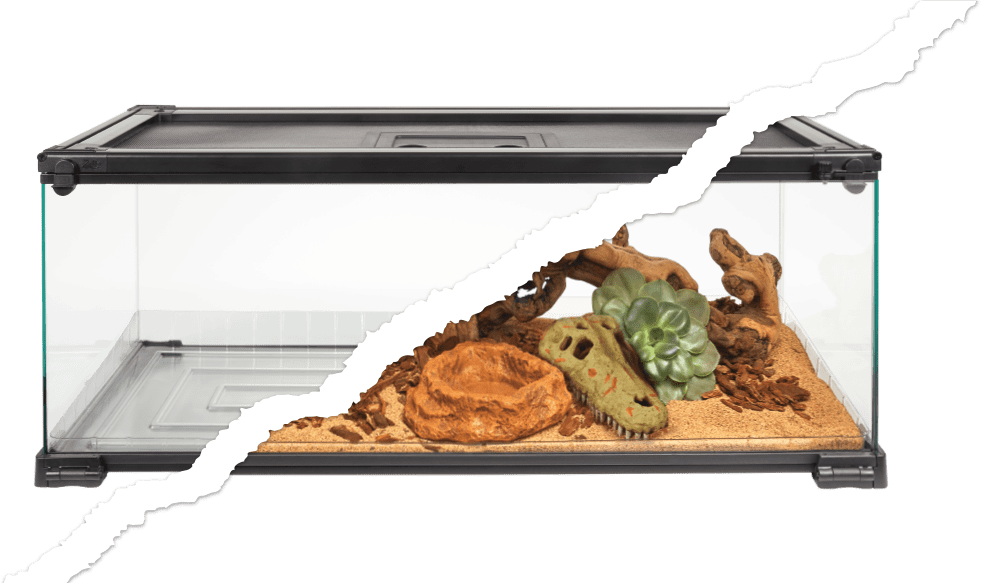
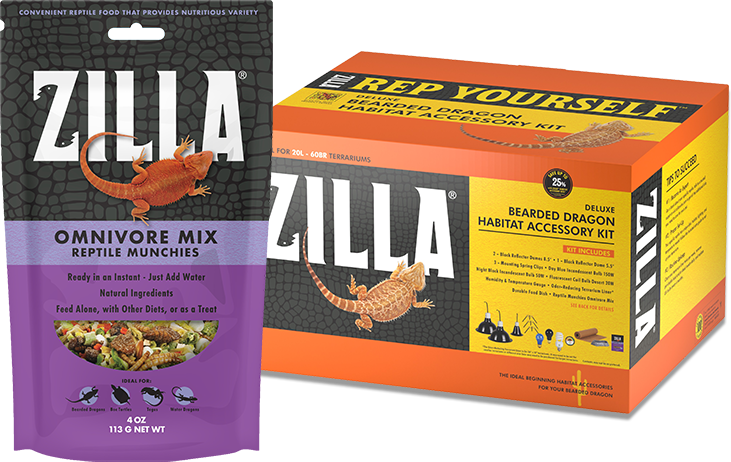
You’re a reptile parent committed to maintaining happy and healthy reptile habitats, and you want to find the right brands to support your mission. Zilla reptile products comprise all the necessary components for successfully keeping your reptiles and amphibians living their best life. The Zilla brand offers a variety of solutions, including reptile food, reptile habitat décor, reptile heating and lighting, and reptile terrariums and cages.

Whether you’re buying Zilla terrariums or other Zilla reptile products, Zilla is a brand you can count on, committed to producing innovative solutions to help you build and maintain reptile habitats for healthy reptile pets.
Learn the signs your bearded dragon is gravid and how to care for a pregnant beardie. Also, find out if the eggs are fertile and how to care for bearded dragon eggs.
Updated on November 13th, 2025
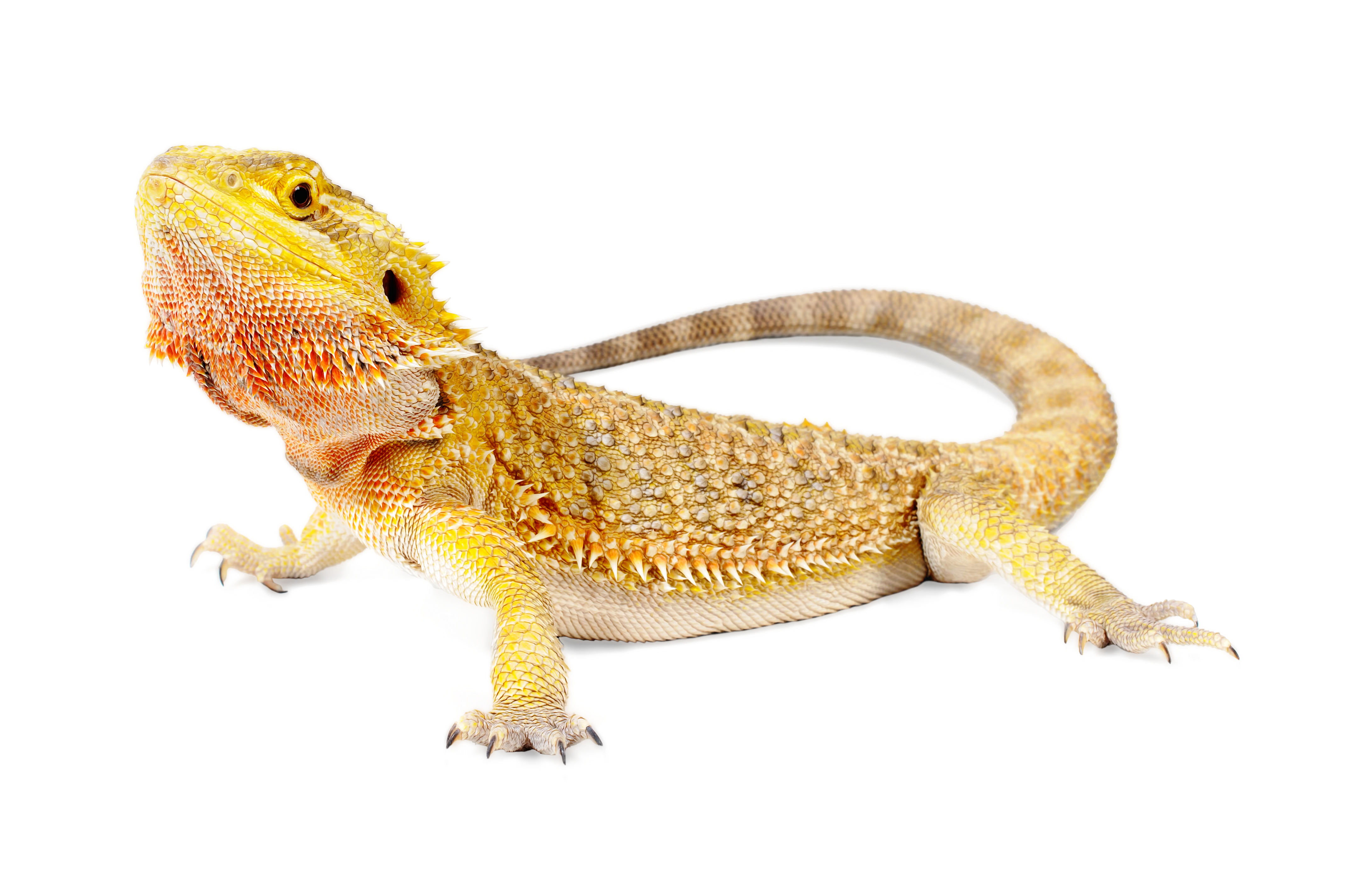
Learn why your bearded dragon is not eating. Visit petco.com for more information on the causes and what to do about them.
Updated on November 13th, 2025
Learn how to care for arid lizards, recommended diet & habitat setup. Find the right food, supplies & equipment at your neighborhood Petco.
Updated on November 13th, 2025
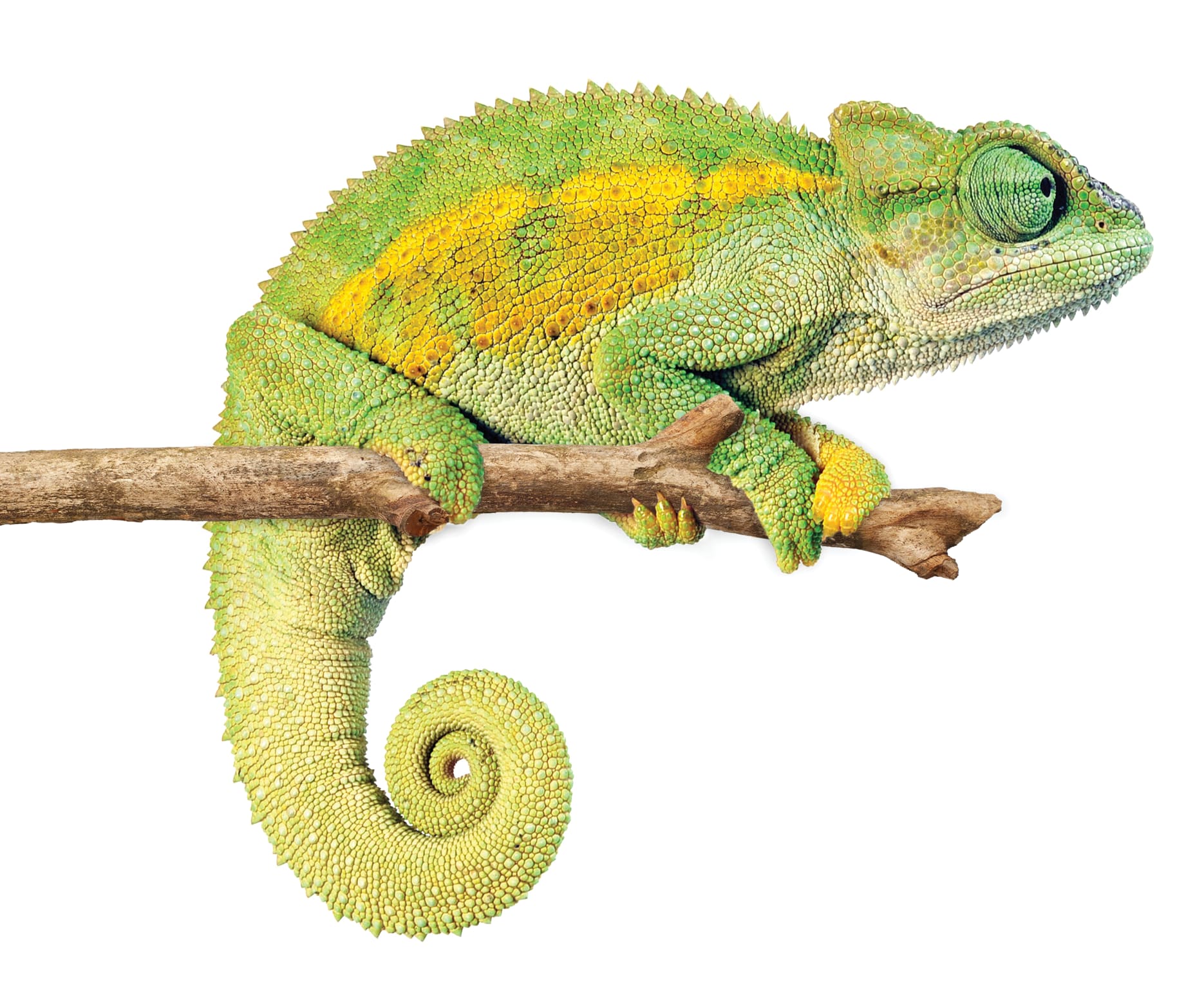
Learn how to care for cool climate Chameleons, recommended diet & habitat setup. Find the right food, supplies & equipment at your neighborhood Petco.
Updated on November 13th, 2025
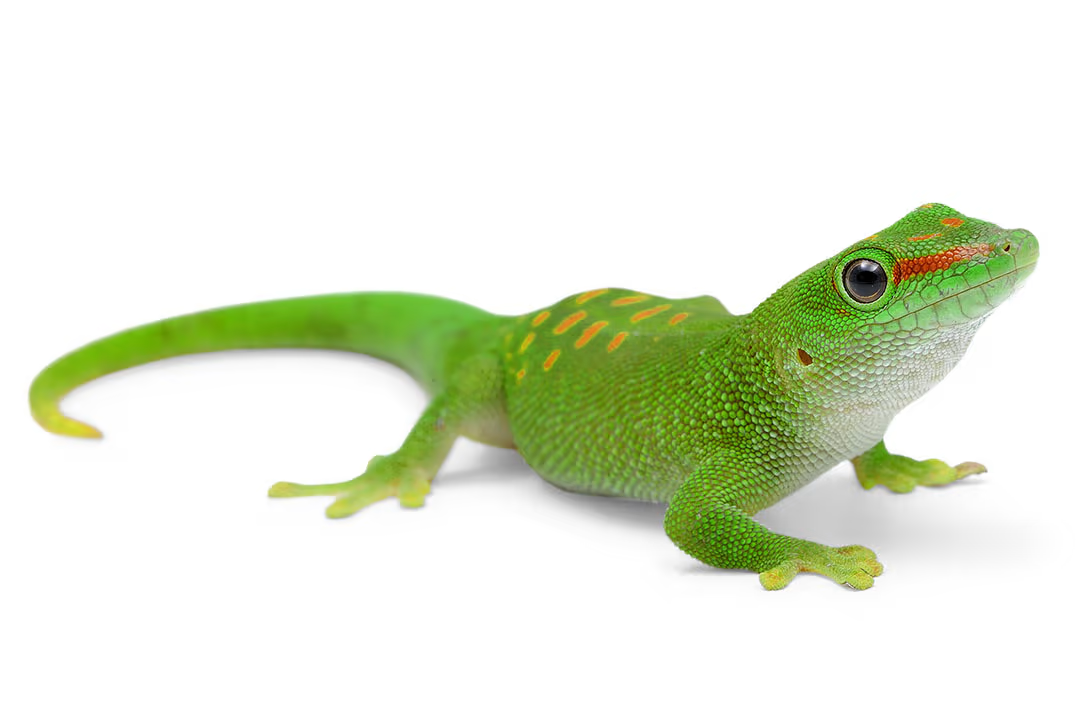
Learn how to care for a Giant Day Gecko, recommended diet & habitat setup. Find the right food, supplies & equipment at your neighborhood Petco.
Updated on November 13th, 2025
One of the most reliable sites for beardie care is found at the link below. http://www.anapsid.org/bearded.html You can find additional information here: http://www.reptilesmagazine.com/Care-Sheets/Lizards/Bearded-Dragon/ Provide heat, UVB lighting, water and a balanced diet while she recovers and beyond. Once she is healthy again, acclimate her to your presence slowly then gradually introduce her to handling by holding her for ever increasing periods of time.
Updated on August 12th, 2025
Monitor for lethargy, loss of appetite or loose stool. Dehydration is a common cause of hatchling death. Mist her several times a day. Do not use a water bowl as it presents a risk of drowning. Feed appropriately sized prey. This can include roaches, crickets or silkworm. Fresh, chopped greens and a commercial pelleted diet should also be offered. Offer a calcium supplement daily and a multvitamin 5 days per week. Her enclosure should contain climbing furniture, a basking area, a heat lamp, UVB lightsource and a couple hides (one on the cool side, one on the warm side). Follow this link for more information: http://www.anapsid.org/bearded.html
Updated on August 12th, 2025
Congratulations on your new addition! The tank is sufficient for a juvenile, however you will likely need a larger one when Sonora is fully grown. Make sure Sonora can get into and out of the bowl easily to prevent drowning. Place thermometers in the enclosure to monitor temperature. You will need 3. One at the cool side, one on the warm side and one for the basking spot. Hygrometers can also be used to monitor humidity. You can review care information at the link below. http://www.anapsid.org/bearded.html
Updated on August 12th, 2025
Beardies are omnivores and eat a mix of greens and live prey. Adult beardies will eat more greens than prey. At his age, Majesty can be fed once daily. Alternate between prey and greens. Don't forget to dust food with a calcium supplement as well as a multivitamin. Always have fresh water available. Offer different types of greens such as mustard greens, dandelion greens, kale, bok choy or raw cabbage. Vegetables that can be fed include celery, carrots, squash and pumpkin. This list is my no means inclusive. If he won't eat greens, chop them finer and add strawberries or blueberries to the mix. Mixing in crickets or mealworms may also stimulate the appetite. As long as the stool is formed, size isn't an issue. It will change depending on how much and what he eats. A light cycle of 12 hours on and 12 hours off is sufficient. To get him acclimated to you, simply spend time with him. Initially, you'll want to just sit by his cage, then progress to placing your hand in the cage then
Updated on August 12th, 2025
Oscar should be eating 2-3 times that amount. He should be fed twice daily. Gut load prey for 24 hours prior to feeding. He should be getting calcium 5 days a week and a multivitamin twice a week. He can eat crickets, dubia roaches and phoenix worms in addition to fresh chopped greens. His basking area should be 90-100 F. The rest of the tank should range from 76 F on the cool side to 86 F on the warm side. Make sure the UVB light is 10" - 12" away from him but no more than 18" away and not blocked by glass or plexiglass. Have him examined by your veterinarian or a vet experienced in treating reptiles. Submit a stool sample to diagnose intestinal parasites.
Updated on August 12th, 2025