Two Easy Ways to Start Earning Rewards!
Become a member today! Members-only pricing and offers, personalized care notifications, Vital Care points back on every purchase and more!
 Become a credit card member today!
Earn 2X Pals Rewards points at Petco
when you use Petco Pay!APPLY NOWLearn More About Petco Pay Benefits
Wesco Cockatiel Toys
Get It Today


Related Articles & Questions
- Health & Wellbeing
Bird Emergency? Essential First Aid Kit & Steps to Save Your Pet
Get prepared to react calmly and efficiently when accidents happen by learning basic bird first-aid skills and putting together a pet bird first-aid kit.
Updated on November 13th, 2025
- New Pet
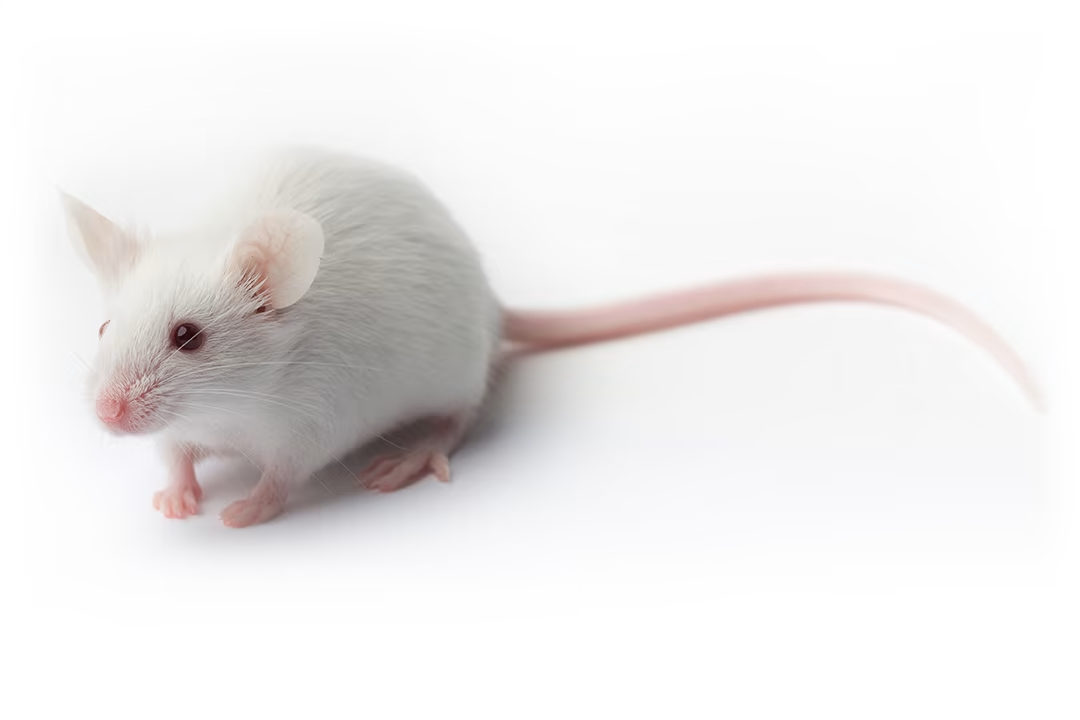
Best Toys for Rats & Mice: Enrich Their Habitat & Prevent Boredom!
Learn the many fun and easy ways to provide stimulating toys to enrich the environment of your pet rat or mouse.
Updated on November 13th, 2025
- New Pet
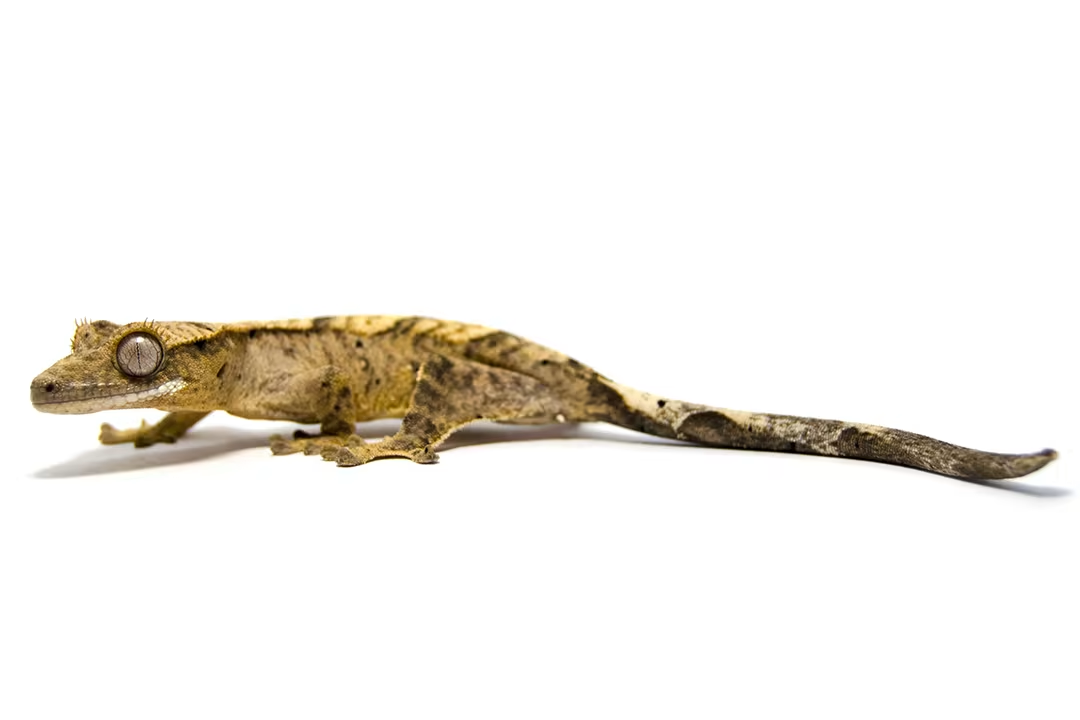
Crested Gecko Care: Habitat, Diet, Health, Supplies - Ultimate Guide
Learn how to take care of your Crested Gecko, tank size, diet & habitat setup. Find the right food, supplies and equipment at your neighborhood Petco.
Updated on November 13th, 2025
- New Pet
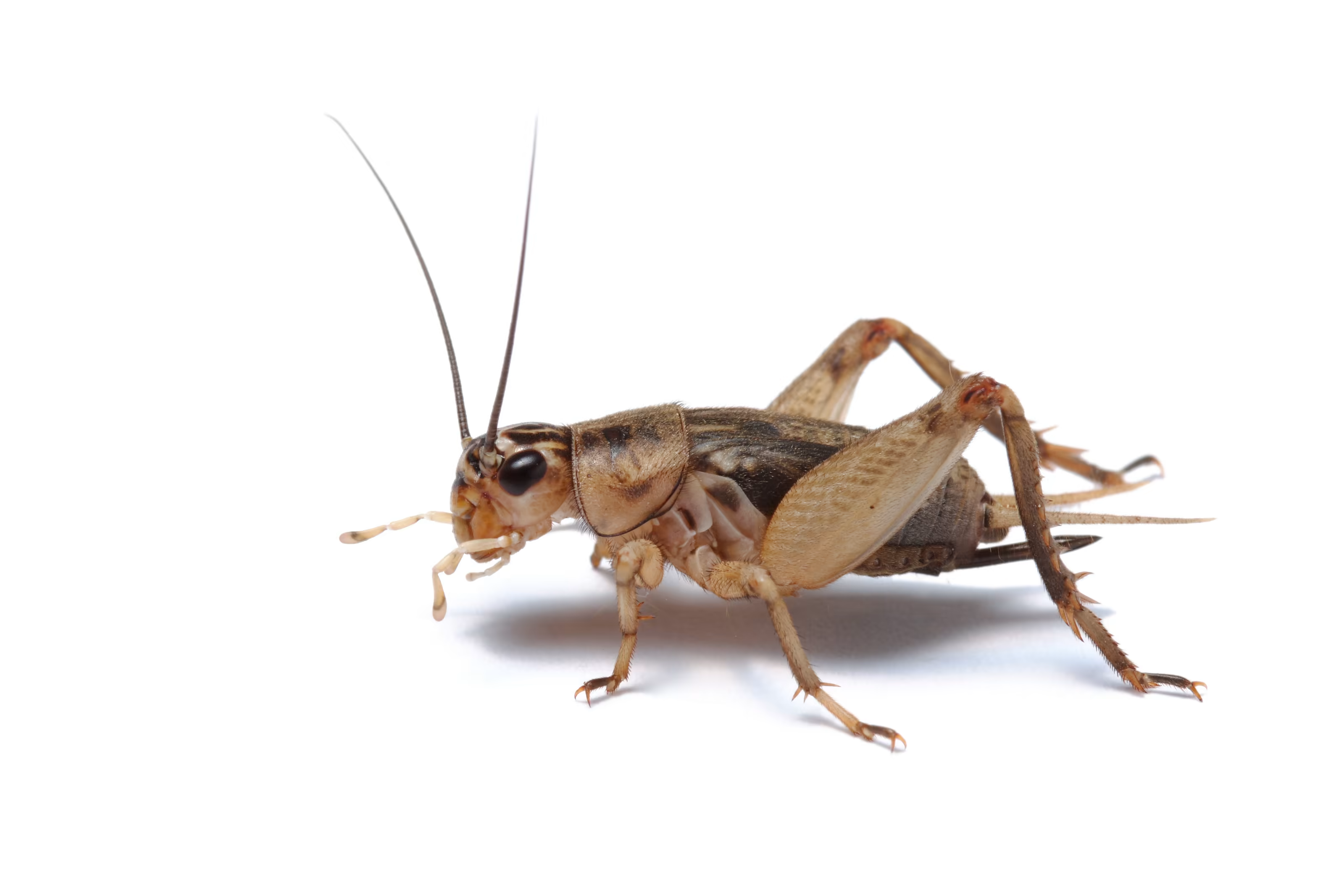
Cricket Care: Habitat, Feeding & Gut Loading Tips for Healthy Pets
Learn how to care for crickets, recommended diet & habitat setup. Find the right food, supplies & equipment at your neighborhood Petco.
Updated on November 13th, 2025
- New Pet
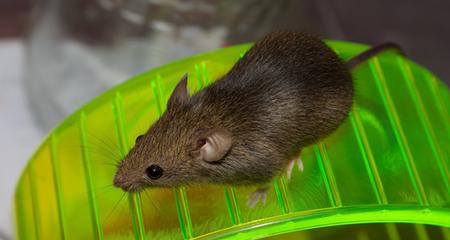
Ultimate Pet Mouse Care: Food, Habitat, Health & Training Guide
Learn how to care for a pet mouse, recommended diet and habitat setup. Find the right food, supplies and equipment at your neighborhood Petco.
Updated on November 13th, 2025
- Health & Wellbeing
Can you help me with my cockatiel?
Yes, an expert at Boop by Petco would be glad to help you with your cockatiel. If you could please post again with your specific question about Okami, or you could request a consult with an expert online who can give you in-depth help.
Updated on August 12th, 2025
- Food & Nutrition
Cockatiel question- Should I give a cockatiel grit? Can you give me a list of fresh fruit and veggies to put in with the pellets and seeds for a daily diet? How much food should I give a cockatiel? Should I offer insects? Should I give two bowls of
Thanks for all of your questions! You do not need to provide a cockatiel with grit - as a parrot, this material is not necessary for them to digest their food. For produce, I would recommend focusing on vegetables that are high in vitamin A and calcium - this is typically the brightly colored vegetables (such as bell peppers) and dark leafy greens. For fruits, ideally you would focus on tropical fruits, as they have more fiber and less sugar than our temperate fruits. These would include fruits such as mango and papaya. For feeding, I would recommend feeding 60-70% pellets, 20% vegetables, 5% fruit, and 5% seeds. An average cockatiel can be offered about 1/4 of food per day - some birds spill more than others so this would just be a place to start and you can then increase or decrease as needed. We want them to be eating portions of each food item, so don't offer too much food, or they will just pick out what they like (typically the seeds and fruit). You can offer multiple bowls of
Updated on August 12th, 2025
- Training & Behavior
I am planning to buy new cockatiels and I want to ask that if a lutino cockatiel , a grey cockatiel, a albino cockatiel, and a white faced pearl cockatiel all of these 4 will they stay together properly and also pls assist me for training them and c
That many birds should get along fine as long as you have enough space for them. Four birds would need a very large flight cage or even an aviary to ensure they all have the right amount of space and room to move around. You will also need many perches, multiple food and water dishes, toys, etc, to keep them from fighting. As training and care are very in-depth questions outside the scope of a single answer here, I'm pointing you toward some helpful articles! https://www.petcoach.co/article/cockatiels-nymphicus-hollandicus-species-profile-coloration/ https://www.petcoach.co/article/basic-bird-care/ https://www.petcoach.co/article/selecting-perches-for-caged-birds-materials-measurement-mai/ https://www.petcoach.co/article/basic-bird-training-how-to-train-your-bird-to-step-up/ https://www.petcoach.co/article/cost-of-owning-a-bird-setup-supplies-and-veterinary-care/
Updated on August 12th, 2025
- Food & Nutrition
Hello my name is Chanel I'm ten years old I live in France and want to ask you 2 questions I'm getting a bird for Chris mast (a cockatiel) and I wanted to ask if I could leave it at home by it self or I will need a other bird.What type of food can I
Hello Chanel and congratulations on your new pet. Here are some links with helpful information: https://www.petcoach.co/article/cockatiels-nymphicus-hollandicus-species-profile-coloration/ https://www.petcoach.co/article/basic-bird-care/ https://www.petsmart.com/learning-center/bird-care/cockatiel-care-guide/A0065.html https://vcahospitals.com/know-your-pet/cockatiels---general-information A single bird is more likely to bond with it's owner BUT you MUST devote a lot of attention to it every day or it could become lonely. These are very smart birds and they need stimulation or they can develop depression and other neurosis. Two birds are more likely to bond with each other but that's not to say they won't bond with you as well. They still need stimulation but will keep each other company. I hope this helps and please feel free to post any additional questions.
Updated on August 12th, 2025
- Health & Wellbeing
My pet cockatiel is biting his cage and tries to bite/hiss at anyone who comes near his cage. He lives in the cage with another male cockatiel who is much more calm and abit scared. It has been a couple of days since we got them. I need to clean the
Since they are "new", they may need time to acclimate to their new home. A cage with a removable tray may make cleaning easier and safer. You can try offering some food or a treat to distract them while you clean. Acclimating them to you will take time and patience on your part. You will need to start by simply sitting near the cage daily or multiple times daily. Gradually increase the time as they get used to your presence. Move slowly and speak softly. End each session with a treat or reward. Once you gain their trust, begin again, but this time placing your hand in the cage for ever increasing periods of time. Make no attempt to pet or hold them. Again, end each session with a reward. There will be squawking and fluttering about initially, but you will know they are acclimating when this response decreases then disappears. Eventually, you will be able to teach the perch command and hold them.
Updated on August 12th, 2025