Two Easy Ways to Start Earning Rewards!
Earn 2X Pals Rewards points at Petco
when you use Petco Pay!
Get It Today
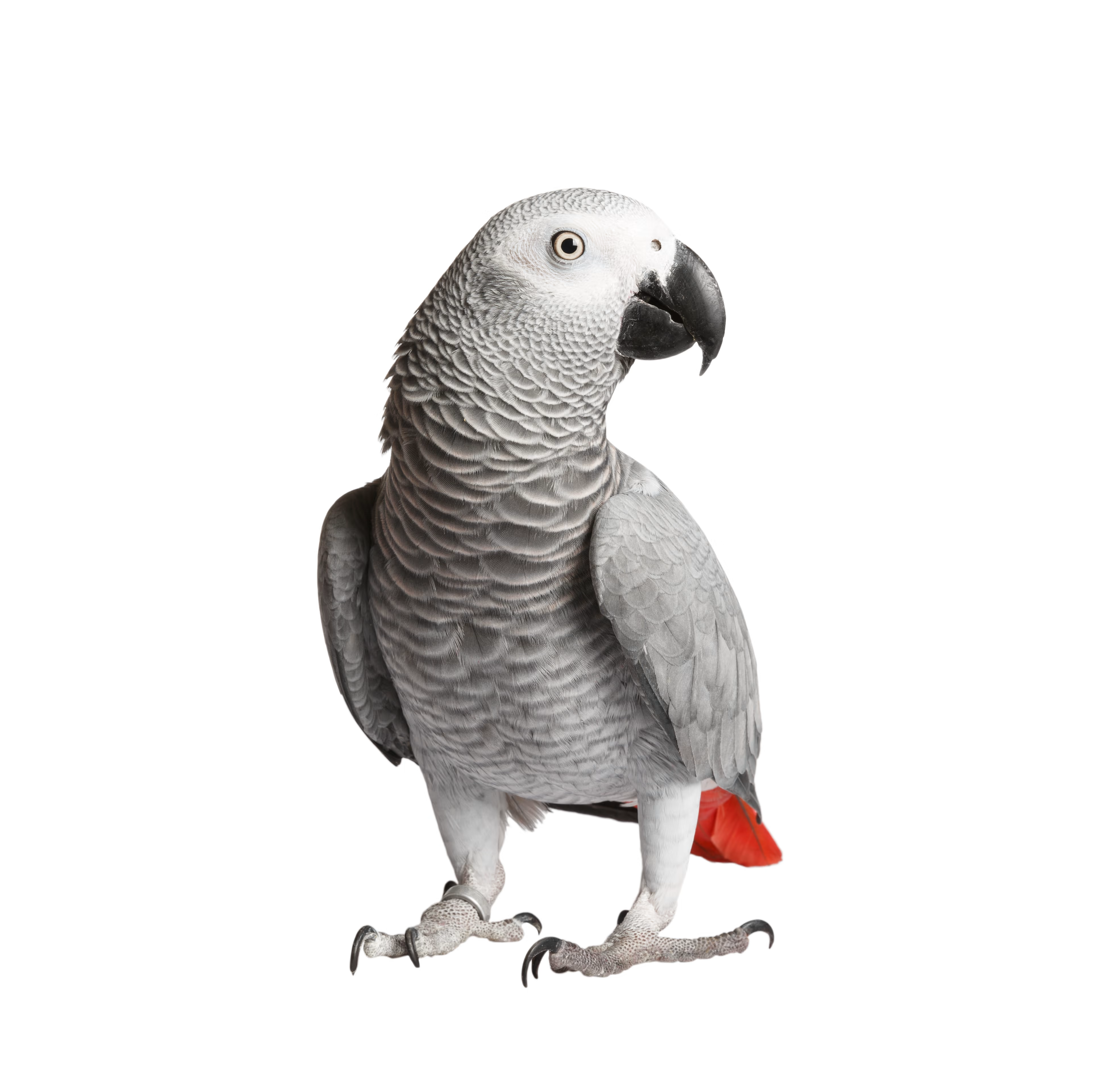
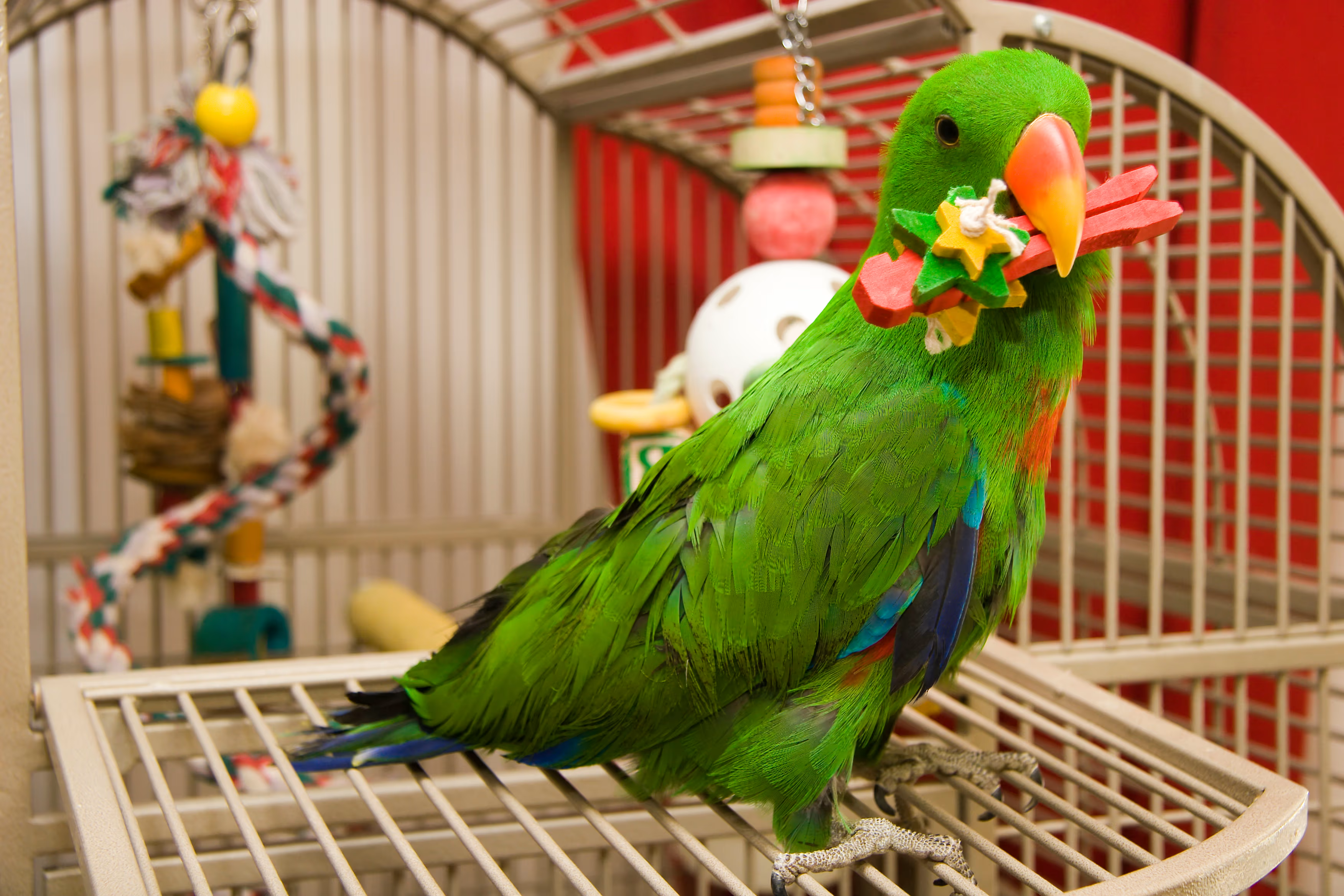
Learn how to take care of large Hookbill, recommended diet and housing setup. Find the right food, supplies and equipment at your neighborhood Petco.
Updated on November 13th, 2025
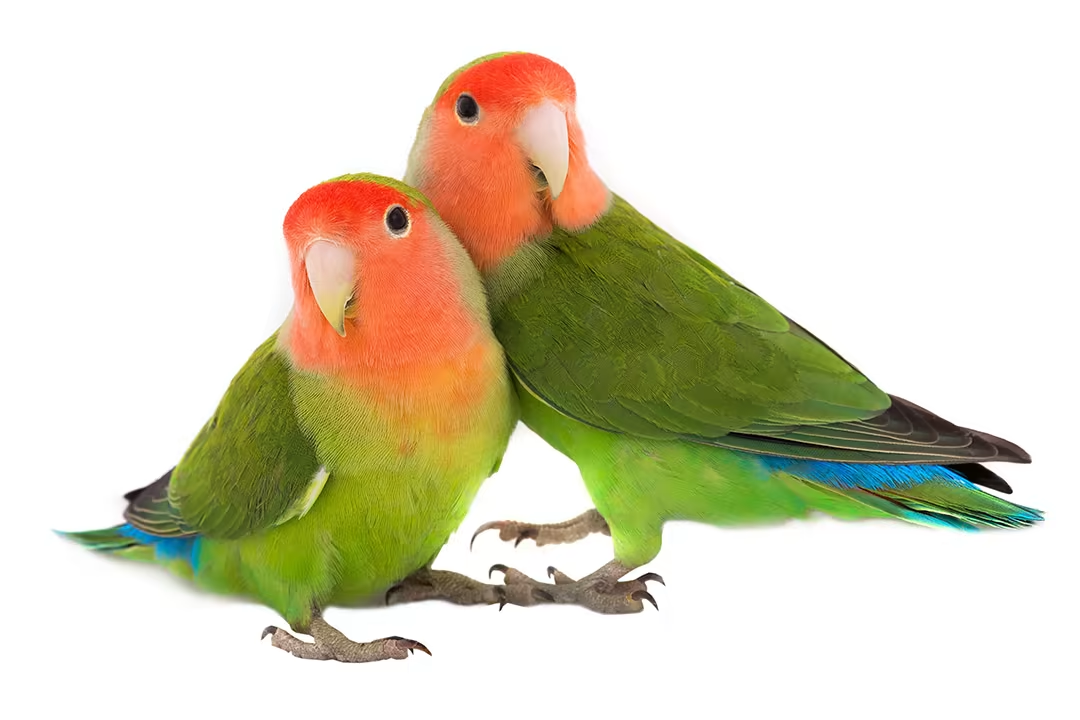
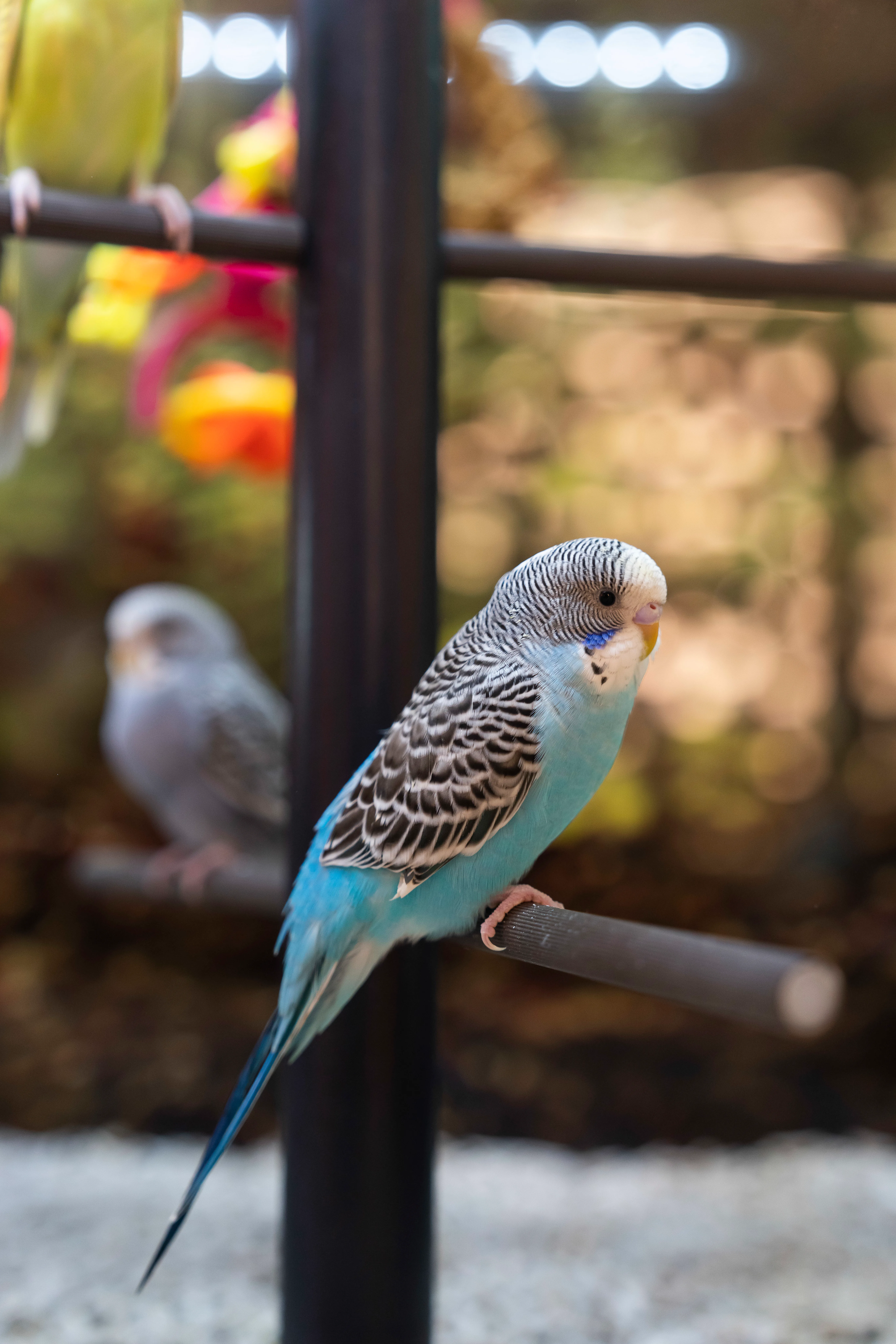
Learn how to take care of your Lovebirds, recommended cage size, diet and housing setup. Find the right food, supplies and equipment at your local Petco.
Updated on November 13th, 2025
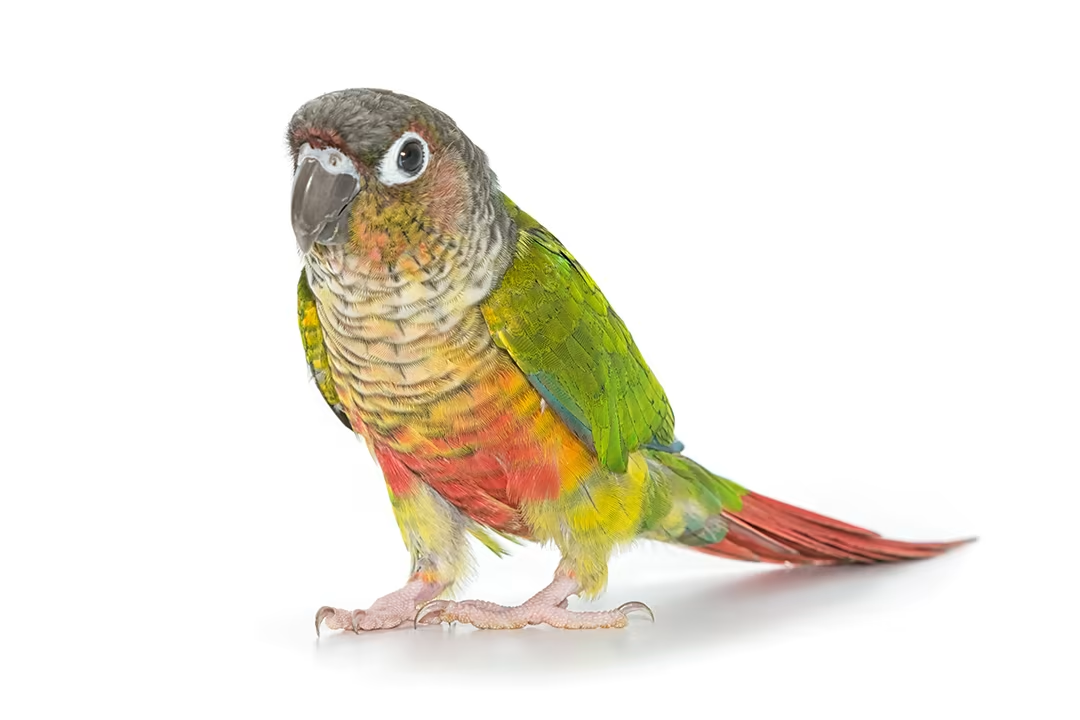
Green-cheek conures are highly inquisitive, bold, and engaging birds. Learn how to care for Green-cheek conures, what to feed them, habitat setup, and more.
Updated on November 13th, 2025
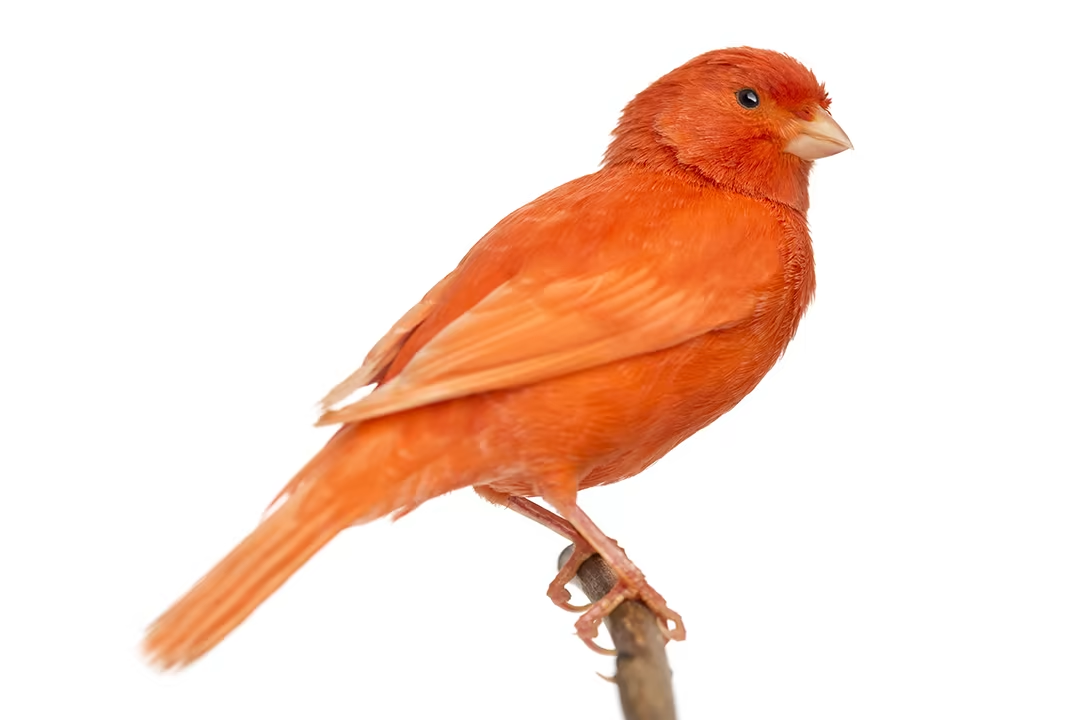
Learn how to care for a Canary, Canary facts, recommended diet and habitat setup. Find the right food, supplies and equipment at your neighborhood Petco.
Updated on November 13th, 2025
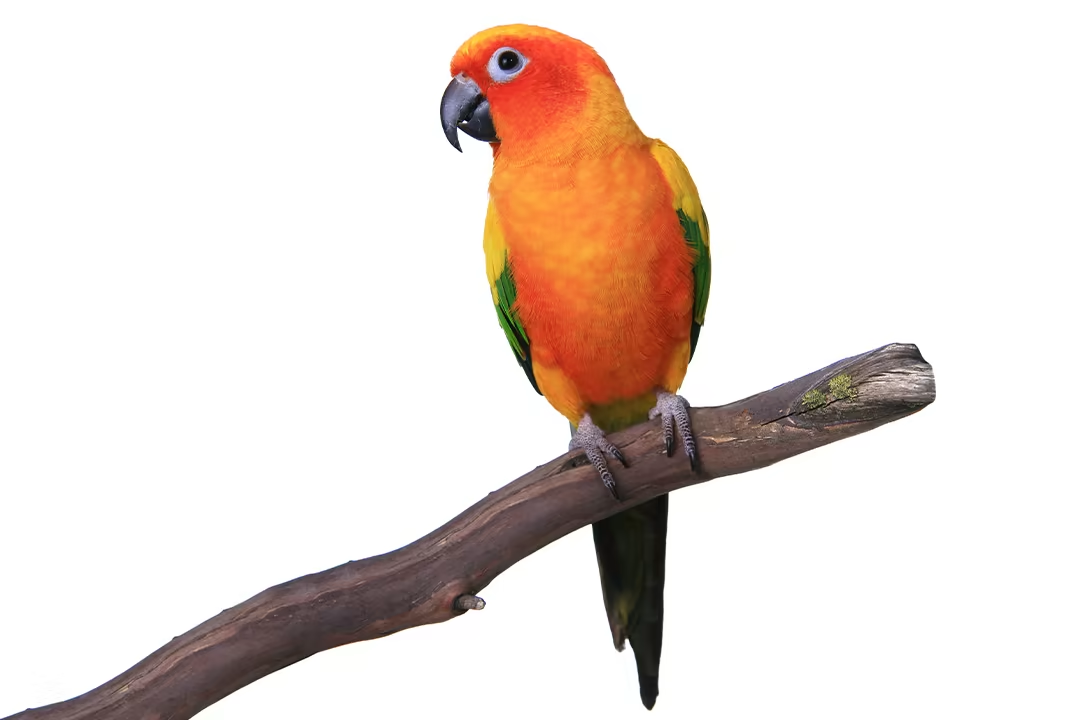
Learn how to take care of Sun Conures, recommended diet and housing setup. Find the right food, supplies and equipment at your neighborhood Petco.
Updated on November 13th, 2025
Feed a commercial pelleted diet (Harrison's, Roudybush, Lafeber, Pretty Bird or Exact) supplemented with a small amount of a fortified seed mix, fresh greens and vegetables and cooked foods such as grains, beans and pastas. You can even offer a bit of scrambled eggs, shells included, occasionally.
Updated on August 12th, 2025
Thanks for reaching out about Aqua. You can search for free cages on sites such as Craigs List or local bird rescue groups. A minimal size is probably 2' x 2' x 3', but depends on how much time is spent in the cage. Flight is good exercise but needs to monitored so the birds don't get themselves into trouble flying around. No bird should be left outside of its cage unattended. If birds are active and out of the cage for a fair amount, the night cage can be smaller, as is for mostly sleeping. Good luck.
Updated on August 12th, 2025
Julie looks like she may be a Quaker parrot by looking at the side view of her in the picture. You can post additional views in this forum for confirmation. Small parrots should be fed a varied diet with a commercial pelleted diet being the base. A fortified seed diet can be offered in limited quantities to prevent obesity and finicky eating. Most fresh fruits and vegetables can be offered daily as well. Favorites are grapes, apple, cooked egg and pasta. Limit fruit to prevent loose droppings. The cage should be cleaned weekly, if not more frequently depending on how messy she is. Provide different sized perches to exercise her feet. Parrots are chewers so care must be taken that they don't chew wires or toxic plants. Provide plenty of bird safe chew toys and other toys to keep her engaged. Rotate them out to prevent boredom. Ideally, she should be examined by an experienced avian veterinarian yearly. Please peruse the Boop by Petco Library for articles regarding bird care.
Updated on August 12th, 2025
Flake should probably be seen by a veterinarian. The closest board-certified avian veterinarian is: Dr. Scott Stahl of Stahl Exotic Animal Veterinary Services in Fairfax, Virginia, approximately 4 hours from where you are. However, many veterinarians who are not boarded specialists will still see birds. You should check with the veterinary practices in your area to determine if they will do so.
Updated on August 12th, 2025
If you have a local pet store in your location, that's a great place to check for commercial bird foods. You may also need to check online if you don't have anything available. Cockatiel foods are often a blend of seeds and pellets that are nutritionally balanced. Millet seeds, and other small seeds, and some dried fruits and vegetables can also be substituted to balance the diet if a commercial brand isn't available. Fruits such as dried berries, applies, peach, can be tasty, and dried veggies such as spinach and other leafy greens make a great treat.
Updated on August 12th, 2025