Two Easy Ways to Start Earning Rewards!
Become a member today! Members-only pricing and offers, personalized care notifications, Vital Care points back on every purchase and more!
 Become a credit card member today!
Earn 2X Pals Rewards points at Petco
when you use Petco Pay!APPLY NOWLearn More About Petco Pay Benefits
Tetra pH Treatments for Tanks
Get It Today


Related Articles & Questions
- New Pet
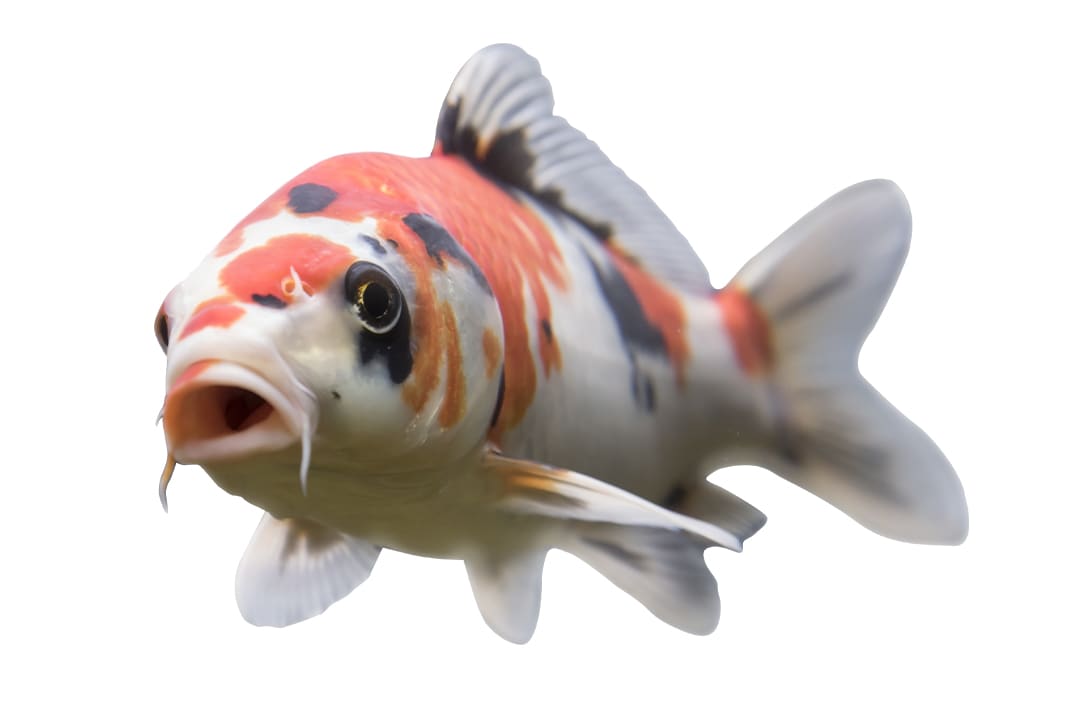
Mastering Koi Care: Optimal Tank, Food, Water Quality & Health Tips
Learn how to care for a Koi, recommended diet and aquarium setup. Find Koi for sale, supplies and equipment at your neighborhood Petco.
Updated on November 13th, 2025
- New Pet
How to Acclimate New Fish & Aquatic Life: Thriving Tank Guide
Acclimation helps your aquatic life adjust to the new chemistry of your tank, thereby helping ensure the health of your new addition.
Updated on November 13th, 2025
- New Pet
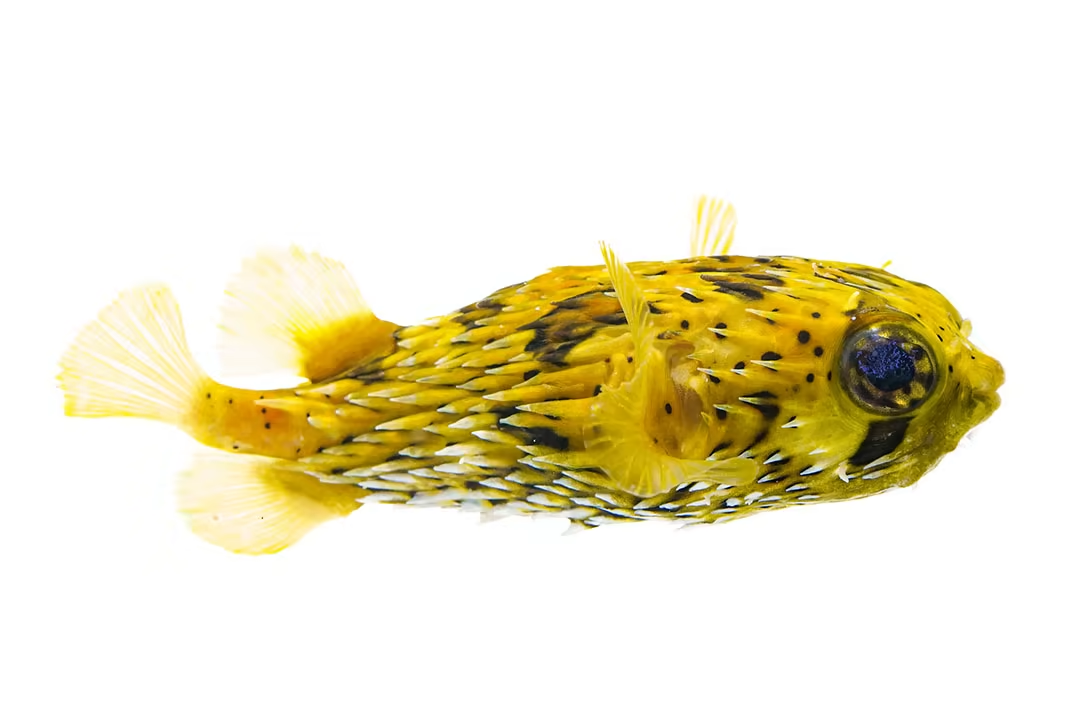
Pufferfish Care: Tank Setup, Diet, & Compatibility for Thriving Pets
Learn how to take care of Puffer Fish, recommended diet and tank size. Find the right food, supplies and equipment at your neighborhood Petco.
Updated on November 13th, 2025
- Health & Wellbeing
Cloudy Fish Tank? Find Causes, Get Crystal Clear Water & Happy Fish!
Have cloudy water in your fish tank? In order to clear up your water, first you need to understand the potential causes to apply the correct solution.
Updated on November 13th, 2025
- New Pet
Freshwater Aquarium Setup: A Step-by-Step Guide for Beginners
Learn how to set up a freshwater fish tank and key considerations regarding placement, supplies needed, and the set up process.
Updated on November 13th, 2025
- Health & Wellbeing
I'm about to buy some new fishes mostly Tetra Can you help me what fish should I buy because I am beginner in this things. Please tell me what sort of things I should bring I have a one foot tank now other than that What should I purchase from Aquar
Before you buy any fish, you will need to set up the tank. A basic set up includes: a tank, filter, hood/light, heater, gravel and some decor. The tank should run without fish for at least 4 to 6 weeks. This gives it time to cycle. The Nitrogen Cycle is critical to the health of the tank and any fish you will be keeping. During this time, beneficial bacterial will populate the filter and substrate (gravel). These bacteria will be responsible for breaking down fish wastes and other wastes (uneaten food, dead plants, etc.). You will need a home test kit to monitor water chemistry (ammonia, nitrites, nitrates, pH) or you will have to submit water samples for testing. Most pet stores will do this for free or for a small fee. At first, you will see high levels of ammonia and nitrites. Over time, as bacteria grow, these levels will drop. When ammonia and nitrites are at 0 ppm and nitrates are below 20 ppm, you can consider adding fish. Regular (every 1 or 2 weeks) partial water changes as we
Updated on August 12th, 2025
- Health & Wellbeing
Hi . Sorry for the trouble again a few hours earlier I came with the Sam question. But now I seek a adviceLastweek I had one pair of glowlite tetras one black neon Tetra and 3 rosy but now I am left with only 1 rosy rest all have died (out of which
It is no trouble at all. It is why we are here! The first thing to check would be water chemistry. This can be done using a home test kit or by submitting a water sample for testing. Most pet stores will do this for free or for a small fee. Aim for 0 ppm ammonia and nitrites with a nitrate level of 20 ppm or less. Perform a partial water change, no more than 30% total volume, daily to stabilize or improve water chemistry. Use only aged or conditioned water that is temperature matched to prevent stress or shock. The species of fish you have do best in the mid to high 70s F up to about 82 F. If you have a newly set up tank, it may not have cycled properly or adequately. This would have led to toxic levels of ammonia which likely killed your fish. A tank needs to run, without fish ideally, for 4-6 weeks to establish a Nitrogen Cycle. This time period allows beneficial populations of bacteria to colonize the substrate and filter media. These bacteria are responsible for breaking down ammo
Updated on August 12th, 2025
- Health & Wellbeing
Two of our freshwater fish are acting oddly in the water. We did lose a few last night, due to an ammonia spike. We noticed some pale-colored, wormlike flesh dropping from the front area (between the mouth and front fins); this black Guppy is “wobb
Monitor water chemistry using a home test kit or submit a water sample for testing. The local Petco may do this for free or for a small fee. Aim for an absence (0 ppm) of ammonia and nitrites with nitrates at 20ppm or less. Perform partial water changes to stabilize chemistry and/or to improve water quality. Use only conditioned water that is temperature matched to prevent stress or shock. Pristine water quality is the foundation for healing and recovery from infection or injury in fish. You can use plain aquarium salt (NOT table or Epsom salt) as a general tonic to reduce stress, improve gill function and aid in recovery. Dissolve 1 teaspoon of salt per gallon of water in a cup or two of water and gently pour it into the tank. Treat for 14 days then reassess the condition. An "all in one" product, such as Lifeguard (by Tetra), can be used concurrently to treat infection or parasites. Find one in the aquarium section of the local Petco. Follow label directions carefully and remove
Updated on August 12th, 2025
- Health & Wellbeing
My fish is acting sick. He is not really eating and he keeps going to the surface to breathe . He is also getting these little what looks like panic attacks and swims very fast and even hits his head constantly on the edges of his tank. I started to
Check water chemistry first. Use a home test kit or submit a water sample for testing. The local Petco may do this for free or for a small fee. Aim for an absence ( 0 ppm) of ammonia and nitrites with nitrates at 20 ppm or less. Perform partial water changes, no more than 30% at a time, to stabilize chemistry and/or to improve water quality. Use only conditioned water that is temperature matched to prevent stress or shock. Check water temp as well. Any of these can drive a fish to the surface. The "flashing" (darting about) can be due to infection (bacterial, fungal or parasites). Consider a broad spectrum antibiotic or an "all in one" product to treat multiple infections. Look in the Aquarium section of the local Petco for options. Follow label directions carefully and remove the carbon filter insert during treatment if indicated.
Updated on August 12th, 2025
- Health & Wellbeing
I went on vacation and put a vacation feeder in the tank when I came home his tank was a sandy color. After cleaning his tank complete I put him back in and after that he hasn't been the same going on a week with out eating. What did I do wrong? Now
Check the water chemistry. Confirm ammonia and nitrite levels are 0.25ppm or less and nitrates are 40ppm or less. Use a liquid test kit or submit a sample for testing. Most pet stores or aquarists will do this for free or for a small fee. Partial water changes, about 30% can be done to decrease high levels. Use only aged or conditioned water that is temperature matched to prevent further stress or shock. My preferences for water conditioning are AmQuel Plus and NovAqua in addition to StressCoat. Confirm water temperature between 78F and 80F. You can soak pellets in some garlic juice to stimulate his appetite.
Updated on August 12th, 2025