Two Easy Ways to Start Earning Rewards!
Earn 2X Pals Rewards points at Petco
when you use Petco Pay!
Petco wants to help pet parents give the best possible care to their pets, improving their health and wellness. At Petco, we look to provide the right solutions for anything you and your pet face together. Petco animal supplies range from aquarium supplies to dog treats and cat carriers and offer top-quality solutions for a diverse range of pets. From helping you bond with your animal to making sure their environment feels safe and comfortable, Petco products can give your pet what they need to thrive.
At Petco, we carry supplies and sell pets you can take home with you. If you find a pet like a parakeet or a hamster, our best small animals deals or bird deals can also help you get the supplies you need. Small animals require items like hideaways, exercise balls, nesting materials and chew toys. Similarly, birds do well with enclosures that offer space for sleeping, eating and doing their business. Petco birds and bird items can help you find the right pet and suitable provisions. Each bird and small pet has their unique needs, and Petco can help you find accessories made for your type of pet.
Petco fish supplies help create the ideal habitat for your aquatic pets. Gems and gravel accents along with plants and other décor give your fish the feel of natural surroundings with plenty of places to retreat. Find the perfect reptile or other small pet for you and outfit their enclosure to suit them. Once you get a feel for their preferences and personality, you can bring home the right Petco products beyond the basics. It’s this level of care that Petco encourages by providing a wide range of options.
Shop Petco animal supplies to find quality items that help improve your day-to-day, take care of your pet and put a smile on your face. Visit your neighborhood Petco Pet Care Center or shop online and choose Curbside Pickup or Repeat Delivery to save.
Read more to learn some basics of bird grooming that include bathing, nail trimming, and wing clipping.
Updated on November 13th, 2025
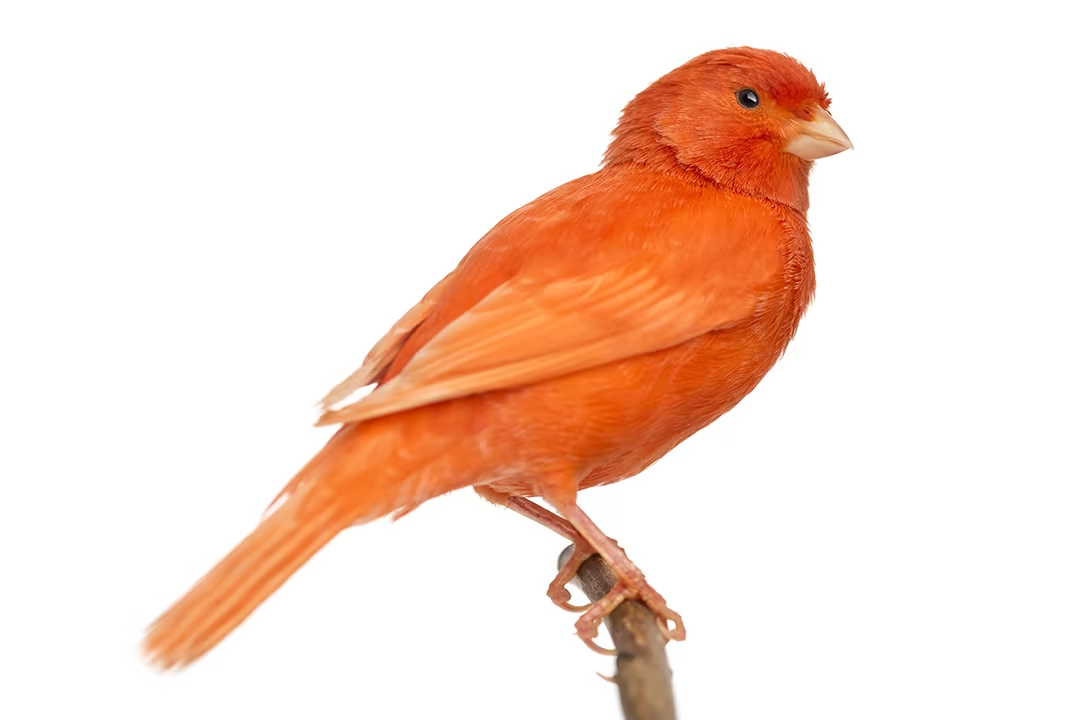
Learn how to care for a Canary, Canary facts, recommended diet and habitat setup. Find the right food, supplies and equipment at your neighborhood Petco.
Updated on November 13th, 2025
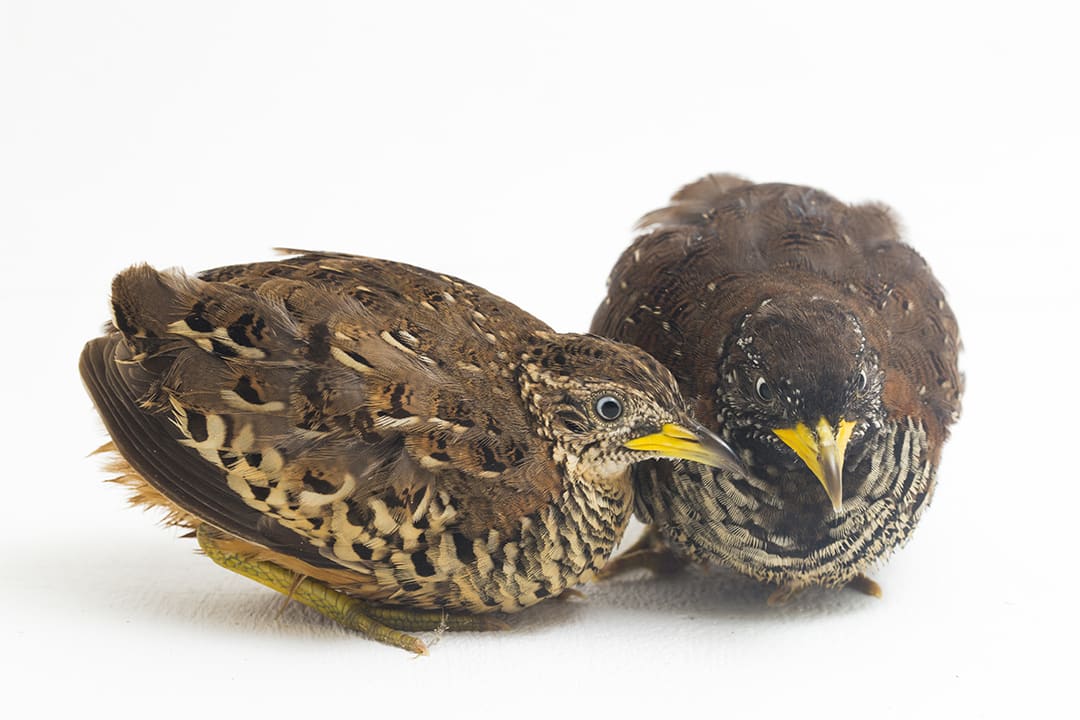
Learn how to take care of Button Quails, recommended diet and housing setup. Find the right food, supplies and equipment at your neighborhood Petco.
Updated on November 13th, 2025
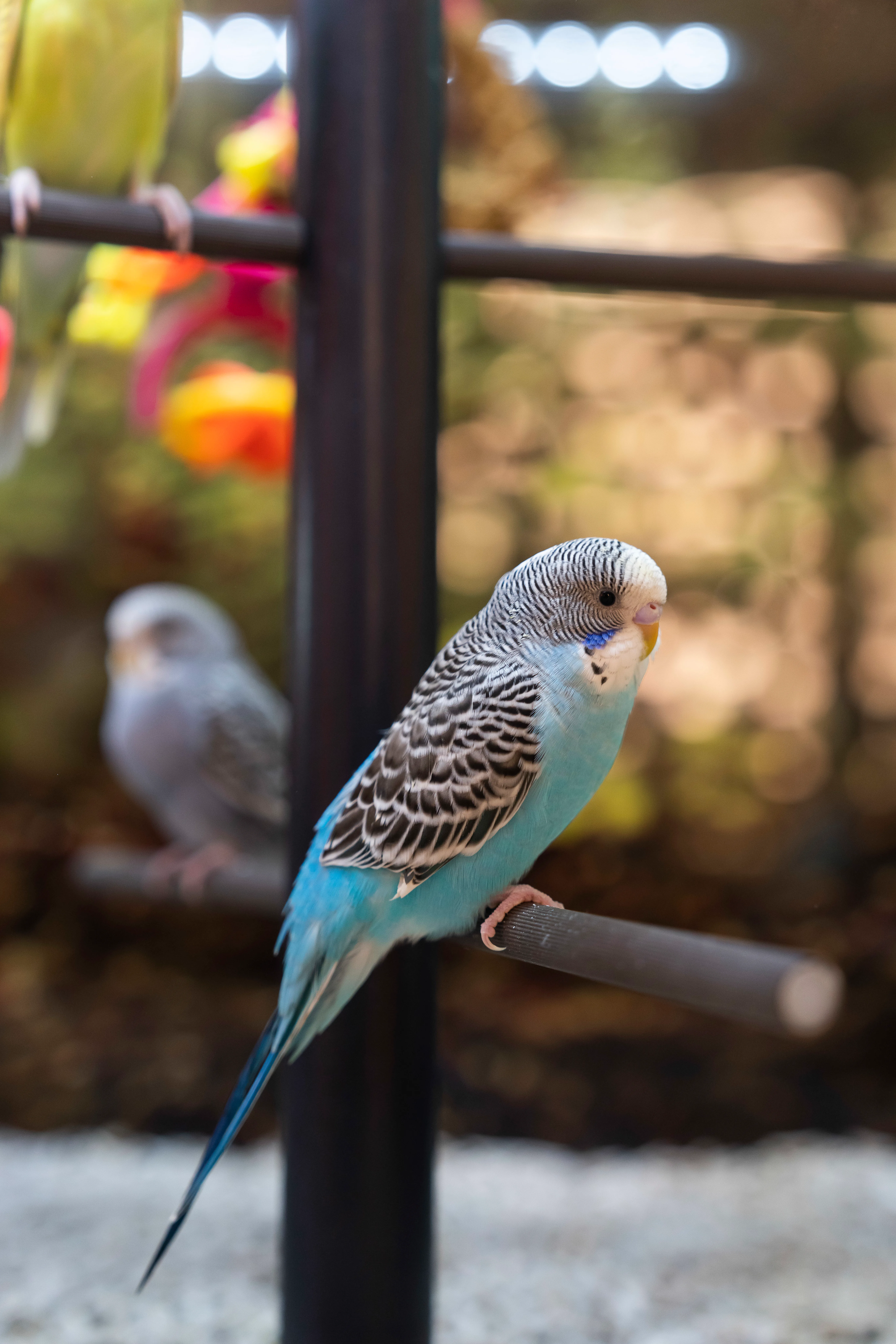
A number of factors go into finding the best pet bird for you and your family. Read through these questions and tips to select which life long companion is right for you.
Updated on November 13th, 2025
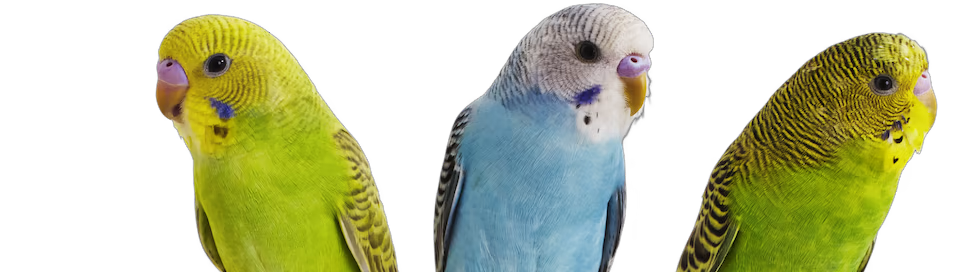
Parakeets can make great pets. Take a look at these fun facts about these winged companions and wow your friends with your knowledge.
Updated on November 13th, 2025
Thanks for your questions about birds. You can shower with birds, but it is recommended that they sit on a perch or on the shower rod during the shower, not that they are directly hit by the spray. A safer way to give them a shower is by using a gentle mist directed over the top of them with a spray bottle. When provided with appropriate and balanced nutrition, a cuttle bone is not necessary for parrots. The food that you posted is a reliable pelleted diet, but you would need to ensure that you got an appropriate size for the species - for example, the mini pellets would be good for a conure but not for an Amazon. If you have never had a bird before, it may be a big commitment to get a medium to large sized parrot. When cared for appropriately, these large parrots can live many decades - ideally 50 years or more. You may potentially consider starting with a smaller parrot, such as a cockatiel (life span of up to 25 years) or a budgerigar (life span around 8 years). I hope that gives
Updated on August 12th, 2025
Parakeets, also called Budgerigars, are small members of the parrot family and they can become good mimics. The average adult size is 7 inches long, head to end of tail. The average life span is between 10 to 20 years with proper care. A well-balanced Parakeet diet consists of: Specialized pellets should make up 60-70% of diet, fresh vegetables and fruits and small amounts of fortified seeds Clean, fresh, filtered, chlorine-free water, changed daily. Do not feed birds: avocado, fruit seeds, chocolate, caffeine or alcohol; it can cause serious medical conditions. Avoid sugar and high fat treats. Things to remember when feeding your Parakeet: Fresh food and water should always be available. Vegetables and fruits not eaten within a few hours should be discarded. Remember, treats should not exceed 10% of total food intake. Housing Parakeets acclimate well to average household temperatures, not to exceed 80°F; be cautious of extreme temperature changes. The habitat should area that is w
Updated on August 12th, 2025
Thanks for your question about Coco, and thanks for the photos - they are very helpful. You are correct that it could be taking him a long time to molt, however he may also be preening excessively and removing his feathers. In one of the photos he looks to have acreddebed area of skin - this is not typical of regular molting. If you are seeing feathers continuously at the bottom of the cage, this would also be suggestive of overpreening. I would recommend ensuring that his cage is very clean, that he is provided with multiple toys (which you will have to introduce slowly as budgies are often very nervous about new items), a mirror if he doesn’t have any company, and proper nutrition. These would all help with a molting issue, and may also help a bit if he is overpreening himself. If you are able to take him to a veterinarian, they would also be able to assist with this problem. They could look at the skin and feathers to ensure that there isn’t a medical reason for his condition. I
Updated on August 12th, 2025
Monitor him for excessive preening or feather picking. If you see either. Have him examined by your veterinarian or an experienced avian veterinarian to diagnose the underlying cause. In the meantime, clean and sanitize the cage, bowls, toys and perches. Discard anything that cannot be sanitized. Bathe or mist him with warm water to promote preening and healthy plumage. Feed a balanced diet including a commercial pelleted diet, fortified seed mix and fresh fruits, greens and vegetables. You can also feed cooked rice, beans and plain pastas in small amounts.
Updated on August 12th, 2025
Bathe or mist him daily with warm water to encourage preening and to promote healthy plumage. If the itching or feather loss worsens, have him examined by your veterinarian to diagnose infection or parasites. Clean and sanitize the cage, bowls, toys and perches. Discard anything that cannot be sanitized. Change the cage paper daily.
Updated on August 12th, 2025