Two Easy Ways to Start Earning Rewards!
Become a member today! Members-only pricing and offers, personalized care notifications, Vital Care points back on every purchase and more!
 Become a credit card member today!
Earn 2X Pals Rewards points at Petco
when you use Petco Pay!APPLY NOWLearn More About Petco Pay Benefits
Microbe-Lift Betta Fish Health & Wellness


Related Articles & Questions
- New Pet
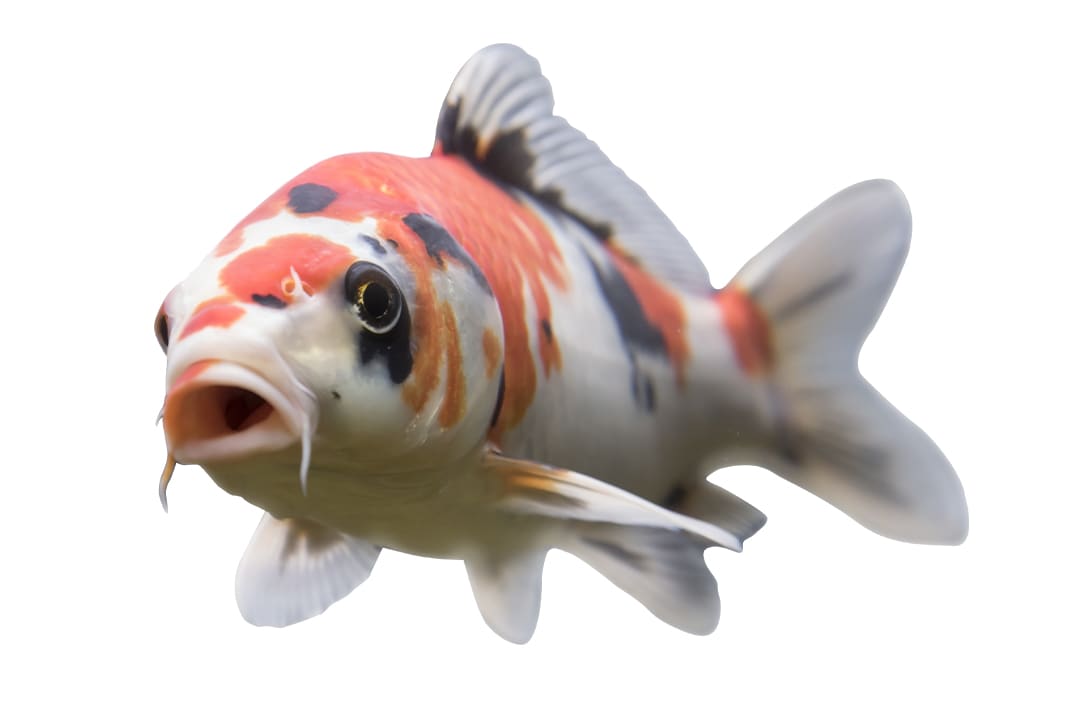
Mastering Koi Care: Optimal Tank, Food, Water Quality & Health Tips
Learn how to care for a Koi, recommended diet and aquarium setup. Find Koi for sale, supplies and equipment at your neighborhood Petco.
Updated on November 13th, 2025
- Health & Wellbeing
High Nitrates in Your Fish Tank? Protect Fish Health & Prevent Deaths
Search Petco to find out the harm of high nitrates in freshwater fish aquariums. We provide vital information to help keep your fish happy & healthy.
Updated on November 13th, 2025
- Health & Wellbeing
Stressed Fish? How to Identify Causes & Calm Your Aquarium Pets
Learn how to spot the signs of a stressed fish and what you can do to calm them and and restore a peaceful, stress-free atmosphere for your aquarium inhabitants.
Updated on November 13th, 2025
- Food & Nutrition
Feeding Freshwater Fish: Ultimate Guide for a Thriving Aquarium
Feeding your freshwater fish isn't as simple as adding a pinch of flakes! Read these three tips to learn more about how to provide your pets the nutrition and environment they need.
Updated on November 13th, 2025
- Health & Wellbeing
Cloudy Fish Tank? Find Causes, Get Crystal Clear Water & Happy Fish!
Have cloudy water in your fish tank? In order to clear up your water, first you need to understand the potential causes to apply the correct solution.
Updated on November 13th, 2025
- Health & Wellbeing
My betta has been having a hard time swimming recently because it looks like she's developed a curved spine in the last few weeks. I've also noticed that her gills are inflamed,, she's gasping for air, and her eyes may be a bit bulged. The only probl
Recheck water chemistry to confirm 0 ppm ammonia and nitrites with nitrates at 20 ppm or less. A pH of 7 is fine and they can adjust to more acidic water as long as the change is gradual. Temperature should range between 78 F and 80 F. Plain aquarium salt (NOT table salt or epsom salt) can be used as a general tonic to reduce stress, improve gill function, treat minor infection and aid in recovery. Dissolve 1 teaspoon of salt per gallon of water in a cup or two of tank water and gently pour it into the tank. Perform partial water changes every couple of days to maintain water quality. Treat only the volume of water being replaced. Treat with aquarium salt for no more than 14 days then reassess the condition. An antibiotic, such as kanamycin or erythromycin, can be found in the aquarium section of the local Petco if the salt treatment doesn't help. Follow label directions carefully and remove the carbon filter insert during treatment if indicated.
Updated on August 12th, 2025
- Health & Wellbeing
Hi, I have a Betta fish and it is very low on energy level these days and it is losing his color.
Bettas are tropical fish. They need warm water. They do best between 78F and 80F. Clean water is key in treating any infection. Check water chemistry using a home test kit or by submitting a water sample for testing. Aim for 0 ppm ammonia and nitrites with a 40ppm or less nitrate level. Perform partial water changes to stabilize chemistry and maintain water quality. Use only aged or conditioned water that is temperature matched to prevent stress or shock. A bit of aquarium salt (NOT table or Epsom salt) can be used as a general tonic to reduce stress, treat minor infection and aid in any recovery. Dissolve 1 teaspoon of salt per gallon of water in a cup of tank water and gently pour it into the tank. Treat for 10-14 days then reassess fin condition. More water changes can be done afterwards to reduce salinity.
Updated on August 12th, 2025
- Health & Wellbeing
I just bought my betta fish yesterday from a local shop ever since i bought it does not move much and keeps sitting at the bottom of the tank and has not eaten the fish food the owner gave me it keeps flapping its gill rapidly its my first time ownin
These are quite concerning signs. The tank where you place Ale is absolutely inadequate and will soon cause serious consequences. Water Quality and Temperature: Make sure your tank has a filter and especially a heater, room temperature is too cool. They are better off at about 78-82 degrees. If kept too cool, they get lethargic and refuse to eat. Bottled spring or drinking water seems to work out well. Never use distilled water. If kept in dirty and unfiltered water they are prone to fin and tail rot and other bacterial infections. Tank Size and Habitat: Some reccommend a five gallon tank with light filter and heater is perfect They do not like strong water current and should be provided a place near the surface to 'take a load off'.' Petco sells the betta hammocks. Also keep your Betta happy by providing artificial or live floating plants for them to swim around. Feeding Your Betta a Well-Balanced Diet: Betta pellets or high quality flake food. They can be fed every other day with
Updated on August 12th, 2025
- Health & Wellbeing
My betta Kiho is extremely anemic to the point were his cheeks are indenting like a persons, he has some clamped fins with red spots almost like they were rubbed raw and he’s lost most of his shimmer, almost like it was eaten away, some places it loo
Thanks for reaching out about Kiho. How often do you change out your food source. By the pictures, there seems to be a spinal curvature which is often associated with scurvy (vitamin C deficiencies). Vitamin C is not stable in foods. A veterinary visit is recommended to assess and provide a diagnostics/treatment plan. Anti-inflammatories could help mobility. Improving vitamin C at this point will not reverse changes. Check and correct water quality and pristine water is needed to recovery. Betta Fix does nothing but delay proper treatments. Good luck.
Updated on August 12th, 2025
- Health & Wellbeing
Is my Betta fish sick? If so, how sick? And if he is sick, what can I do to help him get better, or is it too late?
Clamped fins are a sign of stress. This can be due to water quality or low water temperature. Ideally, a Betta should be kept in a tank no smaller than 2 gallons. A filter is recommended but water changes (using aged or conditioned water) can be done every week or two to maintain water quality. A heater is essential. Bettas do best between 78 F and 80 F. Feed him a good quality pelleted food, Hikari pellets are recommended.
Updated on August 12th, 2025