Two Easy Ways to Start Earning Rewards!
Earn 2X Pals Rewards points at Petco
when you use Petco Pay!
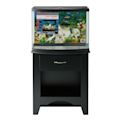
As a pioneer of aquatic innovation, Marineland has been manufacturing science-backed aquarium products that make fishkeeping fun, educational and easy for more than 40 years. From early inventions inspired by oceanarium technology to the revolutionary BIO-Wheel and beyond, Marineland aquarium products help hobbyists and beginners alike enjoy a successful and satisfying fishkeeping experience.
Discover the best Marineland has to offer when you shop Petco’s wide selection of state-of-the-art aquarium supplies. You’ll find everything you need to build the aquarium of your dreams.
Whatever your passion—freshwater or saltwater, big or small—count on Marineland to bring you the most reliable, the most technically advanced andthe highest quality aquariums and accessories on the market.
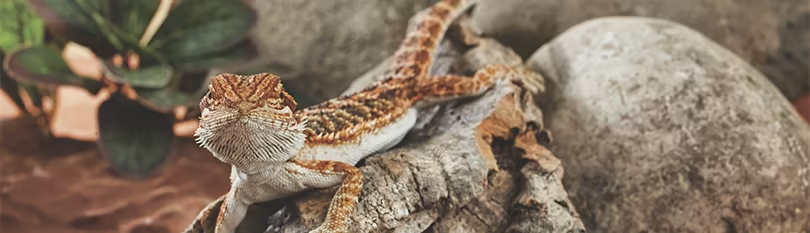
Learn the importance of UVB light for your reptiles and the right reptile lights for your pet’s habitat.
Updated on November 13th, 2025
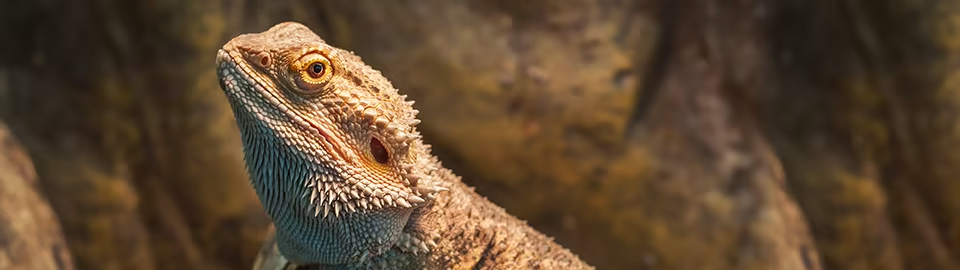
Bearded dragons have specific lighting requirements that emulate their natural warm and dry habitat. Learn about their lighting needs at Petco.
Updated on November 13th, 2025
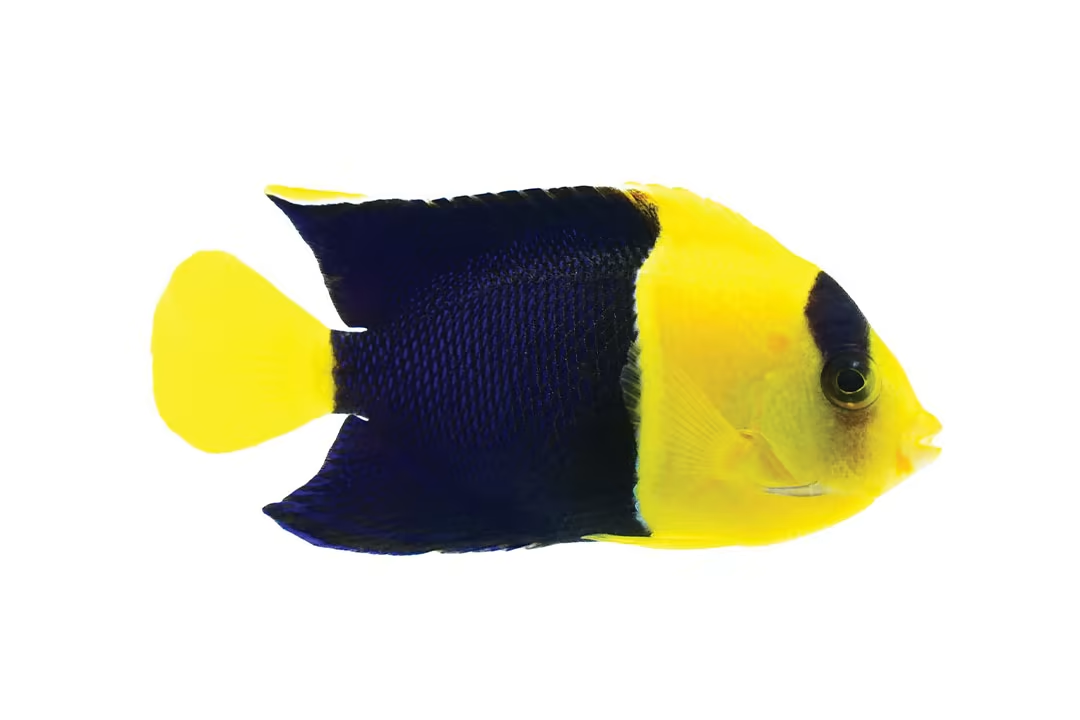
Learn how to take care of Dwarf Marine Angelfish, recommended diet and tank setup. Find the right food, supplies and equipment at your neighborhood Petco.
Updated on November 13th, 2025
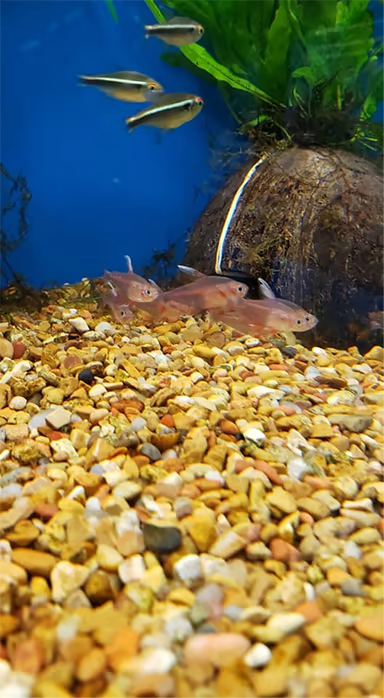
Choosing the right substrate for your aquarium is important and provides an area for beneficial bacteria to grow which keeps your aquatic environment safe.
Updated on November 13th, 2025
Do you want to know how to take care of Marimo moss balls? Visit Petco to learn everything about Marimo balls care.
Updated on November 13th, 2025
At the very least, a 10 gallon tank with a filter, heater, hood and light. Ideally, the tank should be up and running (without fish) until it cycles properly. This means there needs to be sufficient time for beneficial bacteria to colonize the tank and filter to be able to break down wastes, namely ammonia and nitrites and to a lesser degree, nitrates. This can take several weeks to occur. You can cycle a tank with fish in it, but it will require daily testing of water chemistry to prevent a toxic build up of ammonia and/or nitrites. Either can kill your fish if not treated. Follow this link for a FAQ regarding Glo Fish: https://www.glofish.com/about/faq/ Follow this link for more about cycling a tank: http://www.firsttankguide.net/cycle.php
Updated on August 12th, 2025
Thanks for your question about your fish, and congratulations on your new family members! I didn't see how recently the tank was set up, but there are a couple of things that could be going on. I would start by checking your water quality - any abnormalities in water quality can make fish have abnormal behaviors, and the water looks a bit murky in the photos you provided. There may be parameters that need to be addressed depending on what you find. If you do not have a water quality kit, they can be purchased at the pet store or an aquarium store, or you can take a sample of your water in for evaluation to these places as well. Some will charge a small fee for this service, just so you are prepared. Also, with recent tank set ups, it can be stressful for fish as they are in a new habitat. I would recommend keeping the light on for only a few hours per day to start, as the bright lights can be shocking for them (since fish don't have eyelids). Gradually you can increase the length of t
Updated on August 12th, 2025
Before you buy any fish, you will need to set up the tank. A basic set up includes: a tank, filter, hood/light, heater, gravel and some decor. The tank should run without fish for at least 4 to 6 weeks. This gives it time to cycle. The Nitrogen Cycle is critical to the health of the tank and any fish you will be keeping. During this time, beneficial bacterial will populate the filter and substrate (gravel). These bacteria will be responsible for breaking down fish wastes and other wastes (uneaten food, dead plants, etc.). You will need a home test kit to monitor water chemistry (ammonia, nitrites, nitrates, pH) or you will have to submit water samples for testing. Most pet stores will do this for free or for a small fee. At first, you will see high levels of ammonia and nitrites. Over time, as bacteria grow, these levels will drop. When ammonia and nitrites are at 0 ppm and nitrates are below 20 ppm, you can consider adding fish. Regular (every 1 or 2 weeks) partial water changes as we
Updated on August 12th, 2025
According to a study the heavy use of activated carbon in marine aquariums can cause Head & Lateral Line Erosion disease especially on fish in the Surgeonfish Family). This allegedly can be avoided by using a trace element additive in the aquarium. Head and Lateral Line Erosion (HLLE) is a type of skin erosion that affects some species of marine fishes in captivity. Due to that information it is not advisable to use activated carbon in a marine aquarium, and specifically not for surgeon fish.
Updated on August 12th, 2025
Your tank may be overstocked which will contribute to excessive algae growth. Other causes include poor water quality, overfeeding, too much light and slow water current. Consider removing some fish to another tank or getting a larger tank. If you choose the latter, it will need to be properly cycled before you move fish. A general guideline is one inch of fish per gallon of water. Use the adult size of any fish you plan on keeping when estimating tank requirements. Put the lights on a timer. A photoperiod of 10-12 hours on and the remainder off should suffice. Increase filter flow if you can. Standing or slow moving water will promote algae growth. For now, you can use an algae scrubber to clean glass and tank furniture. Perform partial water changes and rinse filter media. Use only aged or conditioned water that is temperature matched to prevent stress or shock. Use tank water, not tap water, to rinse filter media to preserve beneficial bacteria in the sponge.
Updated on August 12th, 2025