Two Easy Ways to Start Earning Rewards!
Become a member today! Members-only pricing and offers, personalized care notifications, Vital Care points back on every purchase and more!
 Become a credit card member today!
Earn 2X Pals Rewards points at Petco
when you use Petco Pay!APPLY NOWLearn More About Petco Pay Benefits
Galapagos Reptile Deals


Related Articles & Questions
- New Pet
Is a Reptile Right for You? Essential Questions Before You Buy
Explore our tips about what to keep in mind when choosing the right pet reptile for your family. Consider what they need to stay happy and healthy.
Updated on November 13th, 2025
- New Pet
How to Safely Handle Reptiles: Stop Salmonella, Protect Your Family
Read more about our recommendations for preventing the transmission of infectious diseases in reptiles. Keep pets safe with these best practices.
Updated on November 13th, 2025
- New Pet
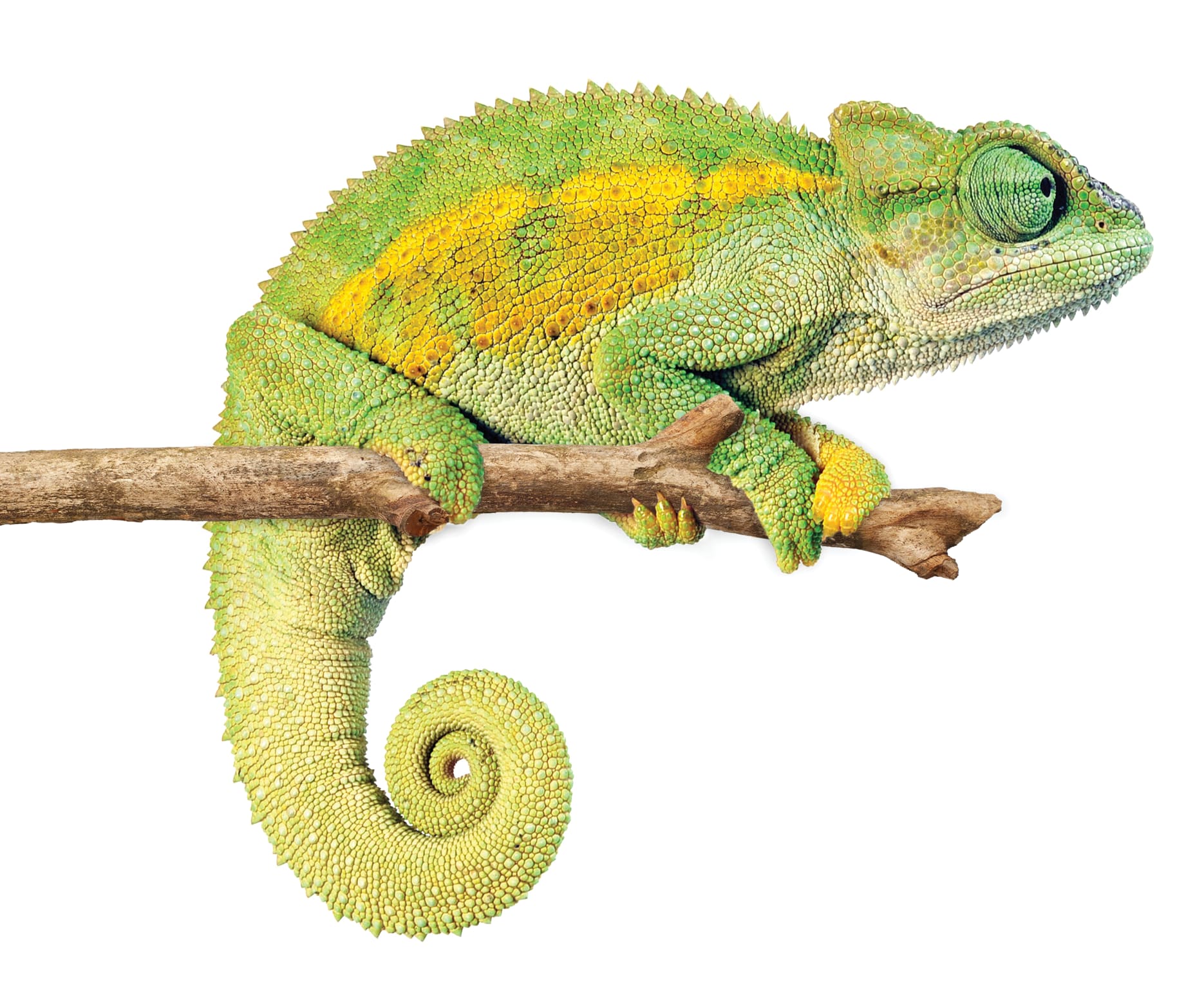
Cool Climate Chameleon Care: Habitat, Food, Health & Setup Secrets
Learn how to care for cool climate Chameleons, recommended diet & habitat setup. Find the right food, supplies & equipment at your neighborhood Petco.
Updated on November 13th, 2025
- New Pet
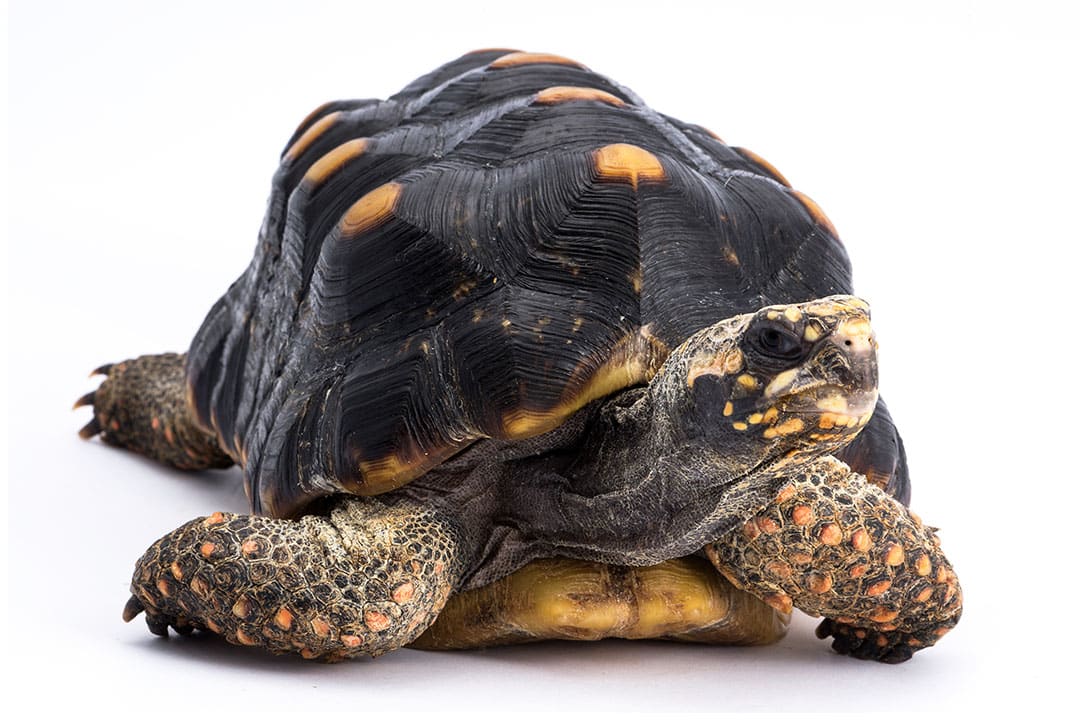
Pet Tortoise Care: Essential Guide to Food, Habitat & Health
Learn how to care for tropical tortoise, recommended diet & habitat setup. Find the right food, supplies & equipment at your neighborhood Petco.
Updated on November 13th, 2025
- New Pet
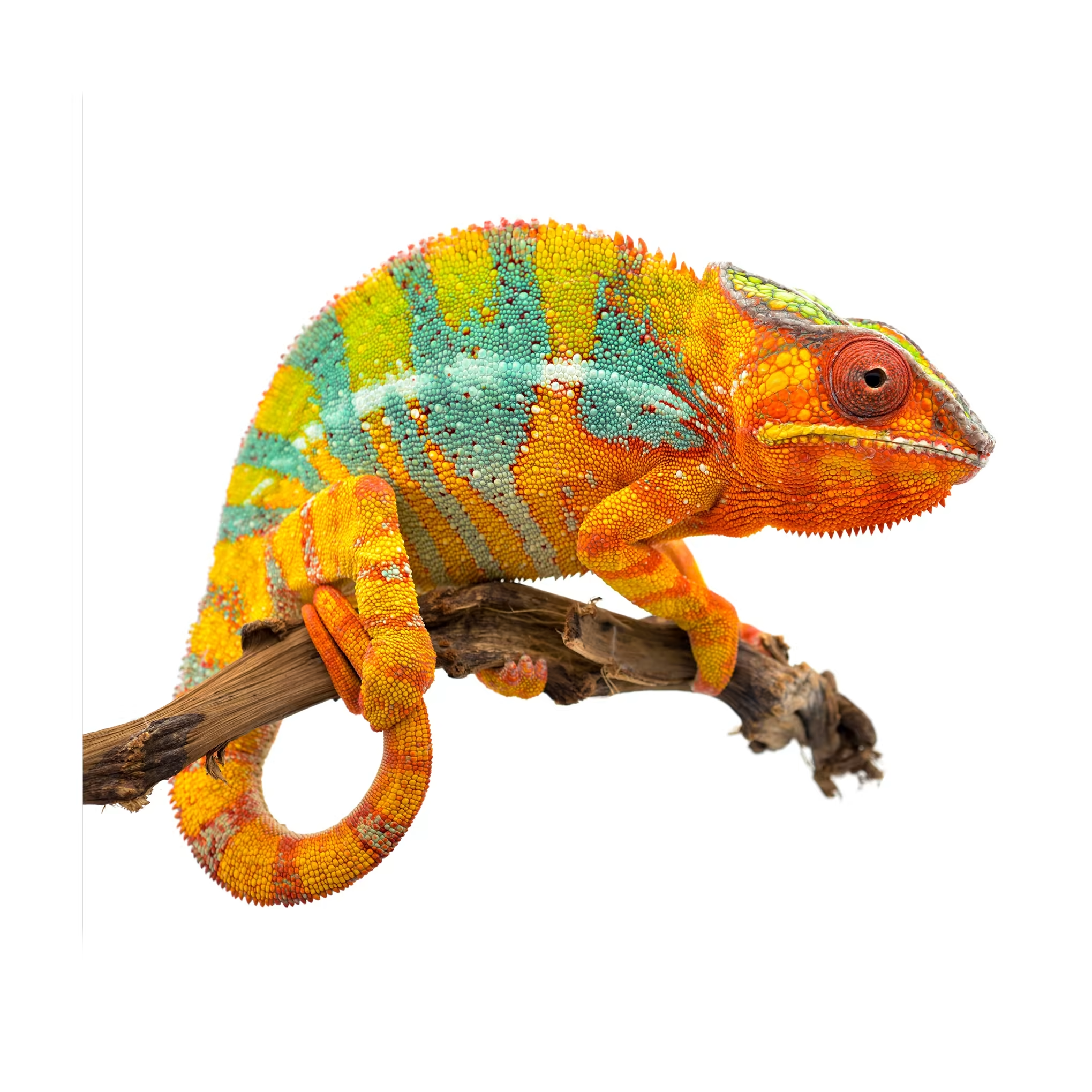
Warm Climate Chameleon Care: Best Food, Habitat & Health Tips
Learn how to care for warm climate Chameleons, recommended diet & habitat setup. Find the right food, supplies & equipment at your neighborhood Petco.
Updated on November 13th, 2025
- Health & Wellbeing
I’ve noticed red spots under my baby iguanas body. All the way down his tail on the underside. Could there be something wrong ?
It is difficult to appreciate the red spots in the images provided. Monitor for lethargy, decreased appetite or spreading of the spots. Clean and sanitize the cage, bowls and hides. Use paper towels as substrate and change it daily. If Beast develops any of the above symptoms, have him examined by your veterinarian or a vet experienced in treating reptiles to diagnose and treat illness or injury.
Updated on August 12th, 2025
- Health & Wellbeing
How would I transport by bearded dragon? I'm mainly thinking of vet visits which is about a 25 minute drive. I'm concerned for when I have to take him during the winter since he's still pretty young. Any tips to keep him calm in his carrier would be
Hi there! There are many great commercially-produced reptile carriers out there, but my preference are the kind that have three covered sides and a clear or mesh front. Keeping them calm during travel is important, and preventing them from seeing everything going on outside can be helpful for this. Additionally, getting Clyde adjusted to the carrier before travel is a good idea. Try putting a treat that he likes in the carrier, and allowing him to venture inside on his own. Associating the carrier with a snack may also help to minimize stress in the future. Good luck, and I hope Clyde's future vet visits go well!
Updated on August 12th, 2025
- Health & Wellbeing
My sister's cat brought in a Southern Alligator Lizard and we have been trying to provide what we can to help him. He lost his tail, he's about 4 in. long, and mildly sluggish. He is docile and has not displayed any aggression and allows us to hold a
Just like any reptile, these guys are going to require special habitats and nutritional requirements in order to maintain their health. This will include special lighting UVB, special substrate, and supplemental heating. Here is a link to some information on the general care of these guys: http://www.repticzone.com/caresheets/367.html This should get you started off pretty good on general husbandry and care. The main concern you should have is making sure that there are no injuries to it since your cat grab it pretty good. He may be sluggish right now just from the general shock of the entire experience, but if his demeanor doesn't start changing soon, I would look into finding a reptile vet or wildlife rehabber to obtain some advise and/or medical treatments. Hope this helps.
Updated on August 12th, 2025
- New Pet
Thelma I my rescue I have had probably 4 months or so. Every time I pet her she ducks her head for some reason or if I pet her body she pulls away. Can u explain why this is because since I have had her I pay her alot of attention.
While rescue pets can have a variety of reasons that they show behaviors such as fear, shyness, etc, I would also consider that Thelma is a reptile. While many, like bearded dragons, geckos, and even some snakes, can grow accustomed to being "pet", instinctively, their first reaction will usually be to avoid being touched. We can't forget that these animals, in the wild, if they allowed themselves to be handled, would likely not meet a very good end. But keep up with the bonding. It may take longer than you like, but even reptiles can grow to love affection! I had a ball python which loves to come out and wrap herself around my arm and hand for hours.
Updated on August 12th, 2025
- Health & Wellbeing
I just got a bearded dragon form petco less than a week ago and it’s extremely lazy and from the day I got it mostly only opens one eye. I did my research before yes I have heat and uvb lamps and all that good stuff. I want to know if I should exchan
Only you can decide to exchange Peach or not. Your options include returning her for exam and treatment if indicated, exchanging her completely or taking her to your own veterinarian or a vet experienced in treating reptiles for an exam. You are well within your guarantee period with Petco. Contact the store where Peach was purchased and discuss your options with store personnel.
Updated on August 12th, 2025