Two Easy Ways to Start Earning Rewards!
Earn 2X Pals Rewards points at Petco
when you use Petco Pay!
Platies are an excellent beginner level fish and can be housed in a 10 gallon or larger aquarium.
Platies are a community fish that can be housed with other community fish such as other platies, danios, mollies, swordtails and tetras.
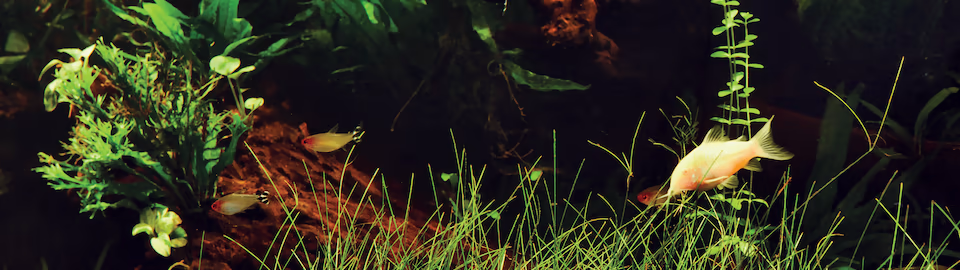
Learn how to pick the right aquarium plants, substrate, lighting, and fertilizers to ensure that your aquarium plants thrive and stay healthy.
Updated on November 13th, 2025
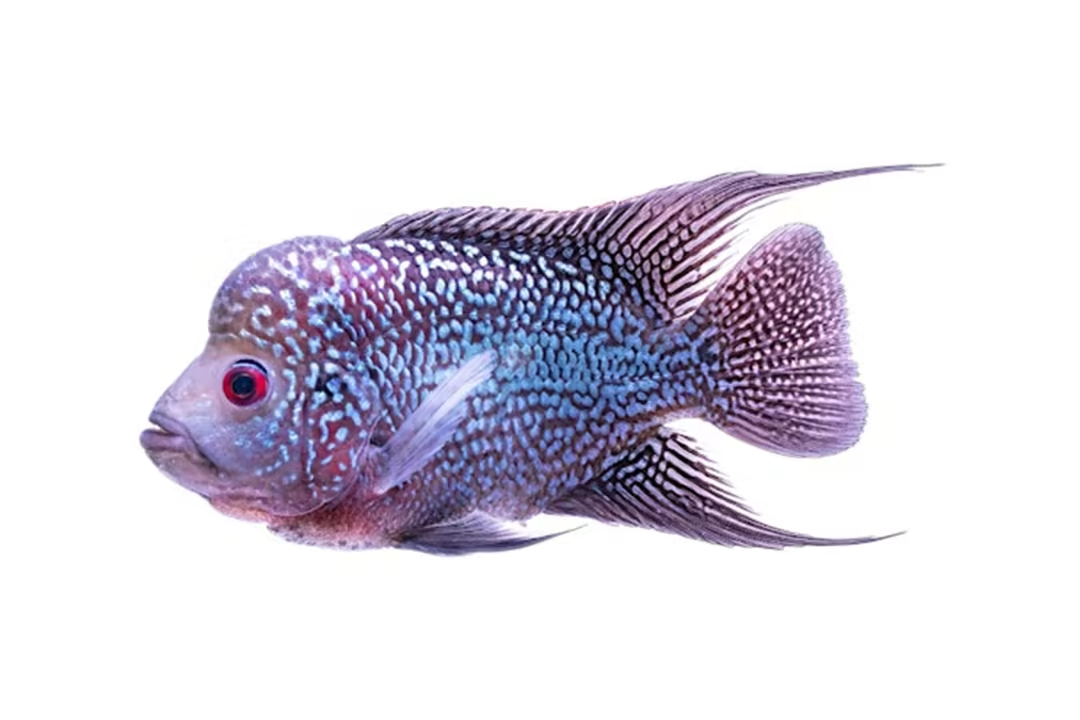
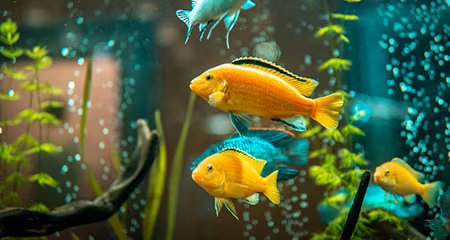
Learn how to take care of African Cichlids, recommended diet and tank setup. Find the right food, supplies and equipment at your neighborhood Petco.
Updated on November 13th, 2025
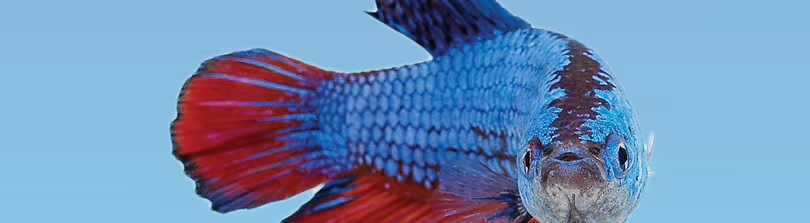
If you’re thinking of adding a betta fish to your family, learn a few fun facts about these underwater wonders.
Updated on November 13th, 2025
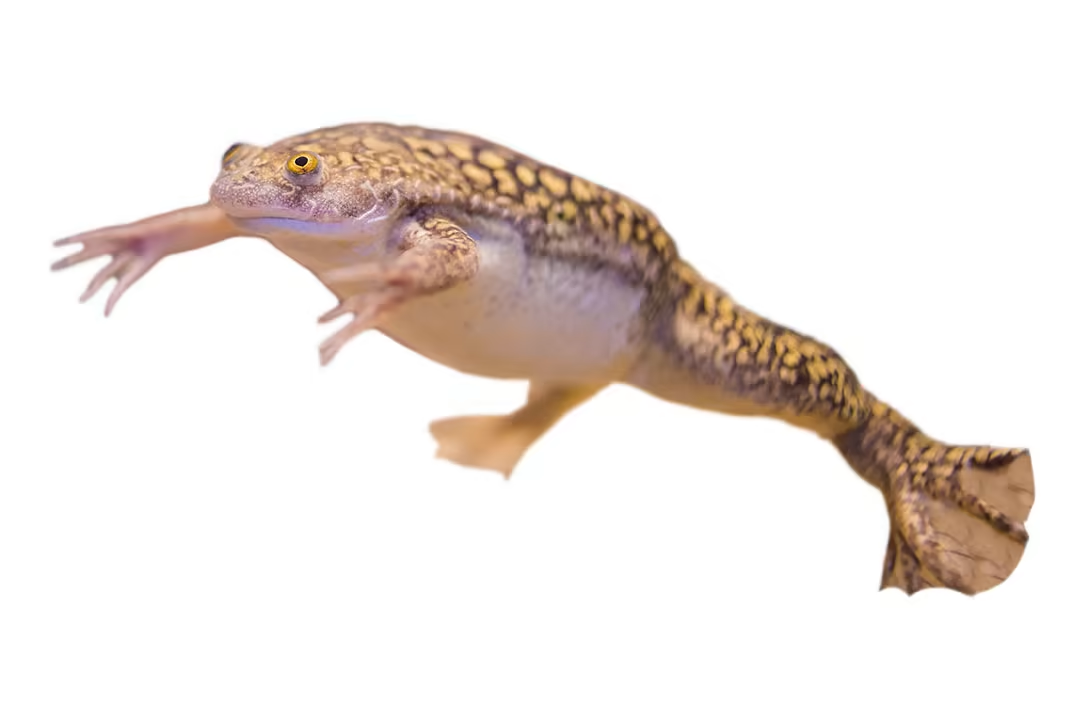
Learn how to care for Freshwater Amphibians, recommended diet and habitat setup. Find the right food, supplies and equipment at your neighborhood Petco.
Updated on November 13th, 2025
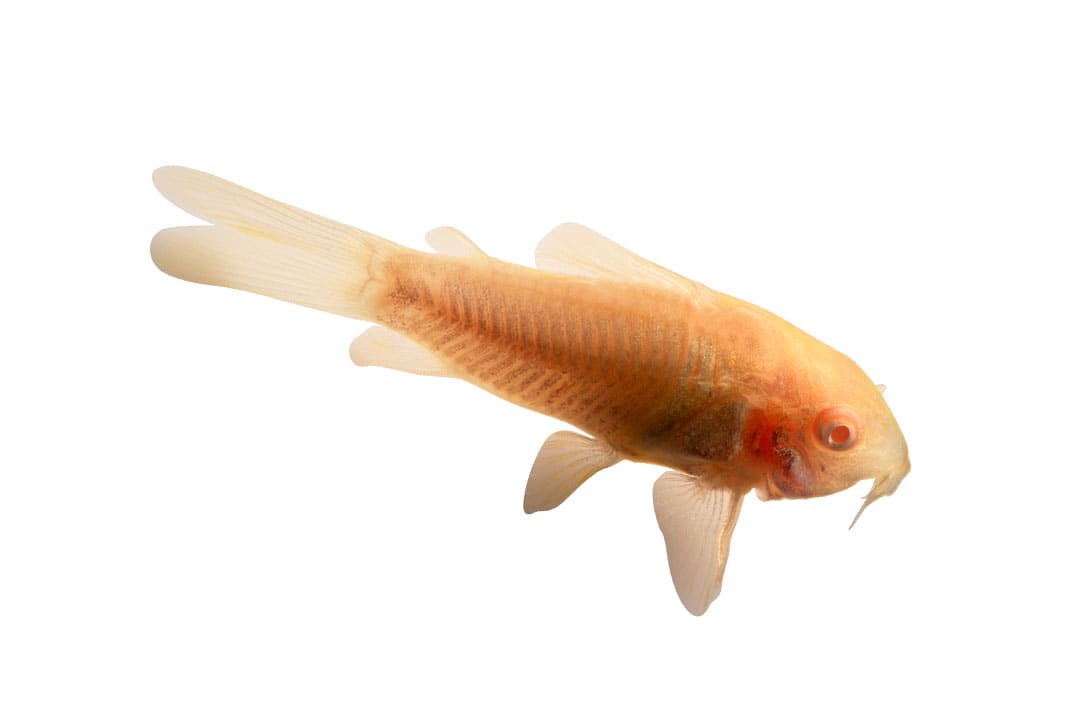
Learn how to take care of Catfish, recommended diet and tank setup. Find the right food, supplies and equipment at your neighborhood Petco.
Updated on November 13th, 2025
If there is a strong current, it would not be recommended for a Betta. There is also the water temperature differences for these species to consider. Corys are cooler water fish, doing best in water in the lower 70s F. Bettas do best in warmer water, between 78 F and 80 F. Platys are hardy and adaptable and do well in all but the coolest tanks.
Updated on August 12th, 2025
Before you buy any fish, you will need to set up the tank. A basic set up includes: a tank, filter, hood/light, heater, gravel and some decor. The tank should run without fish for at least 4 to 6 weeks. This gives it time to cycle. The Nitrogen Cycle is critical to the health of the tank and any fish you will be keeping. During this time, beneficial bacterial will populate the filter and substrate (gravel). These bacteria will be responsible for breaking down fish wastes and other wastes (uneaten food, dead plants, etc.). You will need a home test kit to monitor water chemistry (ammonia, nitrites, nitrates, pH) or you will have to submit water samples for testing. Most pet stores will do this for free or for a small fee. At first, you will see high levels of ammonia and nitrites. Over time, as bacteria grow, these levels will drop. When ammonia and nitrites are at 0 ppm and nitrates are below 20 ppm, you can consider adding fish. Regular (every 1 or 2 weeks) partial water changes as we
Updated on August 12th, 2025
When used as instructed, plant nutrients and fertilizers designed specifically for aquarium plants will not harm aquarium fish. Allow new aquarium plants to settle and establish themselves before adding any fertilizers. Use aquarium plant substrates such as CaribSea Eco-Complete Plant Substrate http://www.drsfostersmith.com/product/prod_display.cfm?pcatid=9087 to get your plants established faster. Seachem Flourish Advance Natural Phytohormone Supplement http://www.drsfostersmith.com/product/prod_display.cfm?pcatid=33890 will help stimulate root growth vital for overall plants health. Even though you have plants with low to moderate light requirements, be sure to use aquarium light specifically designed for planted aquarium use (sometimes called plant lights) and have the lights on between 10 and 12 hours a day. You may need to adjust the photoperiod (the amount of time the light is on) depending on how your plants are doing and to prevent unwanted nuisance algae growth.
Updated on August 12th, 2025
Thanks for reaching out about your aquarium. Sorry not very good at botany but there should be tropical fish clubs that might help in identification. But comments about your tank. First, not sure if light penetration will be good for a plant that low in the water column. Secondly, the balanced rock formation looks tenuous, and might fall. Good luck.
Updated on August 12th, 2025
Thanks for reaching out about your tank. Long plastic plants that extend from the bottom, all the way to the top can providing hiding spaces to decrease any territoriality or aggression. Live plants might be susceptible to the snails, depending on their type. Good luck.
Updated on August 12th, 2025