Two Easy Ways to Start Earning Rewards!
Become a member today! Members-only pricing and offers, personalized care notifications, Vital Care points back on every purchase and more!
 Become a credit card member today!
Earn 2X Pals Rewards points at Petco
when you use Petco Pay!APPLY NOWLearn More About Petco Pay Benefits
Timberline Fisheries Live Food for Spiders

Related Articles & Questions
- New Pet
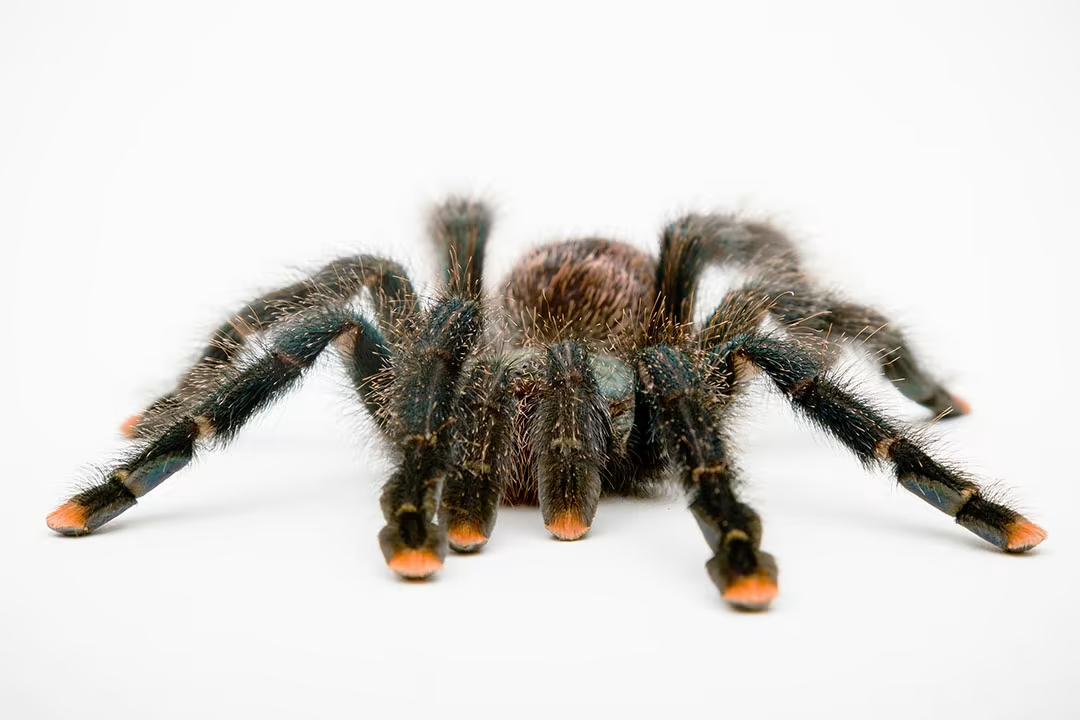
Arboreal Tarantula Care: Habitat & Health for a Happy Tarantula
Learn how to care for arboreal tarantulas, recommended diet & habitat setup. Find the right food, supplies & equipment at your neighborhood Petco.
Updated on November 13th, 2025
- New Pet
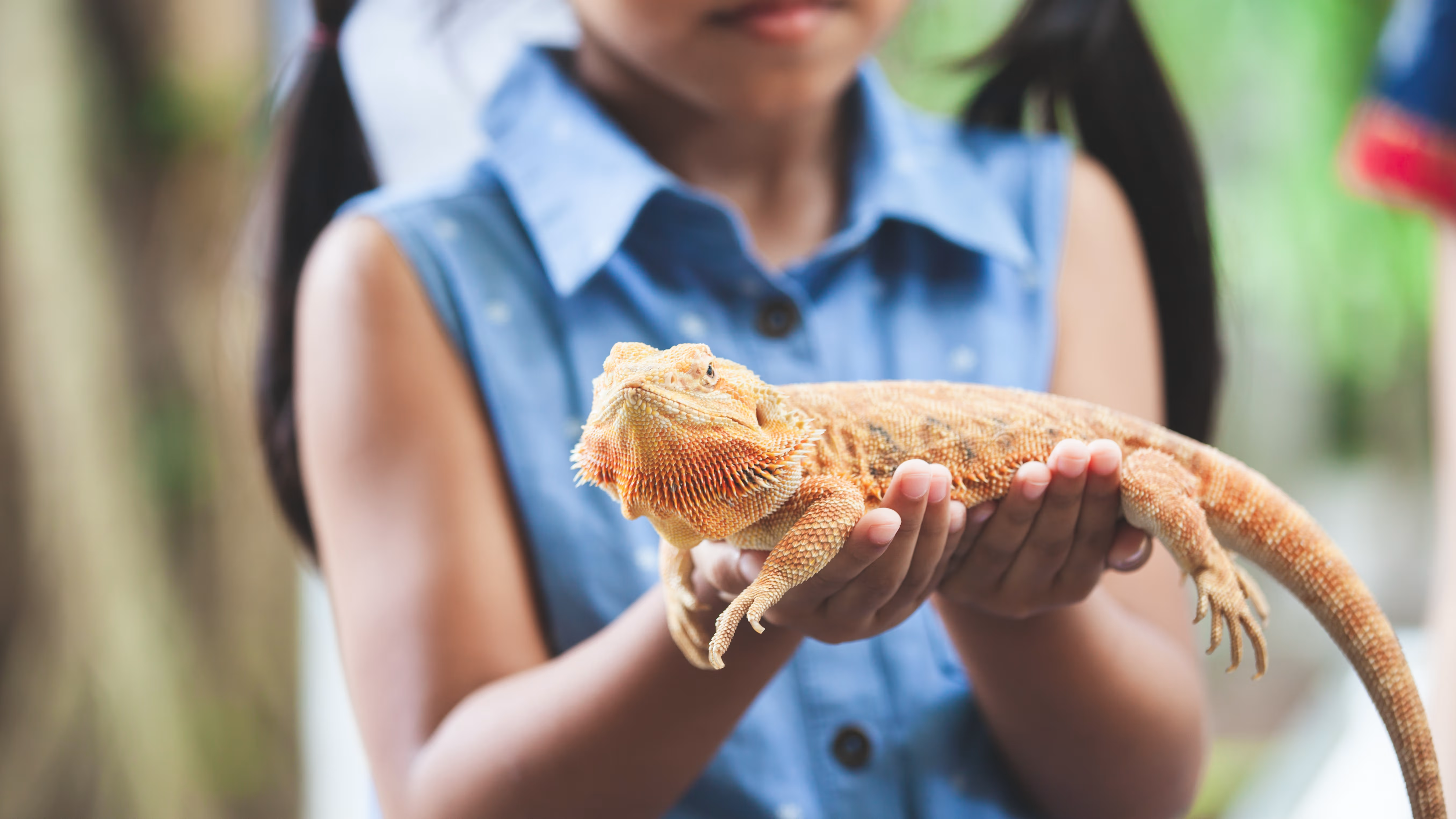
How to Safely Handle Reptiles: Stop Salmonella, Protect Your Family
Read more about our recommendations for preventing the transmission of infectious diseases in reptiles. Keep pets safe with these best practices.
Updated on November 13th, 2025
- New Pet
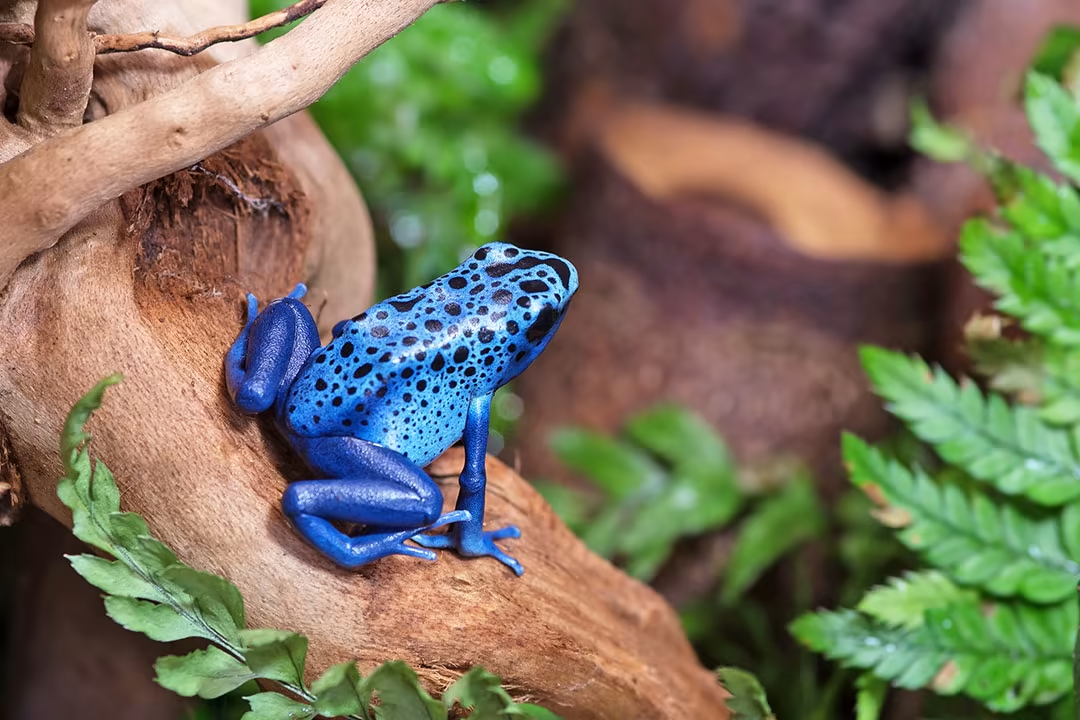
Amphibian Safety: Essential Tips for Healthy Handling & Care
Learn how to safely handle your pet amphibian to avoid toxin & bacterial exposure. Find amphibian care supplies at your neighborhood Petco pet care center.
Updated on November 13th, 2025
- New Pet
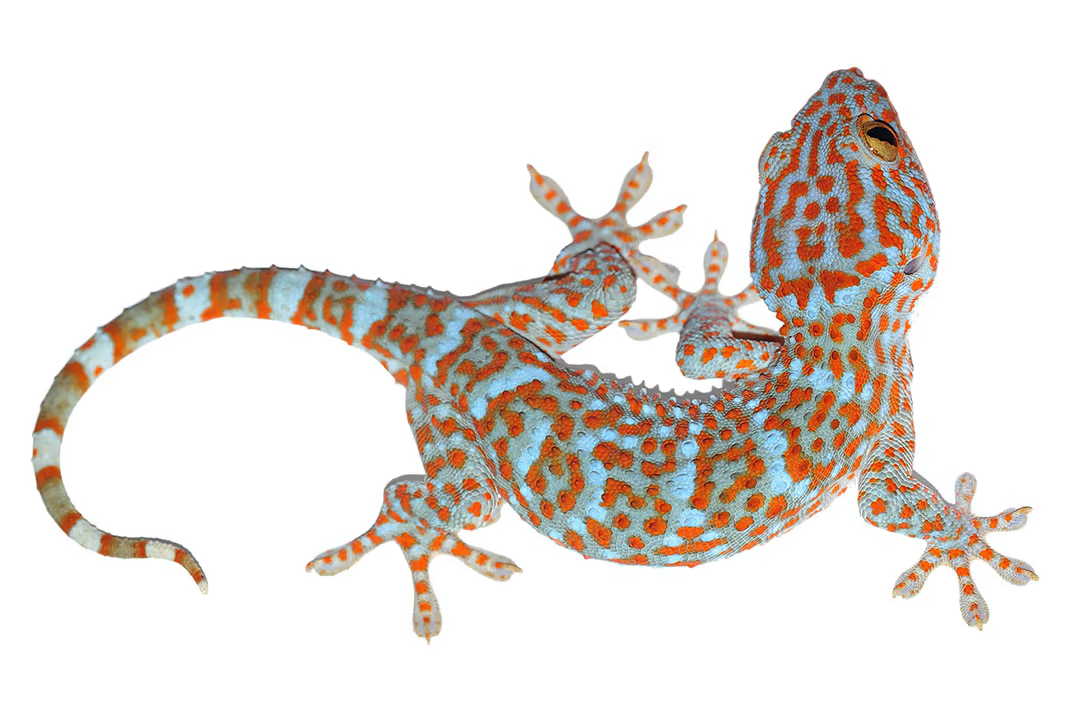
Tokay Gecko Care: Food, Habitat & Health for Experienced Owners
Learn how to care for a Tokay Gecko, recommended diet & habitat setup. Find the right food, supplies & equipment at your neighborhood Petco.
Updated on November 13th, 2025
- New Pet
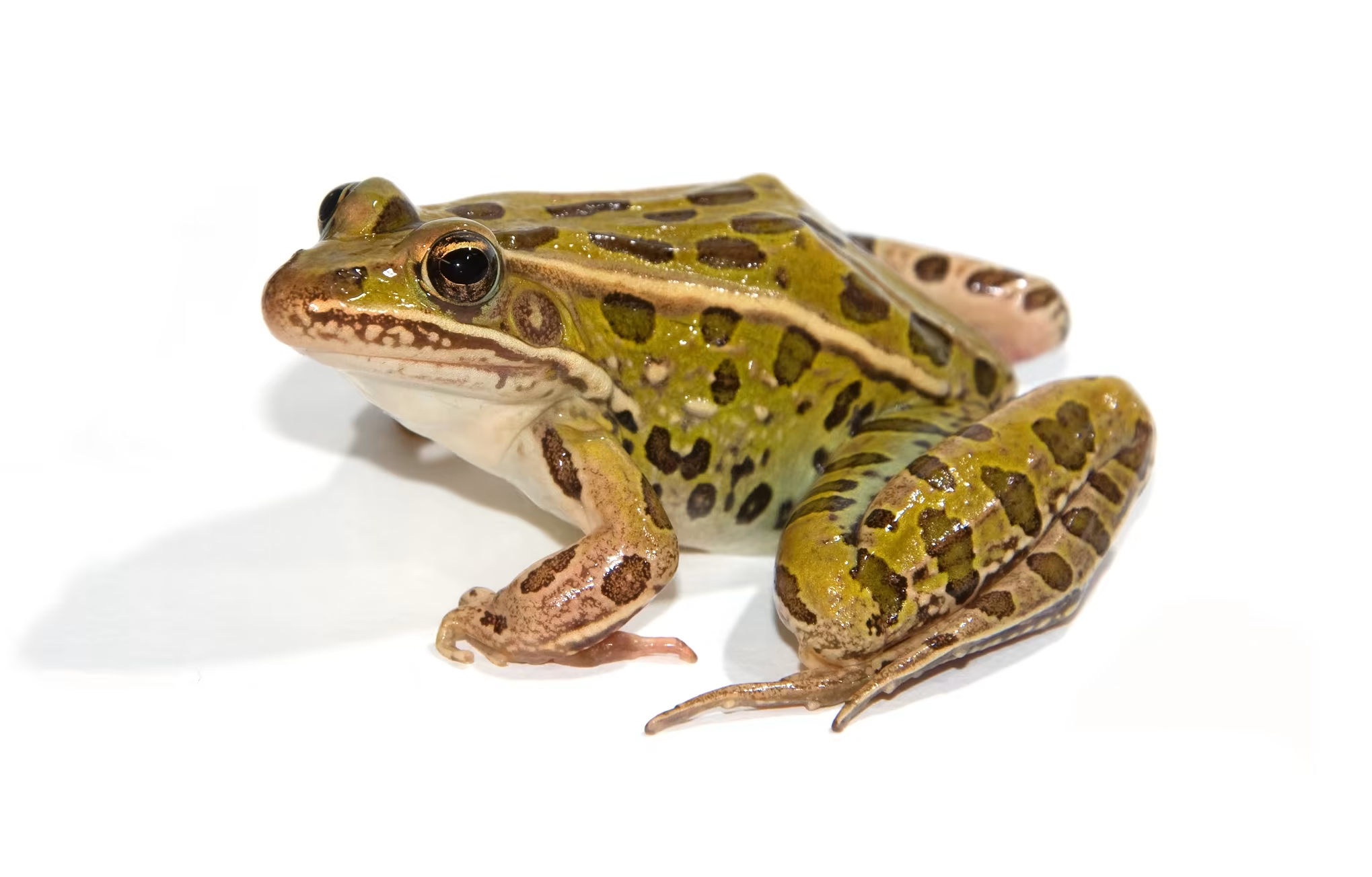
Terrestrial Frog Care: Habitat, Food & Health for a Thriving Pet
Learn how to care for large terrestrial frogs, recommended diet & habitat setup. Find the right food, supplies & equipment at your neighborhood Petco.
Updated on November 13th, 2025
- Health & Wellbeing
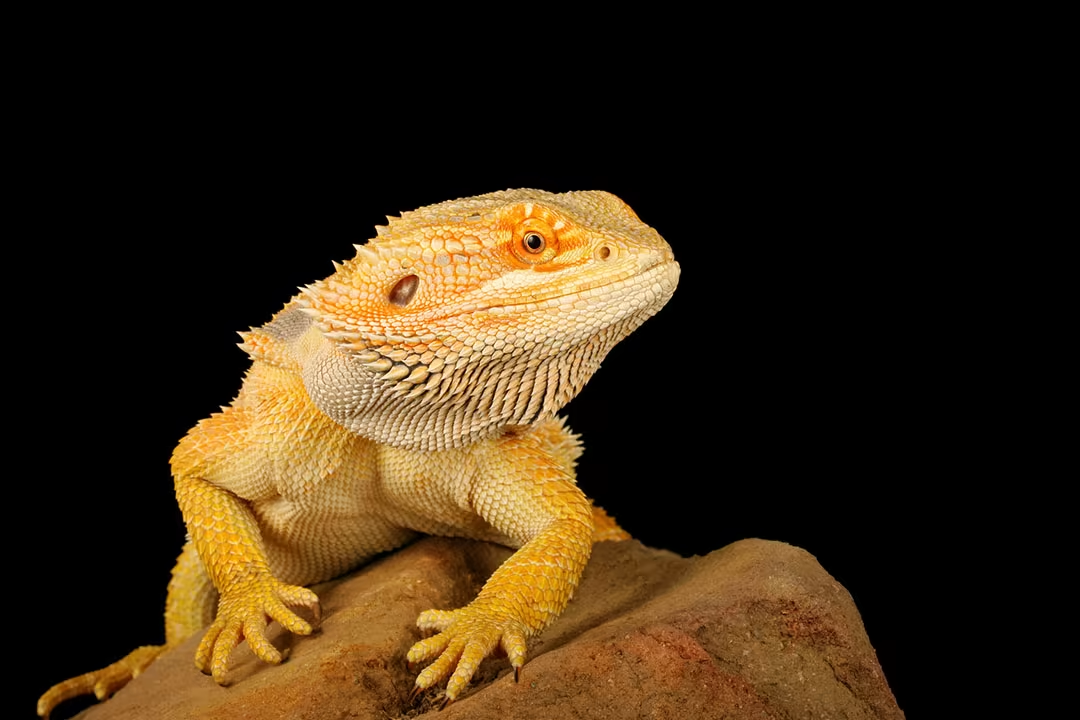
My bearded dragon tank lost its lightbulb and our car doesn't work. (Going to a store isn't an option.) What can I feed him besides crickets and do to keep him warm. Keep in mind we only ha e access to household items. He won't eat any vegetables I f
Hi, For heat you could do a number of things e.g. place any incandenscent bulb above him, place other types of heaters near the tank etc. Please make sure that the temperature is not too high. As for food, this is more of a problem. If he's used to eating crickets it would be difficult to switch him at once to something else. I assume meal worms or otjer insects are also unavailable? You could very temporarily try some soft cat food but it may not work.
Updated on August 12th, 2025
- Health & Wellbeing
my gf caught this lizard in Jeju, South Korea; we think it's of the Takydromus family; she is caring for him because she's worried about his injury - she has ordered mealworms for him to eat--any other recommendations? - he has had one of his hi
It does appear to be of the takydromus species. These grass lizards are common and fairly easy to keep. Being adept climbers, more vertical space should be offered in an enclosure. Branches and vines can be placed for climbing. Bring reptiles, they need an external heat source and UVB lighting. Daytime temps can range from 24 C to 30 C (75-85 F). Provide a basking spot of around 35 C to 38 C (95-100 F) using a heat lamp. Aim for 70-80% humidity. Provide a shallow bowl for water. Mist the cage daily. Feed appropriately sized prey, no bigger than the space between the eyes, that have been gutload for 24 hours prior to offering. This will maximize nutritional value. Crickets, mealworms, dubia roaches, waxworms or wingless fruit flies can all be offered. Dust prey with a calcium supplement and a multivitamin supplement several times weekly. Ideally, the wound should be addressed by a veterinarian experienced in treating reptiles. You can clean it with dilute Betadine or chlorhexidine
Updated on August 12th, 2025
- Health & Wellbeing
Is it okay for leopard geckos to eat black soldier larve or dubia roaches as their staple diets?
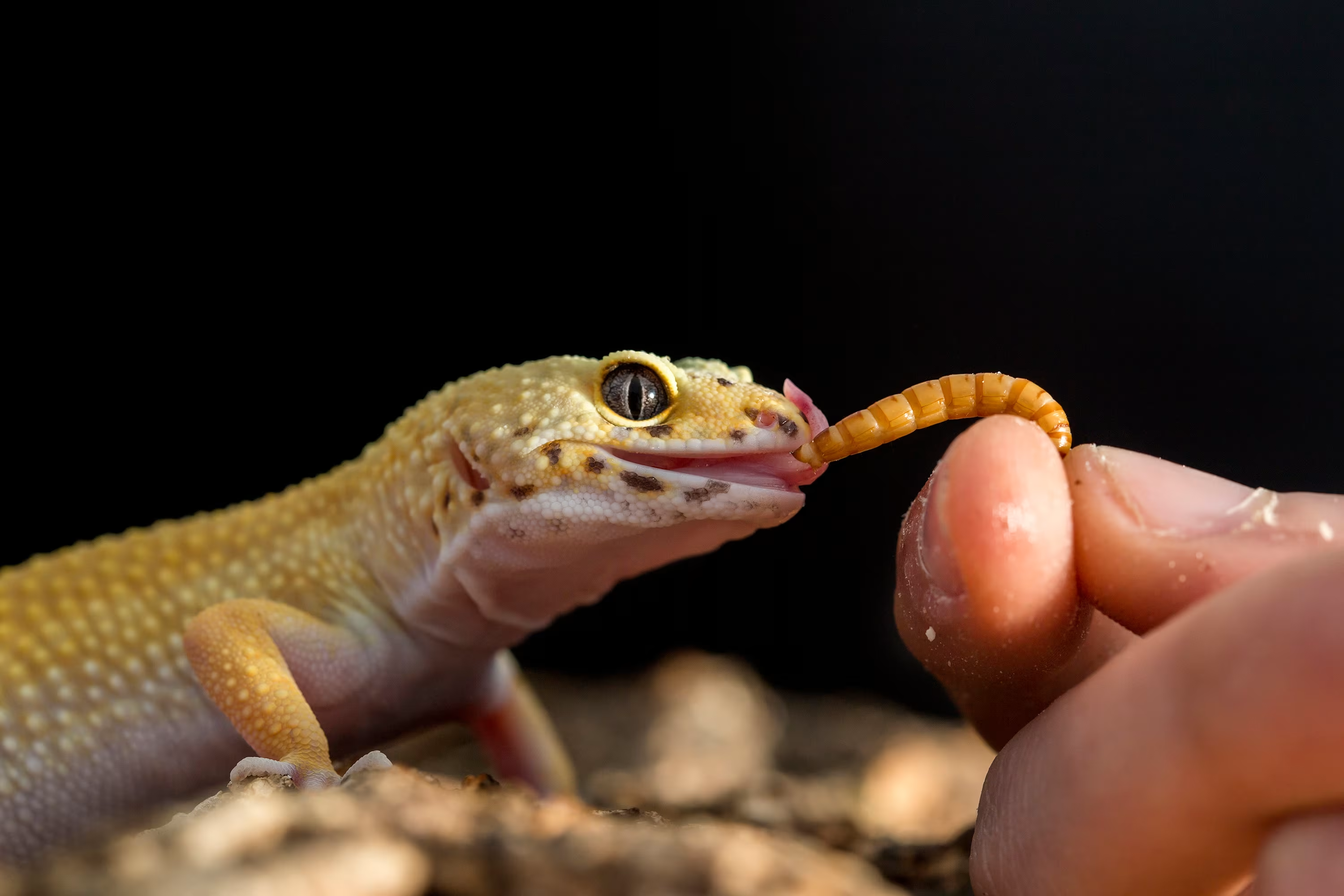
Black Soldier Fly larvae are a healthy, nutritious feeder insect for your gecko. High in calcium, low in phosphorus, black soldier fly larvae make a great staple food or treat. Dubia roaches are a healthy protein-rich food for geckos. It is best to have a variety of food for your gecko and not just stick to one type of insect.
Updated on August 12th, 2025
- Health & Wellbeing
Just received a crested gecko in the mail only to see it is a paraplegic do to bad shipping. Is there any chance it will be able to live. There are no vets around that will see him/her. It's only a baby about 2 inches long. It can't move anything hal
Paraplegia in a reptile is a very bad prognostic indicator. I would call up the company who shipped this animal to you right away and let them know what is hapening. Unfortunately, many of these companies have disclaimers regarding injuries or illness during shipping, so they may not be so willing to help you. In terms of medical care for your reptiles, I just did a quick look into your surrounding area. There are a couple of doctors in East Lansing and Grand Rapids who appear to treat reptiles. Because there aren't many around, many times they are happy to just talk to your on the telephone if you give them a call and describe what is going on. Hope this helps.
Updated on August 12th, 2025
- Health & Wellbeing
What is the best way to treat reptiles mites?
You must treat both the environment and the pet. You can try some over the counter products but many can be ineffective if the environment is not treated concurrently. Ivermectin can be dispensed by your veterinarian to use systemically or topically. Do not treat with ivermectin without the advice of your veterinarian as it is quite easy to overdose. A 30 minute soak in a diluted Betadine bath can remove most mites and may soothe irritated skin. Remove the substrate, bag it and take it outdoors. Clean and sanitize the cage, bowls and tank furniture. You can use hot, soapy water followed by a 1:30 dilution of bleach and water followed by a thorough rinsing on the tank, bowls and non porous surfaces. Discard anything that cannot be sanitized. You may need to clean and sanitize the enclosure weekly for several weeks. The pet may need multiple treatments as well.
Updated on August 12th, 2025