Two Easy Ways to Start Earning Rewards!
Earn 2X Pals Rewards points at Petco
when you use Petco Pay!
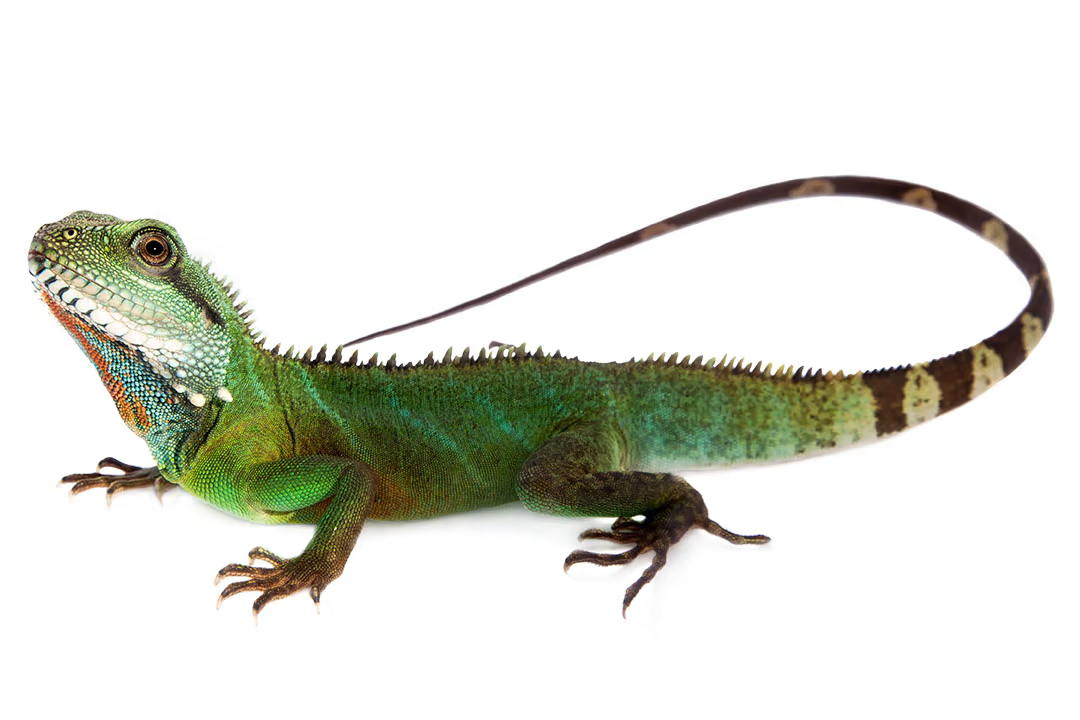
Learn how to care for tropical lizards, recommended diet & habitat setup. Find the right food, supplies & equipment at your neighborhood Petco.
Updated on November 13th, 2025
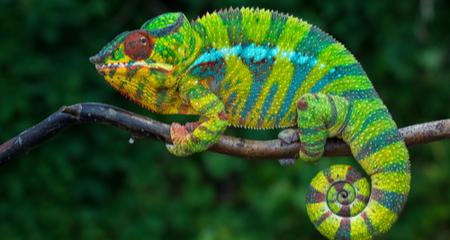
A varied diet is critical to the overall health of a chameleon to prevent a nutritional deficiency of vitamin A.
Updated on November 13th, 2025
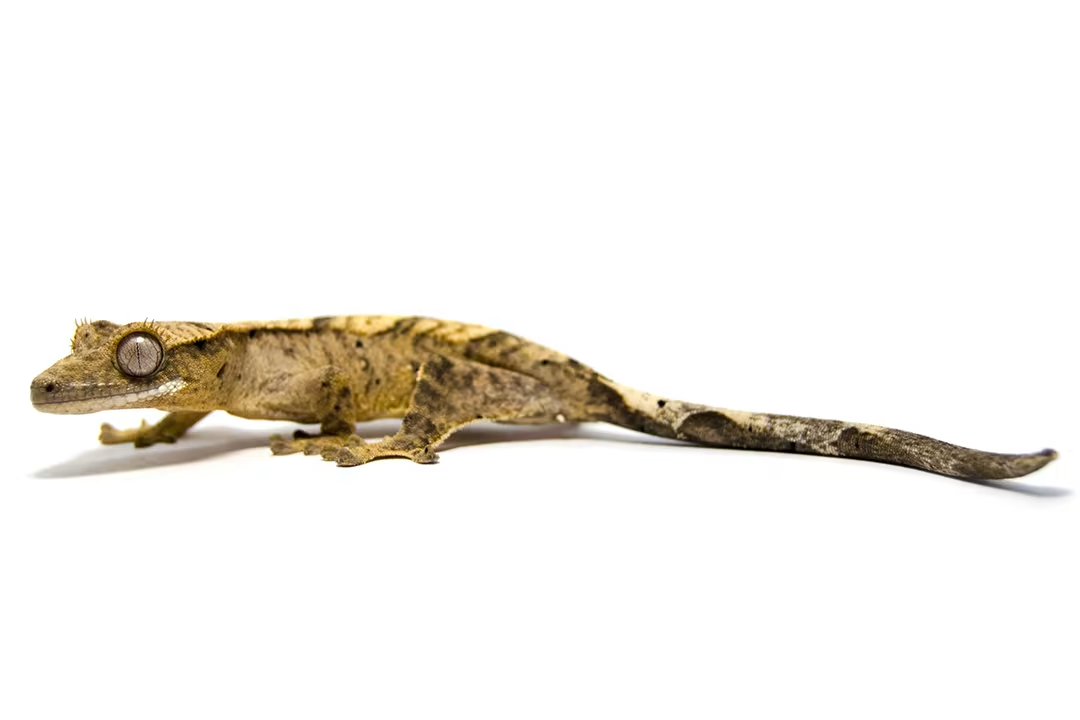
Learn how to take care of your Crested Gecko, tank size, diet & habitat setup. Find the right food, supplies and equipment at your neighborhood Petco.
Updated on November 13th, 2025
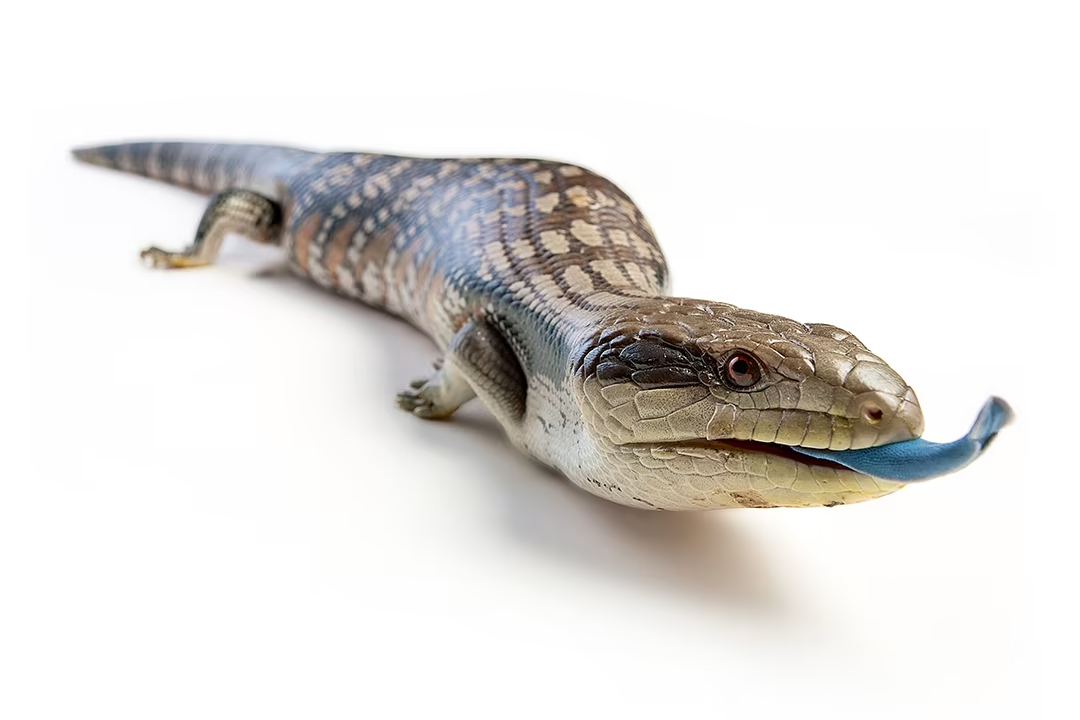
Learn how to care for Blue-Tongued Skink, recommended diet and habitat setup. Find the right food, supplies and equipment at your neighborhood Petco.
Updated on November 13th, 2025
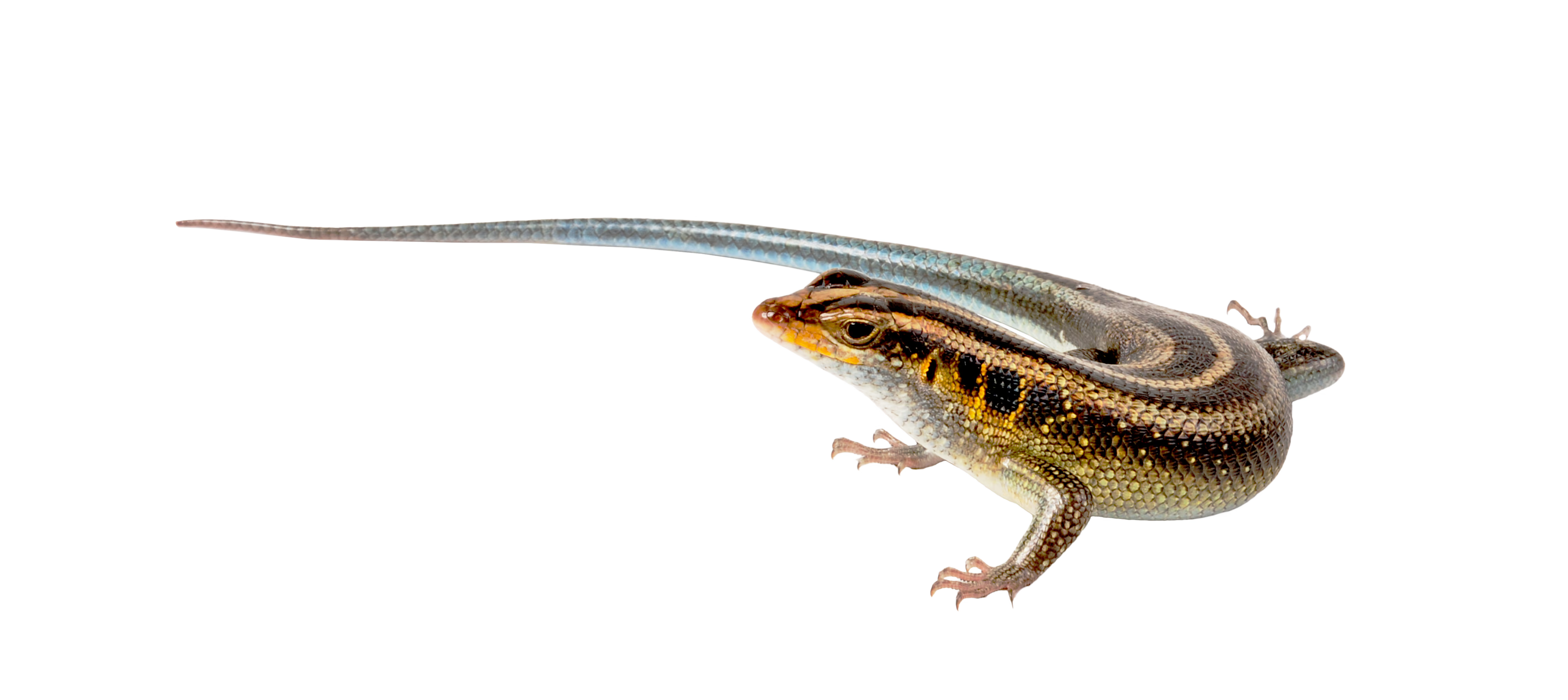
Learn how to care for an Arid Skink, recommended diet and habitat setup. Find the right food, supplies and equipment at your neighborhood Petco.
Updated on November 13th, 2025
Thanks for reaching out about the chameleon and including pictures. The first photo with the swayed back is very suspect of MBD/calcium deficiency. Diet and husbandry need to be review and correct, and a veterinary visit should be scheduled ASAP. Typically concerns are poor calcium in the diet, lac of UV light, poor temperature, etc. This is an emergency. Good luck.
Updated on August 12th, 2025
It is too small to be used for much beyond transport, quarantine or temporary housing (i.e. during cleaning of main enclosure). The plastic construction does not allow for light or heat sources which most reptiles or exotic pets require.
Updated on August 12th, 2025
Check the temperatures in the enclosure. Low temps can affect appetite in reptiles. Soak him in a warm 50/50 solution of water and unflavored PediaLyte for 20-30 minutes every few days. This will provide warmth and hydration. Offer appropriately sized prey after he is warmed up. You can supplement with Fluker's Repta-Boost. Look in around his mouth for any symptoms of illness or injury. This may include redness, swelling, discharge or bleeding. See your veterinarian or a vet experienced in treating reptiles if you see anything suspicious or if he doesn't begin eating.
Updated on August 12th, 2025
What you have appears to be an aquatic/semi-aquatic species of turtle. Basic requirements include a tank of at least 10 gallons initially, a water heater, a water filter, a basking area out of the water, a heat lamp and a UVB light source.
Updated on August 12th, 2025
Use a background to block his view. This may prevent glass surfing or nose rubbing as well as provide more privacy/security. Again, check the temps in his enclosure to make sure it is species appropriate. Offer a variety of crickets, mealworms, dubia roaches, silkworms and wax worms. Gut load prey for 24 hours prior to offering. Dust appropriately with vitamins and minerals regularly. He may also benefit from a soak in a warm 50/50 solution of water and unflavored PediaLyte. If his appetite does not return after adjustments to environment and diet, have him examined by your veterinarian or a vet experienced in treating reptiles. Submit a stool sample to diagnose intestinal parasites or bacterial overgrowth.
Updated on August 12th, 2025