Two Easy Ways to Start Earning Rewards!
Earn 2X Pals Rewards points at Petco
when you use Petco Pay!
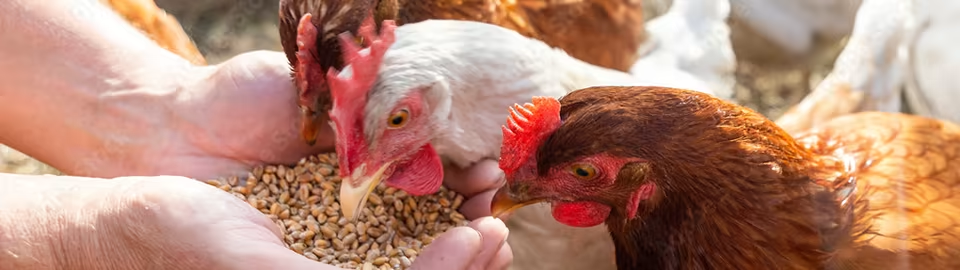
Do you have questions about what to feed your chicken(s)? Petco has the answers! Visit us to learn about chicken dietary needs.
Updated on November 13th, 2025
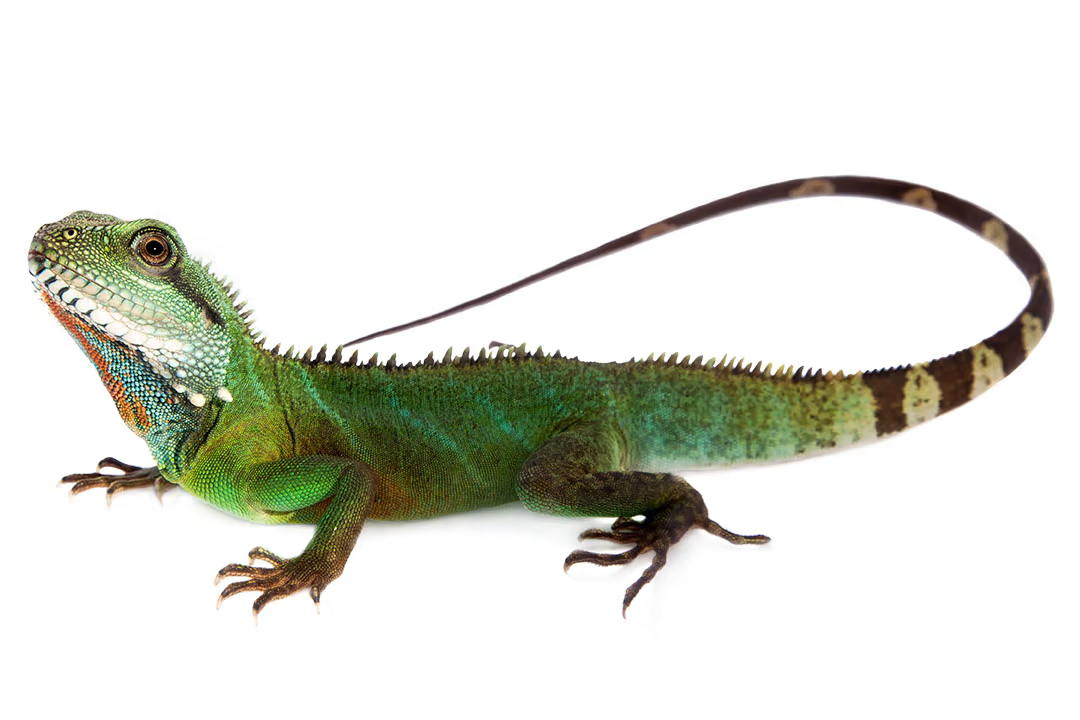
Learn how to care for tropical lizards, recommended diet & habitat setup. Find the right food, supplies & equipment at your neighborhood Petco.
Updated on November 13th, 2025
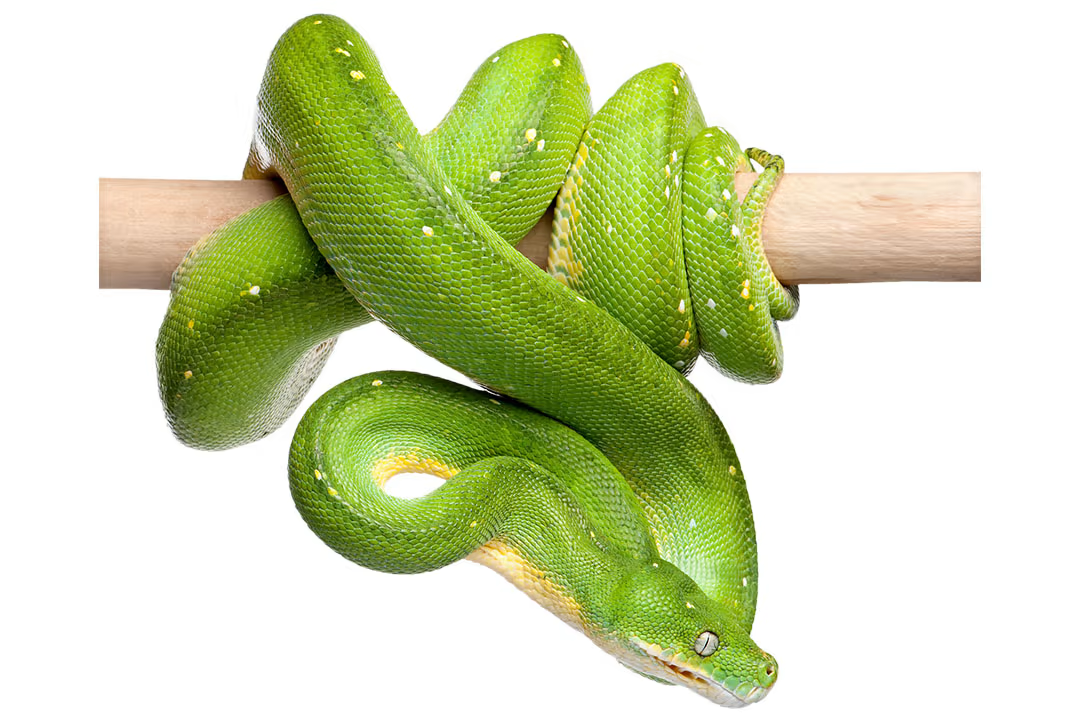
Learn how to care for a Python, recommended diet & habitat setup. Find the right food, supplies & equipment at your neighborhood Petco.
Updated on November 13th, 2025
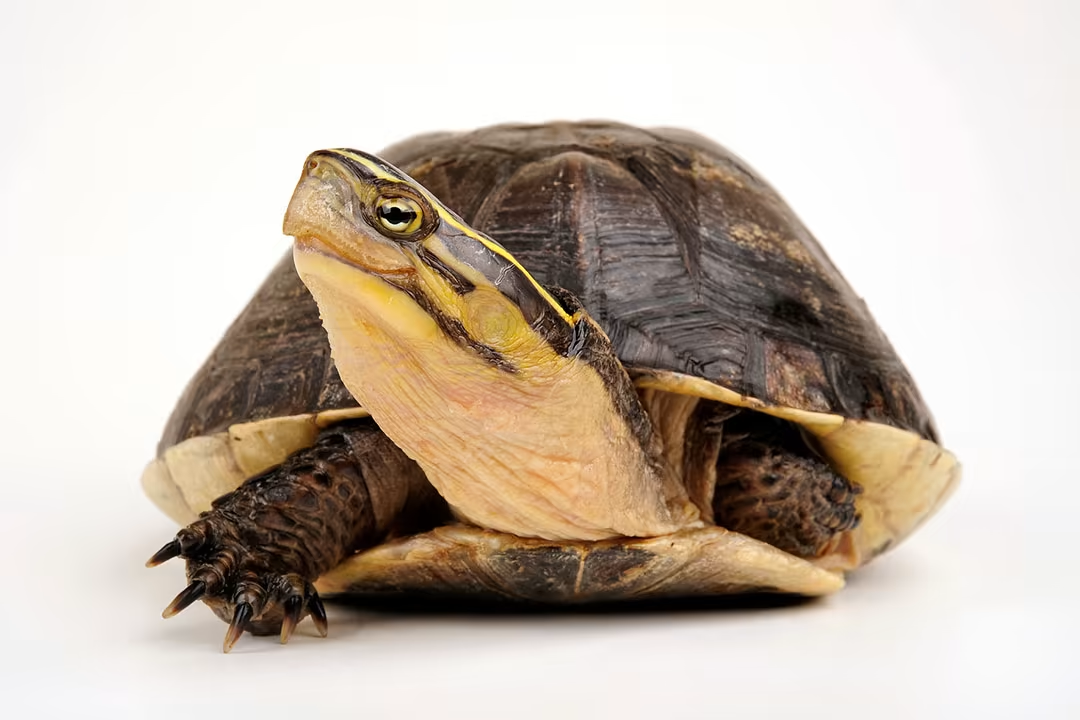
Learn how to care for terrestrial turtles, recommended diet & habitat setup. Find the right food, supplies & equipment at your neighborhood Petco.
Updated on November 13th, 2025
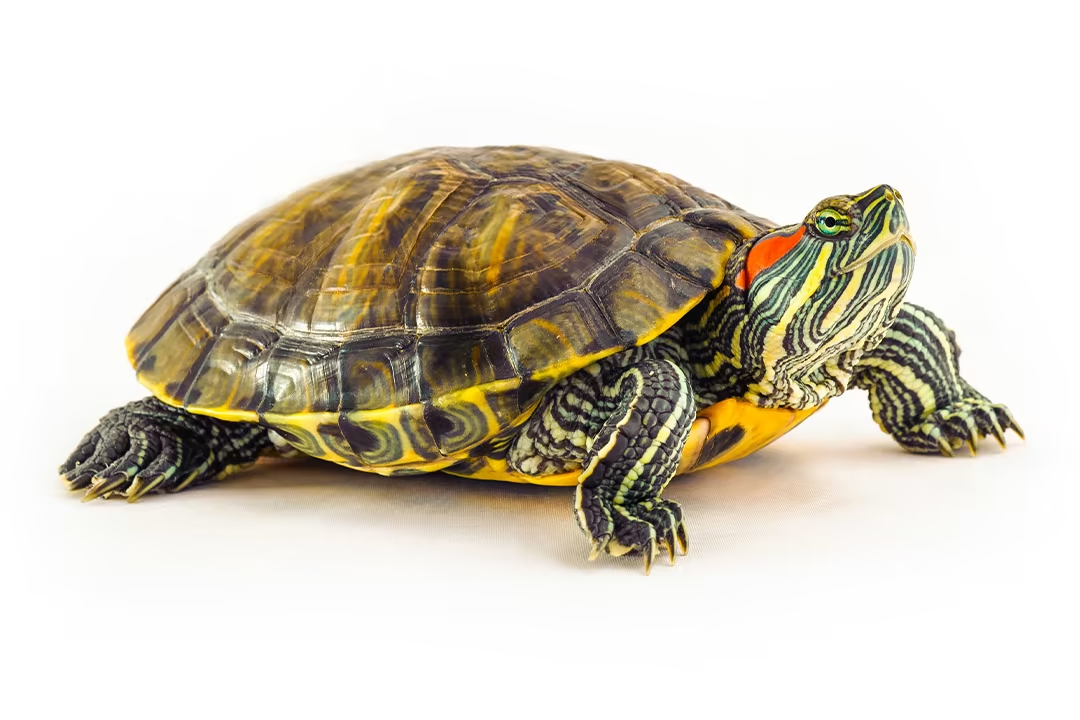
Learn how to care for aquatic turtles available at Petco. Care Sheets provide you with essential info on how to best take care of these interesting pets.
Updated on November 13th, 2025
Fluker's or Maxuri pellets/sticks are quality diets. The diet should be varied to maximize nutrition. Offer leafy greens, crickets, small feeder fish, krill/shrimp (either can be freeze dried) or superworms in addition to a commercial pelleted diet.
Updated on August 12th, 2025
I would check with MPI for these legal requirements. There are certain animals that cannot be imported into the country due to biosecurity, and depending on which bird or reptile you want to keep, there will be different legal requirements.
Updated on August 12th, 2025
Feed as many pellets as would fit in her head if it was empty. Do this once daily. Offer greens daily, in the morning about 2 hours after the heat/light comes on. Supplement with a multivitamin and calcium supplement several times a week. I like Rep-Cal HerptiVite and Rep-Cal Calcium (w/o D3 as long as she has UVB lighting). An incandescent bulb or spot light will be sufficient for use as a heat lamp. Use thermometers or an infrared temperature gun to monitor ambient temp and basking spot temp.
Updated on August 12th, 2025
What you have is a species of slider. It could be a Yellow Bellied Slider. First, be sure it is legal in your state/county to keep a wild caught slider. You will need a tank large enough to provide swimming and basking areas. The general guideline is 10 gallons per inch of turtle. Choose a strong filter to help maintain water quality. It should be rated for at least twice the volume of the tank. You will likely need to perform partial water changes every few weeks though. Other necessary items include: a heat lamp over a basking area, a basking area easily accessible from the water, UVB lighting and a submersible water heater. Feed a balanced diet of animal protein (feeder fish, nightcrawlers, etc.), fresh greens and vegetables and commercial pellets. A multivitamin and a calcium supplement will also be needed. Consider having the turtle examined by your veterinarian or a vet experienced in treating reptiles to confirm good health or to diagnose and treat any pre-existing condit
Updated on August 12th, 2025
Hello. Chickens can indeed spread diseases, like Salmonella, Campylobacter, Mycobacterium & Chlamidia. But if you have a normal functioning immune system & wash hands after working & handling the chickens & eggs, you should be fine. Chickens can be a lot of work as you need a proper place to keep them safe, a good coop for the night, proper food in the correct ratios, ocassional worming & make sure you only purchase chicks that have been vaccinated for Mareks. There are wonderful books & websites for new chicken owners. I like https://www.mypetchicken.com & https://the-chicken-chick.com. Thanks for using Boop by Petco.
Updated on August 12th, 2025