Two Easy Ways to Start Earning Rewards!
Become a member today! Members-only pricing and offers, personalized care notifications, Vital Care points back on every purchase and more!
 Become a credit card member today!
Earn 2X Pals Rewards points at Petco
when you use Petco Pay!APPLY NOWLearn More About Petco Pay Benefits
Sun Seed Finch & Canary Shop
Get It Today


Related Articles & Questions
- New Pet
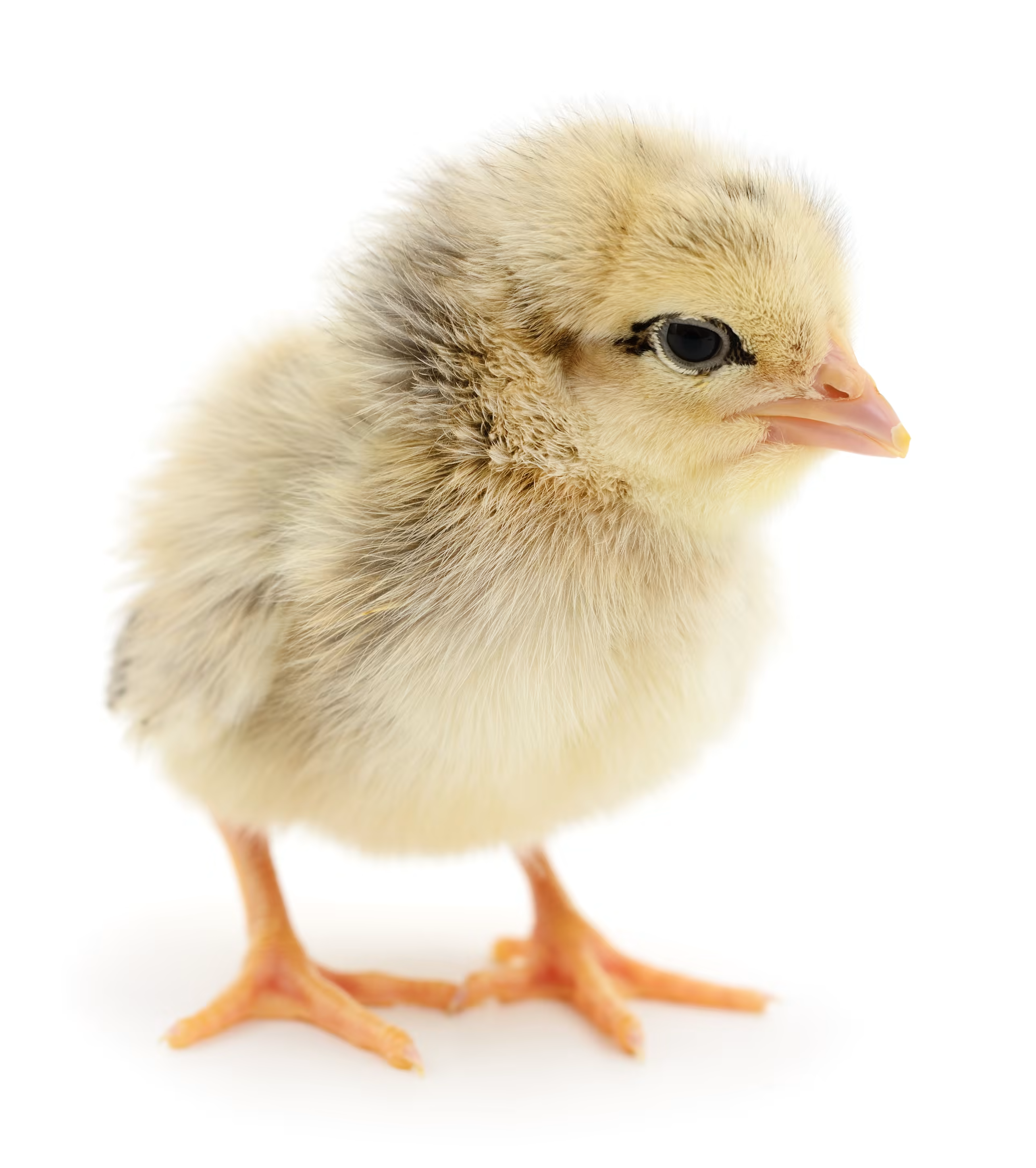
Baby Chick Care: Food, Habitat & Health for Happy, Healthy Chicks
Learn how to take care of a Chick, recommended diet and habitat setup. Find the right food, supplies and equipment at your neighborhood Petco.
Updated on November 13th, 2025
- Home & Habitat
Green Pet Care: Sustainable Products & Practices for Your Furry Friend
Being a sustainable pet parent involves good practices and habits. Learn more about eco-friendly dog products, eco-friendly cat products and other solutions.
Updated on November 13th, 2025
- Seasonal Topics
Build Your Cat's Dream Catio: Safe & Enriching Outdoor Space Guide
Learn how to create a safe and enriching outdoor space for your cat with our step-by-step guide to designing the perfect catio.
Updated on November 13th, 2025
 Health & Wellbeing
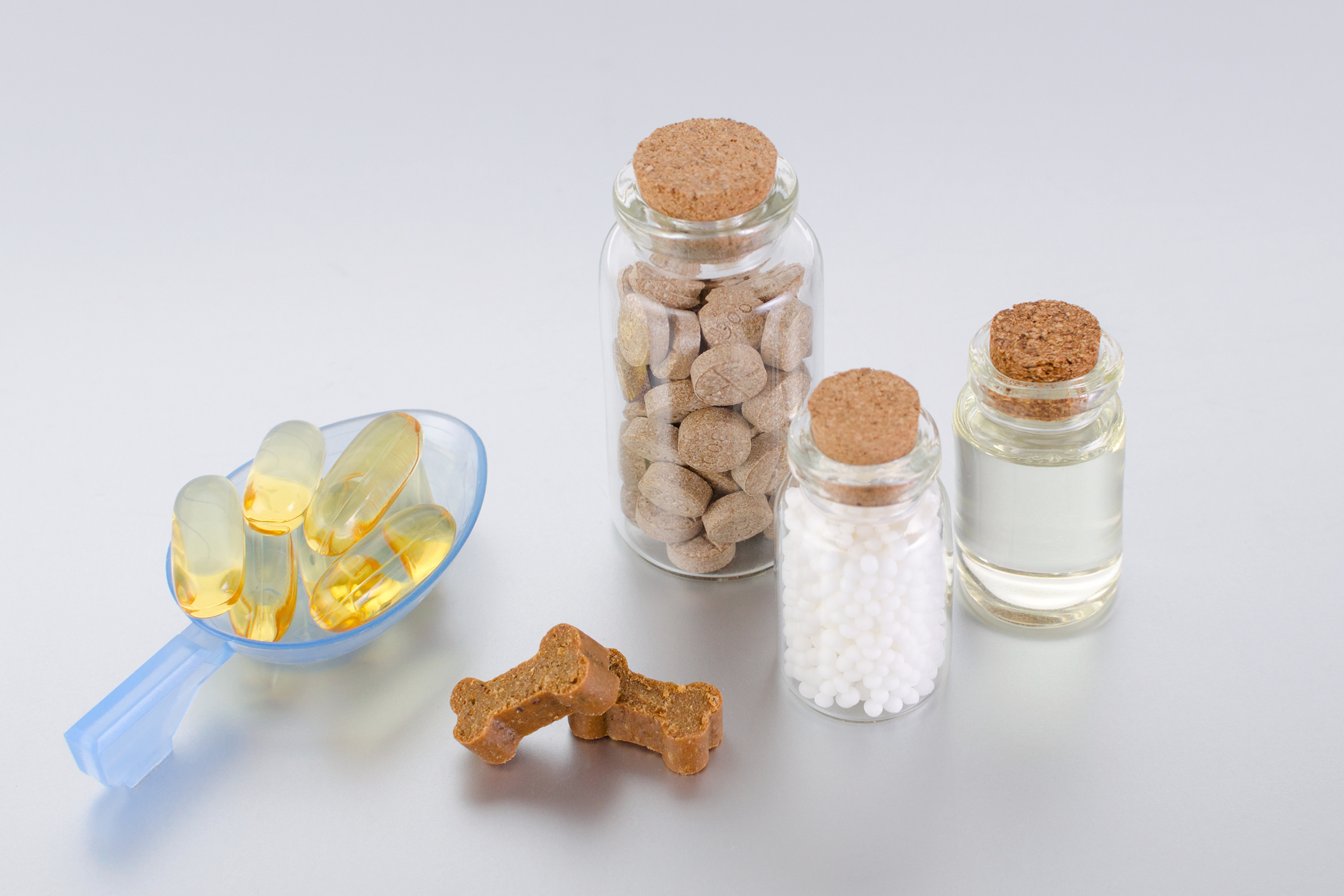
Unlock Optimal Health: Best Pet Supplements for Your Dog & Cat
Discover how to choose the best supplements for your pet’s health, from essential vitamins to joint support and digestion aids. Learn age-specific and seasonal supplement tips for cats and dogs.
Updated on November 13th, 2025
- New Pet
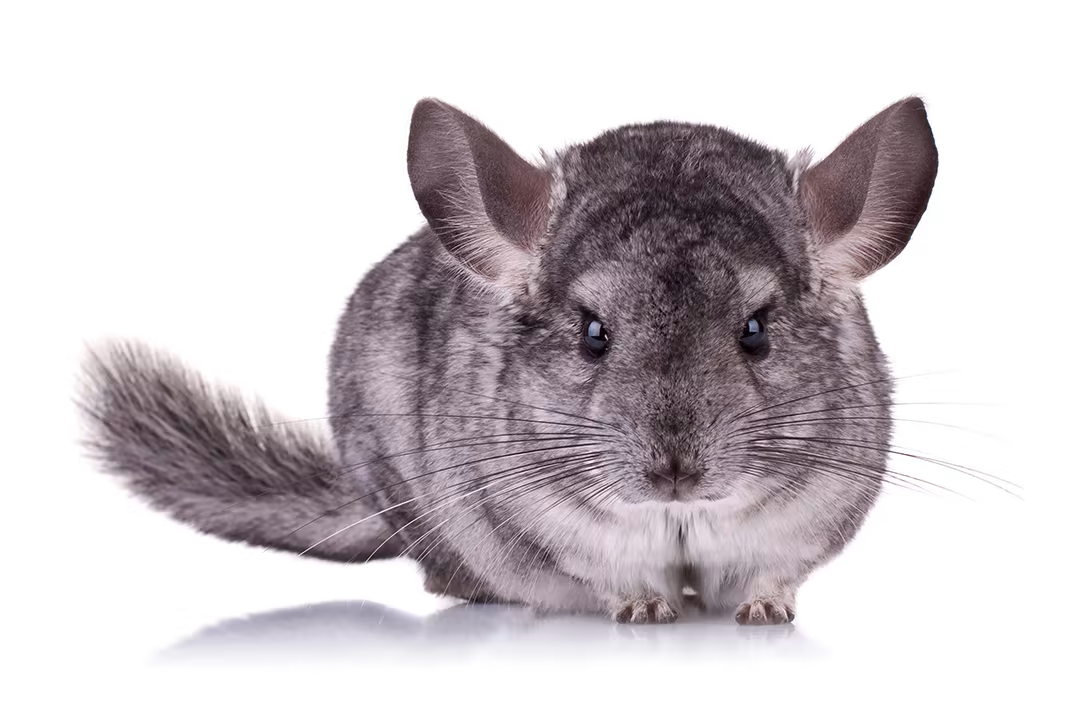
Chinchilla Care: Your Guide to Food, Habitat & Health Success
Chinchillas have an inquisitive and gentle nature, but also have a lot of energy. Learn about the care and supply needs for pet chinchillas.
Updated on November 13th, 2025
- Health & Wellbeing
What Bird food would you recommend for the little chicken nugget Kiki? And what snacks is he allowed to eat? His favourite are apples and pears.
I am not sure what foods you have available in your area but my favorites are Lafeber Nutri-Berries/ Avi-Cakes and Mazuri small bird feed: https://lafeber.com/pet-birds/bird-food/classic-nutri-berries/ https://lafeber.com/pet-birds/bird-food/avi-cakes/ http://www.mazuri.com/mazurismallbirdmaintenance-2.5lb.aspx Fruits, vegetables and greens should account for approximately 20 - 25% of the daily diet. Avocado is reported to be potentially toxic so avoid feeding this. Fruits and vegetables must be washed thoroughly to remove chemicals. Cut them into manageable pieces depending on the size of the bird. It is not necessary to take the skin off. Offer fruits and vegetables in a separate dish. If your bird appears to develop a particular fancy for one food item, reduce its volume or stop feeding it temporarily to promote the eating of other foods. Treat your bird like a small child; offer a small piece of a variety of food items daily and never stop trying. Hope this answers your que
Updated on August 12th, 2025
- Health & Wellbeing
I have a small sparrow like bird of white color. His name is pippo. Ibought him from a pet shop. He has been with me for 6 months. I think he is sick. He is doing very less physical activities , sleeping more , eating less, falls when flying , fillin
Thanks for reaching out about your finch and including photos. A veterinary visit is recommended but understand if one is not available, but only limited things can be done at home. Weakness can have multiple causes, with infections being only one possibility. Provide heat support in the 80-85 F range can give some support. Finches eat primarily seed but also need a vitamin/mineral/protein support in the form of a wide variety of vegetables. Provide a soft bedding/towels on the bottom of the cage to protect if falls. Good luck.
Updated on August 12th, 2025
- Food & Nutrition
Thank you so much Jessica doctor. And what kind of food can I give to meenu?plz suggest
You're welcome! I'm not entirely sure what brands are offered in India, but [here are some good foods](https://www.petco.com/shop/en/petcostore/category/bird/bird-food-and-treats/bird-food/parrot-hookbill-food) from our store that can give you a template of what kind of food to feed Meenu. Any formula for parrots or hookbills should be appropriate for conures. Most pet stores will carry something similar, so if you have one nearby you can use this list to shop for similar ingredients. Adding in some fresh fruits and veggies as snacks and treats can also help round out Meenu's diet and make things more exciting for her!
Updated on August 12th, 2025
- Food & Nutrition
I have had two female degus for about 3 years now and haven't usually had any problems with what I'm feeding them, but due to a communication error I have ended up with sunflower seeds and budgie seeds (as shown in the photo) and was just wondering w
Thanks for your question about your degus, and thank you for the photos - they are very helpful. I would not recommend feeding either of these products to degus, as they can lead to dental disease and gastrointestinal distress. Degus are meant to have a high fiber, low nutrient diet, so the majority of their diet should be hay. You can also provide them with a small amount (approximately 1 tablespoon/degu/day) of chinchilla pellets, which are typically alfalfa based. In addition to this, you can also add dark leafy greens (approximately 1 cup/degu/day). Examples of these include leaf lettuces, cilantro, parsley, arugula, dandelion greens. I do not recommend feeding any dairy, sugar, fruits, muesli, or seeds to degus. I hope this gives you a place to start, and thanks for using Boop by Petco.
Updated on August 12th, 2025
- Health & Wellbeing
I have two happy male society finches in a cage approx 3 feet long and 14" wide, 24.5 inches high. Can I add a 3rd male. There's one that has been in the pet store for months. Awful. Tiny cage.
Ideally, the more space the better, and three birds should have a flight cage that is big enough for them to fly back and forth horizontally in (finches tend to like horizontal rather than vertical cages). You also want to make sure each bird has their own access to food, water, and bedding areas, with dividers such as perches or toys to break up the space and prevent fighting over territory. If you do introduce a new bird, make sure to keep him separated for a week first to prevent the spread of any illness, and to make sure he is healthy enough to be added to the flock before doing so.
Updated on August 12th, 2025