Two Easy Ways to Start Earning Rewards!
Become a member today! Members-only pricing and offers, personalized care notifications, Vital Care points back on every purchase and more!
 Become a credit card member today!
Earn 2X Pals Rewards points at Petco
when you use Petco Pay!APPLY NOWLearn More About Petco Pay Benefits
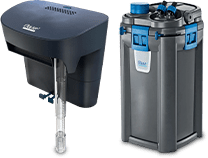
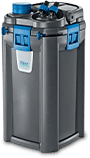
Oase Aquarium Cleaning Supplies
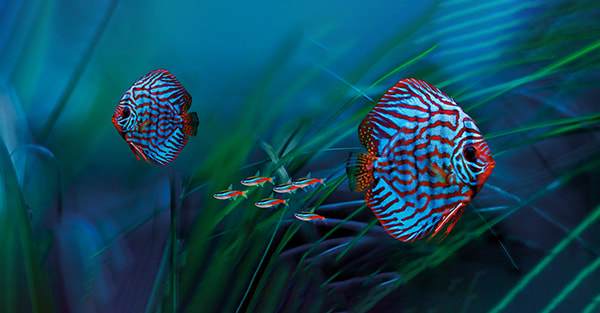

BRING ADVANCED AQUARIUM TECHNOLOGY HOME
Find the right multistage filter and accessories for your aquarium.

Related Articles & Questions
- Training & Behavior
Finally! 10 Easy Ways to a Crystal Clear, Algae-Free Fish Tank
Our top ten most important tips for removing and keeping algae out of your aquarium.
Updated on November 13th, 2025
- New Pet
Freshwater Aquarium Setup: A Step-by-Step Guide for Beginners
Learn how to set up a freshwater fish tank and key considerations regarding placement, supplies needed, and the set up process.
Updated on November 13th, 2025
- New Pet
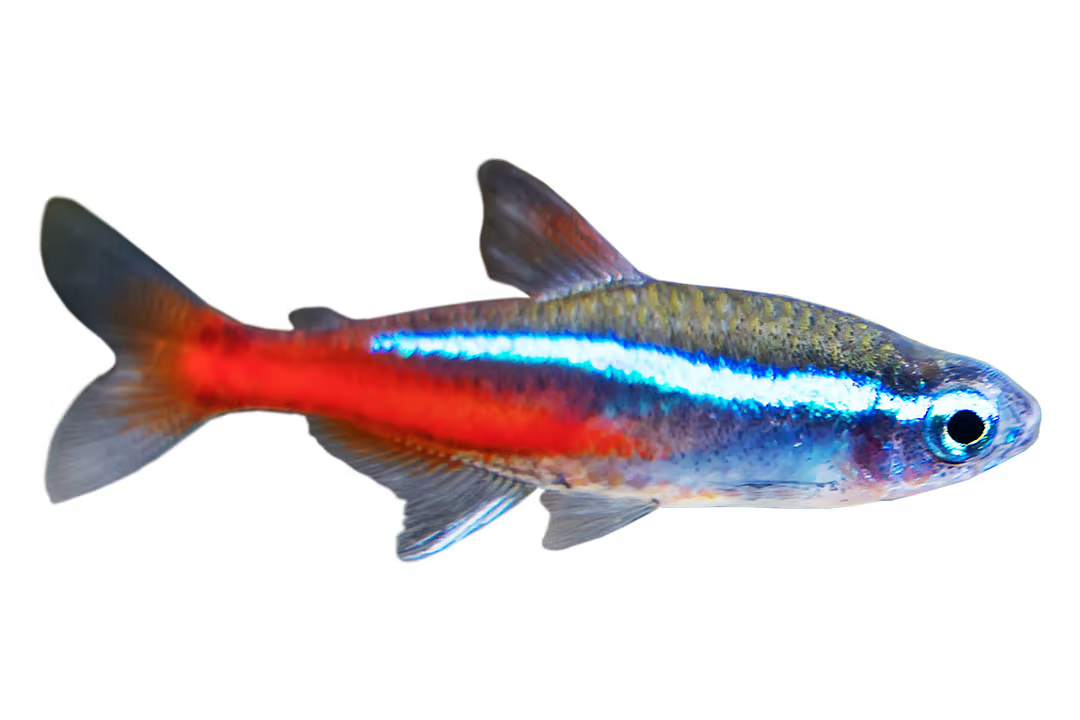
Complete Tetra Care: Tank Setup, Food, & Compatibility Tips
Learn how to care for a Tetra, recommended diet & habitat setup. Find the right food, supplies & equipment at your neighborhood Petco.
Updated on November 13th, 2025
- New Pet
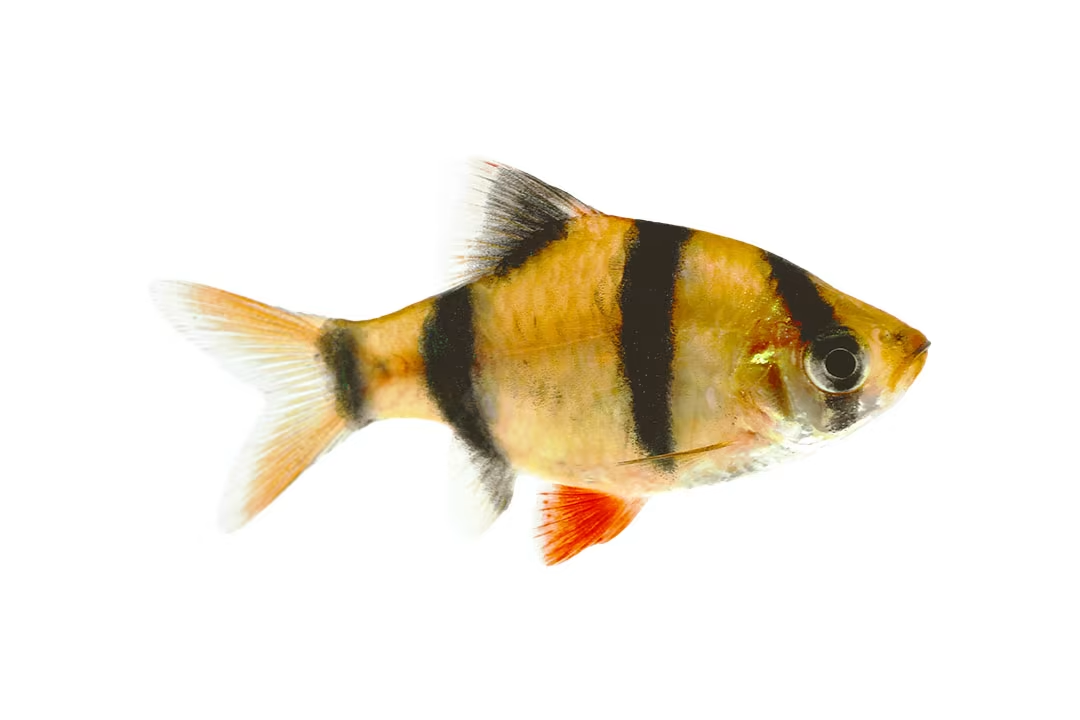
Barbs Fish Care Guide for Beginners: Tank, Food & Compatibility
Learn how to care for Barbs fish, recommended diet and aquarium setup. Find Barbs for sale, supplies and equipment at your neighborhood Petco.
Updated on November 13th, 2025
- New Pet
Perfect First Fish: Easy & Hardy Freshwater Pets for Beginners
Some fish species generally do well in smaller aquariums, are more adapted to aquarium life, & can be slightly more forgiving with water quality fluctuations.
Updated on November 13th, 2025
- Health & Wellbeing
I have basic aquarium at home, since 2 days all are not active and seen abnormal, shark, gold, koi are all having bleeding on their body without any reason i know. Suddenly at one time continuously fishes getting die, even I changed water at overnigh
I'm sorry you are having difficulties with your aquarium. There are several issues that should be dealt with right now. They are water chemistry, aquarium size and choice/number of fish. Any new aquarium should be set up and, ideally, run empty for several weeks (usually 4-6 weeks). This is so beneficial bacteria have an opportunity to populate the substrate and filter. These bacteria are necessary to break down wastes that fish will produce. The technical phrase for this is "establishing the Nitrogen cycle". These bacteria will break down wastes into ammonia then nitrites then nitrates. Nitrates can then dissipate or be absorbed/used by live plants. In high enough concentrations, ammonia and nitrites are toxic and can kill fish. Cycling a tank with fish is possible but it increases the risk of loss. Water chemistry should be checked every few days using a liquid home test kit. A water sample can be submitted for testing , but is not as convenient as testing yourself. Most pet sto
Updated on August 12th, 2025
- Health & Wellbeing
Two of our freshwater fish are acting oddly in the water. We did lose a few last night, due to an ammonia spike. We noticed some pale-colored, wormlike flesh dropping from the front area (between the mouth and front fins); this black Guppy is “wobb
Monitor water chemistry using a home test kit or submit a water sample for testing. The local Petco may do this for free or for a small fee. Aim for an absence (0 ppm) of ammonia and nitrites with nitrates at 20ppm or less. Perform partial water changes to stabilize chemistry and/or to improve water quality. Use only conditioned water that is temperature matched to prevent stress or shock. Pristine water quality is the foundation for healing and recovery from infection or injury in fish. You can use plain aquarium salt (NOT table or Epsom salt) as a general tonic to reduce stress, improve gill function and aid in recovery. Dissolve 1 teaspoon of salt per gallon of water in a cup or two of water and gently pour it into the tank. Treat for 14 days then reassess the condition. An "all in one" product, such as Lifeguard (by Tetra), can be used concurrently to treat infection or parasites. Find one in the aquarium section of the local Petco. Follow label directions carefully and remove
Updated on August 12th, 2025
- Health & Wellbeing
I dont know if you are a tropical fish specialist. But there is something going on in my tank and need help diagnosing it. My corydora has two raised growths ..one at the base of its fin. And one under the eye. My pleco seems a bit tattered too. A li
Thanks for reaching out about your aquarium and including photos. Did you test your water quality prior to the water change? Continue to test for pH, ammonia, nitrites and nitrates. Pristine water quality is needed for health. Are any of the fish new, that could have introduced parasites? Itching/flashing can be due to water quality, external parasites, bacterial or viral infections and other causes. The white lesions on the photo could be fungal infections. A skin scrape and examination under the microscope (at a veterinarian's office) is needed for an attempt to determine a cause. Fungal infections are often secondary problems, so check water quality first. Good luck.
Updated on August 12th, 2025
- Health & Wellbeing
My fish Nemo isn’t moving he’s stayed in the same position for over and hour his eyes hasn’t moved either but his gills are moving is he dead??
I would suggest to try to stimulate him and see if he moves more. You can try to feed him as well. If he does not move and he is lethargic there may definitively be a problem; unfortunately the signs in this case are quite generic and a logic and radical approach would be required. Begin by submitting a water sample for quality testing. Most pet stores will do this for free or a nominal fee. High ammonia levels, PH imbalances may be responsible for that. Oxygen concentration and quality of the filters should be determined as well. If water quality is good and there are no major imbalances, your fish should get examined to look for any sign of bacterial/fungal infection and eventually water should be treated. Please do not hesitate to contact us again on the forum or by requesting a consultation if you have any more questions or to discuss it any further.
Updated on August 12th, 2025
- Health & Wellbeing
I have recently used medication in my 50 gal freshwater fish tank with one 22 year old comet goldfish in it . the meds cured my fish but must have killed my beneficial Bacteria as now my established tank has been going through another nitrogen cycle.
Thanks for reaching out about Fishy. A UV sterilizer will only help if a bacterial component is adding to the cloudiness. More intense water changes are the best way to remove nitrates. Monitor feeding to limit excess, vacuum bottom of tank to remove degrading detritus. Good luck.
Updated on August 12th, 2025