Two Easy Ways to Start Earning Rewards!
Become a member today! Members-only pricing and offers, personalized care notifications, Vital Care points back on every purchase and more!
 Become a credit card member today!
Earn 2X Pals Rewards points at Petco
when you use Petco Pay!APPLY NOWLearn More About Petco Pay Benefits
Mac's Cockatiel Shop
Get It Today


Related Articles & Questions
- New Pet
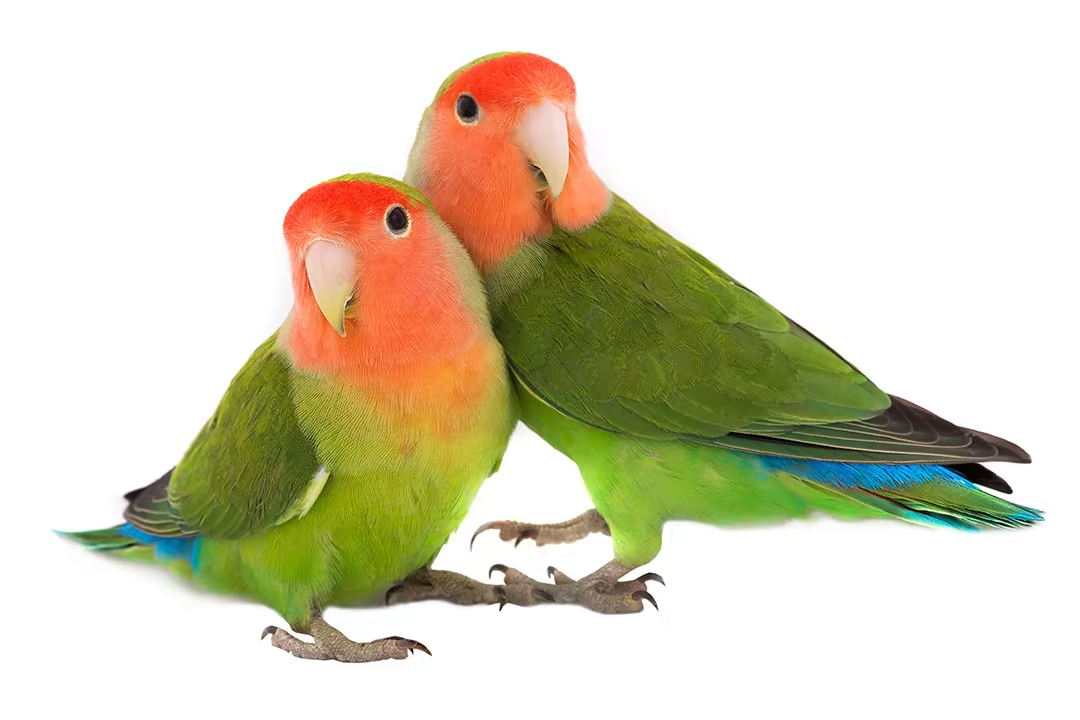
Lovebird Care: Your Complete Guide to Food, Habitat & Health
Learn how to take care of your Lovebirds, recommended cage size, diet and housing setup. Find the right food, supplies and equipment at your local Petco.
Updated on November 13th, 2025
- Training & Behavior
Why Is Your Bird Acting Out? Decode & Fix Common Bird Issues
Read more about changes in your pet birds' behavior like biting, feather plucking and more.
Updated on November 13th, 2025
- Seasonal Topics
Power Outage Bird Care: Keep Your Feathered Friend Safe & Warm
Learn more about beachcombing tips with your water-friendly dog to understand how to get most out of your dog’s day at the beach.
Updated on November 13th, 2025
- New Pet
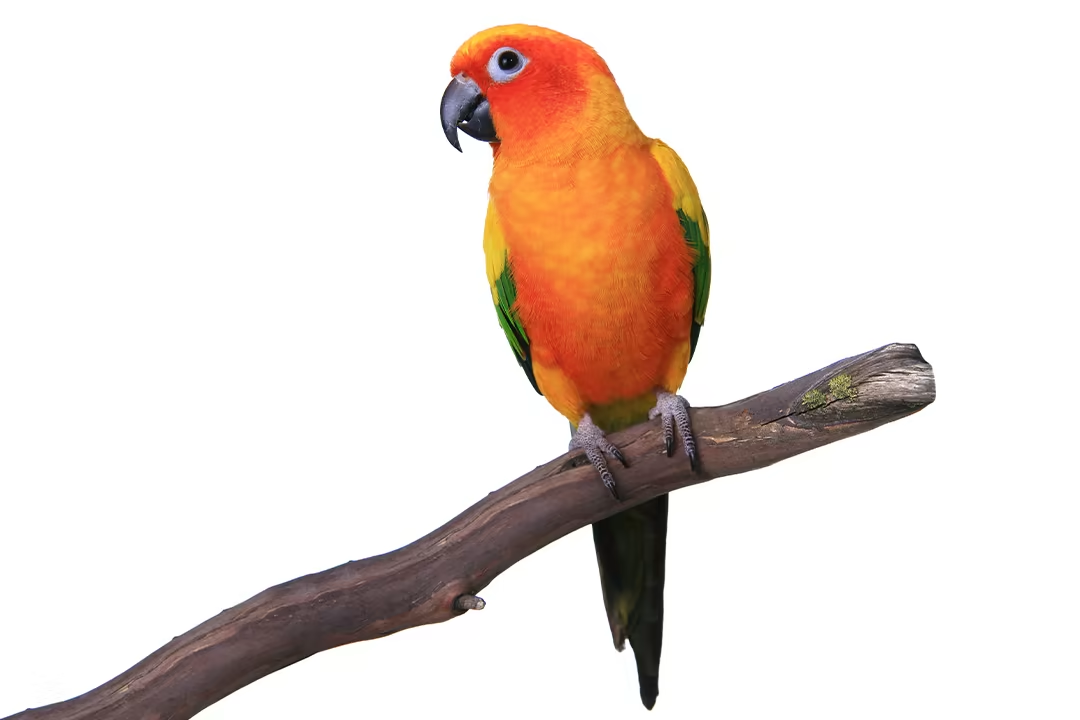
How to Care for a Sun Conure: Food, Habitat, Health & Behavior
Learn how to take care of Sun Conures, recommended diet and housing setup. Find the right food, supplies and equipment at your neighborhood Petco.
Updated on November 13th, 2025
- Health & Wellbeing
Bird Emergency? Essential First Aid Kit & Steps to Save Your Pet
Get prepared to react calmly and efficiently when accidents happen by learning basic bird first-aid skills and putting together a pet bird first-aid kit.
Updated on November 13th, 2025
- Health & Wellbeing
Hi, I have got one cockatiel - female and five years old. I was thinking about getting another one, but I am not too sure if it's recommend. If it is, then does it matter what breed/ age/ gender should it be? I'll be looking forward to your response,
If the cage is large enough for two birds and they are introduced gradually, another female cockatiel could be added. Adding a male will likely lead to mating and egg laying. Also, the possibility exists that the birds will bond with one another and interact less with you.
Updated on August 12th, 2025
- Health & Wellbeing
I got this male cockatiel 3 days ago. He is about 6 or 7 months old. He is behaving normally. I am worried about his skin under the wings. Is he sick / healthy? Please, tell me what to do with him
It's impossible to diagnose anything from a picture but I don't see anything obviously abnormal from your pictures. It's always a good idea to get a new pet exam done by an avian veterinarian when getting a new bird. Www.aav.com can help you find one Birds for Dummies by Brian Speer and Gina Spadafori is a great general resource for new bird owners for care and training. Good luck and have fun with your new friend. Thanks for using Boop by Petco.
Updated on August 12th, 2025
- Training & Behavior
Hi I live is Puerto Rico and cannot find a bird vet my cockatiel was in a box with 2 baby chicken chicks he went in the box by itself and didn't want to come out 2 weeks after that he doesn't want to eat and he just sleeps
Ideally, Pedro should be physically examined by a veterinarian. If an avian vet is not available, see the local veterinarian. He or she can contact an avian specialist by phone or online. Place him in his own cage or remove the chicken chicks. It isn't recommended to keep these two species caged together. Offer a mash made with warm water and a handfeeding formula to get him eating. Unflavored PediaLyte can be given via dropper if he will accept it. Keep him warm and as stress free as possible until he sees the doctor.
Updated on August 12th, 2025
- Training & Behavior
I have a problem with my pet parrot(cockatiel).5 months ago one of 2 birds died. And the bird has gotten really agressive. Before that death, I could scratch it and overall he was comfortable with me, but right now it attacks me,always tries to bite
Losing a mate or part of the flock can be traumatic. Try to gradually reacclimate him to you. Begin by simply sitting by his cage for ever increasing periods of time. Speak softly and move slowly around him. End each visit with a small treat. Once he is fine with that, place your hand in the cage for ever increasing periods of time. He may squawk and flap and move away at first. That's fine. Do not attempt to touch or pet him. Once he settles down, you can coax him closer to you using treats. It will take time and patience, but eventually you should be able to win him over and get him to per h on your finger.
Updated on August 12th, 2025
- Health & Wellbeing
What are some tips for my bird who’s “pregnant” laying eggs? (My male and female both mated) Like what are good things to feed them, tips for eggs
Feed a good quality pelleted diet (Harrison's, Roudybush, Lafeber, Pretty Bird or Exact) supplemented with a fortified seed mix and fresh greens and vegetables. Provide a cuttlebone or mineral block. Always have fresh water available. Provide an appropriately sized nesting box and suitable nesting material (straw, Aspen shaving, shredded newspaper, etc.).
Updated on August 12th, 2025