Two Easy Ways to Start Earning Rewards!
Earn 2X Pals Rewards points at Petco
when you use Petco Pay!
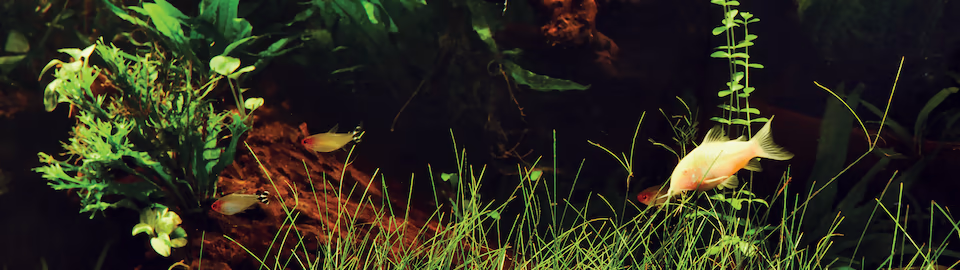
Learn how to pick the right aquarium plants, substrate, lighting, and fertilizers to ensure that your aquarium plants thrive and stay healthy.
Updated on November 13th, 2025
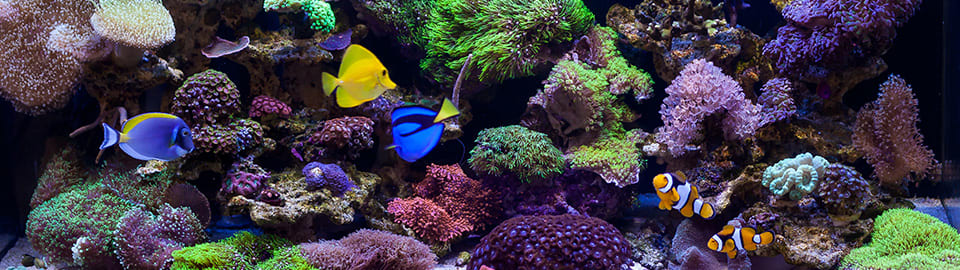
Everything you need to know about how to start a fish tank. Learn about setting up an aquarium, choosing the right type, and acclimating new fish to your tank.
Updated on November 13th, 2025
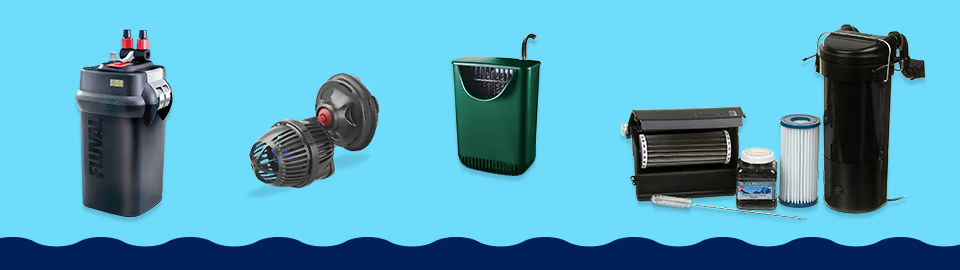
Discover the fish tank filter system that’s right for your aquarium. Learn about mechanical, chemical, and biological filtration at Petco.
Updated on November 13th, 2025
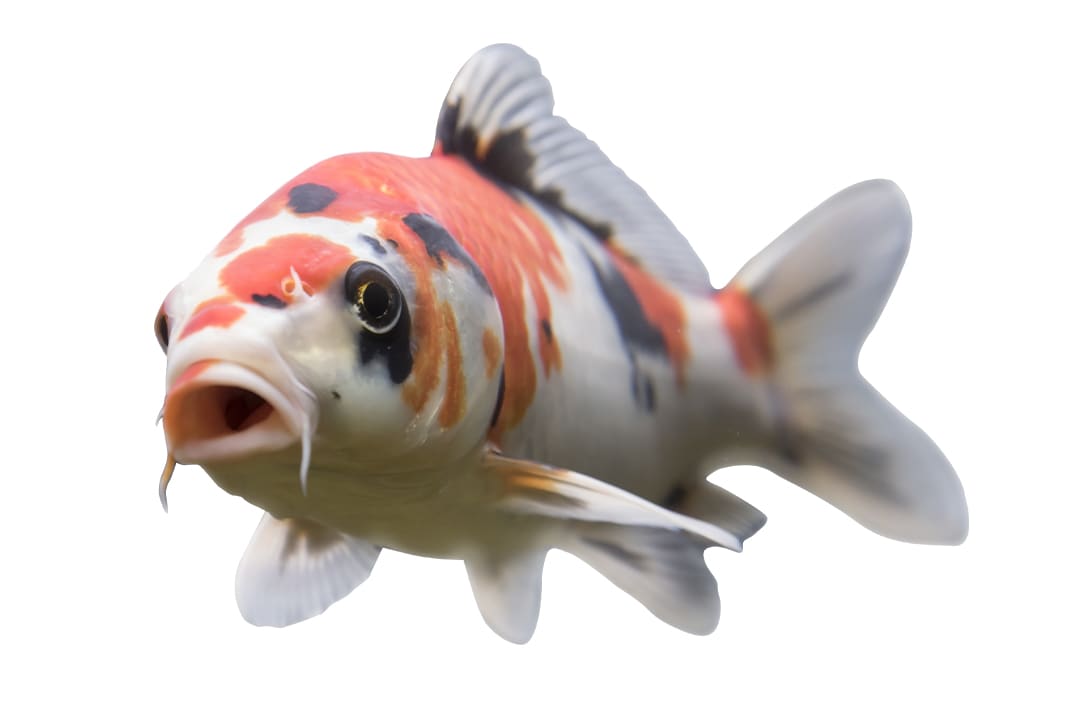
Learn how to care for a Koi, recommended diet and aquarium setup. Find Koi for sale, supplies and equipment at your neighborhood Petco.
Updated on November 13th, 2025
Shop Petco for low-maintenance aquarium decorations like the El Nino fern. We want to help decorate your aquarium to keep your fish happy and comfortable.
Updated on November 13th, 2025
It may be the pH change or other change in water chemistry. Use a home test kit to check water quality. Make adjustments as indicated. It may also be a response to a temperature change. Check water temperature and increase the heat if necessary, just don't forget to turn it down or off once the temp is within range.
Updated on August 12th, 2025
Check the water quality and temperature. Warm water will not hold as much oxygen as cool water and goldfish are cold water fish. Ideal water temp is about 21 C. Use a home water test kit to check parameters. Ammonia and nitrites should read 0ppm (parts per million) and nitrates can be 40ppm or less. If you don't have a test kit, most pet stores or aquarists will test a sample for free or for a nominal fee. Ensure adequate filtration and oxygenation. Use a filter that will comfortably handle twice the volume of your tank. An airstone will increase oxygenation. A tank hood or cover is recommended to prevent fish from jumping out.
Updated on August 12th, 2025
Check the water chemistry first. Use a home test kit or submit a sample of water for testing. Most pet stores will do this for free or for a small fee for. High ammonia or nitrite levels can be toxic to fish. Aim for 0 ppm ammonia and nitrites with a nitrate level of 20ppm or less. Perform a partial water change, if indicated, to stabilize chemistry and maintain water quality. Use only aged or conditioned water that is temperature matched to prevent stress or shock. Check the water temperature as well, confirming it is appropriate for your species of fish.
Updated on August 12th, 2025
This could be bacterial or parasitic infection. It is difficult to determine definitively since the image provided is not clear. Fish can be difficult to photograph. Basic care includes checking water quality and chemistry. This can be done using a home test kit or by submitting a water sample for testing. The local Petco may do this for free or for a small fee. There should be an absence of ammonia and nitrites with nitrates at 20-60 ppm. pH should be as close to 7 as possible, avoiding large swings. Koi can tolerate a wide range in temperature, but generally do best between 65 F and 75 F. Again, avoid large swings in temperature to prevent stress or shock. If necessary, a partial water change can be done to stabilize chemistry and/or improve water quality. If you have other koi, consider placing this one in a hospital tank to make treatment easier and to prevent spread if the condition is infectious. Plain aquarium salt (NOT table or Epsom salt) can be used to reduce stress, impro
Updated on August 12th, 2025
There are several causes that can provoke these signs fro water imbalances to specific diseases like swim bladder ones. This problem requires a quite radical but logic approach. Begin by submitting a water sample for quality testing. Most pet stores will do this for free or a nominal fee. High ammonia levels, PH imbalances may be responsible for that. Oxygen concentration and quality of the filters should be determined as well. If water quality is good and there are no major imbalances, your fish should get examined to look for any sign of bacterial/fungal infection and eventually water should be treated. Please do not hesitate to contact us again on the forum or by requesting a consultation if you have any more questions or to discuss it any further.
Updated on August 12th, 2025