Two Easy Ways to Start Earning Rewards!
Earn 2X Pals Rewards points at Petco
when you use Petco Pay!
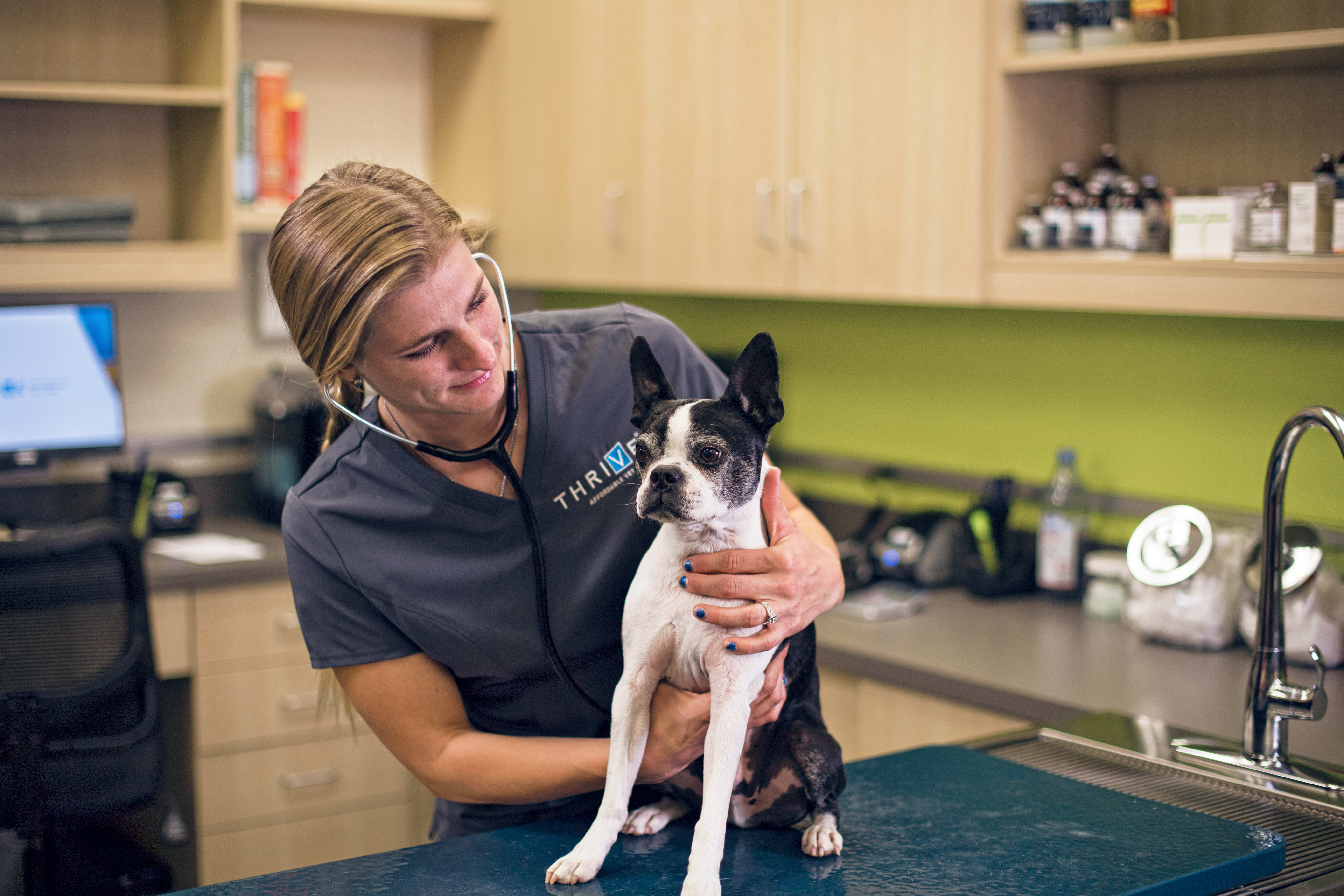
Help get rid of kennel cough. Check out Petco’s guide and learn everything about kennel cough from symptoms, signs, treatments, medications and more.
Updated on October 29th, 2025

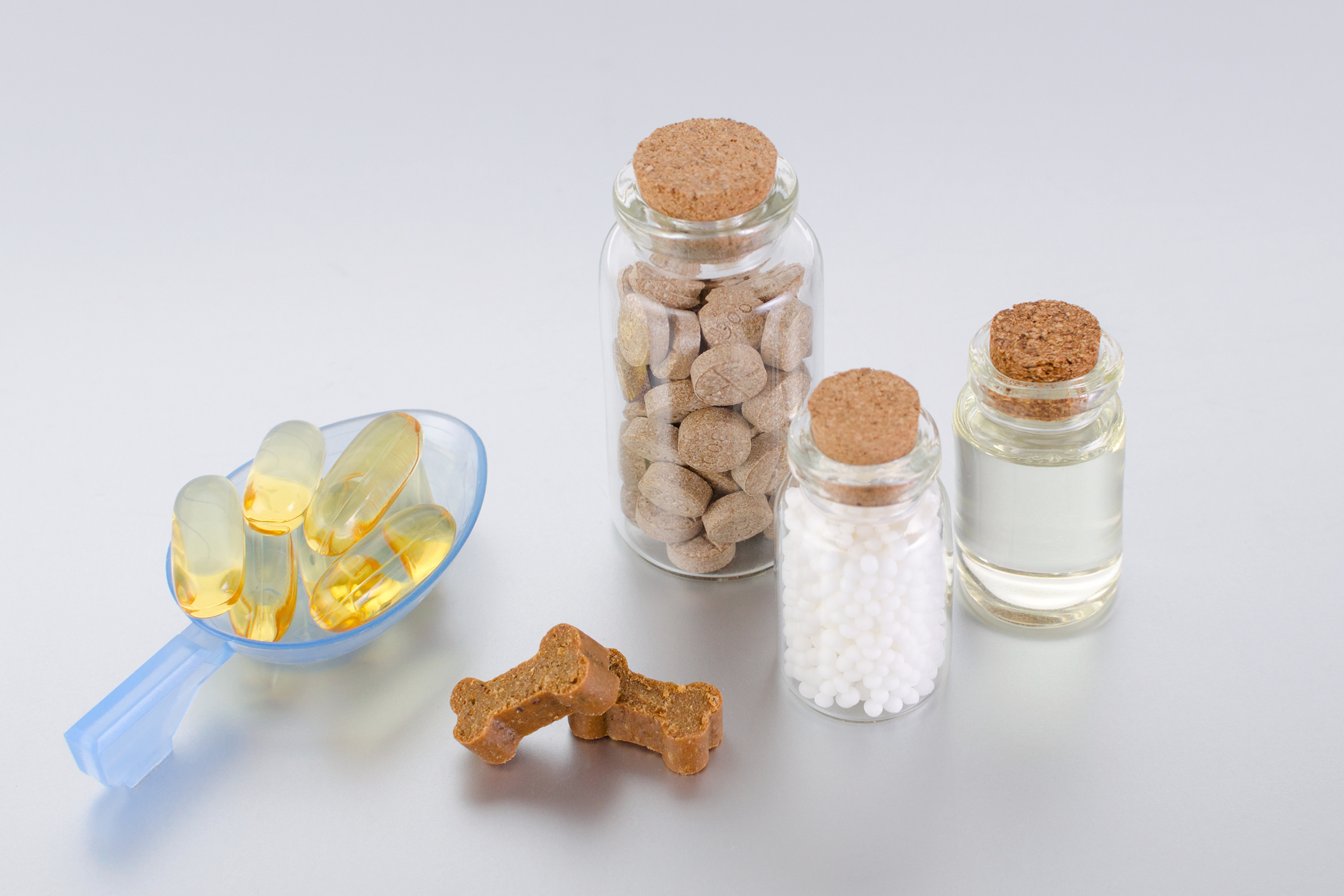
Discover how to choose the best supplements for your pet’s health, from essential vitamins to joint support and digestion aids. Learn age-specific and seasonal supplement tips for cats and dogs.
Updated on October 29th, 2025
Interested in knowing if your dog needs supplements for allergies? Check out Petco’s guide to learn which supplements might help your dog with allergies.
Updated on October 29th, 2025
Learn how to improve your dog's life with nutritional probiotics. Help your dog regardless of age or size & manage inflammation, gastrointestinal health & arthritis.
Updated on October 29th, 2025
Does your dog need a multivitamin or food supplements? Petco gives you all the key facts about giving your dog multivitamins & other supplements.
Updated on October 29th, 2025
Most cases of kennel cough will resolve, with or without treatment, within 3-4 weeks. The cough can linger for a bit longer. A half teaspoon of honey several times daily may soothe her throat and ease the cough. Monitor for lethargy, fever, difficulty breathing or a productive cough. These are symptoms that should be addressed by your veterinarian.
Updated on August 12th, 2025
Kennel Cough can be both viral or bacterial in nature, so treatment may vary depending on the cause of your dog's cough. If your dog is experiencing a bad cough, or signs of a bacterial infection, then making an appointment with your local vet is best as medications used to treat chronic cough are regulated and not usually available over the counter, and antibiotics may be needed if the cause is bacterial. Do NOT give any over the counter medications to your dog without first consulting a vet, as the dosage, amount and duration may be different in dogs than humans, and some medications may be toxic to pets. For viral Kennel Cough, caring for your dog's symptoms and helping him to overcome his illness are best. Make sure he is well hydrated, still eating and has plenty of rest to help recover. As Kennel Cough is contagious, keeping him away from other dogs until his symptoms resolve will help stop its spread. If your dog frequents locations such as the dog park, day cares, or kennels,
Updated on August 12th, 2025
Kennel cough usually is self limiting infection and resolves even without any treatment if not severe, tapeworm must be treated unfortunately with prescription medications together with good quality flea treatment (as the fleas are the intermediate host of the parasite).
Updated on August 12th, 2025
I would recommend that you have your puppy re-evaluated by a veterinarian. Kennel cough does not usually cause this severe of a depression. It can, however, turn into pneumonia and should be treated very seriously. There are no human OTC cough suppressants that are safe to use in his situation since we don't know exactly what is going on. Warm water with honey and lemon is safe, and may soothe a simple cough.
Updated on August 12th, 2025
Alfie is displaying classic signs of an upper respiratory infection (aka kennel cough). These can often be due to a viral infection, so that is likely why the vet has prescribed the benadryl; they are treating conservatively. The benadryl will help make Alfie feel better, but will also make him tired. However, it appears the infection has gotten worse and I would be prescribing antibiotics at this time. They do tend to feel crummy (much like we do when we have a cold), but rest assured, this is not an emergency and no need to rush off to the emergency vet. You can see your vet at a regular appointment time in the next day or two and they will advise on additional medication. I hope that helps and Alfie feels better soon.
Updated on August 12th, 2025