Two Easy Ways to Start Earning Rewards!
Become a member today! Members-only pricing and offers, personalized care notifications, Vital Care points back on every purchase and more!
 Become a credit card member today!
Earn 2X Pals Rewards points at Petco
when you use Petco Pay!APPLY NOWLearn More About Petco Pay Benefits
Durvet Poultry & Chicken Supplements & Healthcare


Related Articles & Questions
- New Pet
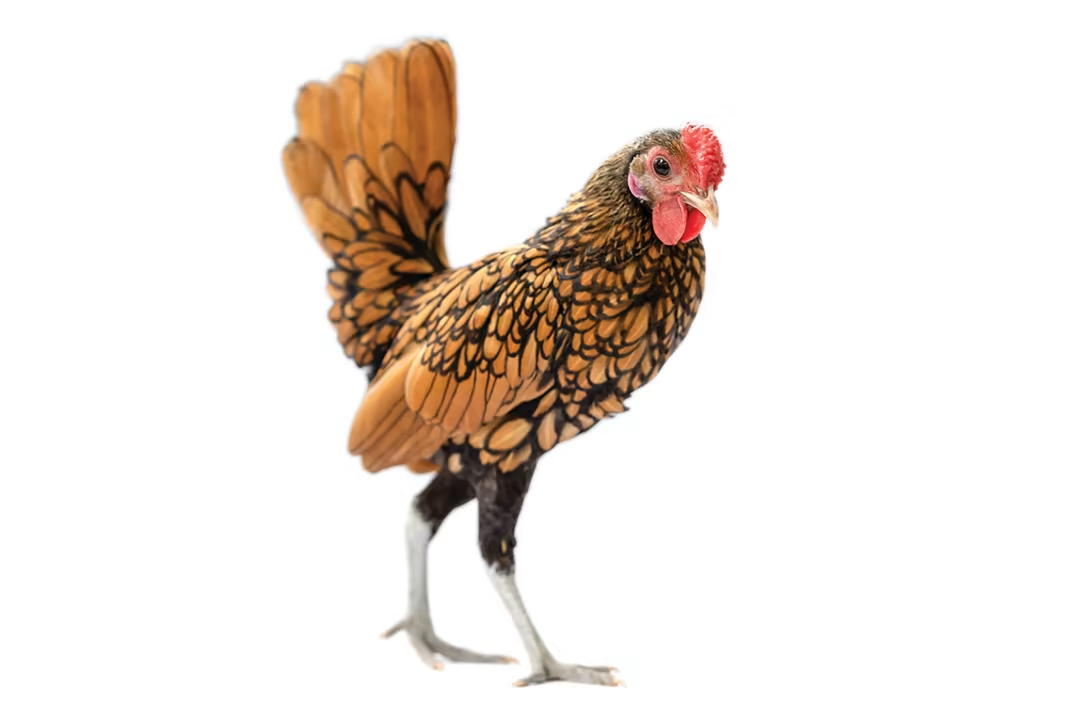
Backyard Chicken Care: Essential Guide for Happy, Healthy Hens
Learn how to take care of a Chicken, recommended diet and habitat setup. Find the right food, supplies and equipment at your neighborhood Petco.
Updated on November 15th, 2025
- New Pet
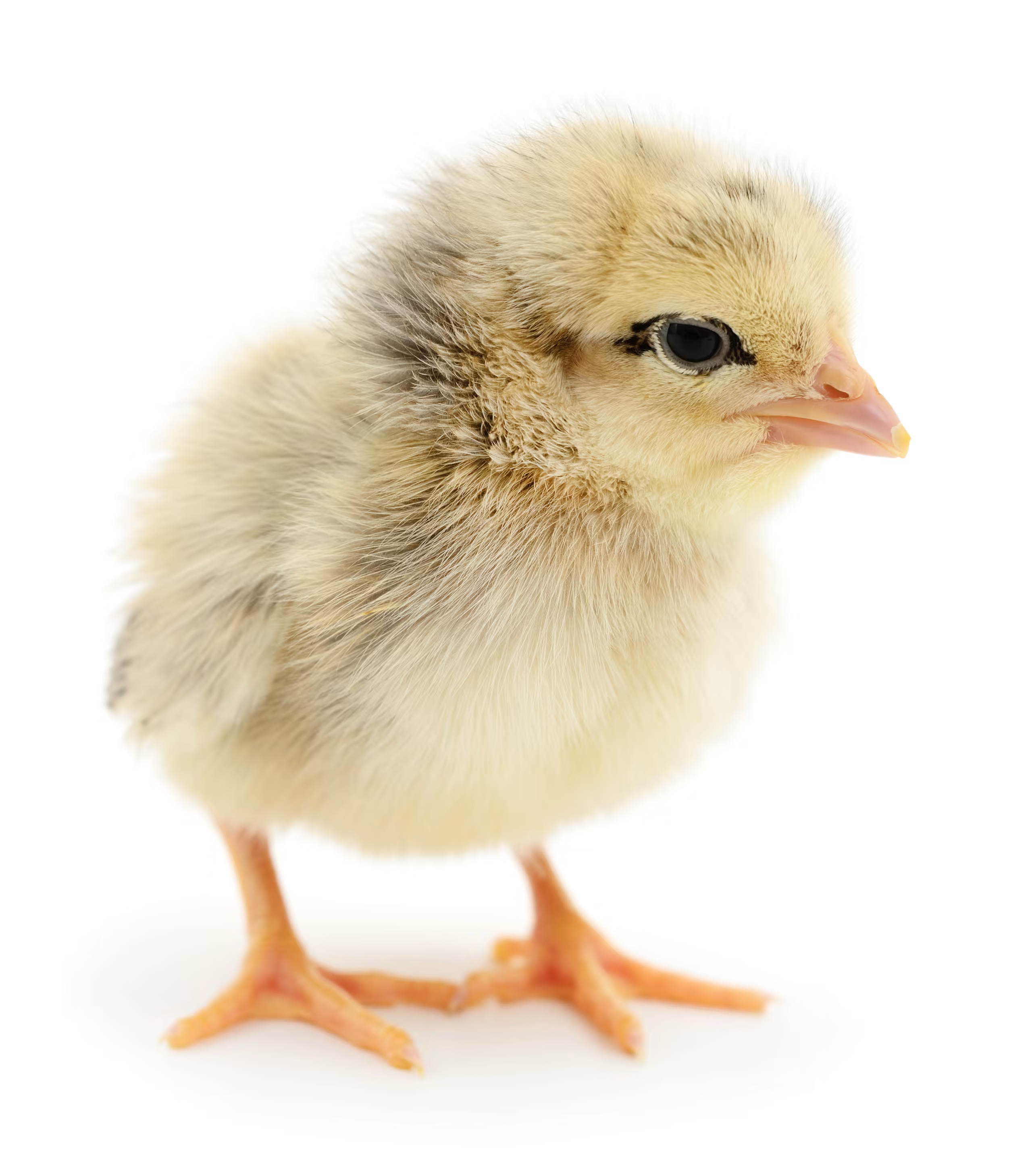
Baby Chick Care: Food, Habitat & Health for Happy, Healthy Chicks
Learn how to take care of a Chick, recommended diet and habitat setup. Find the right food, supplies and equipment at your neighborhood Petco.
Updated on November 15th, 2025
- Health & Wellbeing
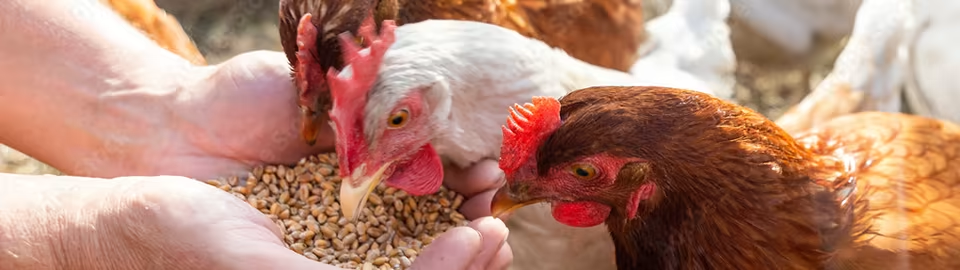
What to Feed Chickens: Safe Fruits, Veggies & Treats for Happy Hens
Do you have questions about what to feed your chicken(s)? Petco has the answers! Visit us to learn about chicken dietary needs.
Updated on November 15th, 2025
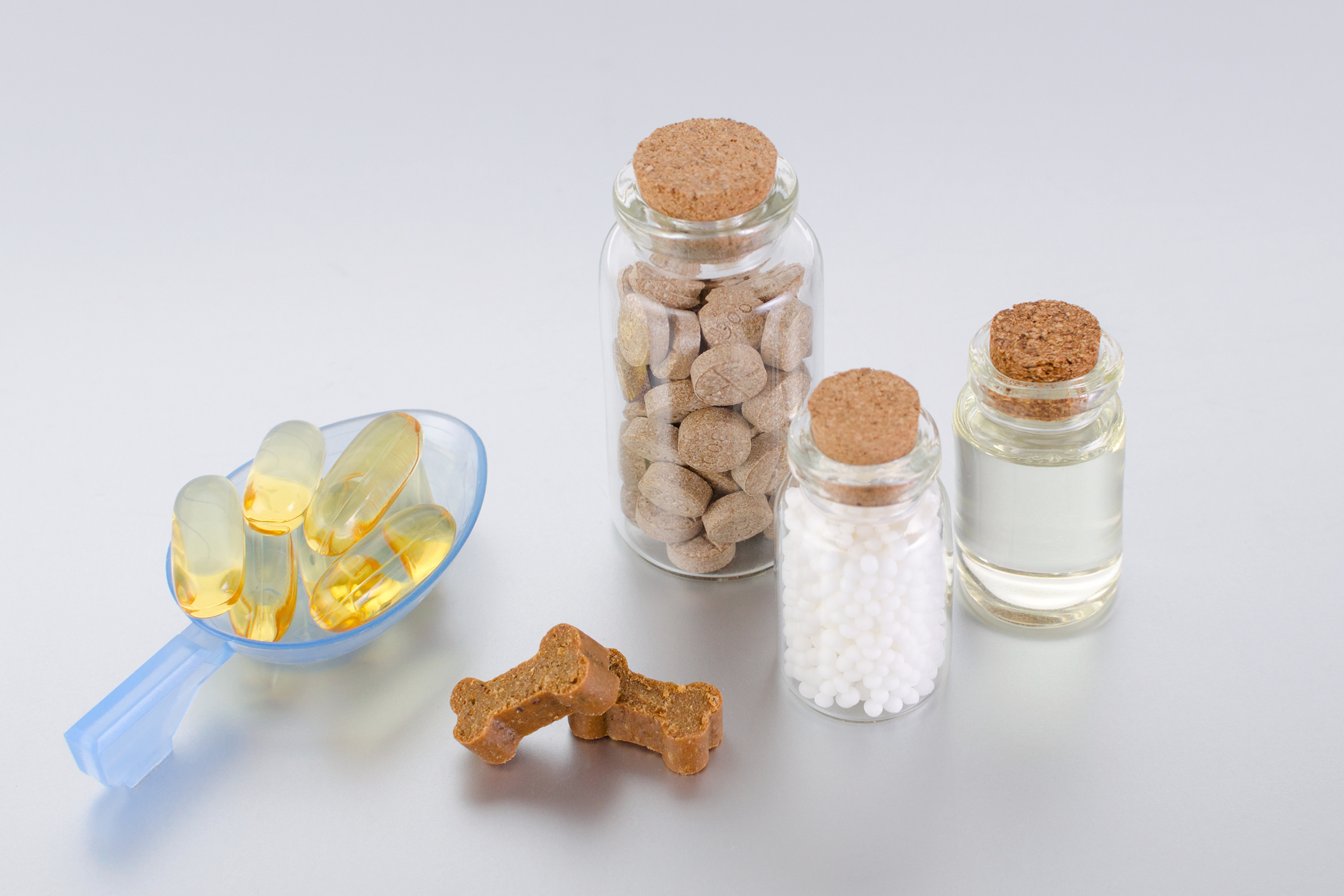 Health & Wellbeing
Unlock Optimal Health: Best Pet Supplements for Your Dog & Cat
Discover how to choose the best supplements for your pet’s health, from essential vitamins to joint support and digestion aids. Learn age-specific and seasonal supplement tips for cats and dogs.
Updated on November 15th, 2025
- New Pet
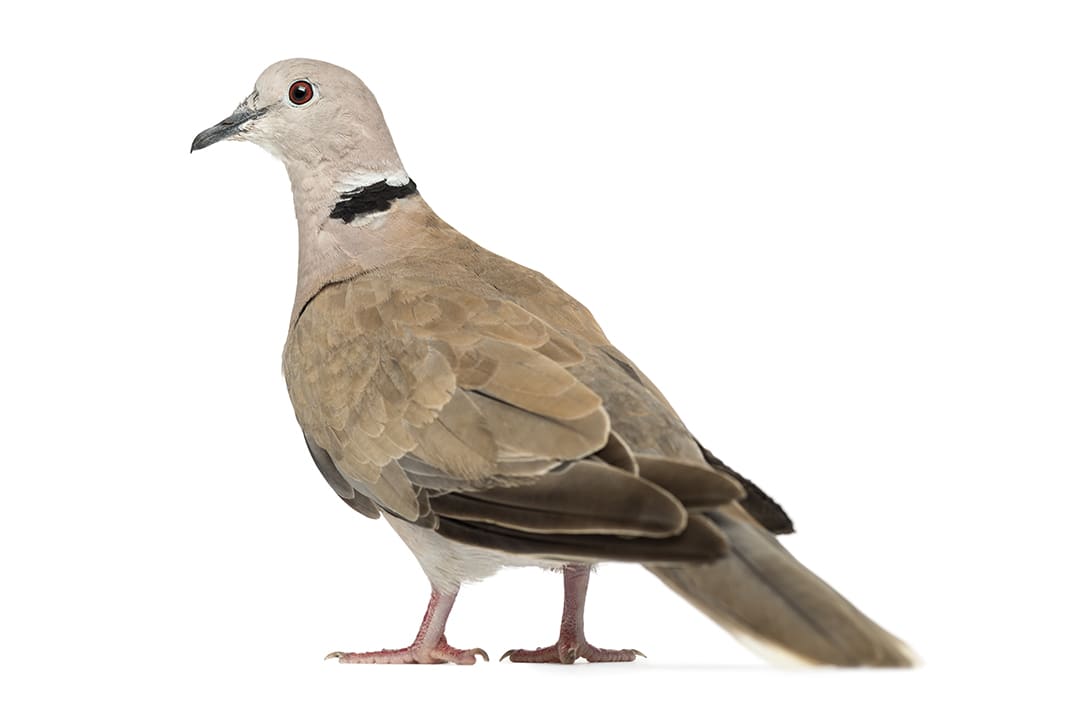
How to Care for Pet Doves: Food, Habitat, & Health for Happy Birds
Learn how to care for your pet dove, recommended diet and cage setup. Find the right food, supplies and equipment at your neighborhood Petco.
Updated on November 15th, 2025
- Health & Wellbeing
what to feed my chickens of about 4 to 6 months of age....and is there some common medicines to be fed...if so..and what food should be given to them please guide
If they are egg layers, feed a layer feed. For chickens raised for meat, feed a grower feed. Vitamins can be added to food or water. Medications should only be administered on the advice of a veterinarian who has physically examined them.
Updated on August 12th, 2025
- Health & Wellbeing
My chicken are sick. Symptoms are look like IBD. Please help me what to do
Without knowing more about the signs that your birds are showing, it is difficult to say what is going on with them. There is a lot of overlap with infectious diseases in chickens, so many of them can look alike. The treatments for them, however, can vary, and need to be initiated by a veterinarian. I would recommend that you contact a veterinarian in your area so that s/he can do a physical exam on at least one of your birds. I was unable to find where you were located based on your zip code, as it did not give any results for the US. There are some regions which have avian diagnostic labs, and many times they have a chicken veterinarian on staff. This may be an option for you depending on your location. At home, you can try supportive care for the birds. Ensuring they have a warm place to go is crucial, so they don’t have to work as hard to keep warm (chicken body temperatures are about 102-104 F). Also make sure they have fresh water and food easily available to them, and monitor t
Updated on August 12th, 2025
- Health & Wellbeing
Do you know of any "virtual" vet exam sites? I can't get in to see a vet until tomorrow and my chicken is having a really hard time breathing and eating. She's wheezing like mad. :( Can you prescribe medicine over the internet for her?
Unfortunately it is not permmitted to prescribe medications without an in-person examination. If Della is having a hard time breathing you can try to see if there is an emergency veterinarian in your area that can see her sooner than tomorrow. Keeping her separated from the flock in a small pen that is cool and dark with access to food and water may help her long enough until you can get to the vet.
Updated on August 12th, 2025
- Food & Nutrition
I have a 2-year-old Golden Sex Link who suddenly started acting disoriented around 7pm yesterday (August 9). She is sitting down quite often and is looking around her as if she doesn't know where she is. She did not eat today but will drink if water
Hello. It is very common to see reproductive disease in chickens including salpingitis & egg yolk peritonitis. If you could bring her indoors where it is a bit cooler, feed her nutritious foods such as cornbread, cooked eggs, even a bit ( not much ) of canned cat food & see if she perks up. Many of these birds are actually in quite a bit of pain, so if there is any way to have her seen by a vet, this would be best. X-rays are often taken in these cases to evaluate the internal organs or see if she is actually egg bound. There is a lot we know about chickens, but sometimes not much we can do to save them. Hope you can have her evaluated soon. Thanks for using Boop by Petco.
Updated on August 12th, 2025
- Health & Wellbeing
My hens all seem to have vent gleet; with whitish droppings on their back feathers. I’ve tried giving apple cider vinegar, probiotics, and yogurt to them and it seemed to help a little but nothing has made it go away. Over the past few days my Olive
If home remedies haven't worked, then it is time to seek out the care of a vet. It is possible there is a bacterial or fungal infection going on that may be causing the symptoms you are seeing and require antibiotic or anti-fungal treatment. Making sure the coop is kept clean and the hens aren't laying in their own droppings can also help keep their bottoms clean if there is no underlying illness. You can also bathe any affected hens to help clean up their bottoms and provide some relief from the irritation. If you have a hen that is acting very ill, I would remove her from the flock and place her into a hospital cage with easy access to food and water until you can be seen by a vet. Separating any other sick birds is also a good idea if you suspect something infectious to keep your remaining hens safe and healthy.
Updated on August 12th, 2025