Two Easy Ways to Start Earning Rewards!
Earn 2X Pals Rewards points at Petco
when you use Petco Pay!
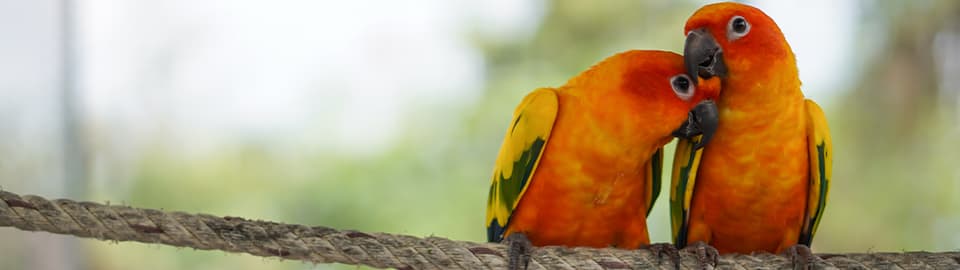
Learn some tips about bringing your new pet bird home for the first time. Find out what supplies and actions will help her feel most at home.
Updated on November 13th, 2025
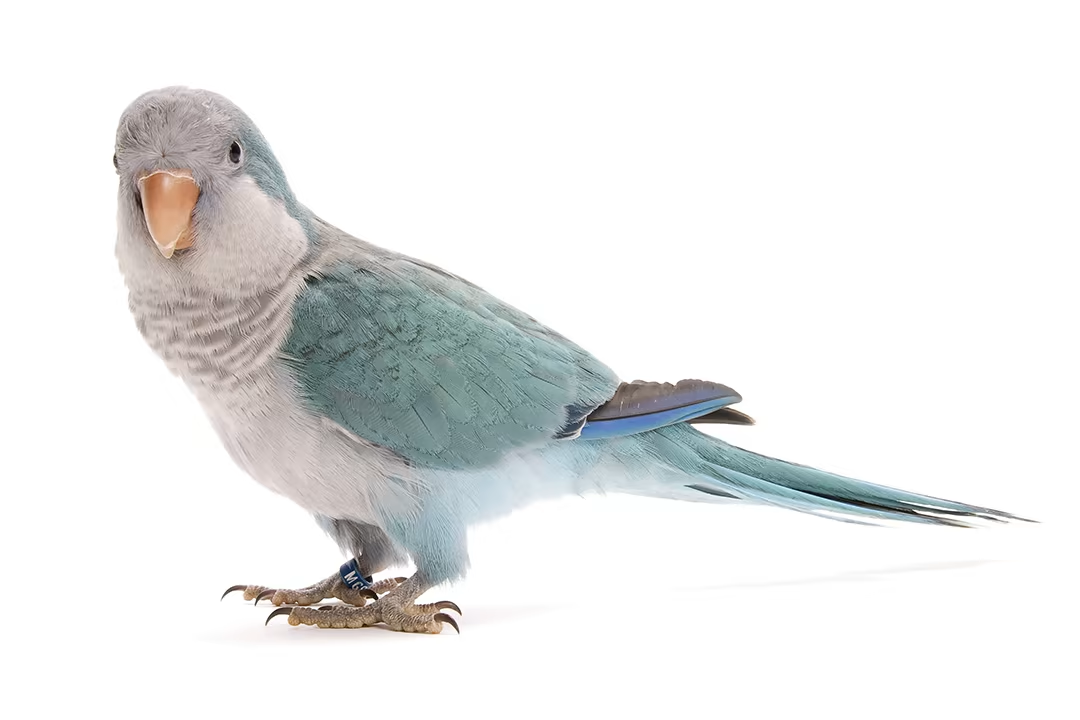
Learn how to care for a medium-sized parakeets, recommended diet & bird cage setup. Find the right food, supplies & equipment at your neighborhood Petco.
Updated on November 13th, 2025
Get prepared to react calmly and efficiently when accidents happen by learning basic bird first-aid skills and putting together a pet bird first-aid kit.
Updated on November 13th, 2025
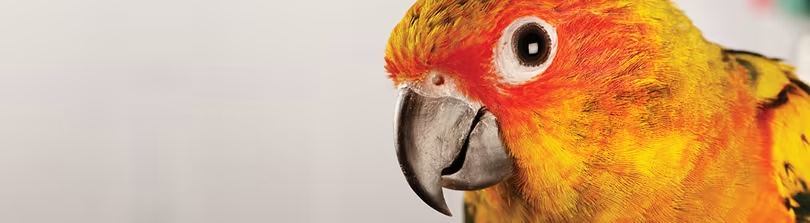
Search Petco for the information needed about your bird’s body language. We will help you look for the signs in your bird & help you communicate with them.
Updated on November 13th, 2025
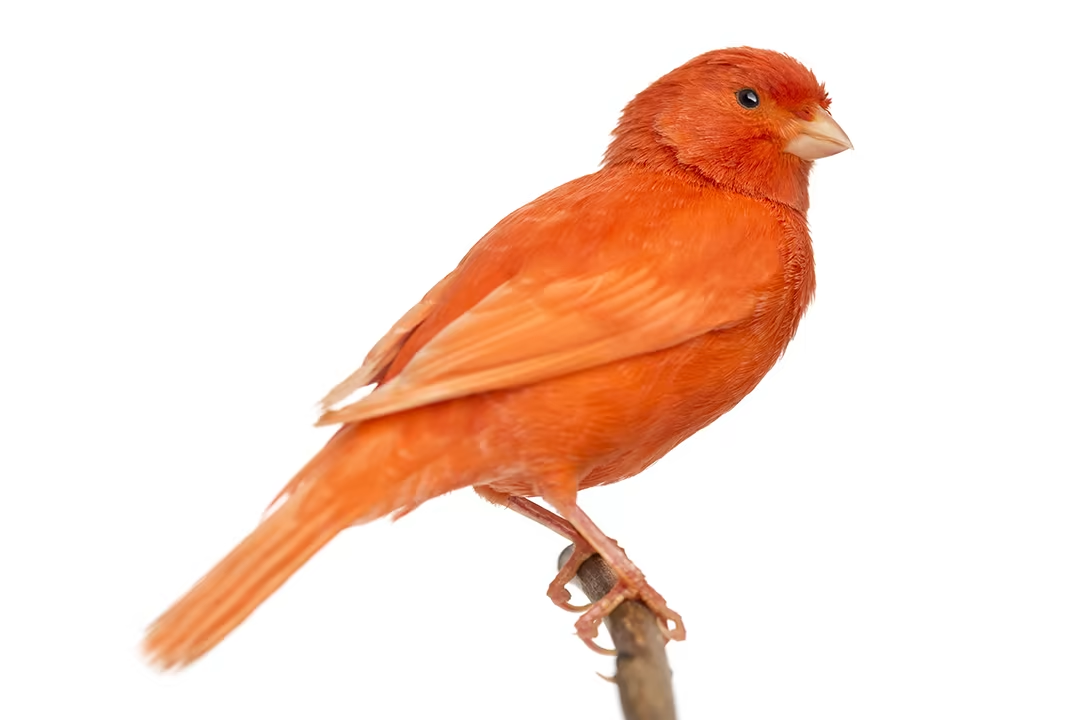
Learn how to care for a Canary, Canary facts, recommended diet and habitat setup. Find the right food, supplies and equipment at your neighborhood Petco.
Updated on November 13th, 2025
Ideally, it should be examined by an experienced wildlife or avian veterinarian. The symptoms reported may be due to injury or infection on or around the feet. It may also be diet related. Dog food and cheese are not appropriate foods as these birds subsist on a diet of small prey, insects, fruits and vegetables. It is never recommended to feed wildlife as it can be detrimental to them and dangerous to you.
Updated on August 12th, 2025
Hello, and thanks for your question. That's a raptor - a bird of prey. It is a carnivore (meat eater), and should absolutely NOT be kept as a pet. It's a wild animal, and many raptors are protected by law. I recommend touching base with your local university and/or veterinary hospital. They should be able to connect you with a local ornithologist (bird expert) or wildlife rehabilitator, who will best be able to care for this bird. Without knowing more about the bird and being able to examine it, I cannot guide you further. Male and female raptors often look very similar, so I can't tell you which it is from these photos. I suspect it's a juvenile (young bird) since it's not immediately flying away from you - so it may not yet be able to live on its own if you were to simply release it, depending on how long it's been captive. I encourage you to do the right thing for this beautiful wild animal, and make sure it finds its way into the hands of someone who is knowledgeable in
Updated on August 12th, 2025
Some toys or changes to the environment are definitely a great way to help reduce boredom. You can look for toys that are soft or fuzzy to encourage preening and chewing behavior, or toys that can move around such as swings or bendy ladders for exercise. Treats that have to be pecked at are also great enrichment. Just be sure to choose toys that are designed for your bird's size and activity level. If you have a pair, you may also want to add in a nest or some nesting material to encourage building and give them extra enrichment.
Updated on August 12th, 2025
If you've found wild baby birds it would be best to try and find a local wildlife rehabilitation center in your area to turn them over to. The biting could be that they have an underlying illness or injury that needs to be treated, or they are hungry/not getting the right nutrition and so are becoming agitated. A wildlife rehab center can ensure they get the correct food, and can treat any injuries so that the birds can be released back into the wild once they are old enough.
Updated on August 12th, 2025
Thanks for reaching out about Sky and including photos. Birds are typically fluffed when cold or ill. A veterinary visit is recommended, sooner than later. Providing heat support can give some aid but is not a cure for illness. As a new bird, moving to a new home can be stressful for a young animal, and suppressing the immune system, allowing subclinical infections to manifest. Good luck.
Updated on August 12th, 2025