Two Easy Ways to Start Earning Rewards!
Earn 2X Pals Rewards points at Petco
when you use Petco Pay!
Get It Today
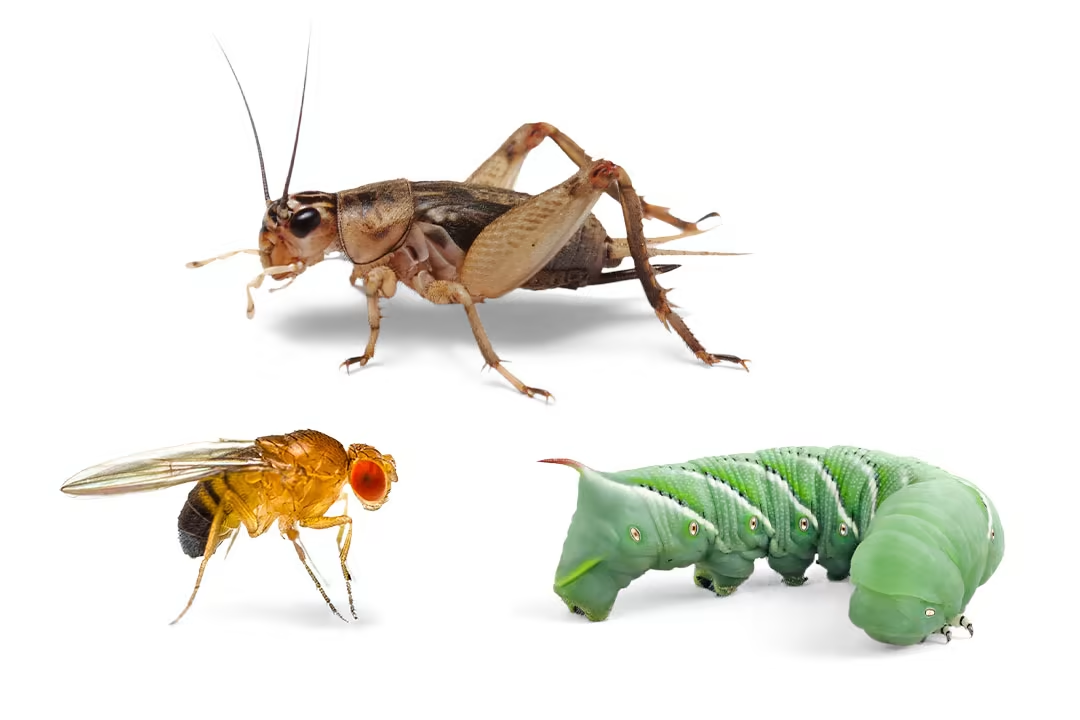
Learn about live insects for reptile feeding, recommended diet & habitat setup. Find the right food, supplies & equipment at your neighborhood Petco.
Updated on November 13th, 2025
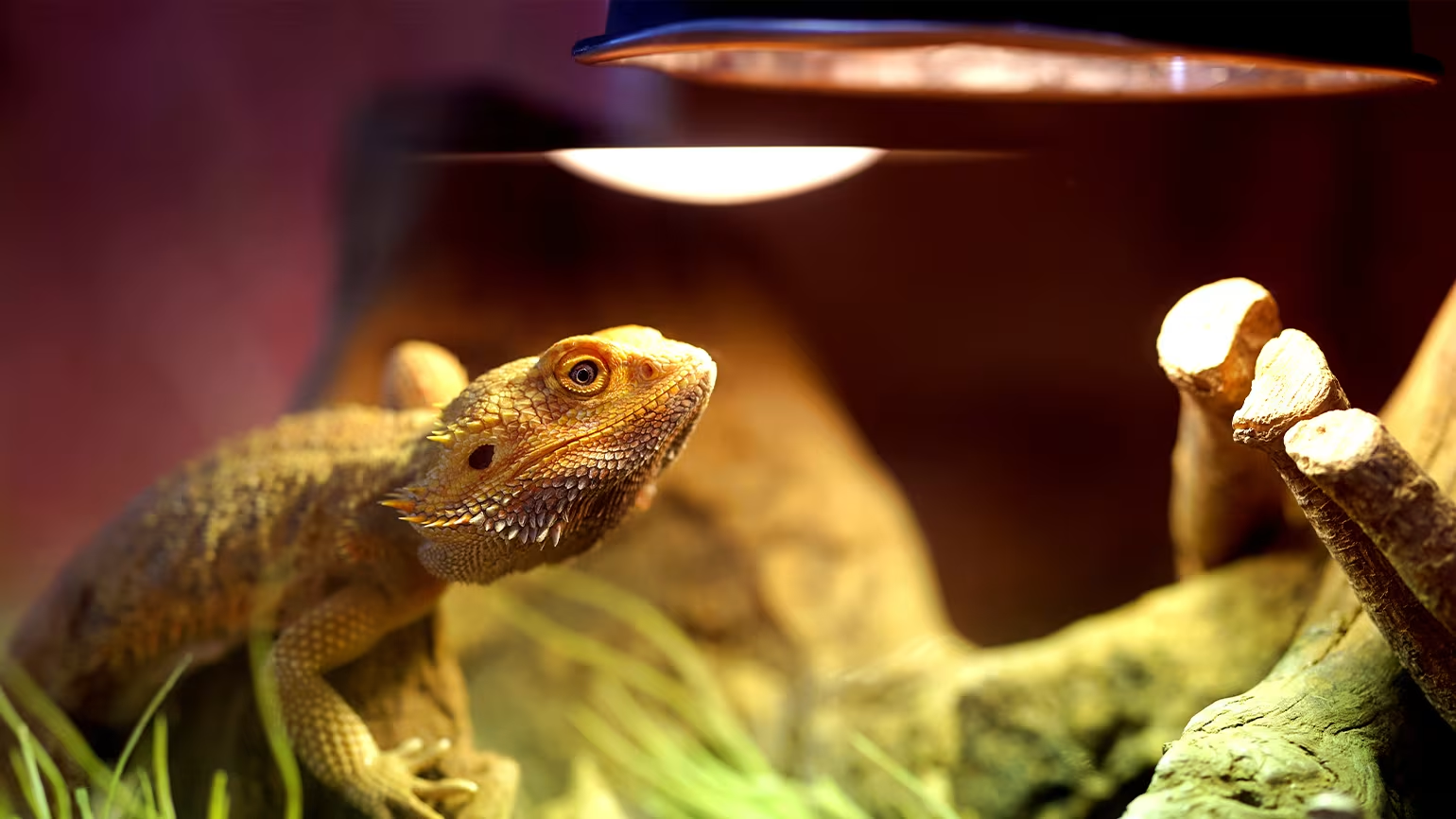
Learn the importance of UVB light for your reptiles and the right reptile lights for your pet’s habitat.
Updated on November 13th, 2025
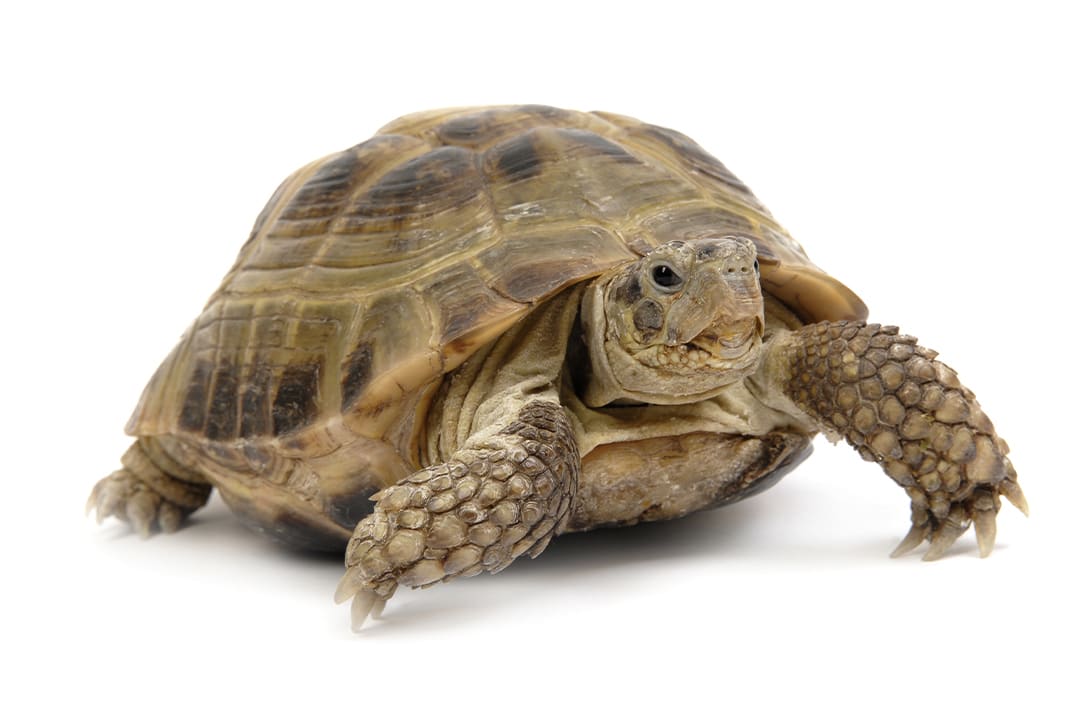
Learn how to care for a tortoise, recommended diet & habitat setup. Find the right food, supplies & equipment at your neighborhood Petco.
Updated on November 13th, 2025
Search Petco for information about metabolic bone disease, which is fairly common in many reptiles. Use our tips to help keep your reptile comfortable.
Updated on November 13th, 2025
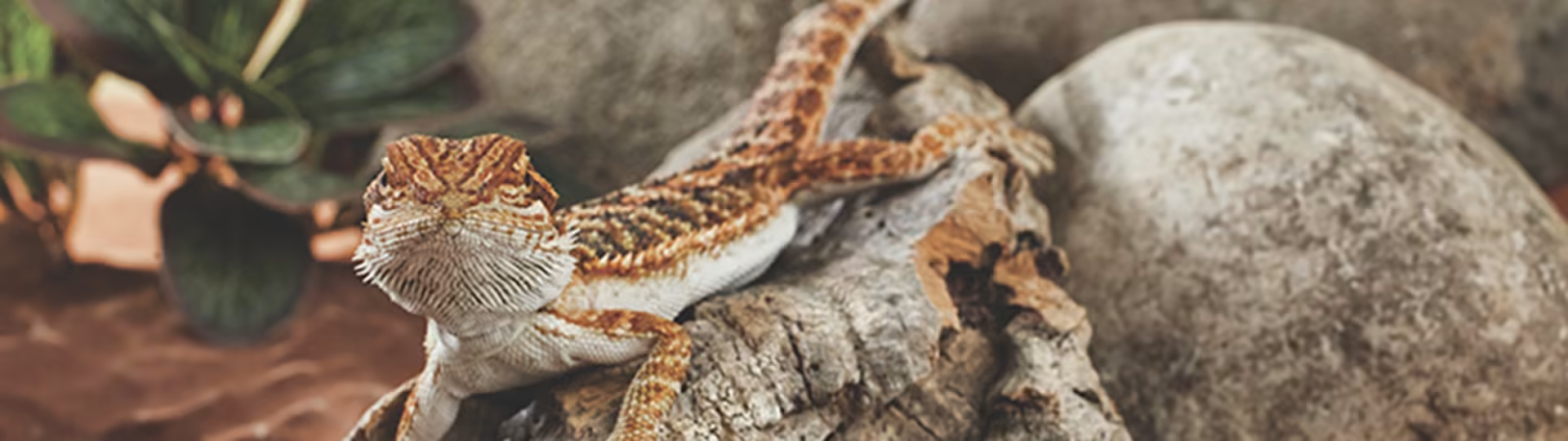
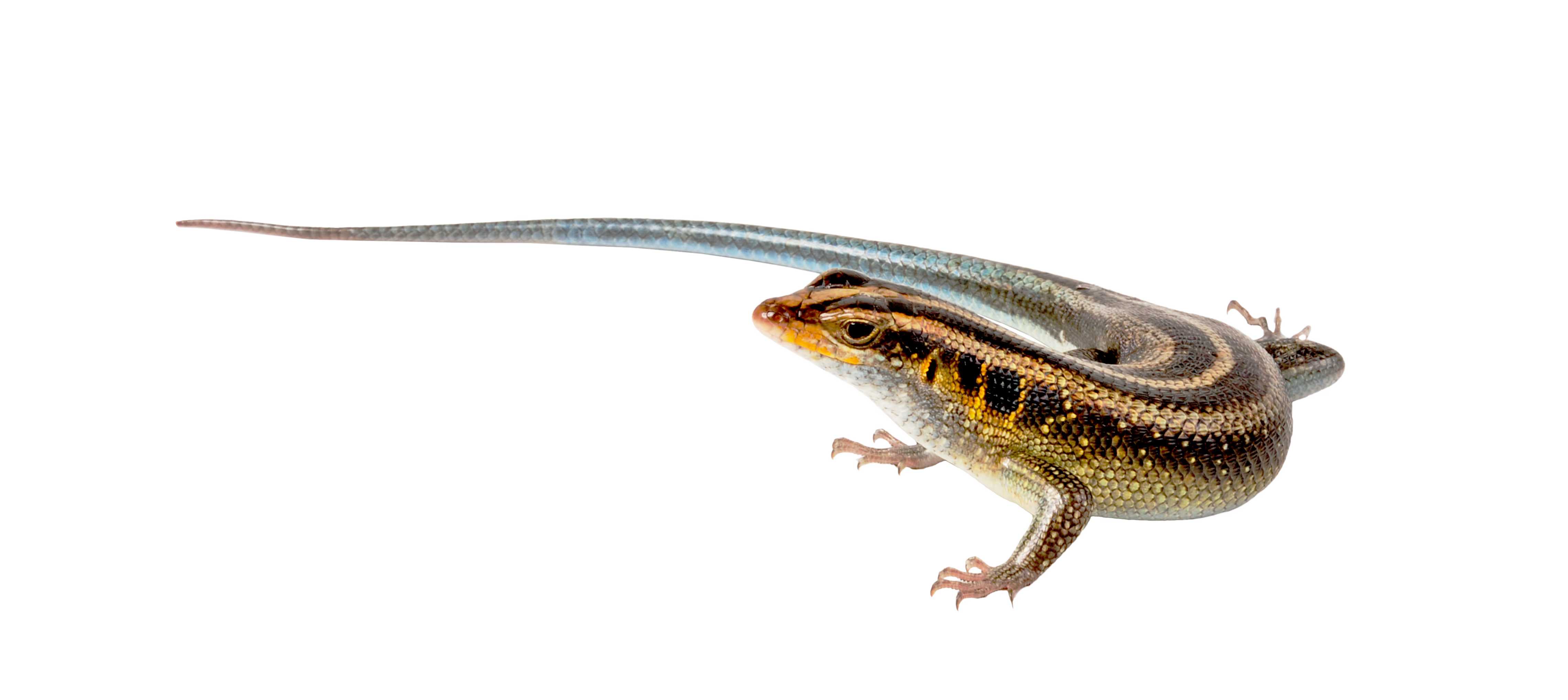
Learn how to care for an Arid Skink, recommended diet and habitat setup. Find the right food, supplies and equipment at your neighborhood Petco.
Updated on November 13th, 2025
Check the water and ambient temperature. Low temps can affect appetite in reptiles. Mae sure the water is not too deep, no deeper than twice his shell length, and keep it clean via filtration or regular water changes. Offer a commercial pellet or stick diet supplemented with dark, leafy greens and some protein (crickets, feeder fish, earthworms). A UVB light source is also critical for shell health as is regular vitamin and mineral supplementation. You can read more about slider care here: http://www.anapsid.org/reslider.html
Updated on August 12th, 2025
Check the water, basking and ambient temperatures. Low temps can affect activity and appetite in reptiles. You may need to add a water heater and heat lamp to get the tank to proper temperature. Squirt will also need UVB lighting. Offer dark, leafy greens instead of fruit. Squirt will also need some animal protein (feeder fish, nightcrawlers, etc) as well as commercial pellets to balance out the diet. A multivitamin supplement and a calcium supplement are also needed to help him grow. You can review slider care at the link below. http://www.anapsid.org/reslider.html
Updated on August 12th, 2025
It would appear this turtle, not a tortoise, is suffering nutritional deficiency. Reptiles require UVB lighting, either natural unfiltered sunlight or artificially produced by an appropriate light source, in a addition to an appropriate diet with adequate calcium and vitamin supplementation. All these things will aid in the development and maintenance of a health shell. The deficiency may be reversible, however the shell may be malformed for years to come if it survives. Ideally, this turtle should be examined by a veterinarian. A specialist can be consulted via phone or online to obtain proper treatment information. In general, turtles need clean water, a heat lamp for basking, a UVA/UVB light source and a dry area for basking. Most are omnivores and will eat small prey (feeder fish, worms, crickets), fresh greens and a commercial pelleted diet. As stated above, they also require calcium and vitamin supplementation. You can find general care information here: http://www.austinstur
Updated on August 12th, 2025
Thanks for reaching out about Zero. The specific species will determine much, but has not been provided. Most aquatic turtles are predominantly carnivorous and will eat a wide variety of insects but should also have nutritional exposure to small fish (for calcium). The will occasionally graze off aquatic lettuces so offering a chopped variety of vegetables could be beneficial. Some aquatic turtles can be sexed by long front fingernails but this is usually later in life. Size is dependent on multiple factors such as nutrition, genetics and other things. Good luck.
Updated on August 12th, 2025
The swollen eyes may be due to a vitamin A deficiency. You can pick up Repti Turtle Eye Drops by Zoo Med ( https://www.petco.com/shop/en/petcostore/product/zoo-med-repti-turtle-eye-drops ) at the local Petco. Follow label directions. Next, maintain pristine water quality via filtration and regular partial water changes. Confirm proper environmental parameters, especially temperature. Low temps can affect activity and appetite in reptiles. The symptoms described could be a respiratory infection. Unfortunately, you will need to see a veterinarian for confirmation and treatment. You can take Jeffrey to the local clinic. The veterinarian may be able to consult with a specialist to devise a treatment plan. The antibiotics used are the same that are used in dogs and cats. Review slider care at the links below. I have also included a link to find the nearest veterinarian with experience treating reptiles. http://www.reptilesmagazine.com/Red-Eared-Slider-Care-Sheet/ http://www.anapsid.or
Updated on August 12th, 2025