Two Easy Ways to Start Earning Rewards!
Become a member today! Members-only pricing and offers, personalized care notifications, Vital Care points back on every purchase and more!
 Become a credit card member today!
Earn 2X Pals Rewards points at Petco
when you use Petco Pay!APPLY NOWLearn More About Petco Pay Benefits
Zilla


Related Articles & Questions
- New Pet
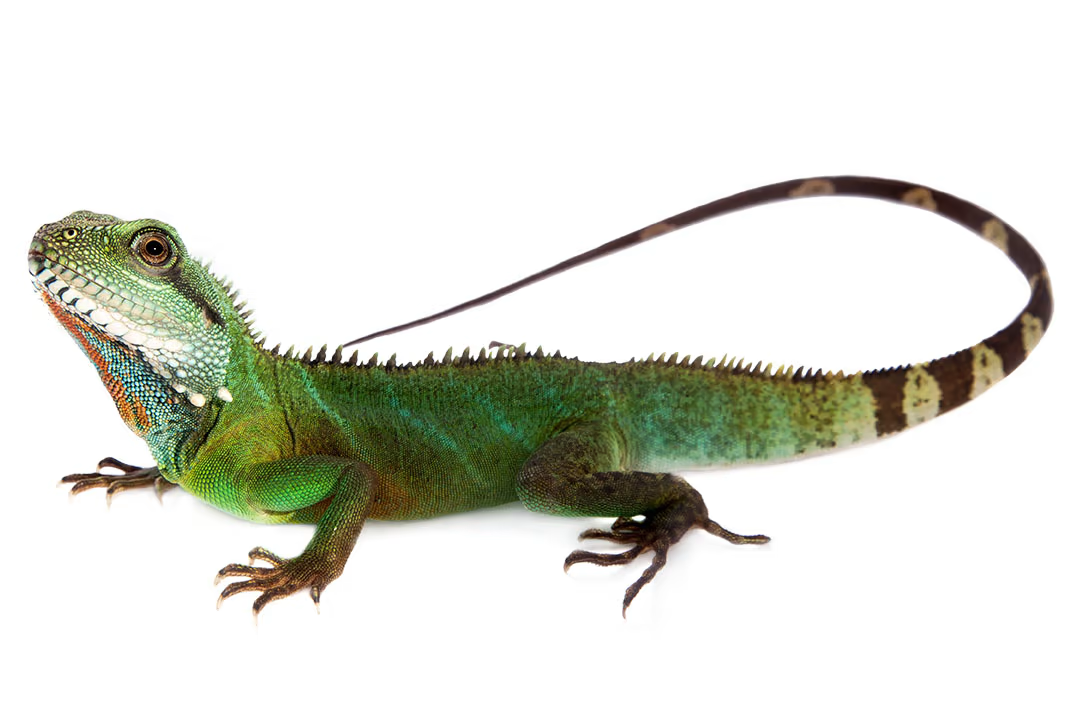
Ultimate Tropical Lizard Care: Habitat, Food & Health for a Happy Pet
Learn how to care for tropical lizards, recommended diet & habitat setup. Find the right food, supplies & equipment at your neighborhood Petco.
Updated on November 13th, 2025
- New Pet
Clean & Disinfect Your Reptile Cage: Keep Your Herp Healthy!
Regular cleaning and disinfecting of your pet's cage and accessories is one of the keys to keeping your reptile healthy. Learn how often you should clean your cage.
Updated on November 13th, 2025
- New Pet
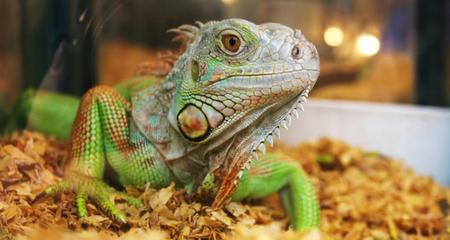
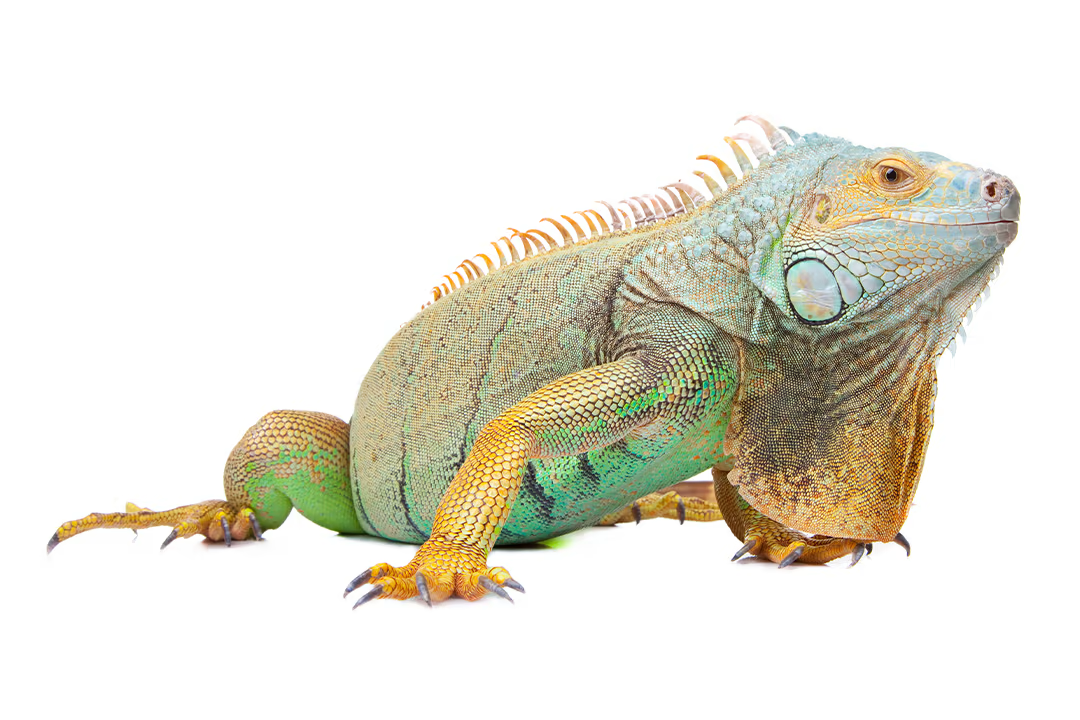
Green Iguana Care: The Ultimate Guide to Food, Habitat & Health
Learn how to take care of your Tropical Iguanas, recommended diet and housing setup. Find the right food, supplies and equipment at your neighborhood Petco.
Updated on November 13th, 2025
- New Pet
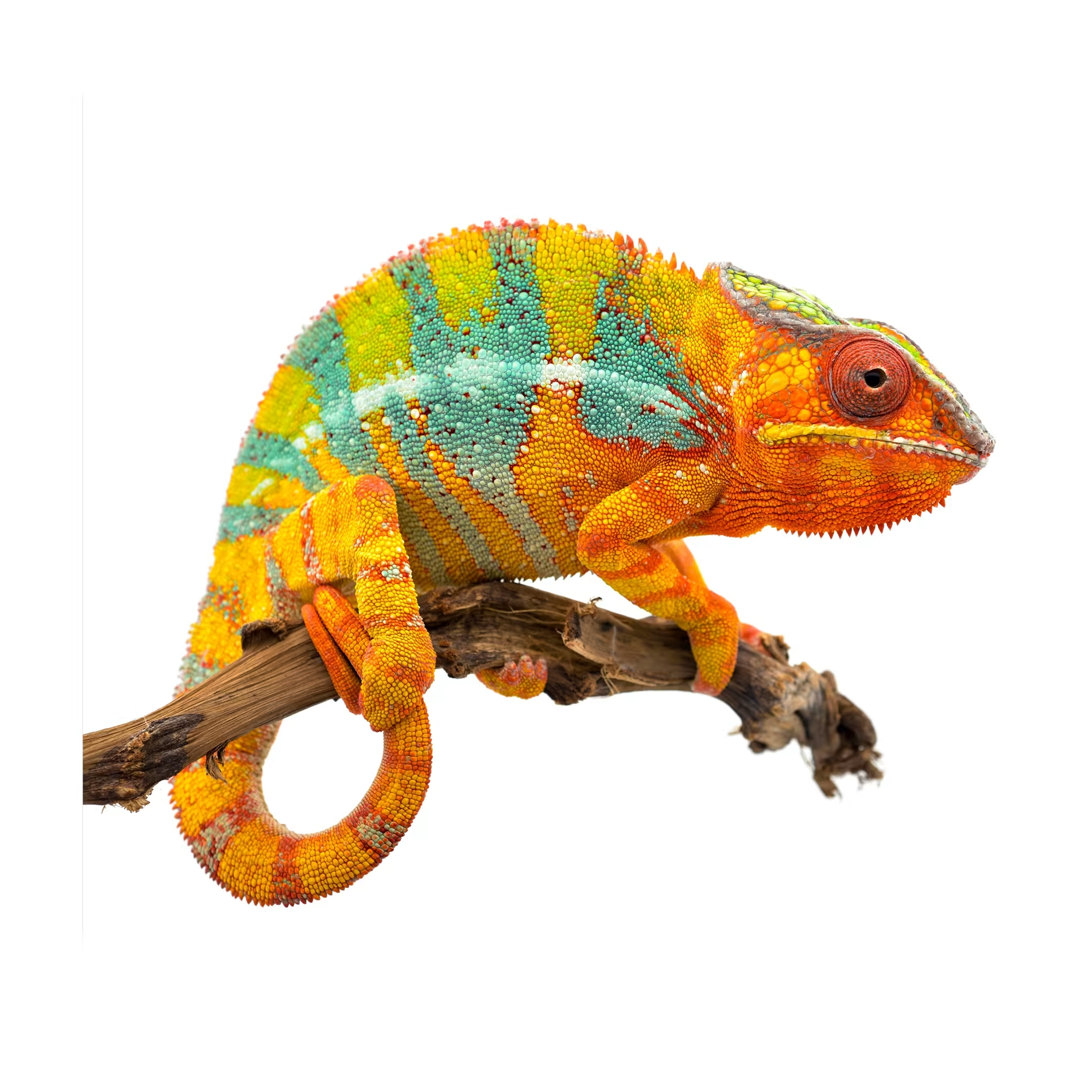
Warm Climate Chameleon Care: Best Food, Habitat & Health Tips
Learn how to care for warm climate Chameleons, recommended diet & habitat setup. Find the right food, supplies & equipment at your neighborhood Petco.
Updated on November 13th, 2025
- New Pet
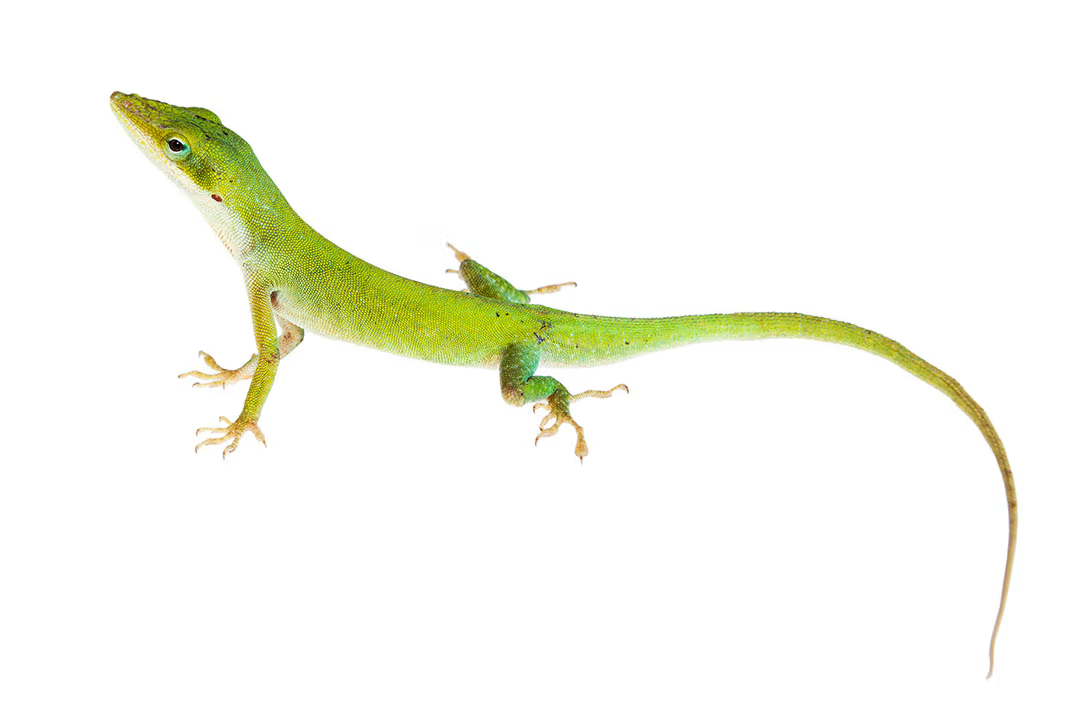
Green & Bahama Anole Care: Your Guide to Habitat, Food & Health
Learn how to take care of Green & Bahama Anoles, recommended diet and tank size. Find the right food, supplies and equipment at your neighborhood Petco.
Updated on November 13th, 2025
- Health & Wellbeing
I have been looking for a Collared lizard but unable to find one, how can I find a local breeder that sells one?
Check out online sources such as LLL Reptile ( www.lllreptile.com ) and DFW Reptarium ( www.dfwreptarium.com ). You can also look up any upcoming reptile shows. A quick search showed ReptiCon ( www.repticon.com ) coming to Grapevine during the summer months.
Updated on August 12th, 2025
- Health & Wellbeing
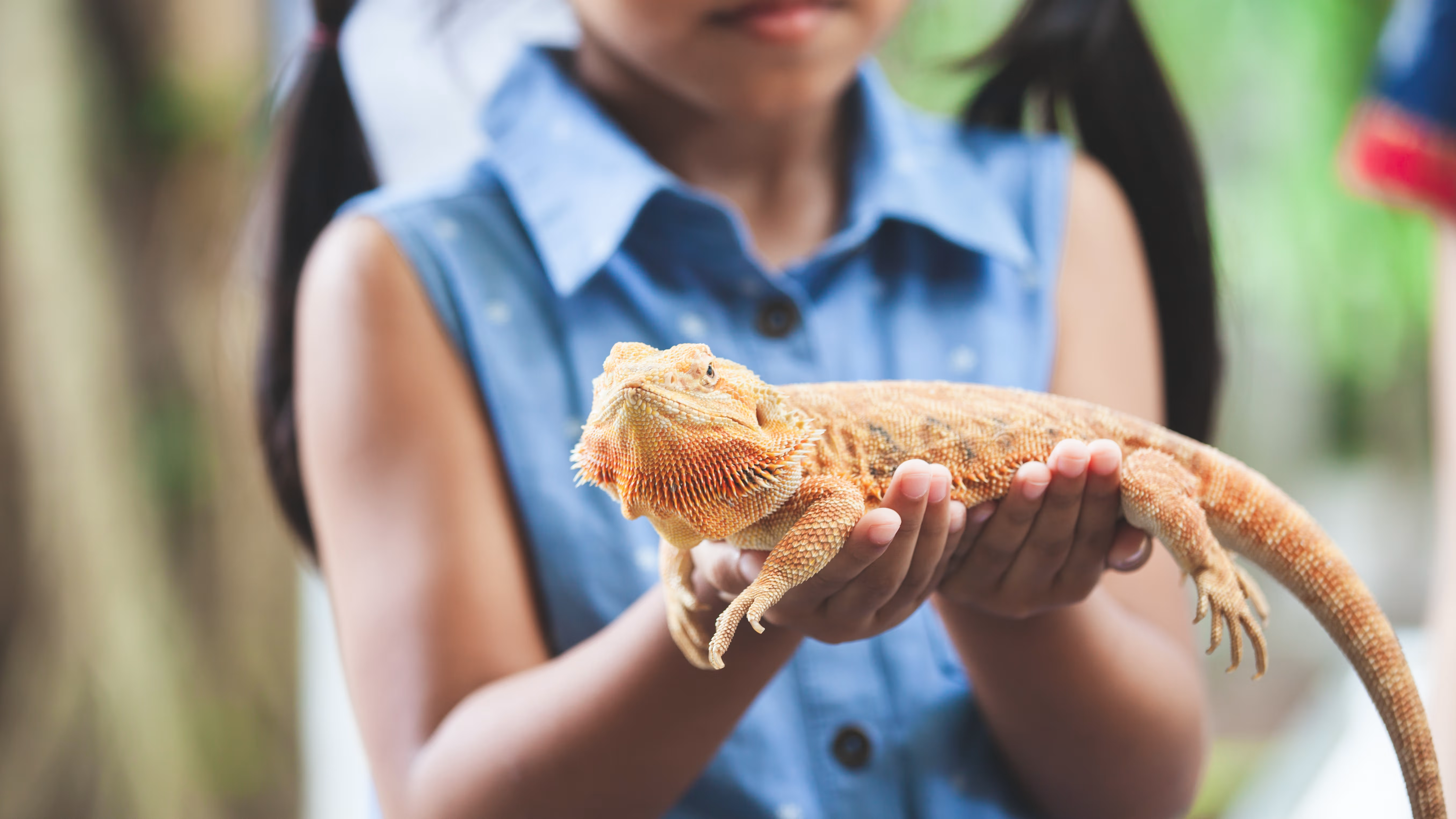
Hello my name is Katie Rodriguez. I have a bearded dragon and for two days know his been acting different. His been popping sticky runny stool, sleeping a lot, not active, and he has black lines on the bottom eye lids.
Hi Katie. Any abnormalities you are seeing with Zillo should be checked out by your vet. I don't see anything outwardly abnormal based on those photos. Most health issues that we see in reptiles is due to improper husbandry (diet, lighting, housing, etc) so I suggest you check and make sure you are doing everything 100% correct. Here is a good reference for you to read about Beaded Dragon husbandry. I also suggest you get him an exam with a reputable reptile vet - he could have intestinal parasites causing that are causing his problems. ( http://www.reptilesmagazine.com/Care-Sheets/Lizards/Bearded-Dragon/ ) If you don't already have a vet that you use, I found this one in your area that will treat reptiles. ( http://applevalleyanimalhospital.com/wellness/avian-exotic/ ) Hope this helps. Best wishes.
Updated on August 12th, 2025
- Health & Wellbeing
He isnt eating well and hasnt had the appetite he used to for a long time also he had some nose rub im wondering what could be wrong if its his enclosure or him being stressed from being close to my chameleon or something i need to take him to the ve
Use a background to block his view. This may prevent glass surfing or nose rubbing as well as provide more privacy/security. Again, check the temps in his enclosure to make sure it is species appropriate. Offer a variety of crickets, mealworms, dubia roaches, silkworms and wax worms. Gut load prey for 24 hours prior to offering. Dust appropriately with vitamins and minerals regularly. He may also benefit from a soak in a warm 50/50 solution of water and unflavored PediaLyte. If his appetite does not return after adjustments to environment and diet, have him examined by your veterinarian or a vet experienced in treating reptiles. Submit a stool sample to diagnose intestinal parasites or bacterial overgrowth.
Updated on August 12th, 2025
- Health & Wellbeing
What is the best gecko or other small reptile for a beginning reptile keeper that is relatively cheap not counting snakes because my boyfriend won't let me have one. One of my local pet stores has tokay geckos and leopard geckos the other one has a c
Leopard geckos are great "starter" reptiles. They don't require special lighting (UVB) like other reptiles. A 20 gallon tank is big enough for one. Add a heat source, hides and a water bowl and you are good to go. You can review gecko care at the links below. http://www.reptilesmagazine.com/Care-Sheets/Lizards/Leopard-Gecko/ http://www.anapsid.org/leopardgek.html
Updated on August 12th, 2025
- Health & Wellbeing
Ever since Ash shed he hasn’t ate much. He’s only ate a couple worms here and there. The same goes for crickets. I have tried so hard to get him to eat better but he doesn’t seem to want to. What should I do?
Often when a reptile doesn’t want to eat, it is a sign that they don’t feel well. The most common reason behind them not feeling well is imperfections in their husbandry and diet. I would recommend consulting an online care sheet to ensure that your husbandry is as perfect as possible. Common areas of imperfection include temperature, lighting, and humidity. I would also recommend having Ash seen by a veterinarian, as they can help to counsel you about Ash’s husbandry as well. In addition to a thorough physical examination, they may recommend diagnostic testing including radiographs (x-rays) and blood work to evaluate systemic health. I hope that gives you a place to start, and thanks for using Boop by Petco!
Updated on August 12th, 2025