Two Easy Ways to Start Earning Rewards!
Earn 2X Pals Rewards points at Petco
when you use Petco Pay!
Get It Today
Read more about our recommendations for preventing the transmission of infectious diseases in reptiles. Keep pets safe with these best practices.
Updated on November 13th, 2025
Do you have questions about what to feed a reptile? Petco has the answers! Visit us to learn about reptile dietary needs.
Updated on November 13th, 2025
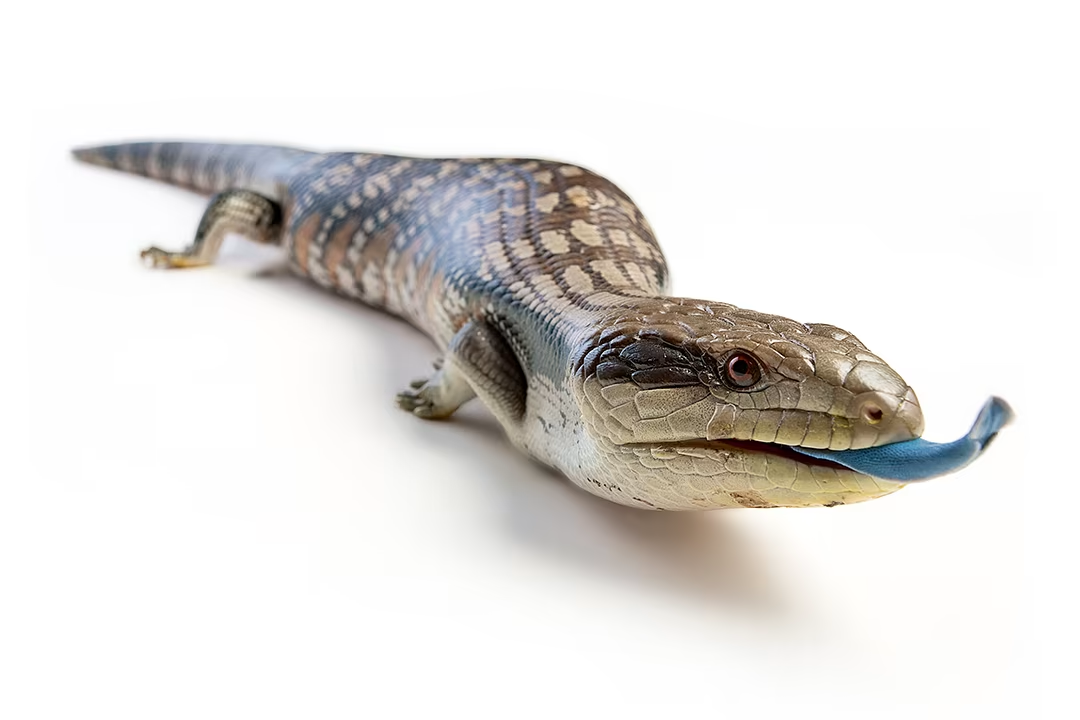
Learn how to care for Blue-Tongued Skink, recommended diet and habitat setup. Find the right food, supplies and equipment at your neighborhood Petco.
Updated on November 13th, 2025
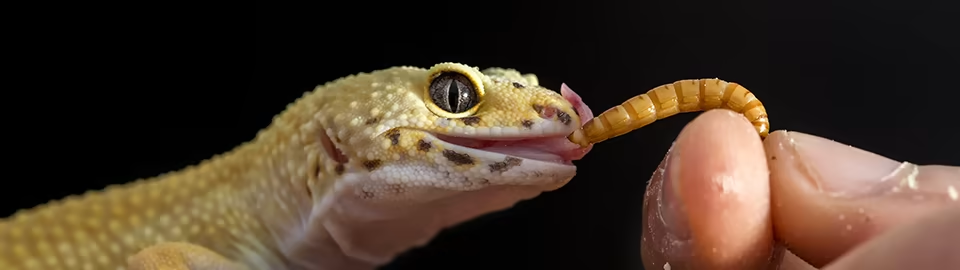
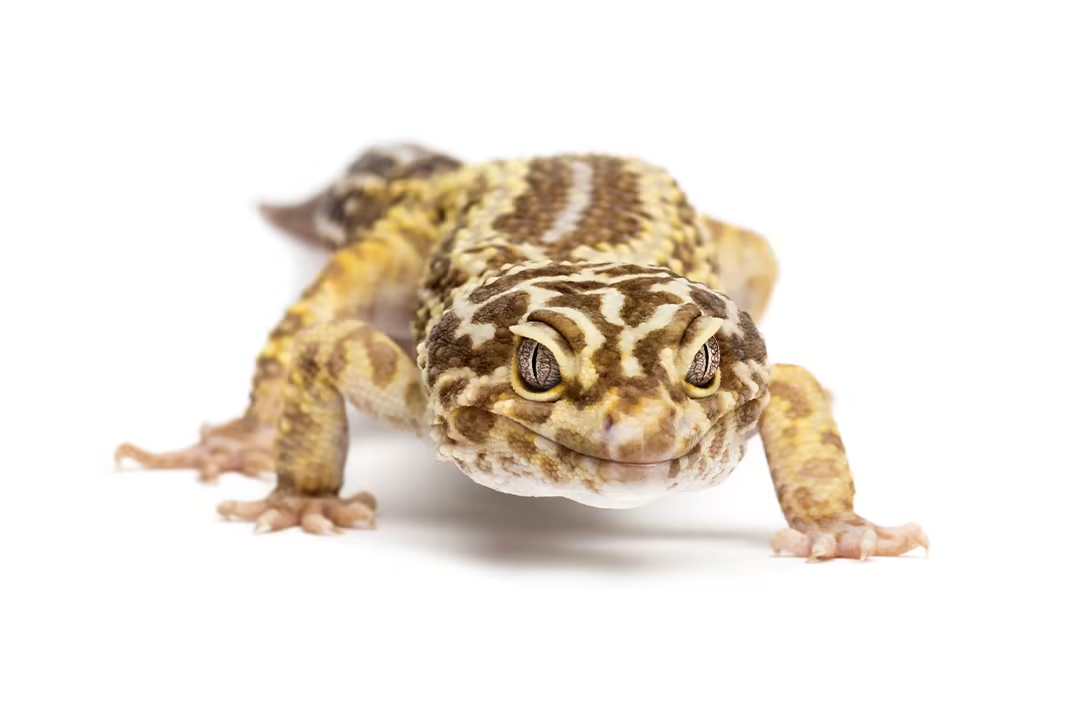
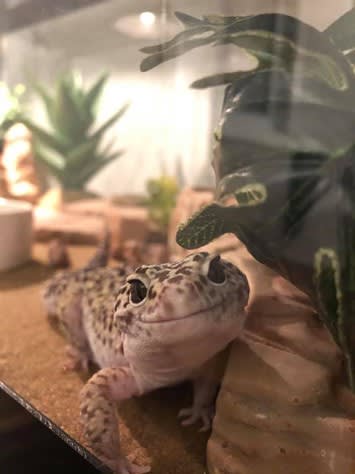
Learn how to care for a Leopard Gecko, recommended diet and habitat setup. Find the right food, supplies and equipment at your neighborhood Petco.
Updated on November 13th, 2025

Picking the best leopard gecko substrate can be an overwhelming task; learn about some great options to help your leopard gecko live a happy & healthy life!
Updated on November 13th, 2025
Once he acclimates to his new home, he may become more active. Ball pythons are mostly nocturnal also, so if the room is bright he may seek dark spots and come out at dusk or overnight. Keep a large bowl of water in the tank. A deep layer of porous substrate may hold moisture longer. You can even add some moss. Use a hygrometer to monitor humidity. If it's too high, you can predispose your python to respiratory infection.
Updated on August 12th, 2025
That would be fine. A 30 to 40 gallon tank is recommended for most adult ball pythons. This will save time and money since a baby ball python will eventually outgrow a 20 gallon tank. I always recommend getting the largest tank your budget and space allow. Be sure to have a thermometer on each end as well as at the basking spot. A hide at each end would also be recommended.
Updated on August 12th, 2025
Those could be burns, abrasions or infection. Check for proper temperature in the enclosure. Remove any furniture that may be causing abrasions. Confirm proper humidity which can promote bacterial or fungal overgrowth. Lucy should be examined by your veterinarian or an experienced herp vet to definitively diagnose the condition. She may need to have the area cleaned and dressed or she may need antibiotics.
Updated on August 12th, 2025
It depends on who you ask, but I would consider Strangle to be a juvenile python. When he reaches about a year old, he would them be considered an adult python. Since he is still growing, consider feedin him every 5-7 days. When he is older/bigger, you can stretch out that time between feedings.
Updated on August 12th, 2025
If there is discharge, this may mean infection. Have Butters examined by an experienced herp veterinarian for diagnosis and treatment. It may indeed be advanced scale rot or a burn. You can request a consultation to share images. It may also be a bad shed if Butters has shed recently. Until he sees the vet, keep him on paper towels or other substrate that is easily cleaned and won't contaminate or stick to his abdomen. If you have a heat rock or UTH, check the rheostat to make sure it is still functioning.
Updated on August 12th, 2025