Two Easy Ways to Start Earning Rewards!
Earn 2X Pals Rewards points at Petco
when you use Petco Pay!
Get It Today
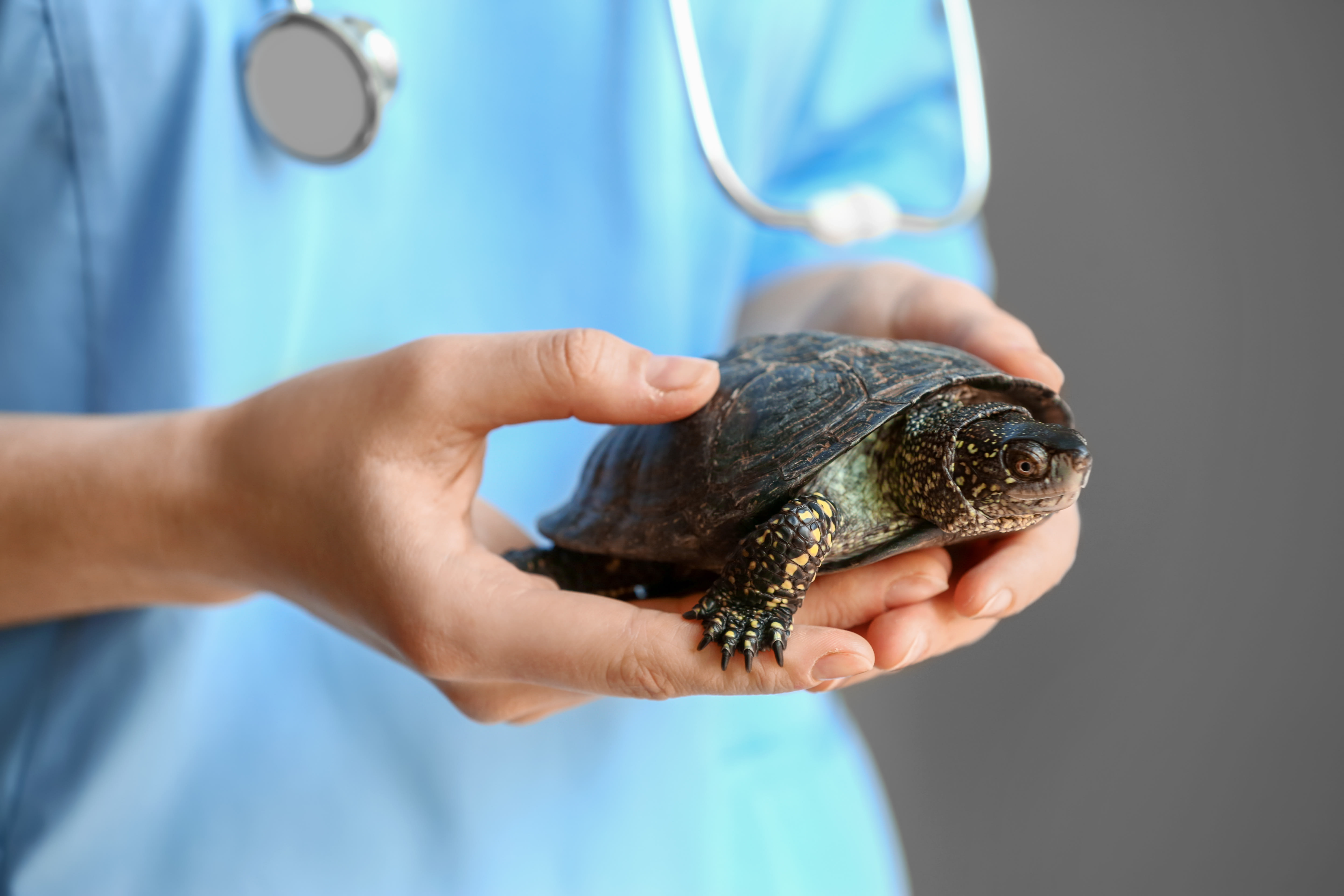
Read these guidelines about handling reptiles to provide a safe and fun environment for your pet, friends and family.
Updated on November 13th, 2025
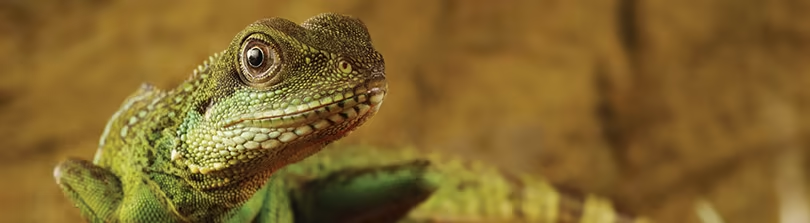
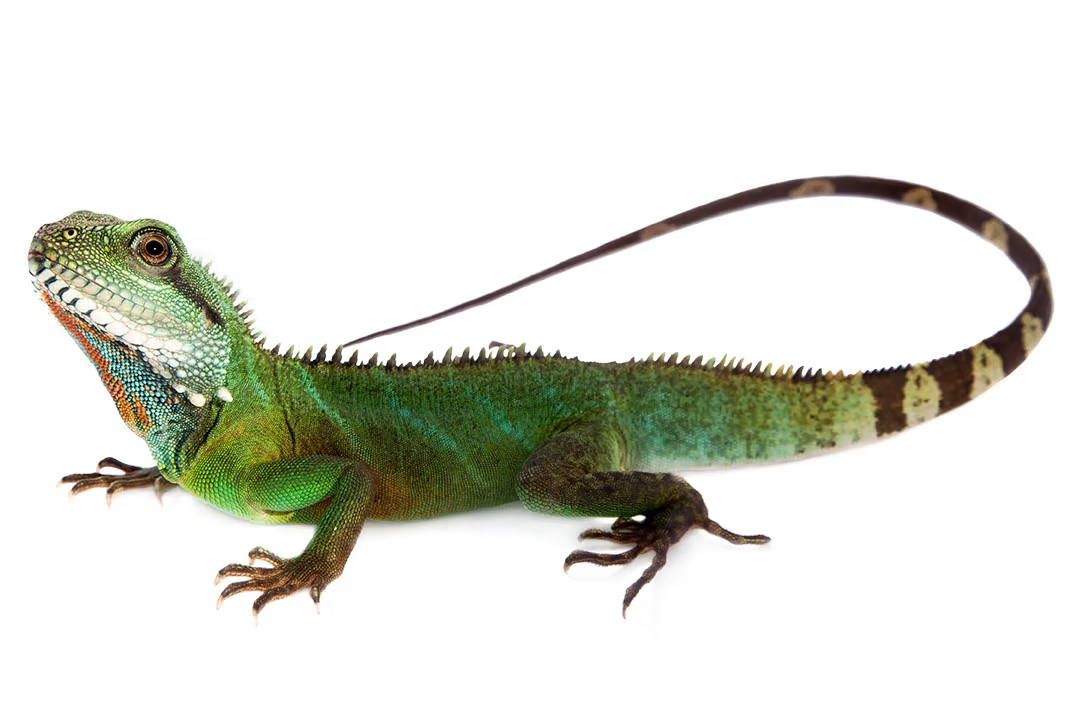
Learn how to care for tropical lizards, recommended diet & habitat setup. Find the right food, supplies & equipment at your neighborhood Petco.
Updated on November 13th, 2025

A few ideas to use to get your pet safely through a power outage, regardless of the time of year.
Updated on November 13th, 2025
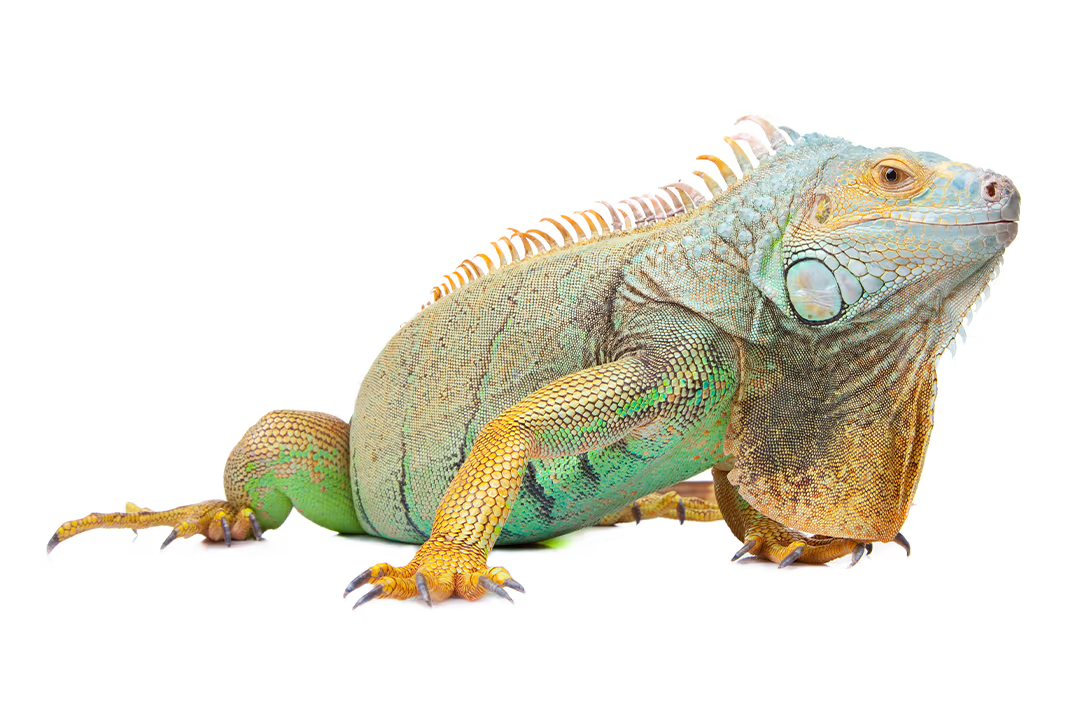
Learn how to take care of your Tropical Iguanas, recommended diet and housing setup. Find the right food, supplies and equipment at your neighborhood Petco.
Updated on November 13th, 2025
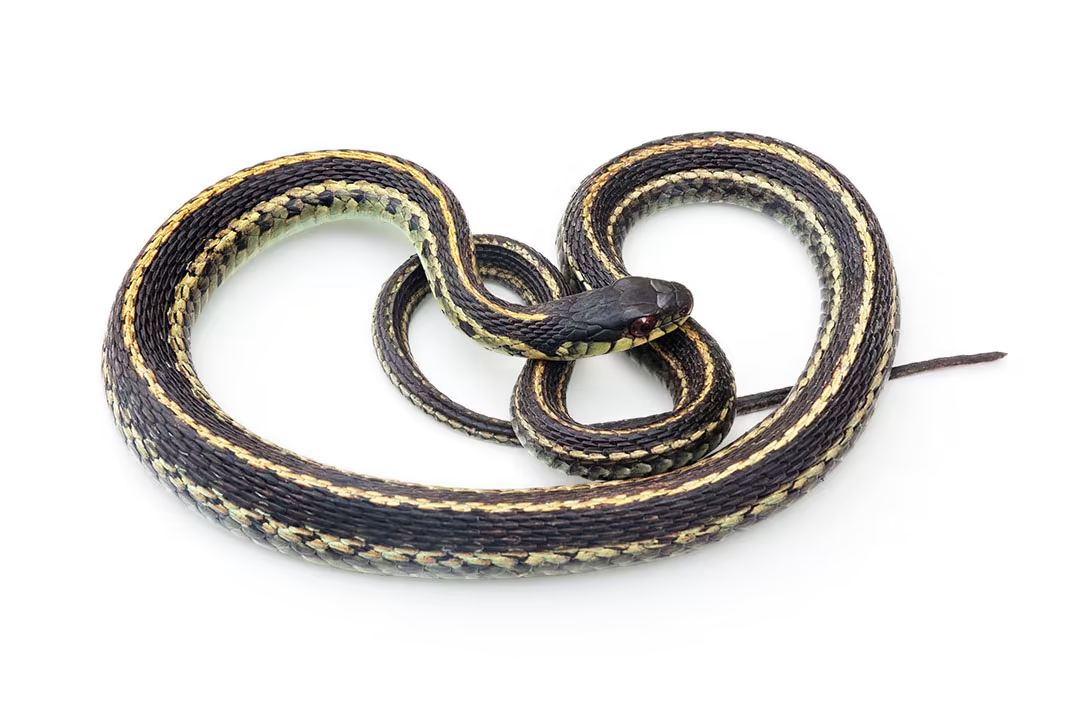
Learn how to take care of Garter & Water Snakes, recommended diet and habitat setup. Find the right food, supplies and equipment at your neighborhood Petco.
Updated on November 13th, 2025
You must treat both the environment and the pet. You can try some over the counter products but many can be ineffective if the environment is not treated concurrently. Ivermectin can be dispensed by your veterinarian to use systemically or topically. Do not treat with ivermectin without the advice of your veterinarian as it is quite easy to overdose. A 30 minute soak in a diluted Betadine bath can remove most mites and may soothe irritated skin. Remove the substrate, bag it and take it outdoors. Clean and sanitize the cage, bowls and tank furniture. You can use hot, soapy water followed by a 1:30 dilution of bleach and water followed by a thorough rinsing on the tank, bowls and non porous surfaces. Discard anything that cannot be sanitized. You may need to clean and sanitize the enclosure weekly for several weeks. The pet may need multiple treatments as well.
Updated on August 12th, 2025
An adult slider should have at least 10 gallons of water per inch of shell length. Bigger is always better though, so if budget and space allow then try for a 75 or even 90 gallon tank. Provide a UVB light source unblocked by glass, plexiglass or fine mesh. Heat sources (for the water and for basking out of the water) are also necessary. A basking platform out of the water should be provided. Use a filter that is rated for at least twice the volume of any tank you choose. This will help maintain water quality. You can read more about keeping sliders at the links below. http://www.anapsid.org/reslider.html http://www.reptilesmagazine.com/Red-Eared-Slider-Care-Sheet/
Updated on August 12th, 2025
A fish tank will need a filter, a light/hood and a heater. Make sure the filter is rated for at least twice the tank volume. The heater should be adjustable since water temperature will depend on the species of fish. Good "starter" fish include Tetras, Mollies, Danios or Tetras. A new tank should be set up and left running empty for several weeks before adding fish. A pinch of flake food can be sprinkled in daily. This "cycling" will allow a population of beneficial bacteria to colonize the tank and filter. These bacteria will break down wastes (ammonia, nitrites and nitrates) which are toxic to fish.
Updated on August 12th, 2025
A proper diet for red-eared sliders includes a complete pellet, such as those made by ReptoMin, and dark leafy green vegetables. This can be fed once per day, and the amount should be based on how many pellets Cooper can eat in 5-7 minutes. This is just a guideline, and your veterinarian can help you to determine if this is appropriate based on Cooper's body condition score (i.e. whether she is overweight or not). For a heat lamp - photo 1 just looks like the dome, and there doesn't appear to be a bulb in it. The second lamp looks like it is a daytime only heat lamp - it is often beneficial to have a heat source that can be used during the day or at night, and if that is what you are looking for, I would recommend a ceramic heat bulb. If you are looking for only a daytime basking bulb, there are many brands that would be appropriate. The key words that you should look for are "daytime basking bulb." For watts - it depends on how far the bulb is away from your turtle - there are some b
Updated on August 12th, 2025
An acceptable substrate would be river rocks or large gravel. Anything smaller could potentially be ingested causing an impaction or obstruction. You could also leave the bottom bare. The basking area doesn't necessarily need substrate. A ramp out of the water leading to a simple platform is acceptable.
Updated on August 12th, 2025