Two Easy Ways to Start Earning Rewards!
Earn 2X Pals Rewards points at Petco
when you use Petco Pay!
Get It Today
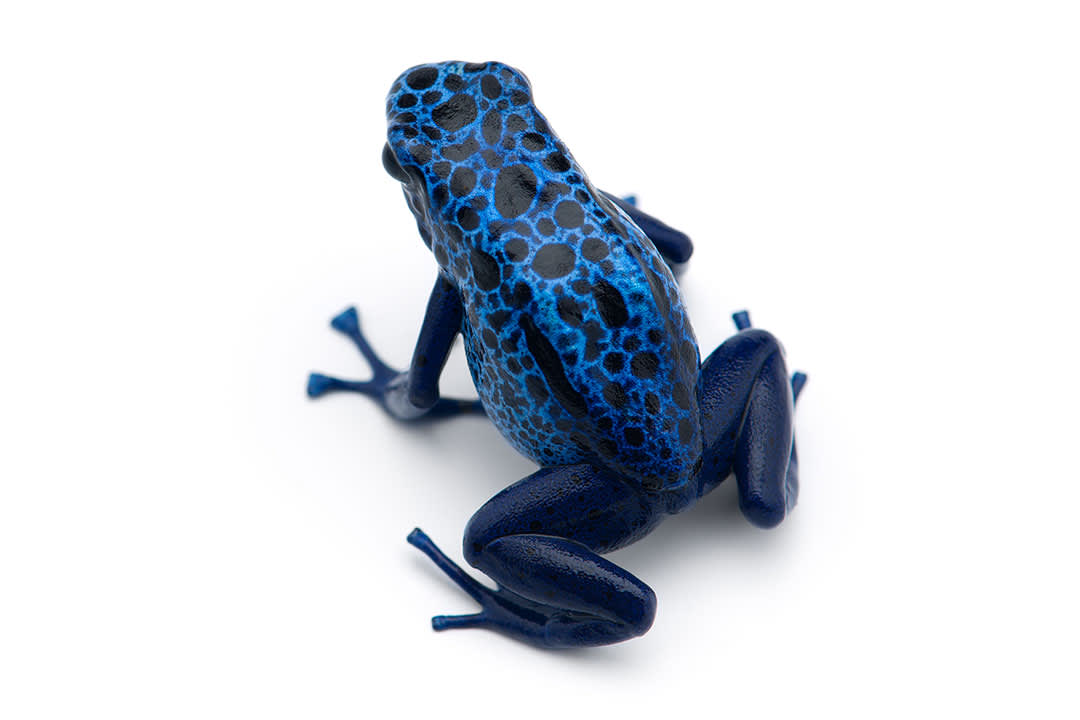
Learn how to care for small Terrestrial Frogs, recommended diet and habitat setup. Find the right food, supplies and equipment at your neighborhood Petco.
Updated on November 13th, 2025
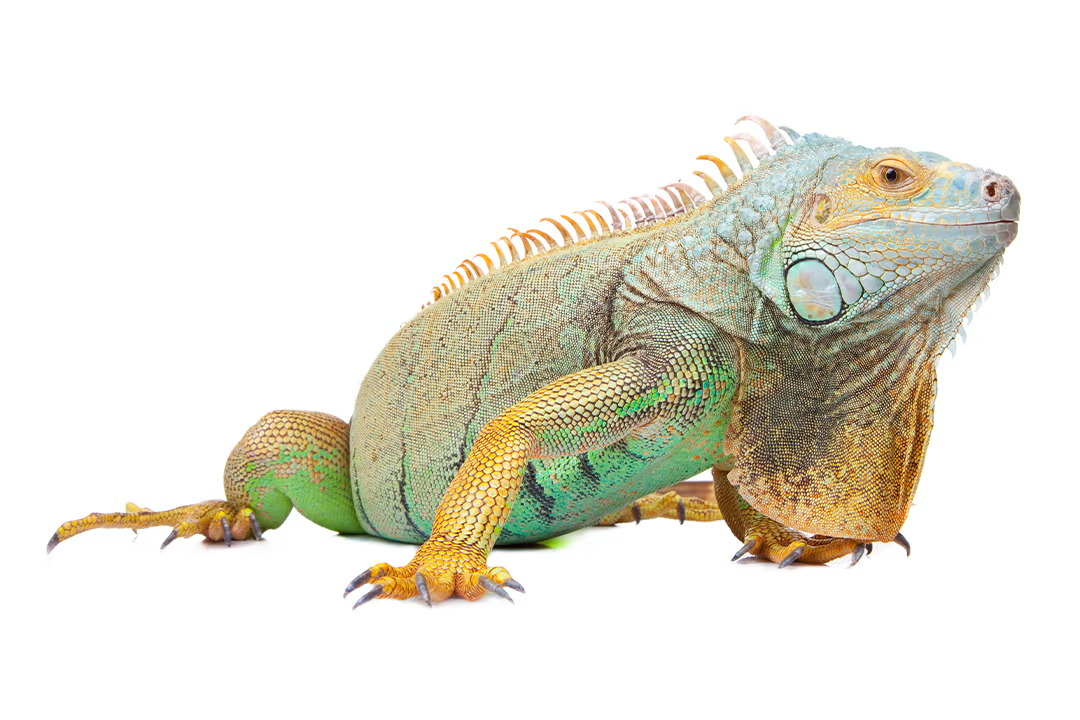
Learn how to take care of your Tropical Iguanas, recommended diet and housing setup. Find the right food, supplies and equipment at your neighborhood Petco.
Updated on November 13th, 2025
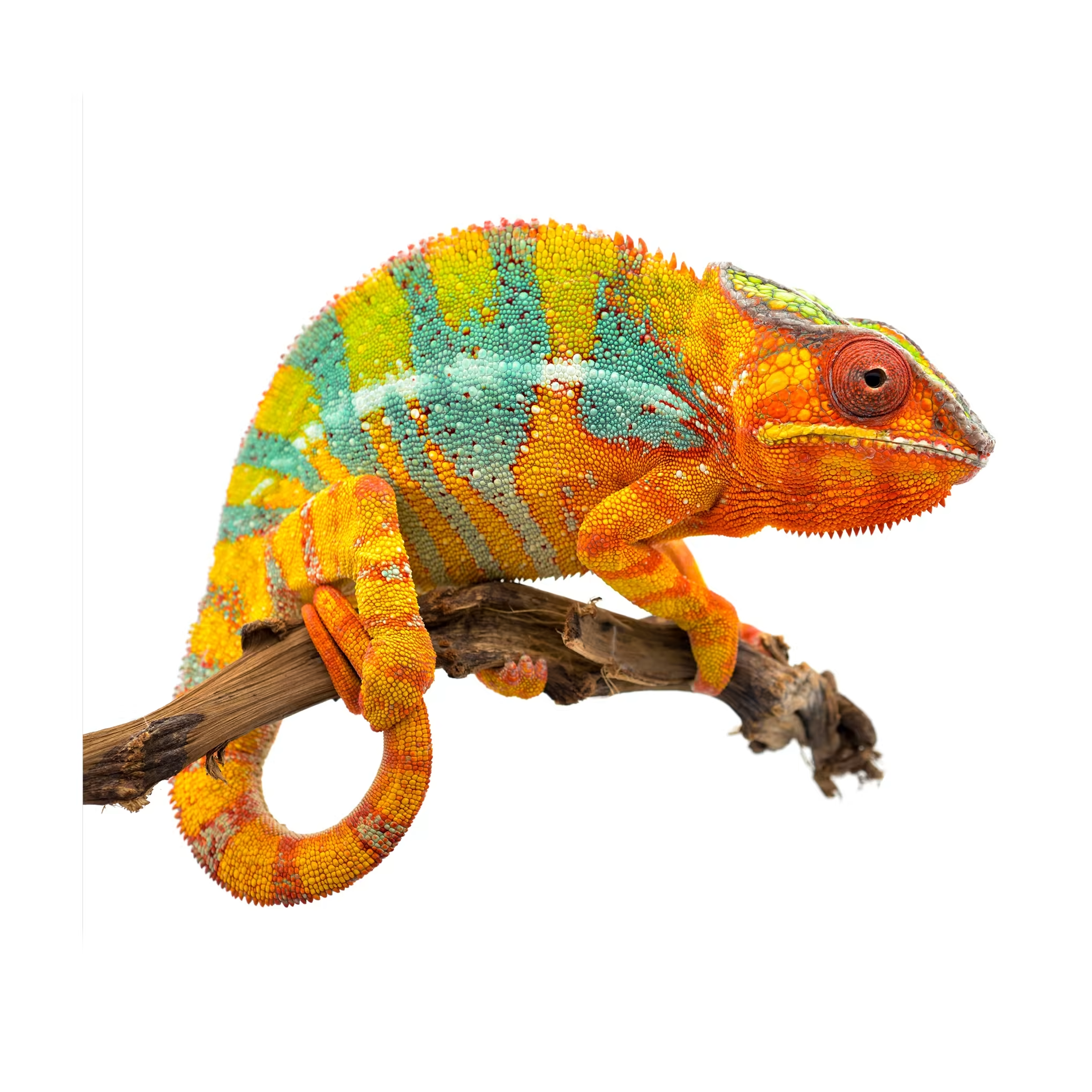
Learn how to care for warm climate Chameleons, recommended diet & habitat setup. Find the right food, supplies & equipment at your neighborhood Petco.
Updated on November 13th, 2025
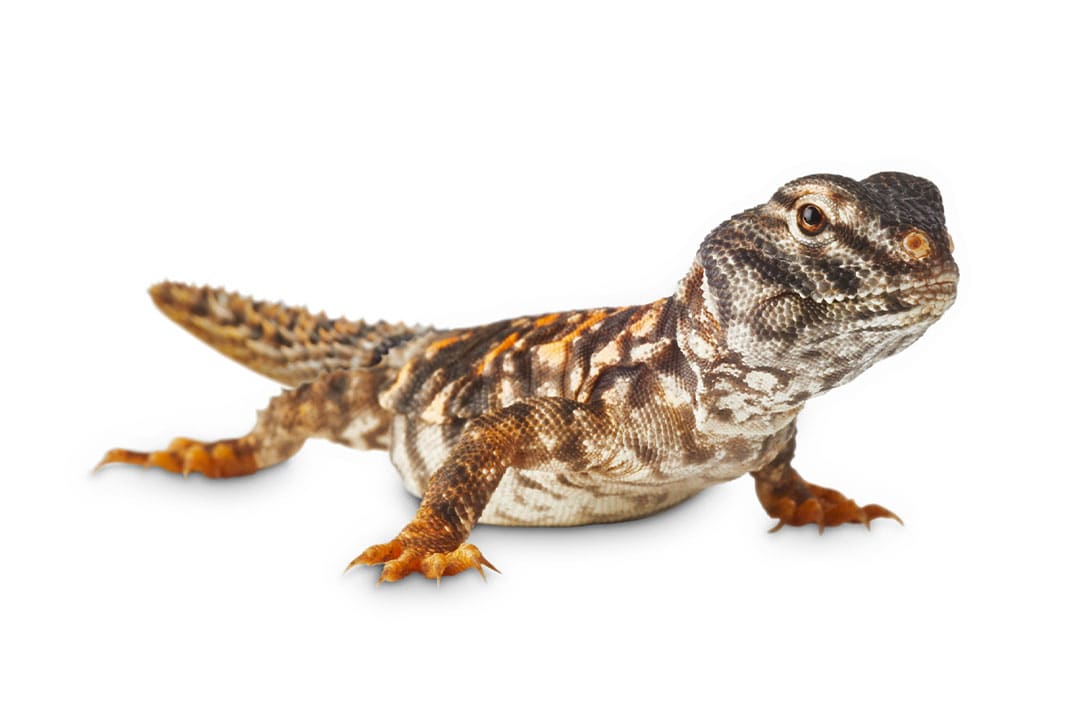
Learn how to take care of Saharan Uromastyx, recommended diet and tank setup. Find the right food, supplies and equipment at your neighborhood Petco.
Updated on November 13th, 2025
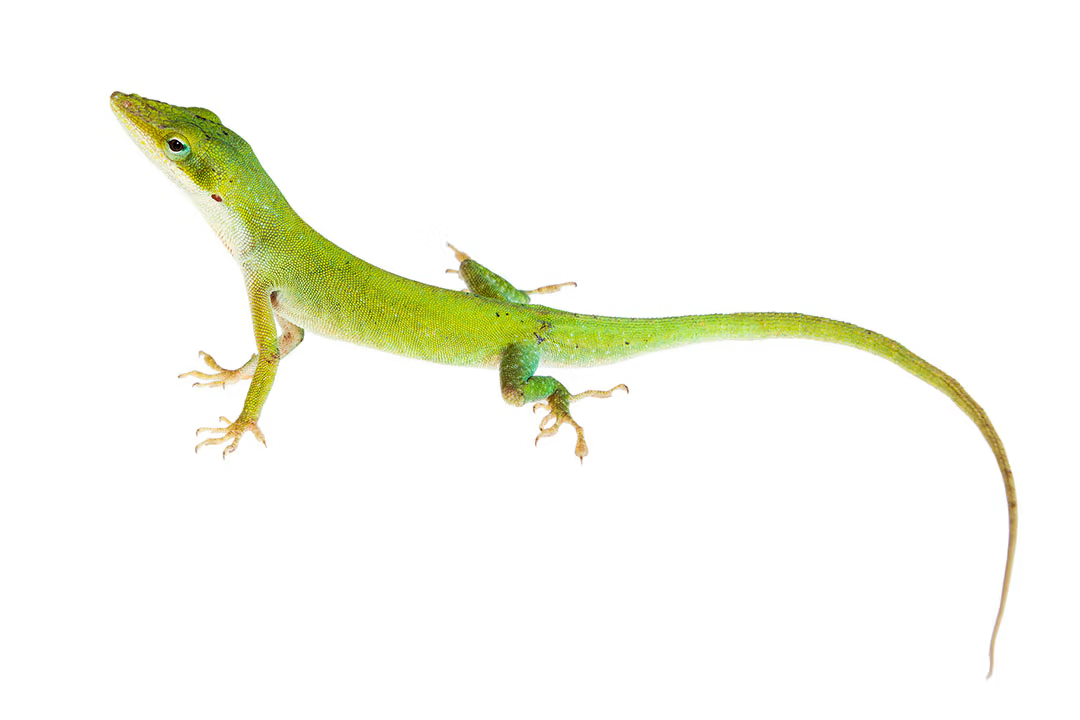
Learn how to take care of Green & Bahama Anoles, recommended diet and tank size. Find the right food, supplies and equipment at your neighborhood Petco.
Updated on November 13th, 2025
Pothos or philodendron can be used in your vivarium. Be sure to avoid using any potting soil or soil with fertilizer. Artificial plants are also an option since they will survive any "frog stomping".
Updated on August 12th, 2025
Remove her from her main tank and put her in a smaller hospital tank. You can use paper towels for substrate. Change them daily. Increase tank temps to 80 F with a basking spot of about 85 F. Maintain humidity at 70%. Mist her daily and provide a water bowl. Use only dechlorinated water. It she isn't defecating normally, a soak in a honey and water solution may stimulate defecation. A dilute unflavored PediaLyte solution can treat or prevent mild dehydration. Offer appropriately sized prey, no bigger than the space between her eyes. You can also feed bits of nightcrawlers. If the redness and symptoms persist, have her examined by your veterinarian or a vet experienced in treating reptiles and amphibians.
Updated on August 12th, 2025
Have the skinny one examined by a veterinarian experienced in treating reptiles/amphibians. Submit a stool sample to diagnose intestinal parasites. Although this is a docile species, monitor for bullying or aggression in case the larger one is not allowing its cagemate to eat.
Updated on August 12th, 2025
Make sure his enclosure is warm enough. Low temps can affect appetite and digestion in reptiles. A hot spot between 85 F and 90 F should warm the rest or the enclosure sufficiently. Provide at least two homes as well. One on the warm side and one on the cool side. Offer appropriately sized prey, no bigger than the space between his eyes. Dust prey with an appropriate multivitamin and calcium supplement. You can soak him in a warm 50/50 solution of water and unflavored PediaLyte. This will warm him up and can treat or prevent mild dehydration. Of he doesn't begin eating in the next day or two, have him examined by your veterinarian or a vet experienced in treating reptiles.
Updated on August 12th, 2025
Check out online sources such as LLL Reptile ( www.lllreptile.com ) and DFW Reptarium ( www.dfwreptarium.com ). You can also look up any upcoming reptile shows. A quick search showed ReptiCon ( www.repticon.com ) coming to Grapevine during the summer months.
Updated on August 12th, 2025