Two Easy Ways to Start Earning Rewards!
Earn 2X Pals Rewards points at Petco
when you use Petco Pay!
Get It Today
Learn about hamster habitats, bedding and nesting which will help your hamster to live a long and happy life.
Updated on November 13th, 2025
Learn how to keep your pet's toys, bed, and habitat clean with these easy-to-follow tips, ensuring a healthier and happier environment for your pet.
Updated on November 13th, 2025
Learn more about rabbit nutrition to understand what foods should be avoided and what should be fed for proper rabbit care.
Updated on November 13th, 2025
Learn everything you need to know about caring for your hamster, including habitat setup, diet, and tips for keeping them happy and healthy.
Updated on November 13th, 2025
Make your dog and cat's boarding checklist to make sure your pet’s caregiver has everything your pet needs like current ID, medications, pet food and more!
Updated on November 13th, 2025
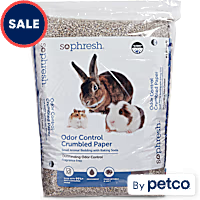
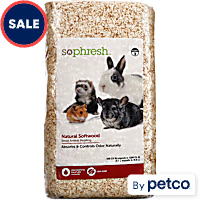
Softwood litters i.e. pine shavings or sawdust newspaper, paper pulp bedding, wood pellets, paper pellets, shredded cardboard, straw and hay all make good bedding. The best is probably a combination of newspaper and hay since you feed hay anyway. Newspaper is also easily cleaned out.
Updated on August 12th, 2025
Oxbow has pellets and timothy hay in their product line. The majority of the diet should be timothy hay or similar grasses. Pellets should be limited to no more than a 1/2 cup daily. Alfalfa should not be offered after 7 months of age. Trim nails every 3-4 weeks if necessary. Your veterinarian can show you how initially. Teeth should be checked monthly. A yearly exam should include a dental exam and teeth trimming if indicated. Symptoms of overgrown teeth include decreased appetite, drooling, pawing at the mouth, swelling or discharge.
Updated on August 12th, 2025
It sounds like your bunny is quite tidy and doesn't want to soil her cage. She will probably be easy to litter train, and then you will have somewhere in the cage for her to go. Make sure her cage is large enough that she has plenty of room to move around in, and so that her litter tray isn't near her food or water. You can use hay as a litter. To start training her, place her tray where she likes to go when she gets out of the cage. Put some of her poo and urine in the tray so that she knows that is where she needs to go. Once she is consistently using this tray, then move it into the cage. If she stops using it once in the cage, you might need to get her a bigger cage.
Updated on August 12th, 2025
I recommend introducing Fluffy in a large clean cage with plenty of room for her to move around and clean soft bedding such as Care Fresh or soft wood shavings with plenty of food, toys and ideally a sheltered portion of the cage where she can hide/not be visible. Rabbits are prone to overheating and should be maintained at a temperature of about 15-21 C (60-70 F). If moving her in the winter, be sure to put her cage far from heater, if moving her in the summer (now I assume it is summer in Australia), just make sure that her room is air conditioned /does not get too hot. Offering fresh veggies and treats daily will likely minimize the stress of the move. In addition, try to keep Human/pet traffic/noise in her room at a minimum. Good luck!
Updated on August 12th, 2025
Cecotropes are normal, if she is eating a lot then she will also produce a lot of feces. i would recommend to buy a good quality pellets form a pet shop, continue with the hay of course and when she is over 4-5 months you can start introducing greens and veggies to her diet.
Updated on August 12th, 2025