Two Easy Ways to Start Earning Rewards!
Earn 2X Pals Rewards points at Petco
when you use Petco Pay!
Get It Today
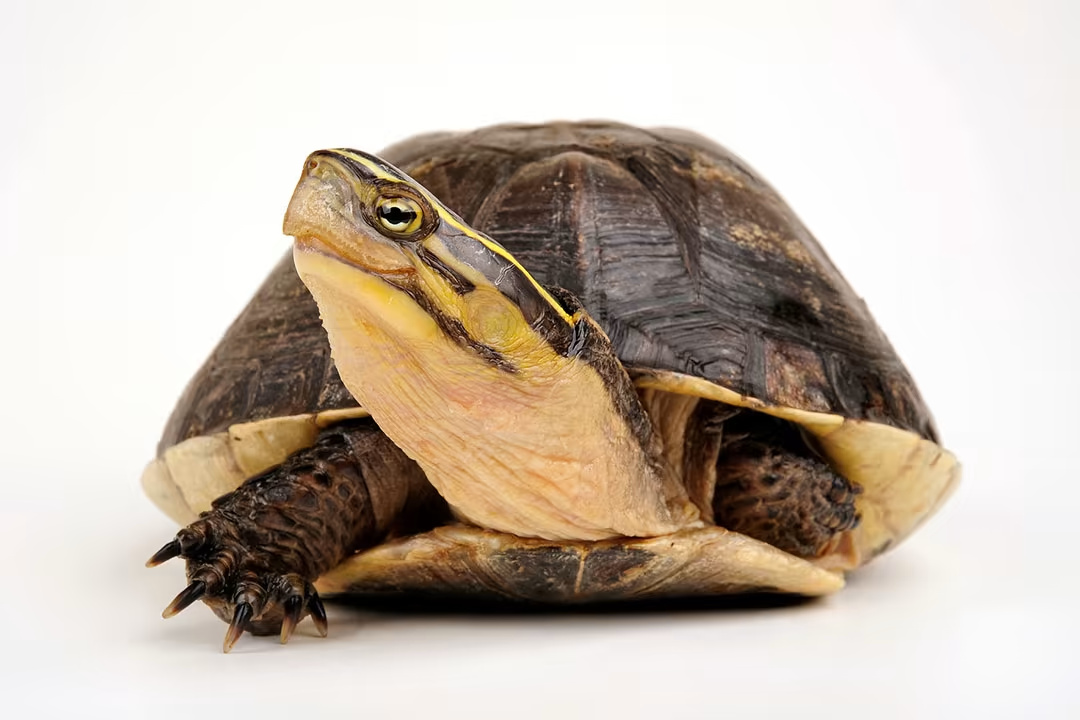
Learn how to care for terrestrial turtles, recommended diet & habitat setup. Find the right food, supplies & equipment at your neighborhood Petco.
Updated on April 9th, 2026
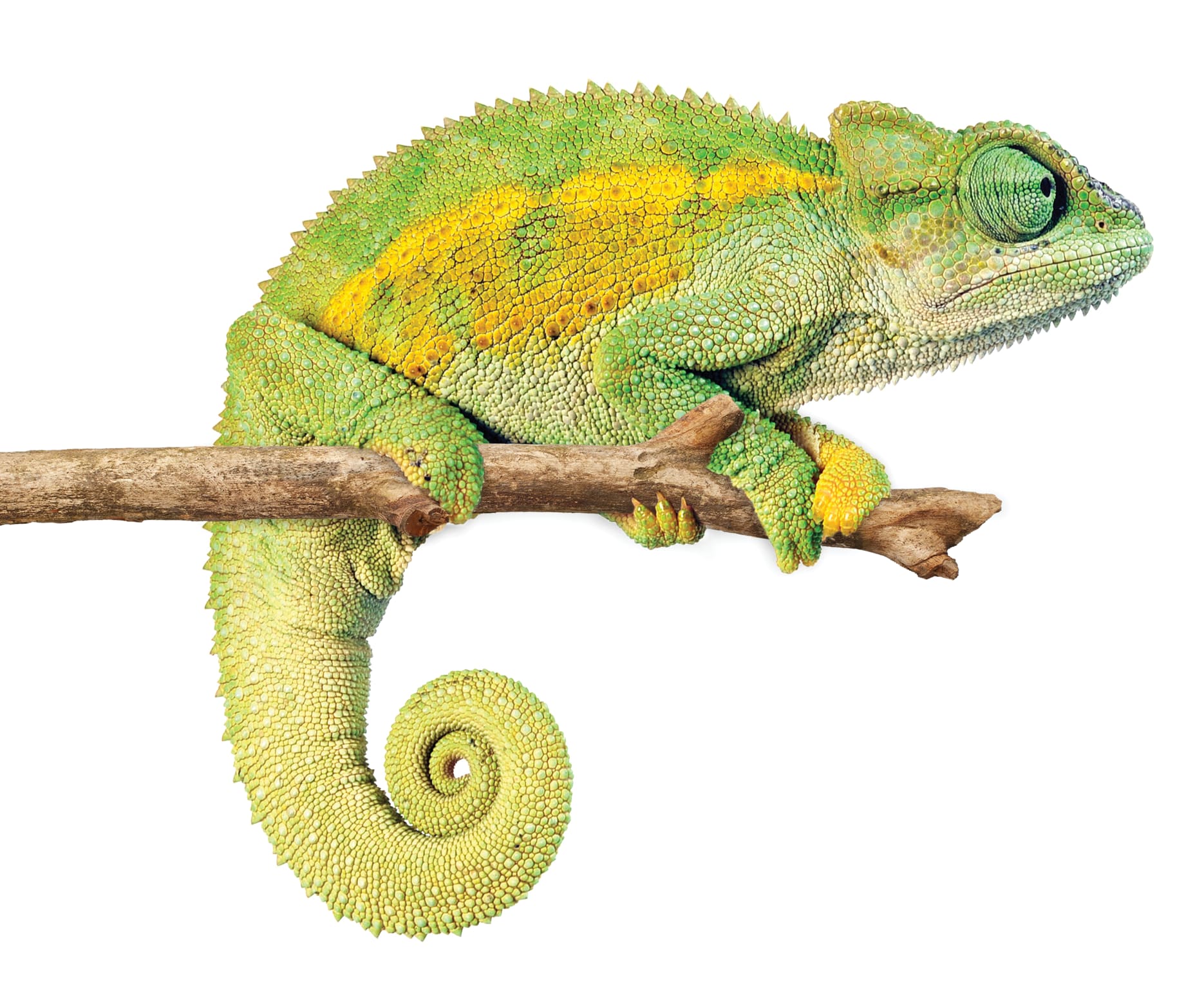
Learn how to care for cool climate Chameleons, recommended diet & habitat setup. Find the right food, supplies & equipment at your neighborhood Petco.
Updated on April 9th, 2026
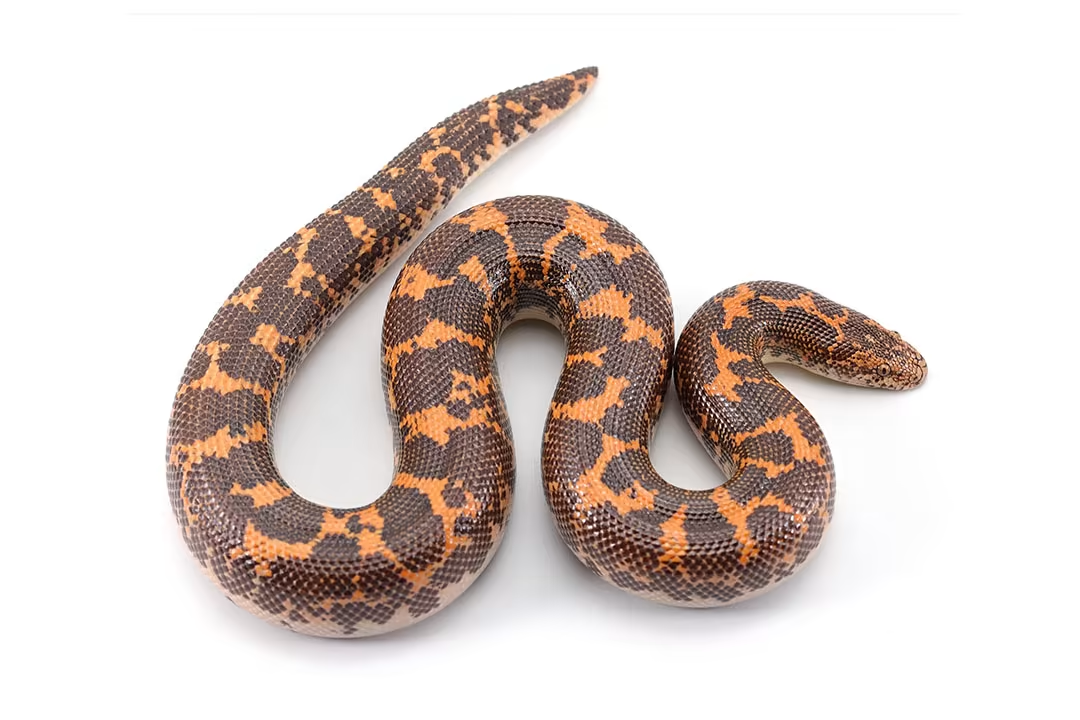
Learn how to care for a Sand Boa, recommended diet and habitat setup. Find the right food, supplies and equipment at your neighborhood Petco.
Updated on April 9th, 2026
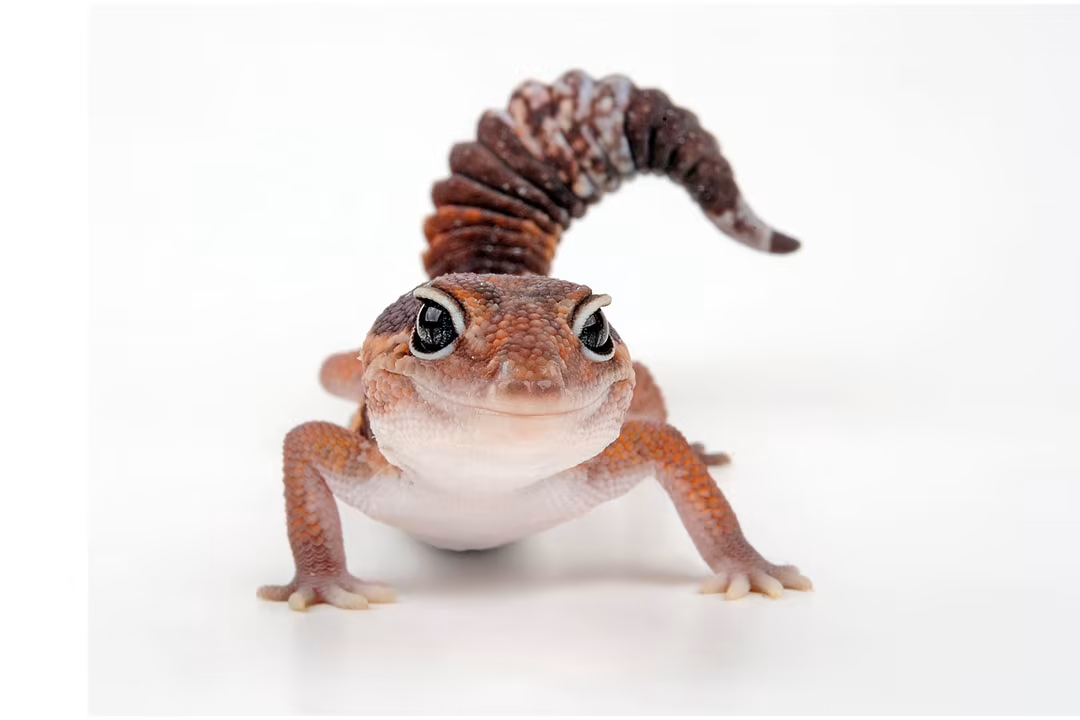
Learn how to care for tropical geckos, recommended diet & habitat setup. Find the right food, supplies & equipment at your neighborhood Petco.
Updated on April 9th, 2026
Search Petco for information about metabolic bone disease, which is fairly common in many reptiles. Use our tips to help keep your reptile comfortable.
Updated on June 19th, 2026
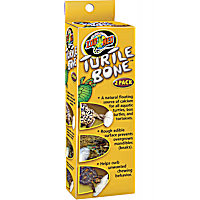
He should be eating some greens and vegetables as well. Avoid the fish flakes as they are high in protein. Use both a multivitamin powder and a calcium powder on the food. Rep-Cal and Zoo Med products can be found in the local Petco. Make sure the UVB light is not blocked by glass, plexiglass or fine mesh. Depending on the strength of the bulb, place the source between 12 and 18 inches from the surface of the basking area. Provide a piece of cuttlebone to float in the tank as a calcium supplement for when he wants to munch it. If you can provide the species of turtle in a new post, we may be able to provide more accurate and comprehensive advice.
Updated on September 24th, 2025
Fluker's or Maxuri pellets/sticks are quality diets. The diet should be varied to maximize nutrition. Offer leafy greens, crickets, small feeder fish, krill/shrimp (either can be freeze dried) or superworms in addition to a commercial pelleted diet.
Updated on September 24th, 2025
Check the temps in the enclosure. Low temps can affect appetite in reptiles. A soak in a warm 50/50 solution of water and unflavored PediaLyte can provide warmth and treat or prevent minor dehydration. The loose scutes may be normal shedding or not. An exam would be needed to diagnose any underlying cause. If the condition does not improve, have your tortoise examined by your veterinarian or a vet experienced in treating reptiles. If you need to find a vet, use the link below. https://arav.site-ym.com/search/custom.asp?id=3661
Updated on September 24th, 2025
One of the most common reasons for a reptile to have a decreased or absent appetite is because of husbandry. I would recommend starting there, and ensuring that the husbandry is as perfect as possible. Often times, even seemingly minor things can make a big difference for a reptile. For example, it looks like your turtle has a glass enclosure from the picture (I apologize if this is not the case), and often this can be stressful for them as they don't understand the concept of glass. It is recommended to keep them in opaque/non-see-through containers, such as turtle tables or large Rubbermaid containers for example. Alternatively, this may also be a problem that started before you acquired Hades. Reptiles can take a long time to get sick, and then when they show their signs of illness, it can seem to come on suddenly. Due to this, I would recommend taking Hades in for an examination with a veterinarian, as this is a good idea for any new pet, including turtles! At the visit, your veterinarian will go over the husbandry for Hades, and can make recommendations. Additionally, they may recommend radiographs (x-rays) to look at bone quality, as metabolic bone disease is very common in reptiles. They may also recommend blood work and/or a fecal sample as part of a wellness exam to look for any signs of infection, anemia (low red blood cells), to look at organ function, and to evaluate the feces for parasites. If you would like to try husbandry changes first, and want to talk about Hades further prior to your veterinary visit, I would be happy to do a consult with you. I hope this gives you a place to start!
Updated on September 24th, 2025
Tortoises do best in single housing systems. They live completely alone in the wild. Adding another turtle may cause unnecessary stress, fighting, and potential spread of disease. You can consider adding enrichment for Georgia such as various fresh edible plants or revamping her enclosure.
Updated on September 24th, 2025