Two Easy Ways to Start Earning Rewards!
Earn 2X Pals Rewards points at Petco
when you use Petco Pay!
Get It Today
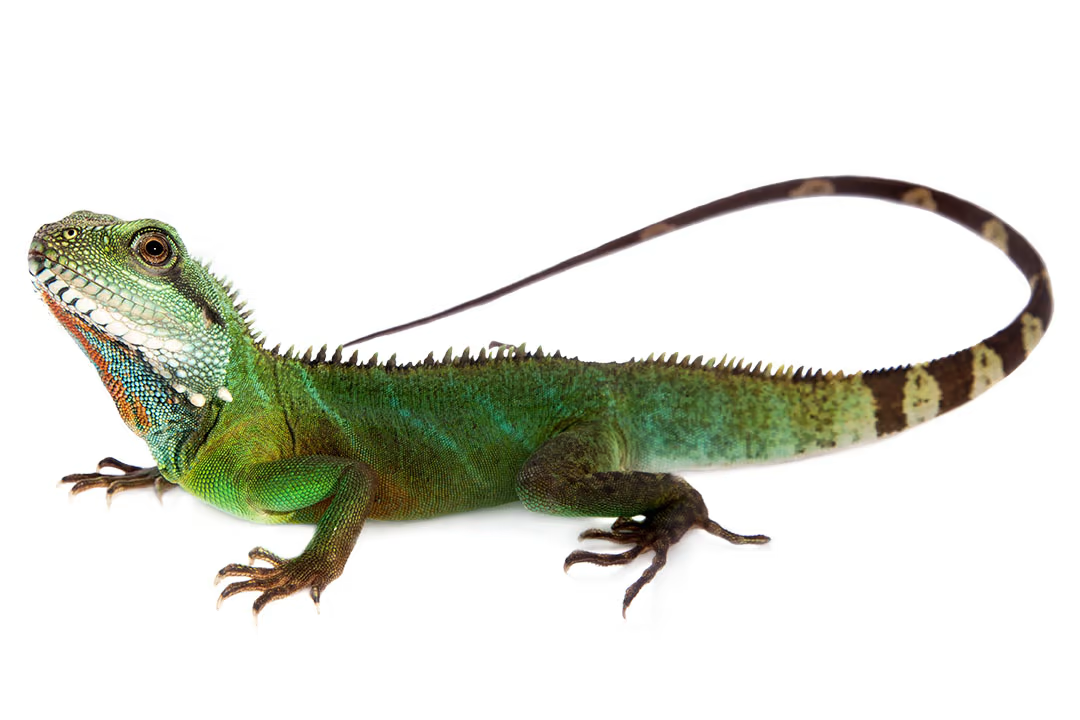
Learn how to care for tropical lizards, recommended diet & habitat setup. Find the right food, supplies & equipment at your neighborhood Petco.
Updated on April 9th, 2026
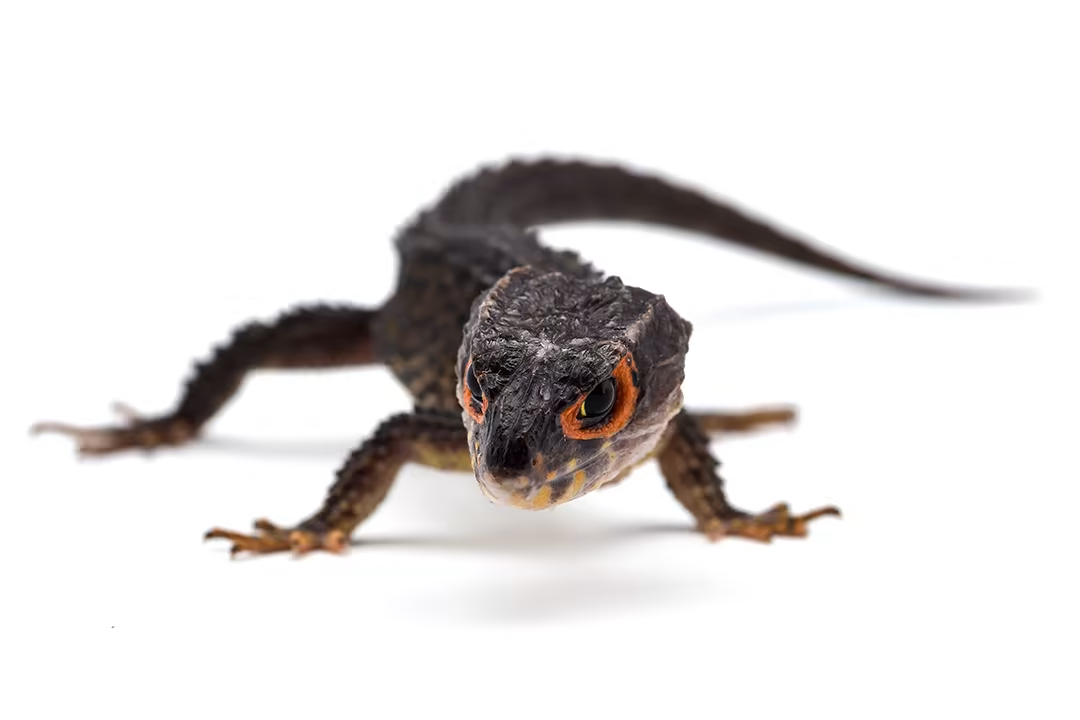
Learn how to care for Red-Eyed Crocodile Skink, recommended diet & aquarium setup. Find the right food, supplies & equipment at your neighborhood Petco.
Updated on April 9th, 2026
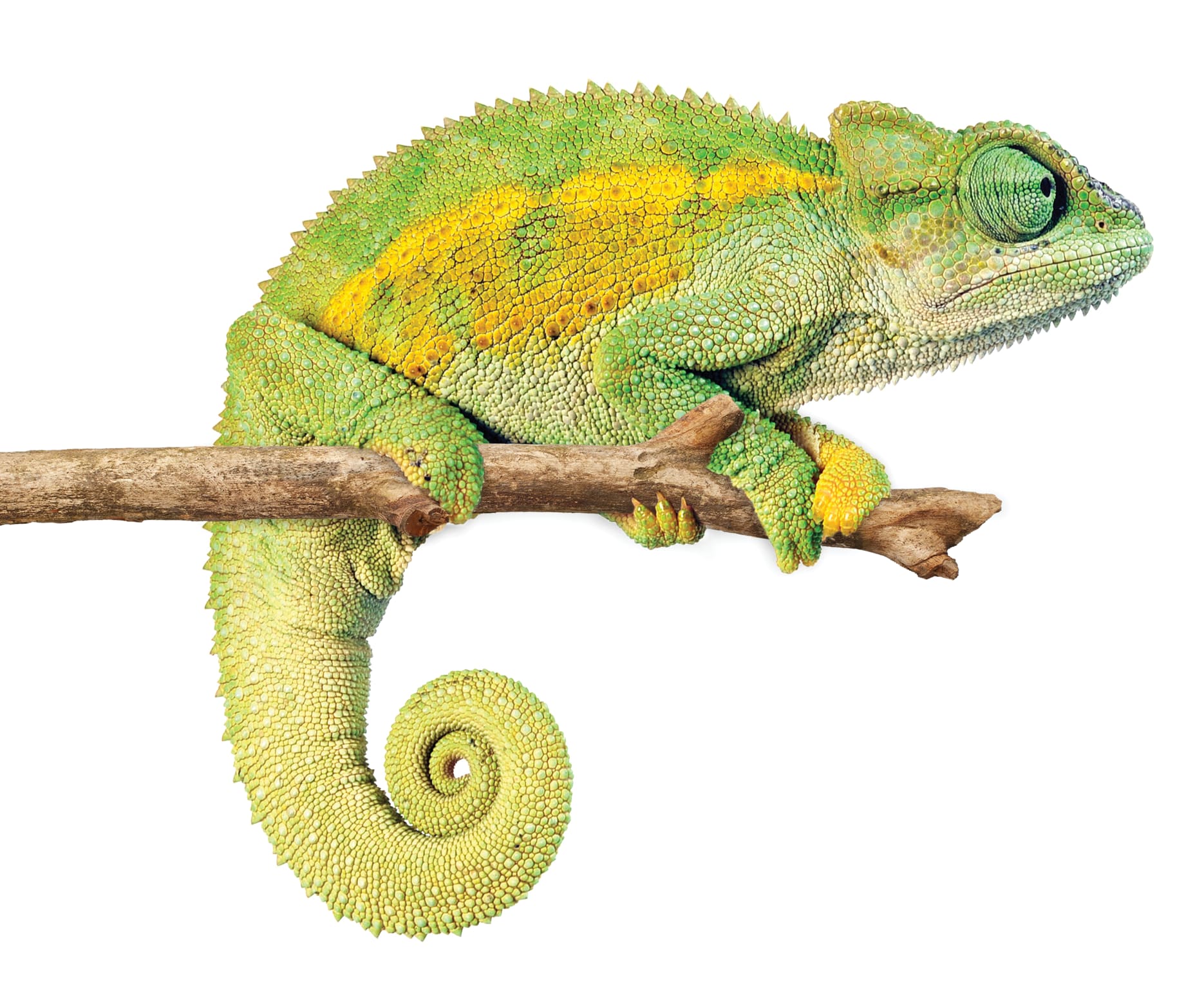
Learn how to care for cool climate Chameleons, recommended diet & habitat setup. Find the right food, supplies & equipment at your neighborhood Petco.
Updated on April 9th, 2026
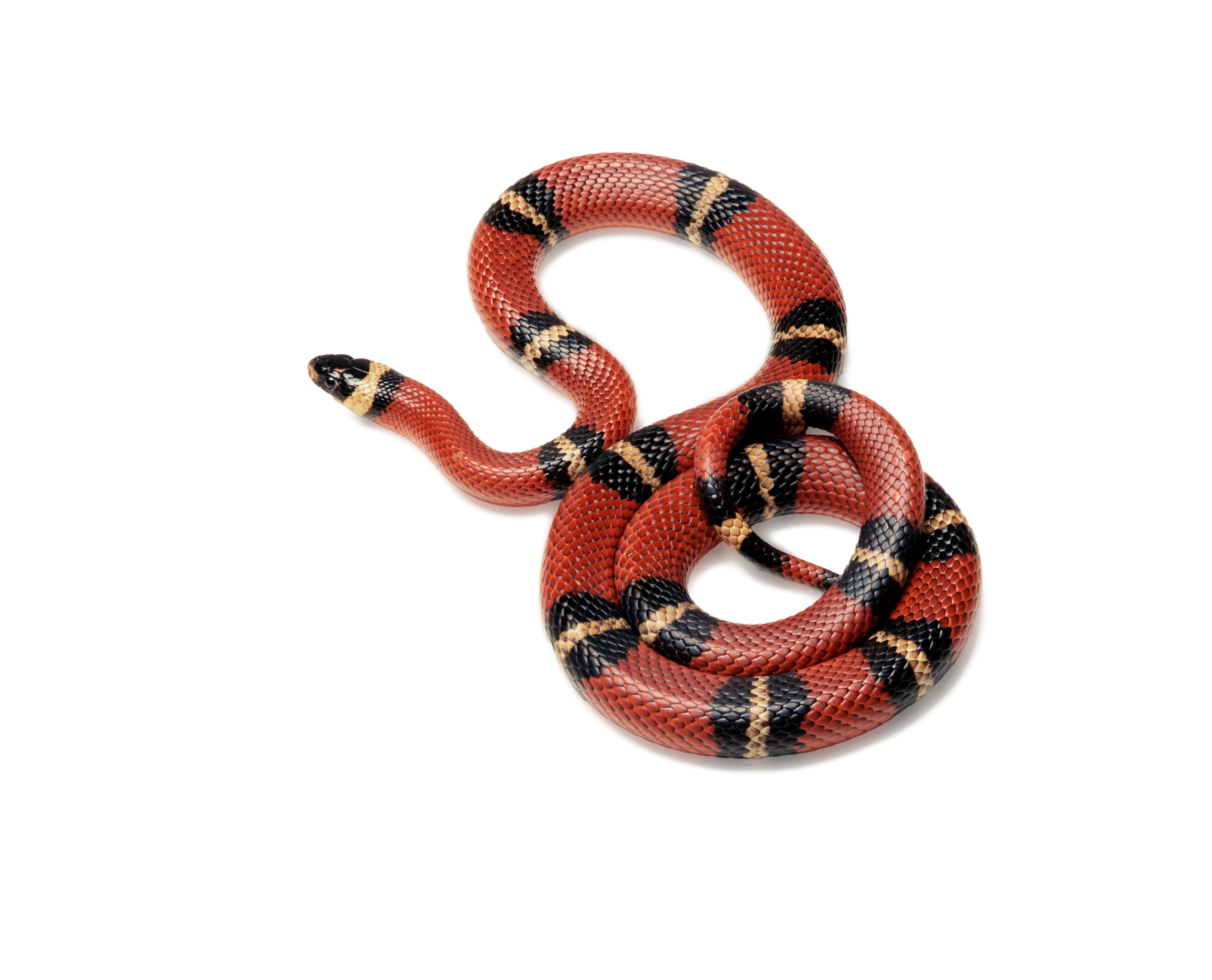
Learn how to care for Colubrids recommended diet and habitat setup. Find the right food, supplies and equipment at your neighborhood Petco.
Updated on May 27th, 2026
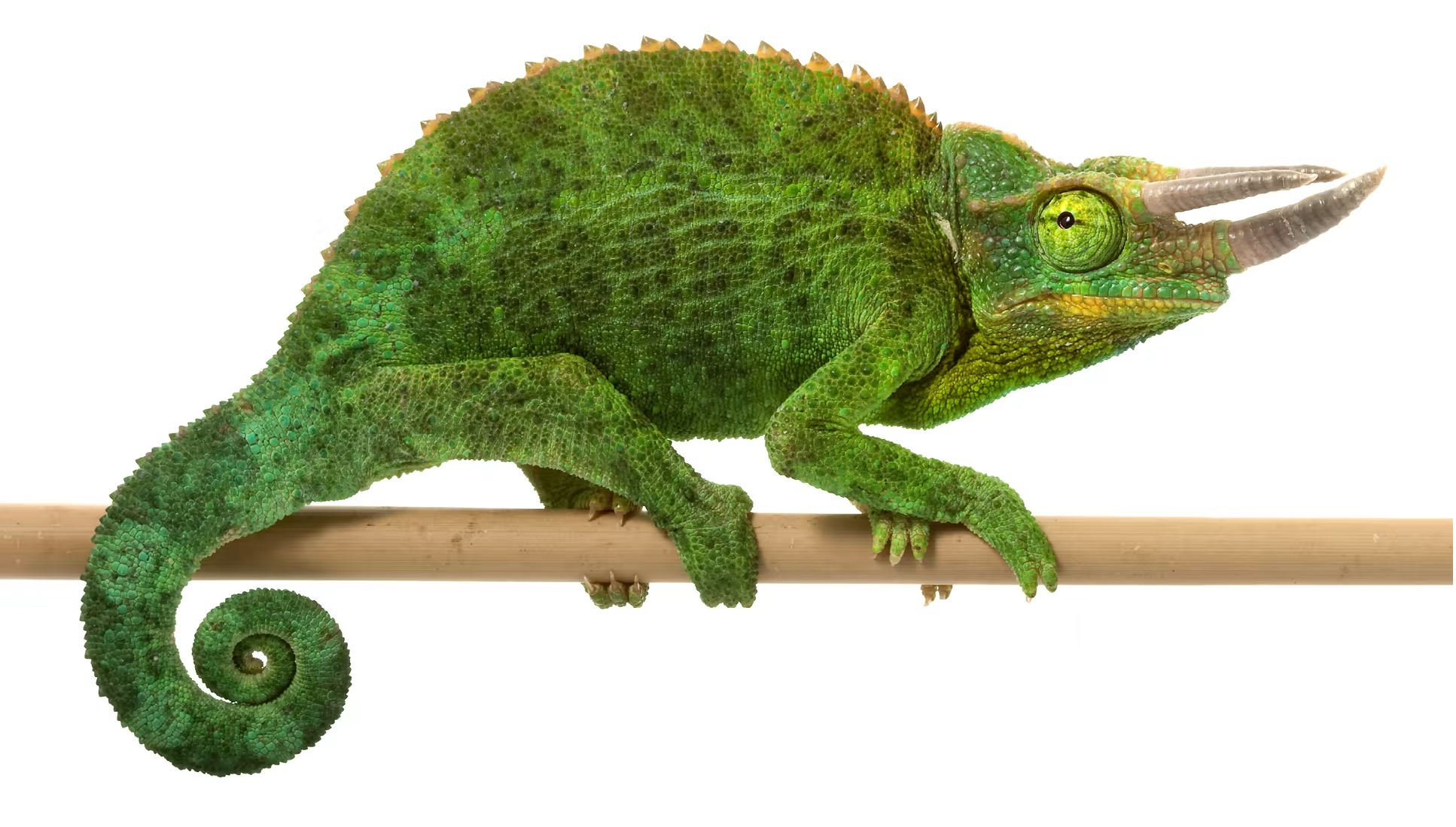
Learn how to care for Jackson's Chameleons, recommended diet & habitat setup. Find the right food, supplies & equipment at your neighborhood Petco.
Updated on April 9th, 2026
Check the temperature in his enclosure. Low temps can affect appetite in reptiles. If he isn't eating or not exposed to high quality UVB lighting, he can become calcium deficient which could account for the tremors. If he is less than 30 inches long, confirm a basking temp of around 115 F. If he is bigger, bump basking temp to between 125 F and 135 F. Multiple lower wattage lights over a larger area are recommended over one high intensity light source. Try to get him to eat and offer a calcium supplement. If you can get a liquid supplement, that would be best right now. Zoo Med and Fluker's offer such a supplement.Soak him in a warm 50/50 solution of water and unflavored PediaLyte to treat or prevent minor dehydration. if he doesn't eat or if the tremors worsen, have him examined by your veterinarian or a vet experienced in treating reptiles as soon as possible.
Updated on September 24th, 2025
Stress or illness are likely responsible. Placing dark colored paper around the lower 10-12 inches of the glass might decrease stress. If this doesn't seem to help, a veterinary visit is recommended. Good luck.
Updated on September 24th, 2025
In most cases, avascular necrosis occurs in toes or the tail. It could be AN, bacterial or fungal infection. An exam would be necessary for diagnosis. For now, provide the proper environment for Zilla, especially adequate humidity. lighting and heat. You can confirm proper environmental parameters using the link below. Daily soaks may help remove any stuck shed. Gently cleanse the area with a diluted betadine or chlorhexidine solution. If necessary, the veterinarian will need to debride the area to allow for healing. Fluker's Repta Boost can be used to supplement the diet until Zilla is eating more o his/her own. http://www.reptilesmagazine.com/Care-Sheets/Lizards/Green-Iguana/
Updated on September 24th, 2025
Thanks for reaching out about Leafy. Seizures in reptiles can definitely due to calcium deficiencies, either lacking in the diet, too cold of an environ or lack of UVB exposure. Diet and husbandry to be corrected, but a veterinary visit can provide injections of these medications, and anti-seizure medications during recovery. Mealworms kept in the refrigerator or crickets straight from the store are insufficient. All insects need to be gut-loaded with dark greens and red/yellow/orange vegetables. Good luck.
Updated on September 24th, 2025
Have him examined by your veterinarian or an experienced herp vet. Submit a stool sample to diagnose intestinal parasites. This will all give you a better idea of his health status. Barring any major illness or injury, he could be rehabbed and live a "normal" life. Set him up in an appropriate enclosure with correct parameters. Offer appropriately sized and gut loaded prey as well as some Fluker's Repti-Boost. Soak in a warm 50/50 solution of water and unflavored PediaLyte daily for 20-30 minutes to maintain hydration. It may take time, but with a healthy diet, proper environment and some care, he could recover.
Updated on September 24th, 2025