Two Easy Ways to Start Earning Rewards!
Earn 2X Pals Rewards points at Petco
when you use Petco Pay!
Get It Today
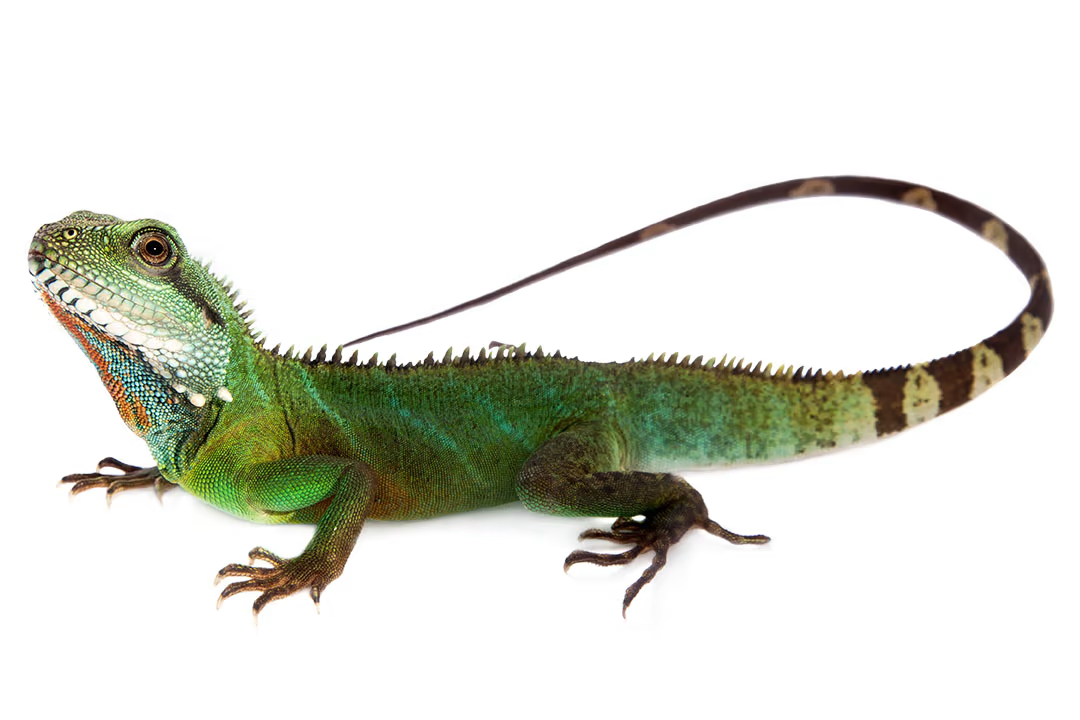
Learn how to care for tropical lizards, recommended diet & habitat setup. Find the right food, supplies & equipment at your neighborhood Petco.
Updated on November 13th, 2025
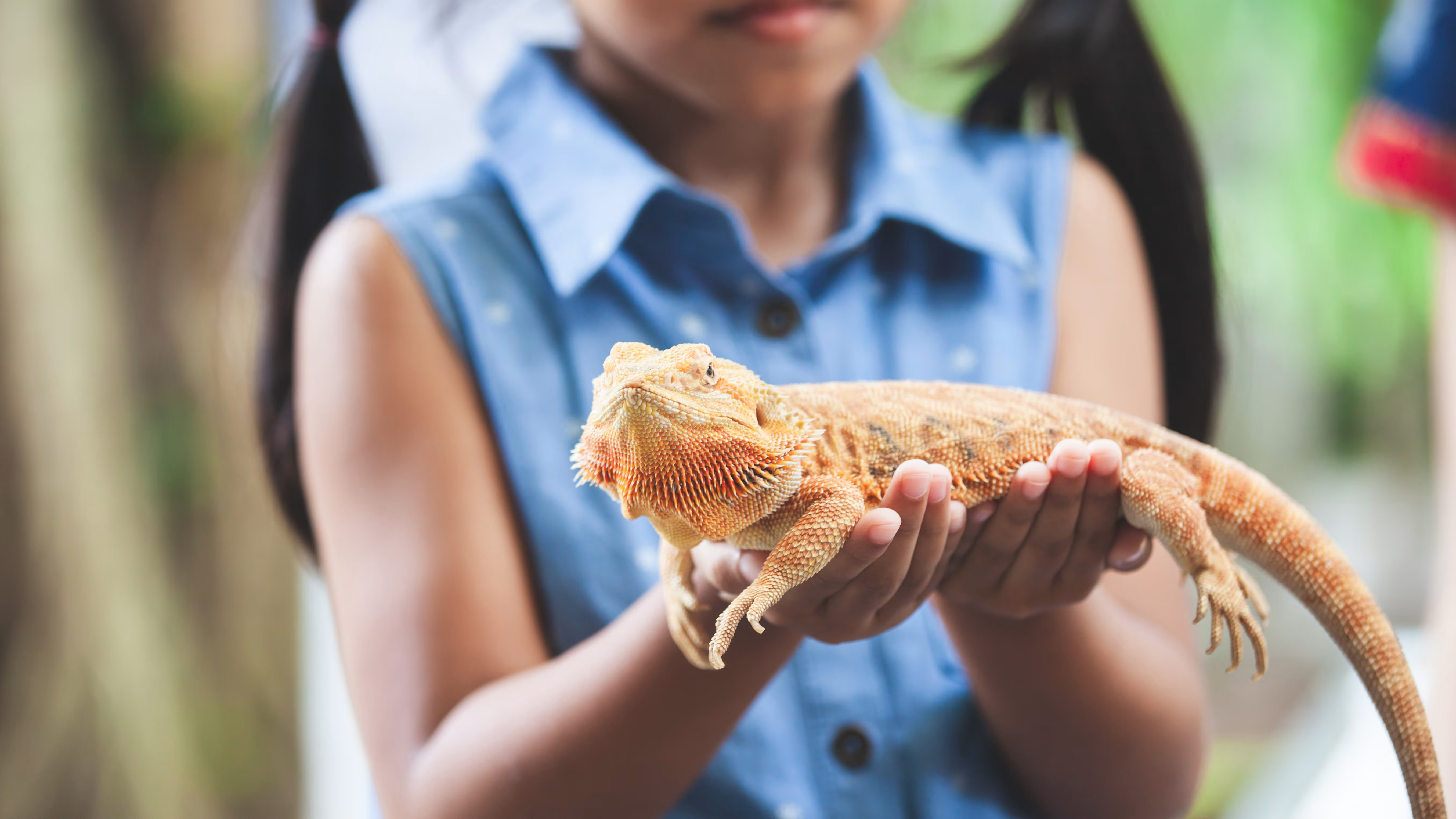
Explore our tips about what to keep in mind when choosing the right pet reptile for your family. Consider what they need to stay happy and healthy.
Updated on November 13th, 2025
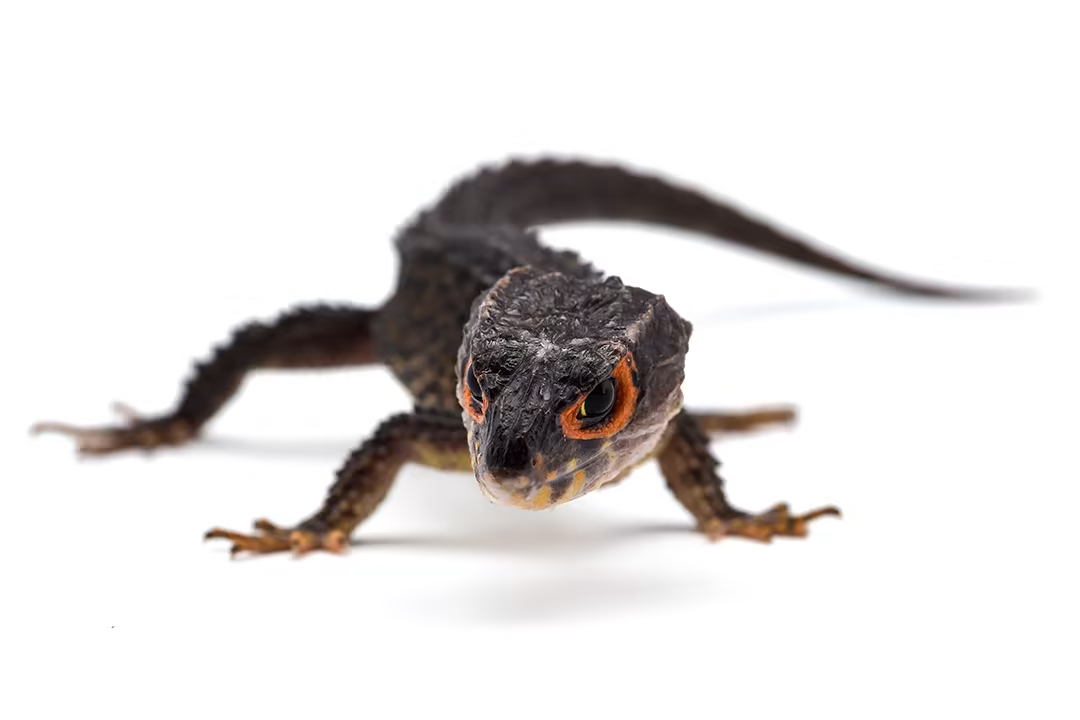
Learn how to care for Red-Eyed Crocodile Skink, recommended diet & aquarium setup. Find the right food, supplies & equipment at your neighborhood Petco.
Updated on November 13th, 2025
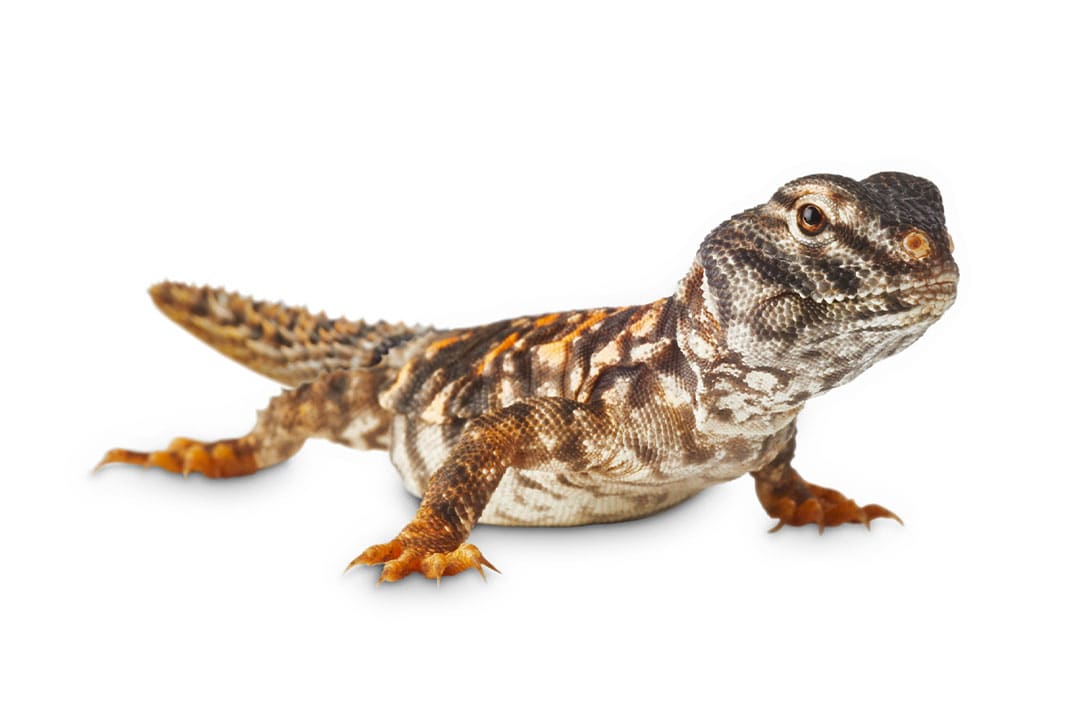
Learn how to take care of Saharan Uromastyx, recommended diet and tank setup. Find the right food, supplies and equipment at your neighborhood Petco.
Updated on November 13th, 2025
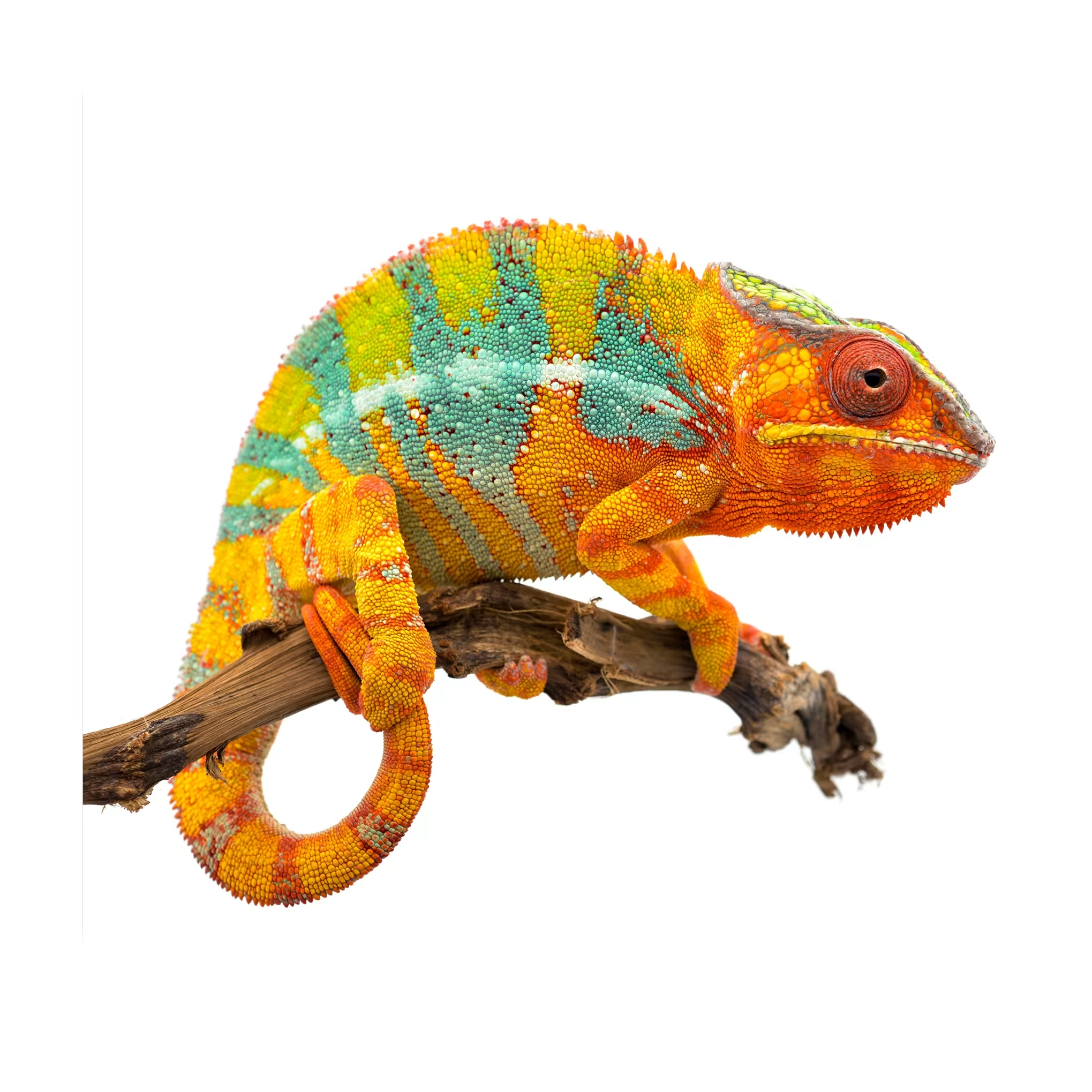
Learn how to care for warm climate Chameleons, recommended diet & habitat setup. Find the right food, supplies & equipment at your neighborhood Petco.
Updated on November 13th, 2025
Thanks for your question about Smaug, and thanks for the photo as well! I think that you have a good start to your set up, and that we can tweak a few items. First, your lighting situation appears adequate - I see a UVB light (please change this bulb every 4-6 months), a basking light, and a ceramic heat bulb. I would ensure that your temperatures are appropriate for this species, and that you are monitoring them using digital thermometers (I think that you see both a digital and analog thermometers currently) at the level of Smaug. Analog thermometers are inaccurate, so I don't recommend using them (also, they are high up on the sides of the enclosure, so they wouldn't be giving an accurate temperature read for Smaug). For the cage furniture that you have, I like that you have places for Smaug to climb and hide. However, I would recommend having a hide on both the warm side of the enclosure and the cool side so that Smaug has choices. Same for the climbing structures. I may have misse
Updated on August 12th, 2025
Use a background to block his view. This may prevent glass surfing or nose rubbing as well as provide more privacy/security. Again, check the temps in his enclosure to make sure it is species appropriate. Offer a variety of crickets, mealworms, dubia roaches, silkworms and wax worms. Gut load prey for 24 hours prior to offering. Dust appropriately with vitamins and minerals regularly. He may also benefit from a soak in a warm 50/50 solution of water and unflavored PediaLyte. If his appetite does not return after adjustments to environment and diet, have him examined by your veterinarian or a vet experienced in treating reptiles. Submit a stool sample to diagnose intestinal parasites or bacterial overgrowth.
Updated on August 12th, 2025
Thanks for reaching out regarding Night Hawk and including photos. The pictures appear good and seems a lot of thought went into your set up. You haven't mentioned UVB radiation or diet, but everything else appears good. Even though geckos are noctunal, they are often inactive during the day but receiving radiation. Insect species need to be varied and gut loaded with a variation of fresh vegetables. Good luck.
Updated on August 12th, 2025
That hinge on her plastron (bottom shell) is normal. It is supposed to appear "split". That allows her to close up securely when she retracts her head. These turtles do not get as big as other species, but a 10 gallon tank is too small. She also needs a UVB light source. Windows will block most of the sun's beneficial rays. You can find a UVB light source in most pet stores. A popular brand is the ZooMed ReptiSun light. They are good eaters, eating a wide variety of animal protein, plant matter and commercial diets. The link below leads to a care sheet providing additional information. http://www.reptilesmagazine.com/Three-toed-Box-Turtle-Care-and-Information/
Updated on August 12th, 2025
Hi there! We have a Crested Gecko and have so much fun with him! Don’t worry, they are a great starter reptile and are pretty easy to keep. In the winter we use a red light to keep the tank warmer, but not a specific heat lamp. This keeps the tank warm enough without getting too hot. Also very important is the humidity of the tank. Keeping it spritzed several times a day is necessary. We started with a tank your size and it probably would have been just fine long term, but we ended up purchasing a larger tank because we wanted a different look. Best of luck and have fun with your crestie! Thank you for using Pet Coach.
Updated on August 12th, 2025