Two Easy Ways to Start Earning Rewards!
Earn 2X Pals Rewards points at Petco
when you use Petco Pay!
Get It Today
When it comes to reptile habitats, one of the most essential elements to creating a happy home for your pet is including the appropriate type of lighting. Zoo Med helps outline which lights are right for your pet.
Updated on November 13th, 2025
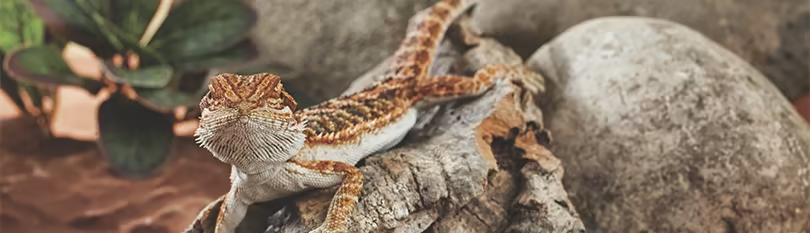
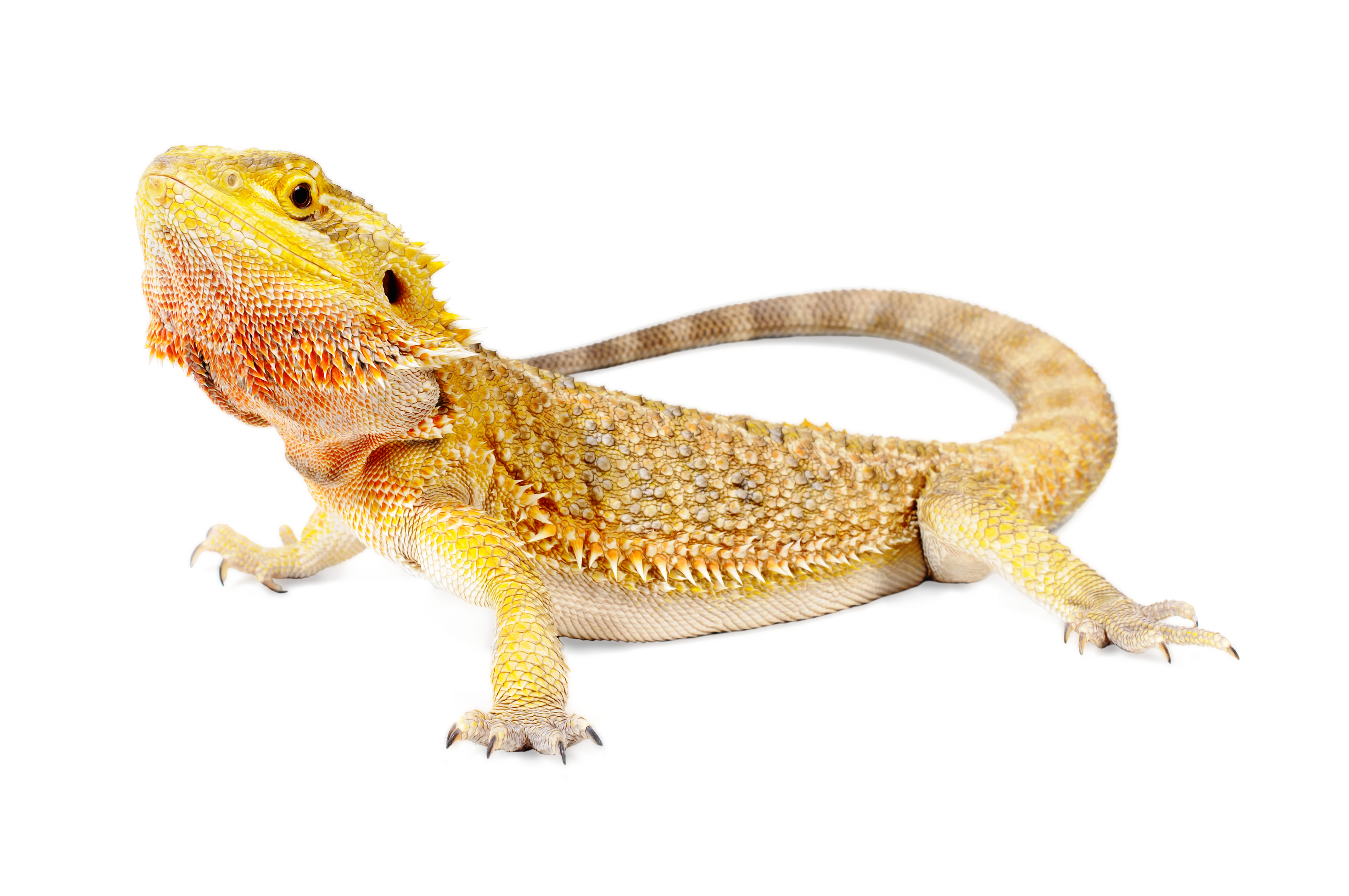
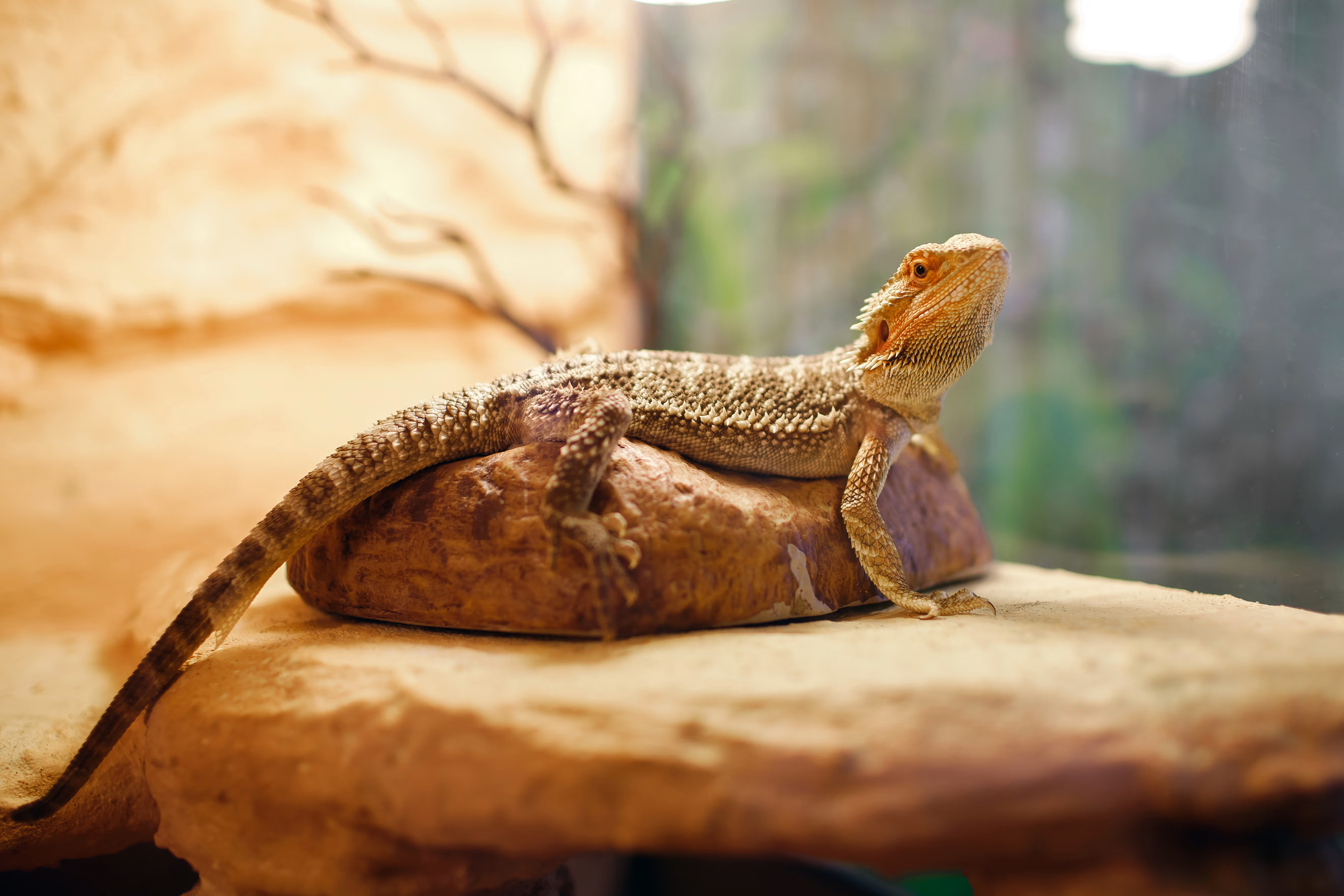
Learn how to care for arid lizards, recommended diet & habitat setup. Find the right food, supplies & equipment at your neighborhood Petco.
Updated on November 13th, 2025
Regular cleaning and disinfecting of your pet's cage and accessories is one of the keys to keeping your reptile healthy. Learn how often you should clean your cage.
Updated on November 13th, 2025
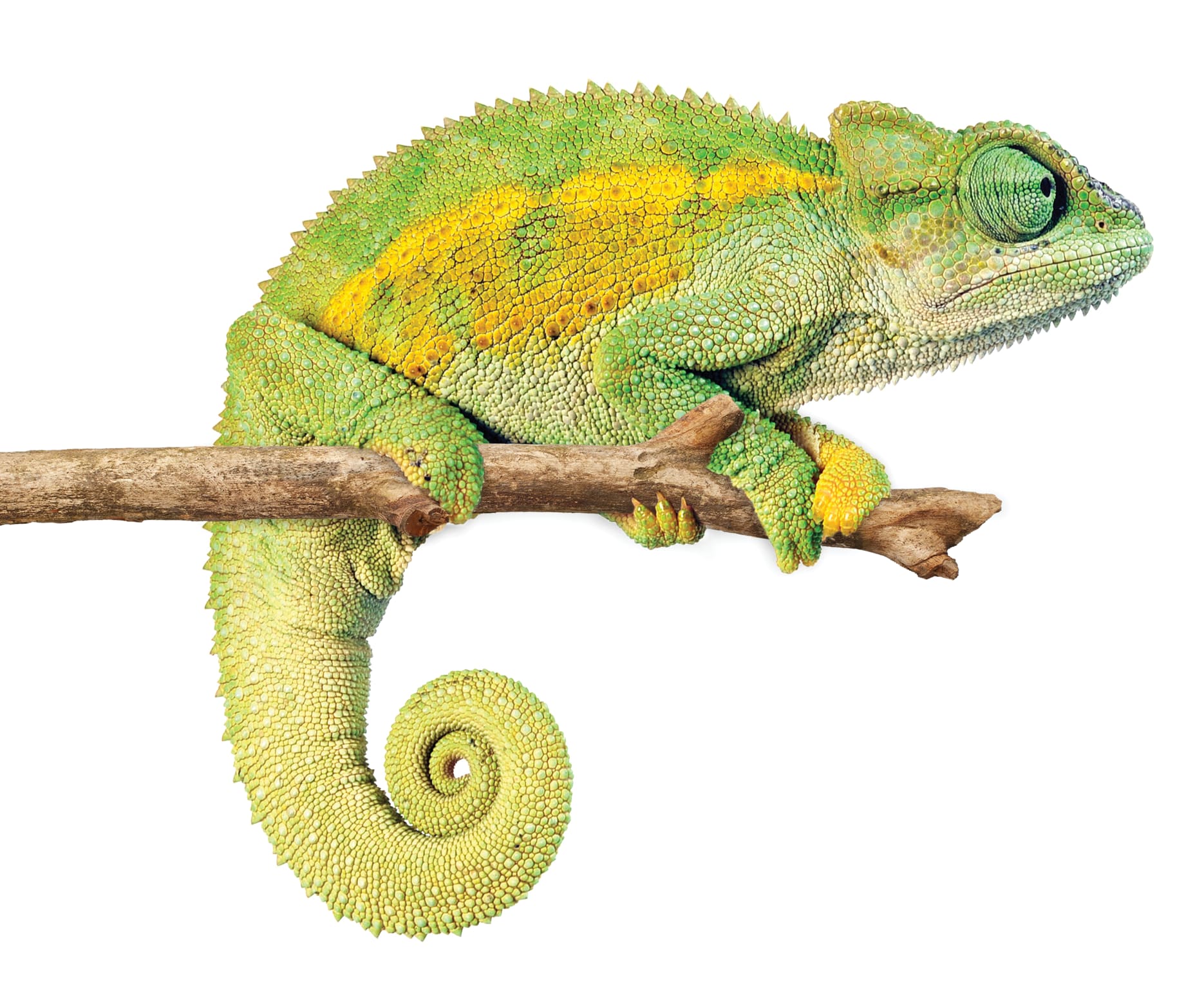
Learn how to care for cool climate Chameleons, recommended diet & habitat setup. Find the right food, supplies & equipment at your neighborhood Petco.
Updated on November 13th, 2025
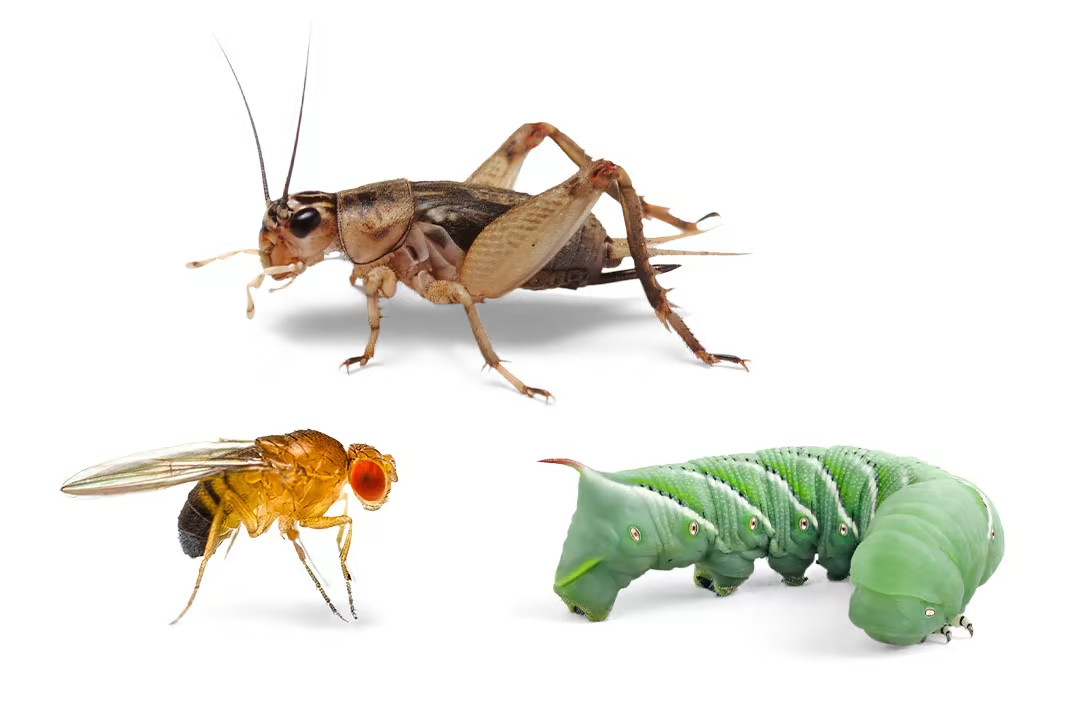
Learn about live insects for reptile feeding, recommended diet & habitat setup. Find the right food, supplies & equipment at your neighborhood Petco.
Updated on November 13th, 2025
Thanks for reaching out regarding Night Hawk and including photos. The pictures appear good and seems a lot of thought went into your set up. You haven't mentioned UVB radiation or diet, but everything else appears good. Even though geckos are noctunal, they are often inactive during the day but receiving radiation. Insect species need to be varied and gut loaded with a variation of fresh vegetables. Good luck.
Updated on August 12th, 2025
In a "perfect" set up, the humidity would range between 20 and 40%. Higher humidity is recommended during sheds. Luckily, leopard geckos are pretty adaptable to a wide range of captive environments. This makes them a popular "beginner" reptile. You can use a dehumidifier in the room the enclosure will be kept in to control humidity. Some keepers will also place a small sack of plain, uncooked rice in the enclosure to absorb excess moisture. The rice should be kept out of the gecko's reach though. Two digital hygrometers should be used, one on each side of the tank, to monitor humidity.
Updated on August 12th, 2025
It does appear to be of the takydromus species. These grass lizards are common and fairly easy to keep. Being adept climbers, more vertical space should be offered in an enclosure. Branches and vines can be placed for climbing. Bring reptiles, they need an external heat source and UVB lighting. Daytime temps can range from 24 C to 30 C (75-85 F). Provide a basking spot of around 35 C to 38 C (95-100 F) using a heat lamp. Aim for 70-80% humidity. Provide a shallow bowl for water. Mist the cage daily. Feed appropriately sized prey, no bigger than the space between the eyes, that have been gutload for 24 hours prior to offering. This will maximize nutritional value. Crickets, mealworms, dubia roaches, waxworms or wingless fruit flies can all be offered. Dust prey with a calcium supplement and a multivitamin supplement several times weekly. Ideally, the wound should be addressed by a veterinarian experienced in treating reptiles. You can clean it with dilute Betadine or chlorhexidine
Updated on August 12th, 2025
Thanks for reaching out about Blu. It sounds as if he is being secretive or scared. Is he housed alone? Is his terrarium in a high traffic area? If yes to either of these, that situation might have to be corrected. Check environmental temperature in the whole exhibit. Good luck.
Updated on August 12th, 2025
You can soak him in a warm bath for 15-30 minutes to aid in shedding. Also, provide a moist hide on each side of the tank during sheds. This is done by adding moistened moss to the hide. The increased humidity aids in shedding. Do not pull any loose shed off by hand. That may cause injury.
Updated on August 12th, 2025