Two Easy Ways to Start Earning Rewards!
Earn 2X Pals Rewards points at Petco
when you use Petco Pay!
Get It Today
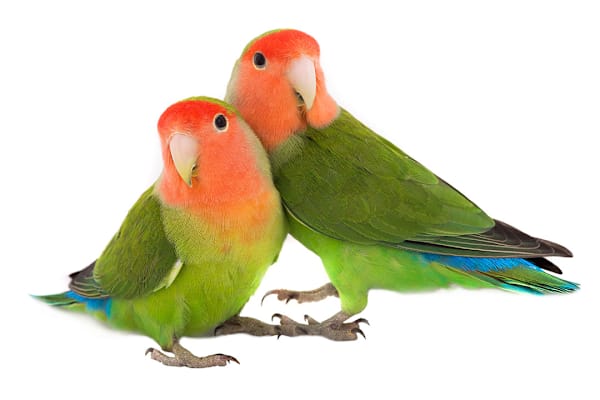
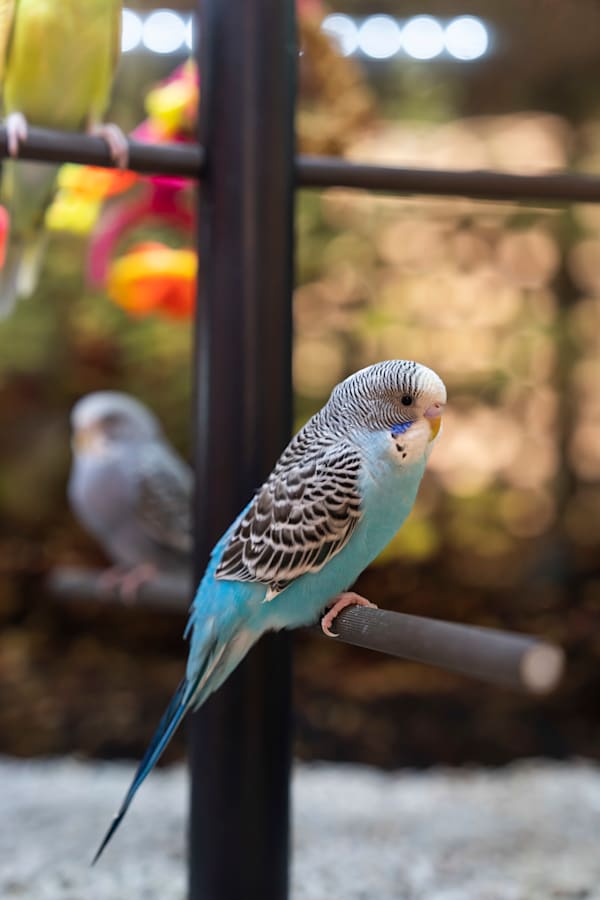
Learn how to take care of your Lovebirds, recommended cage size, diet and housing setup. Find the right food, supplies and equipment at your local Petco.
Updated on November 13th, 2025
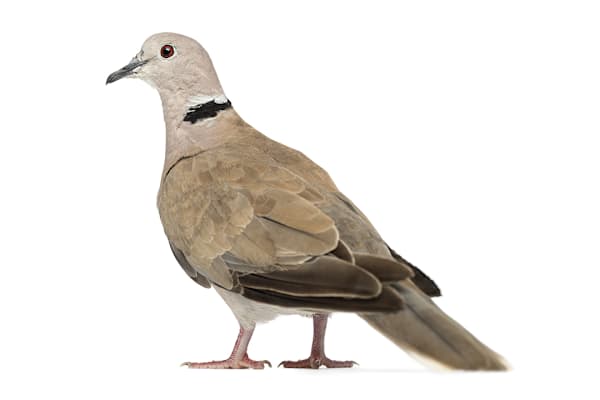
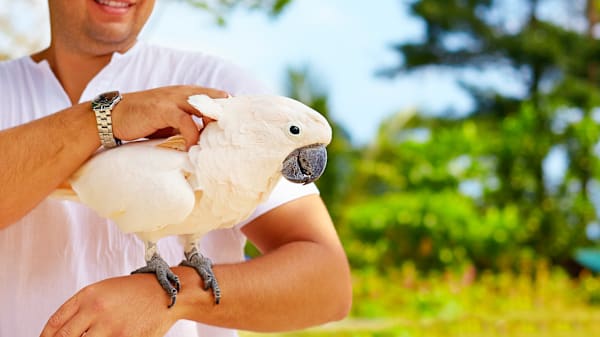
Learn how to care for your pet dove, recommended diet and cage setup. Find the right food, supplies and equipment at your neighborhood Petco.
Updated on November 13th, 2025
Learn how to take care of a Chicken, recommended diet and habitat setup. Find the right food, supplies and equipment at your neighborhood Petco.
Updated on November 13th, 2025
Being a sustainable pet parent involves good practices and habits. Learn more about eco-friendly dog products, eco-friendly cat products and other solutions.
Updated on November 13th, 2025
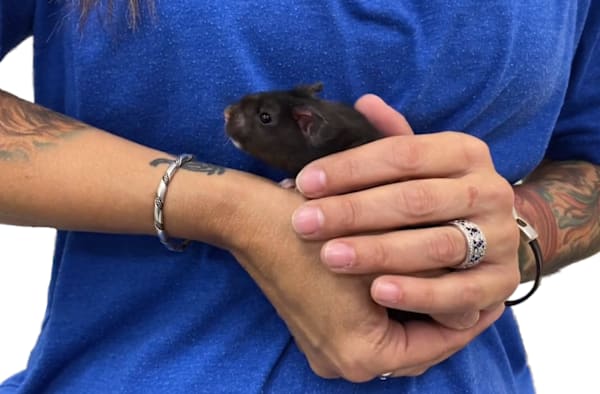
Learn about hamster habitats, bedding and nesting which will help your hamster to live a long and happy life.
Updated on November 13th, 2025
These signs could be compatible with an upper respiratory tract inflammation/infection or eventually to a chronic rhinitis (inflammatory, allergic, infective). No need for a specialist at this stage, but clinical examination at your local veterinarian is essential to confirm these clinical suspicions and treat appropriately. Antibiotics are probably needed. Please do not hesitate to contact us again on the forum or by requesting a consultation if you have any more questions or to discuss it any further.
Updated on August 12th, 2025
Hello! I’m glad to hear that things are going so well with Rico that you are considering a second bird. Birds are flock animals so they do tend to do well with other birds. There are a few things to keep in mind though, before adopting another bird. The birds should be about the same size, though don’t have to be the same species. This is to reduce the chance of fighting and trauma from a big bird to a little bird. The birds should have infectious disease screenings to ensure they don’t introduce any illness to each other. I’d recommend minimum of a physical exam, fecal gram stain, fecal float, screening bloodwork (CBC, chemistry), and Chlamydia testing. An avian veterinarian will be able to do all of this for you and they may recommend some additional testing based on what’s already been done by the breeder/store/rescue. I would recommend that each bird has their own cage, at least at the beginning until they get to know each other. Sometimes, birds just don’t get along no matter what
Updated on August 12th, 2025
Fruits and new food can definitely be a cause of watery stool, especially if it started after all these changes. I would remove any extra treats for a few days and only feed the new food to see if that helps settle his stomach down. Once he's settled in, you can then add in treats one by one to see how he does. If the loose stools continue even after a few days on the diet with no snacks, or he shows any other signs of illness, a vet visit is always best.
Updated on August 12th, 2025
Pine is fine. There are no reports of this being toxic and pinecones are often used for enrichment for captive birds. I would not worry at all about making the pine furniture. I hope that helps and all is well with Pepsi.
Updated on August 12th, 2025
Thanks for reaching out about Rico. It is fine to allow bathing as long as warm enough to dry off. There are heat lamps available to provide heat support, available at most pet stores. Tropical birds have difficulty stay ing warm in colder weather, as required lots of energy. Covering the cage or providing a tent is not adequate for cold weather. A conure's body will not heat the air in the cover cage to trap heat. Good luck.
Updated on August 12th, 2025