Two Easy Ways to Start Earning Rewards!
Become a member today! Members-only pricing and offers, personalized care notifications, Vital Care points back on every purchase and more!
 Become a credit card member today!
Earn 2X Pals Rewards points at Petco
when you use Petco Pay!APPLY NOWLearn More About Petco Pay Benefits
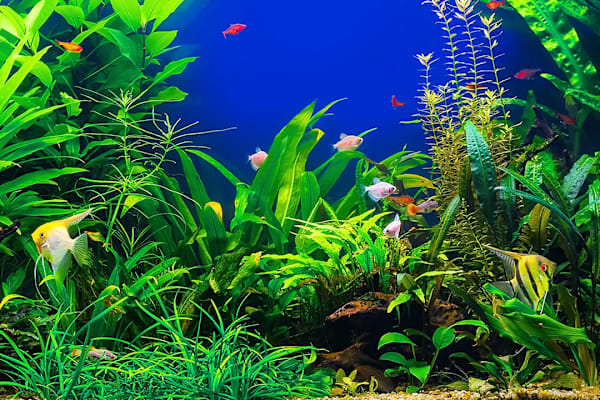
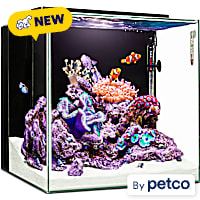
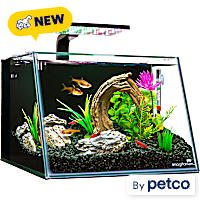
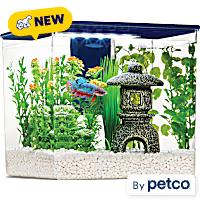
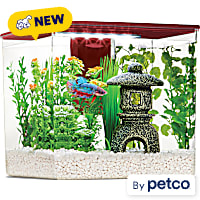
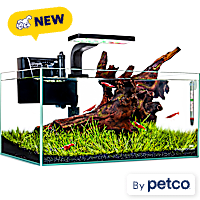
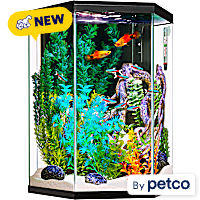
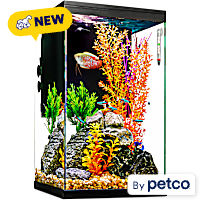
Imagitarium New Fish Tanks
Get It Today





Related Articles & Questions
- New Pet
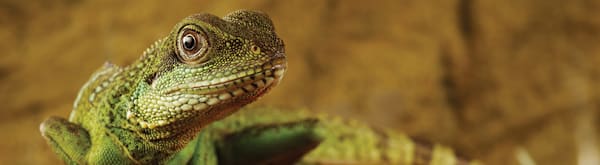
Reptile Habitat Setup Guide | Petco
Learn how to setup your reptiles terrarium to ensure your reptile lives a wholesome & happy life. Shop at your local Petco for all reptile terrarium needs.
Updated on July 17th, 2026
- Home & Habitat
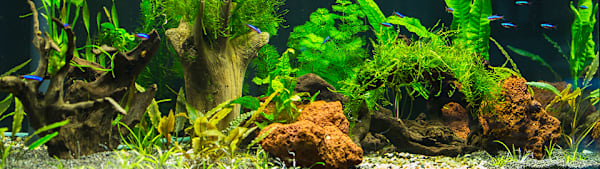
Aquarium Hardscape: The Complete Setup Guide
Discover how to hardscape your aquarium here at Petco. Visit Petco and check out aquarium hardscape ideas, solutions and much more for your fish.
Updated on July 17th, 2026
 Care Sheets
Aquatic Pet Owners: Stop Invasive Species, Save Our Waterways
Read about Habitattitude and Petco's commitment to protect our environment. At Petco, animals always come first. Learn how you can help.
Updated on October 23rd, 2025
- Care Sheets
Aquatic Pet Safety: Keep Your Home Aquarium Pets Healthy & Safe
Learn how to safely handle your aquatic life to avoid toxin & bacterial exposure. Find aquatic life care supplies at your neighborhood Petco pet care center.
Updated on October 23rd, 2025
- Home & Habitat
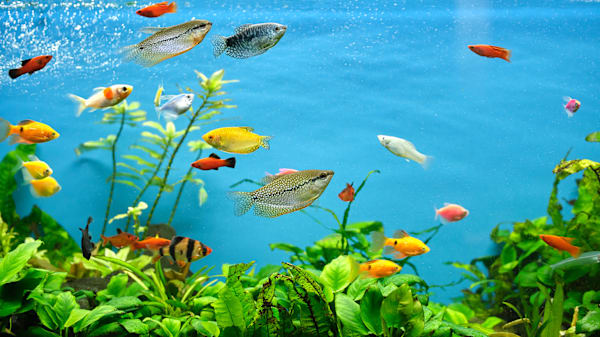
How to Set Up a Fish Tank: Complete Setup Guide
Everything you need to know about how to start a fish tank. Learn about setting up an aquarium, choosing the right type, and acclimating new fish to your tank.
Updated on June 19th, 2026
- Vet Q & A
What fish tank sizes are included in Petco's $1 per Gallon Sale?
##### What are the dimensions of tanks in the $1 per Gallon Sale? [Here](https://www.petcoach.co/question/?id=411222) are the answers to some of our most frequently asked questions: - What are the dimensions of my new tank? - What kind of hood will fit my new tank? - What kinds of stands will work with my new tank? - What kind of lighting is recommended for my new tank? **Aqueon10G**, **Marineland10G** - Product Dimensions: 20 x10 x12 - Compatible HOODS: Aqueon 20" Deluxe Full Hood - Compatible STANDS: the Brooklyn 10G, Aquatic Fundamentals Silver Vein Scroll 21x11 - Compatible LIGHTING: Aqueon 20" Deluxe Full Hood **Aqueon20 High**, **Marineland20 High** - Product Dimensions: 24x12 x16 - Compatible HOODS: AGA 24"BK VERSATOP GLASS - Compatible STANDS: Newport 20G - Compatible LIGHTING: Aqueon 24" fluorescent strip light or 24" LED light fixture (online only), Fluval Ultra Bright LED Aquarium Strip Light (online only) **Aqueon20 Long**, **Marineland20 Long** - Product Dimentions: 30 x12 x12 - Compatible HOODS: AGA-30"BK VERSATOP - Compatible STANDS: Brooklyn 29G, Winston 29G - Compatible LIGHTING: Aqueon 30" fluorescent strip light or 30" LED light fixture (online only) **Aqueon29G**, **Marineland29G** - Product Dimensions: 30 x12 x18 - Compatible HOODS: 30" BK versatop glass, Aqueon 20" Deluxe Full Hood - Compatible STANDS: Brooklyn 29G, Winston 29G - Compatible LIGHTING: Aqueon 30" fluorescent strip light or 30" LED light fixture (online only) **Aqueon40B**, **Marineland40B** - Product Dimensions: 36 x18x16 - Compatible HOODS: 36X18X16 BLK VRSATOP - Compatible STANDS: Aquatic Fundamentals Upright 50G 37x19 - Compatible LIGHTING: Aqueon 36" fluorescent strip light or 36" LED light fixture (online only) **Aqueon55G**, **Marineland55G** - 48x13x20 - HOODS: 2 of the 24 inch - STANDS: Brooklyn 55G - LIGHTING: Aqueon 48" fluorescent strip light or 48" LED light fixture (online only) *in-store only (We do not ship paned glass)
Updated on September 24th, 2025
- Vet Q & A
First fish tank: What Tetras and supplies for my 12-inch tank?
Before you buy any fish, you will need to set up the tank. A basic set up includes: a tank, filter, hood/light, heater, gravel and some decor. The tank should run without fish for at least 4 to 6 weeks. This gives it time to cycle. The Nitrogen Cycle is critical to the health of the tank and any fish you will be keeping. During this time, beneficial bacterial will populate the filter and substrate (gravel). These bacteria will be responsible for breaking down fish wastes and other wastes (uneaten food, dead plants, etc.). You will need a home test kit to monitor water chemistry (ammonia, nitrites, nitrates, pH) or you will have to submit water samples for testing. Most pet stores will do this for free or for a small fee. At first, you will see high levels of ammonia and nitrites. Over time, as bacteria grow, these levels will drop. When ammonia and nitrites are at 0 ppm and nitrates are below 20 ppm, you can consider adding fish. Regular (every 1 or 2 weeks) partial water changes as well as filter changes will be needed to maintain stable water chemistry and adequate water quality. The size of your tank will determine what fish and how many you will be able to keep. Most Tetras do best in groups, so a 12 inch tank may not be large enough. There are several article in the Petco Pet Education Center, formerly Petcoach Library that will provide more detailed information. Click on "Educational Center" at the top of the page, then scroll down to "Articles" and click. Use the Search Bar to find articles regarding aquarium set up and fish keeping.
Updated on September 24th, 2025
- Food & Nutrition
What fish and supplies are best for a beginner's small tank?
Without anything to use for scale, it is hard for me to tell how big your tank is, but in general it seems very small. Also, the water that is in the tank appears very cloudy right now, so that would be the first place to start. Water quality is very important, and will make or break your ability to house and care for fish. I would recommend getting a good filter system (you can visit a local pet store to assist you with brands in your area, as I am not familiar with what you can get in India). Be sure to bring the measurements (height, length, width) of your tank, or the gallons or liters so they can tell you what capacity of filter you will need. Everything else will depend on what types of fish you get - if you plan on getting multiple fish, they will need to be small - a general rule of thumb is one square inch of fish per gallon of water. Depending on the species you get, you may need to also get a bubbler to ensure there is enough oxygen in the water for them, and you will also likely need to get some sort of substrate for the bottom and cage furniture (different species have different air requirements, and some are secretive and like to hide). You may also need a water heater, depending on the species you would like to house. But, depending on how small your tank is, it may be hard to get a water heater that will fit. The food type will also depend on what species you get, as there can be differences in diet type between species. I hope that gives you a place to start, and good luck!
Updated on September 24th, 2025
- Vet Q & A
20-gallon tank setup: What fish and supplies do I need to get started?
A fish tank will need a filter, a light/hood and a heater. Make sure the filter is rated for at least twice the tank volume. The heater should be adjustable since water temperature will depend on the species of fish. Good "starter" fish include Tetras, Mollies, Danios or Tetras. A new tank should be set up and left running empty for several weeks before adding fish. A pinch of flake food can be sprinkled in daily. This "cycling" will allow a population of beneficial bacteria to colonize the tank and filter. These bacteria will break down wastes (ammonia, nitrites and nitrates) which are toxic to fish.
Updated on September 24th, 2025
- Vet Q & A
Why do my fish keep dying in my newly set up aquarium?
It is possible the tank has not cycled properly which results in high ammonia and nitrite levels which can kill fish. Allow the tank to run, without fish, for at least 4-6 weeks. During this time, use a home test kit or submit a water sample for testing every few days. The local Petco may do this for free or for a small fee. What you are looking for is to have ammonia and nitrites at 0 ppm and nitrates at 20ppm or less. pH can hover around 7 for most community fish. Avoid large, rapid swings in pH though. What is happening in the tank during this time is that beneficial bacteria are populating the gravel/substrate and the filter. These bacterial populations are responsible for the Nitrogen Cycle. This cycle breaks down wastes from fish, uneaten food and plant matter into by-products that are filtered out or dissipate. You can "cycle" a tank with fish, however this increases the risk of loss. Once your tank has cycled, you can add fish. You will still need to monitor water chemistry and perform partial water changes regularly. Use only conditioned water that is temperature matched to prevent stress or shock. You will also need to vacuum the gravel regularly and rinse the filter media. Never use tap water to rinse. Use a bit of tank water to protect bacterial populations in the sponge.
Updated on September 24th, 2025